


How HR Prevents Remote Employee Burnout Leading to High Turnover?
For over 15 years in Human Resources, I've witnessed firsthand the profound impact of employee well-being on an organization's bottom line. In the shift to remote work, a new, insidious challenge has emerged: remote employee burnout. I've seen countless companies struggle, losing their best talent not to competitors, but to sheer exhaustion and disengagement, leading to alarmingly high turnover rates that cripple productivity and morale.
The unique demands of remote work—blurred boundaries, constant digital communication, and often, a sense of isolation—create a fertile ground for burnout. This isn't just about feeling tired; it’s a state of chronic stress that manifests as cynicism, reduced efficacy, and a profound detachment from work and colleagues. If left unaddressed, it doesn't just lower individual performance; it erodes team cohesion and ultimately drives valuable employees out the door.
But there’s a clear path forward. In this definitive guide, I'll share actionable, expert-backed strategies and frameworks that HR can implement to proactively combat remote employee burnout. You’ll learn how to identify the early warning signs, build a resilient remote culture, and establish support systems that not only prevent burnout but also foster engagement, ensuring your valuable talent stays with you for the long haul. Let's explore how HR prevents remote employee burnout leading to high turnover.
The Invisible Threat: Understanding Remote Burnout's Unique Facets
Remote burnout isn't just a physical or mental fatigue; it's a profound erosion of an employee's spirit and engagement, amplified by the specific conditions of working outside a traditional office. Unlike in-office burnout, which might be visible through long hours at a desk or stressed expressions, remote burnout often hides behind screens, making it incredibly challenging for HR and managers to detect.
The core drivers are often an 'always-on' culture, where the lines between work and personal life completely dissolve. Employees might feel pressured to respond to messages at all hours, fearing they'll be perceived as less dedicated. Coupled with reduced social interaction, a lack of spontaneous feedback, and the absence of physical cues that signal the end of a workday, this creates a relentless cycle of exhaustion and disconnect. I've observed that the very flexibility remote work offers can, paradoxically, become its greatest trap if not managed deliberately.
Signs and Symptoms HR Must Recognize
To effectively intervene, HR must train managers and equip themselves with the knowledge to recognize the subtle and overt signs of remote burnout. These often manifest differently than in an office setting, requiring a keen eye for digital cues and changes in virtual behavior.
- Decreased Engagement in Virtual Meetings: Less participation, cameras off more often, distracted behavior.
- Reduced Productivity & Missed Deadlines: A noticeable drop in output or an increase in errors, often accompanied by excuses.
- Increased Digital Isolation: Less interaction on team communication channels, declining participation in optional social events.
- Changes in Communication Patterns: Becoming more abrupt, less collaborative, or slower to respond.
- Physical Complaints: Even if remote, employees may report persistent fatigue, headaches, or sleep disturbances during check-ins.
- Cynicism and Negative Outlook: A general air of negativity about work, team, or company initiatives.
Recognizing these early indicators is the first critical step in preventing a downward spiral toward high turnover. HR's proactive role in educating managers on these signs is paramount.

Proactive Well-being Frameworks: Building Resilience from the Ground Up
Preventing burnout isn't about crisis management; it's about building a robust, proactive framework that prioritizes employee well-being from the outset. In my experience, organizations that embed well-being into their core values and HR policies see significantly lower rates of burnout and higher retention. This requires a shift from reactive measures to strategic, preventative initiatives that empower employees to thrive.
The foundation of this framework rests on two pillars: establishing clear boundaries for work-life integration and actively promoting digital disconnection. These aren't just 'nice-to-haves'; they are non-negotiable elements for a sustainable remote workforce. HR plays a pivotal role in designing, communicating, and championing these frameworks, ensuring they are not just policies on paper but lived realities for every employee.
Strategy 1: Implementing Flexible Work & Boundaries
True flexibility in remote work means empowering employees to manage their schedules in a way that suits their personal lives, without sacrificing productivity. However, this flexibility must come with clear guidelines around boundaries to prevent the 'always-on' trap. HR can lead by defining core collaboration hours, encouraging 'focus time' blocks, and setting expectations for response times.
- Define Core Collaboration Hours: Establish specific hours when all team members are expected to be available for meetings and synchronous communication, allowing for individual flexibility outside these times.
- Encourage Micro-Breaks & Deep Work Blocks: Promote the use of tools or techniques (like Pomodoro) that encourage regular breaks and dedicated, uninterrupted work periods.
- Educate on Digital Boundaries: Provide training on how to 'log off' mentally and physically, including turning off notifications after hours and creating a dedicated workspace separate from living areas.
- Lead by Example: Encourage leadership and managers to model healthy boundaries, avoiding sending emails or messages outside of core hours unless absolutely critical, and explicitly stating no immediate response is expected.
“The most powerful policy for preventing remote burnout isn't a rule, but a culture where leaders model healthy work-life boundaries. HR’s role is to cultivate that culture from the top down.”
Strategy 2: Fostering Digital Detox & Disconnection
In a world where our phones are extensions of our hands, achieving true disconnection is a conscious act. HR must actively promote and even facilitate digital detox periods to help employees recharge. This isn't about reducing work output; it's about optimizing it by ensuring employees are well-rested and mentally fresh when they are working.
Initiatives can range from company-wide 'no internal emails after 6 PM' policies to encouraging personal digital detox challenges. The goal is to create an environment where taking a break from screens is not just allowed but actively encouraged and celebrated. This directly combats the mental fatigue that contributes significantly to how HR prevents remote employee burnout leading to high turnover.

Communication & Connection: Bridging the Remote Divide
One of the most significant challenges in remote work is maintaining strong communication and fostering a sense of connection that naturally occurs in an office environment. The absence of spontaneous hallway conversations or shared coffee breaks can lead to feelings of isolation and a breakdown in team cohesion. HR's role here is to intentionally design and facilitate communication channels and connection points that bridge this remote divide, making sure every employee feels seen, heard, and valued.
Effective communication isn't just about sharing information; it's about building psychological safety and ensuring that employees feel comfortable voicing concerns, sharing ideas, and connecting on a human level. Without this, remote employees can quickly feel like cogs in a machine, detached and expendable, which is a fast track to burnout and turnover.
Structured Check-ins and Feedback Loops
Regular, structured check-ins are vital for monitoring employee well-being and performance. These should be more than just task updates; they are opportunities for managers to connect personally, listen empathetically, and offer support. Feedback loops, both formal and informal, ensure that employee voices are heard and acted upon.
- Regular 1:1 Meetings: Mandate weekly or bi-weekly 1:1s between managers and direct reports, with a focus on well-being, workload, and career development, not just project updates.
- Pulse Surveys: Implement short, frequent surveys to gauge sentiment, workload, and engagement levels, allowing for quick identification of emerging issues.
- Anonymous Feedback Channels: Provide secure platforms where employees can share concerns or suggestions without fear of reprisal, ensuring sensitive issues can be addressed.
- Skip-Level Meetings: Encourage senior leaders to conduct regular skip-level meetings to gain unfiltered insights into team morale and challenges.
As Harvard Business Review emphasizes, effective feedback is a two-way street, essential for growth and trust. HR must train managers to be skilled facilitators of these conversations.
Building Virtual Community and Social Cohesion
While structured communication is critical for work, fostering informal social connections is equally important for combating isolation and building a strong remote culture. HR can initiate and support various activities designed to build camaraderie and a sense of belonging.
- Virtual Coffee Breaks & Water Cooler Channels: Create dedicated, optional spaces for informal chats, non-work discussions, and spontaneous connections.
- Team-Building Activities: Organize virtual games, quizzes, scavenger hunts, or themed happy hours that encourage interaction and fun.
- Interest-Based Groups: Facilitate employee-led groups for hobbies, books, or shared interests, helping employees find common ground outside of work tasks.
- Peer Recognition Programs: Implement platforms where employees can publicly appreciate each other's efforts and achievements, boosting morale and visibility.
- Virtual Mentorship Programs: Pair new hires or developing employees with experienced mentors, fostering professional and personal connections.
Mental Health & Support Systems: A Cornerstone of Remote HR
In my tenure, I've come to understand that mental health isn't a 'soft' issue; it's a foundational element of employee productivity, retention, and overall organizational health. For remote teams, the need for robust mental health support is even more pronounced. The isolation, the blurred lines, and the constant digital pressure can exacerbate existing mental health challenges or create new ones. HR has a moral and strategic imperative to ensure comprehensive, accessible mental health support is a cornerstone of their remote work strategy.
This goes beyond simply offering an Employee Assistance Program (EAP); it involves actively promoting its use, destigmatizing mental health conversations, and equipping managers with the skills to support their teams empathetically. A truly supportive HR strategy understands that preventing remote employee burnout leading to high turnover requires a deeply human-centric approach to well-being.
Accessible EAP & Wellness Programs
An Employee Assistance Program (EAP) is a crucial resource, but its effectiveness hinges on its accessibility and how well it's promoted. HR must ensure employees know about these services, understand their confidentiality, and feel comfortable using them. Beyond EAPs, a holistic wellness program can encompass various dimensions of well-being.
- Promote EAP Confidentially: Regularly communicate the existence and benefits of EAP services, emphasizing their confidential nature and diverse offerings (counseling, financial advice, legal support).
- Offer Mindfulness & Stress Management Resources: Provide access to apps, virtual workshops, or guided meditation sessions to help employees manage stress.
- Subsidize Wellness Initiatives: Consider offering subsidies for fitness classes, mental health apps, or ergonomic home office equipment.
- Host Wellness Challenges: Organize company-wide challenges focused on physical activity, healthy eating, or digital detox to foster a sense of shared well-being.
According to SHRM research, EAPs are more critical than ever, with many reporting increased utilization during periods of high stress like the pandemic. HR's active promotion is key.
Manager Training for Empathy & Support
Managers are the first line of defense against burnout. They are often the first to notice changes in an employee's behavior or performance. Therefore, equipping them with the skills to identify signs of distress, engage in empathetic conversations, and direct employees to appropriate resources is non-negotiable. This training should be ongoing and practical.
| Training Topic | Key Skill |
|---|---|
| Recognizing Burnout Signs | Observing behavioral and communication shifts, understanding digital cues |
| Empathetic Communication | Active listening, open-ended questioning, validating feelings without judgment |
| Setting Healthy Boundaries | Modeling work-life balance, respecting non-work hours, managing expectations |
| Resource Referral | Knowing company EAP and wellness benefits, guiding employees to support |
| Conflict Resolution & Stress Management | De-escalation techniques, providing tools for stress reduction |
This training empowers managers to be supportive leaders, not just taskmasters, creating a human-centric leadership approach that is vital for remote team resilience. It’s a core component of how HR prevents remote employee burnout leading to high turnover.
Performance Management Reimagined: Focus on Output, Not Hours
The traditional performance management paradigm, often rooted in presenteeism and hours logged, is fundamentally flawed for remote work. In a remote setting, focusing on 'face time' or visible activity is not only counterproductive but also a direct contributor to burnout, as employees feel compelled to always be 'on.' HR must champion a shift towards an outcomes-based performance culture, where the emphasis is squarely on results, impact, and measurable achievements rather than the means or the time spent at a desk.
This reimagined approach fosters trust, empowers employees with autonomy, and directly addresses one of the core causes of remote burnout: the feeling of being constantly monitored or judged by activity rather than actual contribution. By clearly defining what success looks like and providing the tools to achieve it, HR can transform performance management into a driver of engagement and retention.
Setting Clear Expectations & Measurable Outcomes
Clarity is king in remote performance. Ambiguous expectations lead to anxiety, overwork, and ultimately, burnout. HR needs to work with managers to establish clear, measurable goals and key performance indicators (KPIs) that are directly tied to business objectives. This allows employees to understand their impact and focus their energy effectively.
- Collaborative Goal Setting: Involve employees in setting their own goals (e.g., using OKRs or SMART goals) to foster ownership and alignment.
- Transparent KPIs: Define clear, quantifiable metrics for success that are easily trackable and understood by both employee and manager.
- Regular Progress Reviews: Move beyond annual reviews to frequent, constructive conversations about progress, roadblocks, and support needed.
- Focus on Impact, Not Activity: Evaluate employees based on the quality and impact of their deliverables, rather than the number of hours they appear online.
Case Study: How InnovateTech Transformed Retention
Case Study: InnovateTech Reduces Turnover by 20%
InnovateTech, a rapidly scaling remote-first software company, faced a significant challenge: a 35% annual turnover rate in its engineering department, directly attributed to burnout. Engineers reported feeling constantly 'on,' with expectations to respond to messages late into the evening and a general blurring of work-life boundaries. Traditional performance reviews focused heavily on 'code commits per day' rather than project completion or innovation.
HR stepped in with a bold, multi-faceted strategy. First, they implemented a strict 'No Meetings on Fridays' policy and encouraged all employees to block out 'deep work' time. Second, they revised performance management to focus entirely on quarterly OKRs (Objectives and Key Results), emphasizing project outcomes and innovation rather than daily activity metrics. Managers received training on how to coach for results and support well-being, rather than simply monitoring presence. Finally, an asynchronous communication protocol was introduced, prioritizing thoughtful responses over immediate ones.
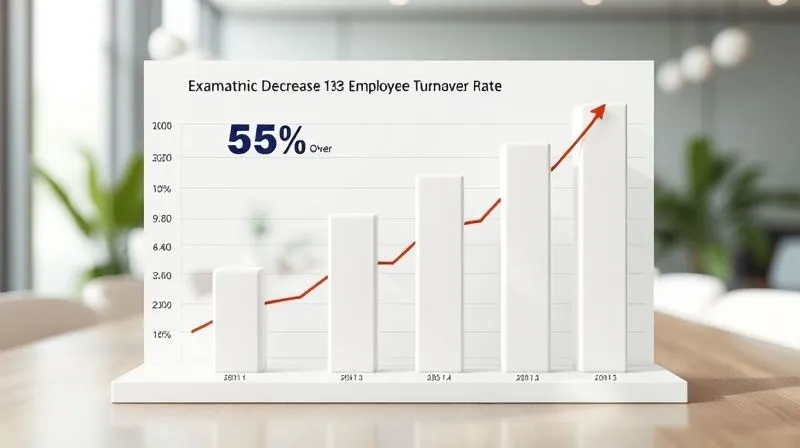
Within 12 months, InnovateTech saw a remarkable transformation. Employee satisfaction scores related to work-life balance increased by 40%, and the engineering turnover rate dropped to 15%. The shift to outcome-based performance not only reduced burnout but also led to a 15% increase in project completion efficiency, demonstrating that a focus on well-being can directly enhance productivity and retention.
Leveraging Technology for Early Detection & Intervention
In the complex landscape of remote work, technology isn't just a tool for communication; it's a powerful ally for HR in understanding employee sentiment, detecting early signs of burnout, and facilitating timely interventions. While human connection remains paramount, data-driven insights can provide an objective lens into the collective well-being of a remote workforce, enabling HR to move from reactive responses to proactive, strategic support. However, it’s crucial that any technological implementation is done with transparency, ethical considerations, and a clear focus on empowering employees, not just monitoring them.
From sophisticated analytics platforms to simple wellness apps, HR can harness technology to create a more responsive and supportive remote environment. This approach allows HR to identify patterns, personalize support, and allocate resources effectively, proving how HR prevents remote employee burnout leading to high turnover through smart, informed decisions.
Data-Driven Insights: Surveys & Analytics
Regular surveys and HR analytics tools can offer invaluable insights into the state of employee well-being and engagement. These tools move beyond anecdotal evidence, providing quantifiable data that can inform strategic HR decisions. Pulse surveys, engagement platforms, and sentiment analysis tools can track trends and pinpoint areas of concern before they escalate into full-blown burnout.
| Survey Metric | Question Example | Burnout Indicator |
|---|---|---|
| Workload Perception | My workload is manageable and allows for work-life balance. | Low scores or declining trends |
| Manager Support | My manager genuinely cares about my well-being. | Low scores, indicating lack of support |
| Sense of Connection | I feel connected to my team and the company culture. | Low scores, suggesting isolation |
| Autonomy & Control | I have sufficient autonomy to manage my work schedule. | Low scores, indicating micromanagement or lack of flexibility |
| Recognition & Value | I feel valued and recognized for my contributions. | Low scores, leading to disengagement |
Analyzing these metrics over time can reveal crucial trends, allowing HR to intervene with targeted programs. As Forbes highlights, HR analytics are transforming how organizations support their people.
Automated Wellness Nudges & Resources
Beyond surveys, technology can provide direct, personalized support. AI-powered wellness platforms or internal communication tools can be configured to offer automated nudges, suggest breaks, or provide access to relevant wellness resources based on individual preferences or activity patterns (always with strict privacy protocols). This proactive, personalized approach can make employees feel supported without being intrusive.
- Break Reminders: Integrate tools that gently remind employees to take breaks after prolonged screen time.
- Mindfulness Prompts: Offer short, opt-in mindfulness exercises or meditation prompts through internal communication channels.
- Personalized Resource Hubs: Curate a digital library of wellness articles, videos, and tools, making it easy for employees to find support tailored to their needs.
- Virtual Wellness Challenges: Use apps to track progress in team-based wellness challenges, fostering healthy competition and engagement.
Crafting a Culture of Recognition & Growth Remotely
Beyond addressing the immediate stressors of remote work, HR must also cultivate a positive, forward-looking culture that actively combats burnout by fostering a sense of value, purpose, and growth. A lack of recognition and limited opportunities for development are significant drivers of disengagement and, ultimately, turnover, especially in a remote environment where visibility can be lower. When employees feel their contributions are seen and appreciated, and they can clearly envision their career path within the organization, their resilience against burnout significantly increases.
HR's role is to design and implement robust recognition programs and create accessible growth opportunities that translate effectively to a remote setting. This ensures that every employee, regardless of their physical location, feels connected to the company's mission and their personal development journey.
Personalized Recognition Programs
Recognition is a powerful motivator, and it's even more critical when team members are dispersed. HR should move beyond generic 'employee of the month' awards to more personalized, frequent, and authentic forms of appreciation that resonate with individual employees.
- Peer-to-Peer Recognition Platforms: Implement tools that allow colleagues to easily acknowledge each other's efforts and achievements, fostering a culture of mutual appreciation.
- Public & Private Acknowledgments: Balance public shout-outs in team meetings or company newsletters with private, personalized thank-you notes from managers or leadership.
- Value-Based Recognition: Tie recognition to company values, highlighting specific behaviors that exemplify the culture.
- Personalized Rewards: Offer rewards that are meaningful to the individual, such as professional development stipends, extra time off, or personalized gift cards, rather than generic gifts.
Remote Learning & Development Opportunities
A sense of stagnation is a fast track to burnout. Remote employees, like their in-office counterparts, crave opportunities to learn, grow, and advance their careers. HR must ensure that learning and development (L&D) programs are not only accessible remotely but are also tailored to the unique needs and career aspirations of a distributed workforce.
- Virtual Workshops & Webinars: Offer a diverse range of online training sessions covering technical skills, soft skills, and leadership development.
- Access to Online Learning Platforms: Provide subscriptions to platforms like Coursera, LinkedIn Learning, or Udemy, allowing employees to learn at their own pace.
- Mentorship & Coaching Programs: Facilitate virtual mentorship pairings and offer access to external coaching for career guidance and skill development.
- Clear Career Pathing: Work with managers to create transparent career progression frameworks and discuss development plans during 1:1s, showing employees their future within the company.
Investing in growth demonstrates that the company values its employees, fostering loyalty and combating the feelings of being 'stuck' that often contribute to burnout. As Deloitte's Global Human Capital Trends consistently show, organizations focused on learning and development outperform their peers in retention and innovation.
Frequently Asked Questions (FAQ)
Q: How can HR measure burnout in remote teams without intrusive monitoring? Measuring burnout ethically involves focusing on outcomes and sentiment, not activity. Utilize anonymous pulse surveys, engagement platforms with privacy-first designs, structured 1:1s focused on well-being, and analyze trends in voluntary feedback. Train managers to observe behavioral changes during virtual interactions rather than relying on surveillance tools. The goal is insight, not oversight.
Q: What's the role of leadership in preventing remote burnout? Leadership's role is absolutely critical. They must model healthy boundaries, champion well-being initiatives, communicate transparently, and genuinely listen to employee feedback. When leaders prioritize their own well-being and openly discuss challenges, it creates psychological safety for the entire team to do the same. HR should equip leaders with the tools and training to be effective advocates for remote employee well-being.
Q: Are specific tools or platforms essential for managing remote employee well-being? While not strictly 'essential' if you have strong manual processes, dedicated tools can significantly enhance HR's ability to manage remote well-being. These include engagement survey platforms (e.g., Culture Amp, Qualtrics), communication apps that allow for informal channels (e.g., Slack, Microsoft Teams), wellness apps (e.g., Calm, Headspace), and EAP providers with robust digital interfaces. The right tools streamline processes and provide data for informed decision-making.
Q: How do we balance flexibility with accountability to prevent 'quiet quitting' or underperformance? The key is to shift from 'presenteeism' to 'performance by outcomes.' Establish clear, measurable goals (OKRs/SMART goals) and communicate expectations transparently. Empower employees with autonomy over 'how' they achieve results, but hold them accountable for 'what' they deliver. Regular, constructive check-ins focused on progress and support, rather than surveillance, build trust and prevent both burnout and underperformance.
Q: What are the legal implications HR needs to consider when implementing remote well-being programs? HR must consider data privacy (GDPR, CCPA), ensuring any data collected on well-being is handled securely and transparently. Compliance with local labor laws regarding working hours, breaks, and reasonable accommodations for mental health conditions is also vital. Additionally, ensure EAP services meet confidentiality standards and that any wellness incentives comply with non-discrimination laws. Consulting legal counsel is always advisable when implementing new programs.
Key Takeaways and Final Thoughts
As an industry specialist, I've seen that the challenge of remote employee burnout leading to high turnover is not merely a problem to be managed; it's an opportunity for HR to redefine its strategic value and build more resilient, human-centered organizations. The future of work is undeniably hybrid and remote, and our ability to foster thriving, engaged remote teams will dictate our long-term success.
- Proactive Prevention is Key: Don't wait for burnout; implement frameworks that foster boundaries and digital disconnection from day one.
- Intentional Connection Matters: Actively design communication channels and social opportunities to combat isolation and build community.
- Mental Health is Foundational: Provide accessible EAPs, promote wellness, and train managers to be empathetic supporters.
- Outcomes Over Hours: Realign performance management to focus on measurable results, empowering autonomy and reducing 'always-on' pressure.
- Leverage Tech Ethically: Use data-driven insights and wellness tools to inform decisions and offer personalized support, always prioritizing privacy.
- Cultivate Recognition & Growth: Ensure remote employees feel valued and see clear paths for development within the organization.
The journey to prevent remote employee burnout leading to high turnover requires commitment, empathy, and a strategic vision from HR. By embracing these principles, you won't just mitigate risk; you'll cultivate a vibrant, productive remote workforce that is deeply engaged, highly resilient, and committed to your organization's success. This is how HR truly becomes the architect of a sustainable, thriving future of work.
Recommended Reading
- What Common Pitch Deck Mistakes Deter VCs? 9 Blunders to Avoid
- Market Expansion Challenges: A Small Business Survival Guide
- Mastering Global Trade: Simplifying International E-commerce Customs Rules
- Unlock Growth: 5 Steps to Identify Small Business Bottlenecks
- Unlock Global Trade: Your Ultimate Guide to Understanding Incoterms





Comments
Leave a comment below. Your email will not be published. Required fields marked with *