

![Breach of Contract: Fixing Vendor Agreements FAST [Expert Guide]](/uploads/businessspur/posts/breach-of-contract-fixing-vendor-agreements-fast-expert-guide-jw5hy.webp)
Understanding Vendor Contract Breaches: A Business Owner's Perspective
As a business owner, I've navigated my fair share of vendor agreements. Most relationships are smooth, but sometimes, things go sideways. A vendor might miss deadlines, deliver substandard goods, or simply fail to uphold their end of the bargain. These situations can be incredibly stressful, disrupting operations and impacting your bottom line. When a vendor fails to meet their contractual obligations, it's considered a breach of contract. However, not all breaches are created equal, and understanding the type of breach is the first step in finding a swift resolution.Types of Contract Breaches
There are primarily four types of contract breaches: * **Material Breach:** This is a significant violation of the contract terms that undermines the entire agreement. For example, a vendor failing to deliver the core product or service outlined in the contract. * **Minor Breach:** Also known as a partial breach, this involves a less significant violation. While the vendor hasn't completely fulfilled their obligations, the core purpose of the contract remains intact. * **Anticipatory Breach:** This occurs when a vendor indicates, before the performance deadline, that they will not fulfill their contractual obligations. * **Actual Breach:** This happens when a vendor fails to meet their obligations by the agreed-upon deadline. Understanding the specific type of breach is crucial because it dictates the available remedies and the best course of action to take.Immediate Steps to Take After a Breach
When you suspect a breach of contract, swift action is critical to minimize damage and protect your business interests. Here’s what I've learned to do: 1. **Review the Contract:** Carefully examine the contract terms, including clauses related to breach of contract, termination, dispute resolution, and remedies. Pay close attention to any specific procedures outlined for notifying the vendor of a breach. 2. **Document Everything:** Maintain detailed records of all communications, missed deadlines, substandard deliverables, and any other evidence of the breach. This documentation will be crucial if you need to pursue legal action. 3. **Notify the Vendor:** Send a formal written notice to the vendor outlining the breach, specifying the contractual obligations that were violated, and demanding a remedy. Be clear about your expectations and the timeline for resolution. Certified mail with return receipt requested is highly recommended. 4. **Mitigate Damages:** Take reasonable steps to minimize the damages resulting from the breach. This might involve finding an alternative vendor, adjusting your production schedule, or taking other actions to reduce losses. The law generally requires you to mitigate your damages, and failure to do so could limit your recovery.Negotiating a Resolution
Often, the fastest and most cost-effective way to resolve a breach of contract is through negotiation. This involves communicating directly with the vendor to find a mutually agreeable solution. Consider these strategies: * **Open Communication:** Approach the negotiation with a willingness to listen to the vendor's perspective and understand the reasons behind the breach. Sometimes, there are legitimate reasons for the non-performance, such as unforeseen circumstances or supply chain disruptions. * **Compromise:** Be prepared to make concessions and find creative solutions that address both parties' concerns. This might involve adjusting the contract terms, extending deadlines, or offering a partial payment. * **Mediation:** If direct negotiation fails, consider engaging a neutral third party to mediate the dispute. A mediator can help facilitate communication and guide the parties toward a settlement.
Legal Remedies for Breach of Contract
If negotiation and mediation fail to resolve the breach, you may need to pursue legal remedies. The specific remedies available will depend on the nature of the breach, the terms of the contract, and applicable state law. Common remedies include: * **Damages:** Monetary compensation to cover the losses resulting from the breach. This can include direct damages (e.g., the cost of replacing substandard goods), consequential damages (e.g., lost profits), and incidental damages (e.g., expenses incurred as a result of the breach). * **Specific Performance:** A court order requiring the vendor to fulfill their contractual obligations. This remedy is typically only available when monetary damages are inadequate, such as when the goods or services are unique. * **Rescission:** Cancellation of the contract, restoring both parties to their original positions before the contract was entered into. * **Reformation:** Modification of the contract to correct errors or reflect the true intentions of the parties. Before pursuing legal action, consult with an experienced contract attorney to assess your options and understand the potential risks and costs involved. Litigation can be time-consuming and expensive, so it's important to weigh the potential benefits against the costs.Vendor Contract Breach Case: A Personal Experience
In 2018, in my role as head of procurement at a small manufacturing firm, we contracted with a new supplier for custom-designed circuit boards. The agreed-upon specification was for boards with a minimum processing speed of 2.4 GHz. Upon delivery and initial testing, we found that the actual processing speed averaged only 1.9 GHz. This was a clear material breach, as the underperforming boards rendered our final product unsalable. After documenting the test results and formally notifying the vendor, we entered into negotiations. Ultimately, the vendor agreed to remake the boards to the correct specifications at their own cost and provide a 10% discount on future orders to compensate for the delay. This resolution, while initially stressful, allowed us to maintain a working relationship and avoid costly litigation.Key Contract Clauses to Protect Your Business
To minimize the risk of vendor contract breaches and protect your business interests, it's essential to include certain key clauses in your vendor agreements. These clauses can provide clarity, define expectations, and outline remedies in the event of a breach. Here are some important clauses to consider: * **Clear Scope of Work:** A detailed description of the goods or services to be provided, including specific specifications, performance standards, and acceptance criteria. * **Payment Terms:** Clearly defined payment schedule, including milestones, deadlines, and any conditions for payment. * **Delivery Schedule:** Specific dates or deadlines for delivery of goods or services. * **Warranty:** Guarantees regarding the quality and performance of the goods or services. * **Confidentiality:** Protection of your confidential information and trade secrets. * **Intellectual Property:** Ownership and use of intellectual property rights. * **Termination Clause:** Conditions under which either party can terminate the contract, including procedures for termination and any penalties for early termination. * **Dispute Resolution Clause:** Procedures for resolving disputes, such as negotiation, mediation, or arbitration. * **Limitation of Liability Clause:** Limits on the amount of damages that either party can recover in the event of a breach. It is crucial to understand these clauses and their potential impact. * **Force Majeure Clause:** Excuses performance in the event of unforeseen circumstances beyond the control of either party, such as natural disasters or government regulations.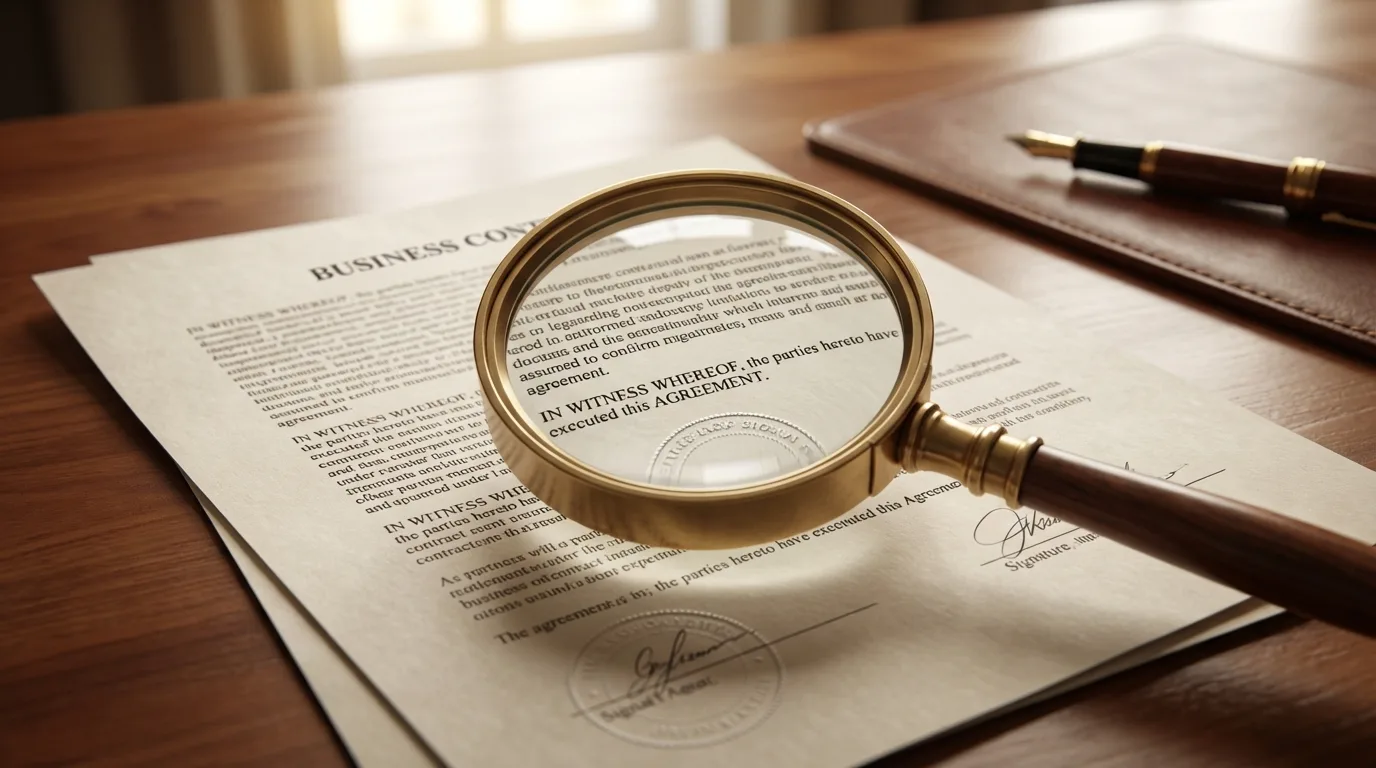
The Importance of Due Diligence
Before entering into a contract with a vendor, it's crucial to conduct thorough due diligence to assess their capabilities, reputation, and financial stability. This can help you avoid potential breaches of contract and ensure that you're working with a reliable and trustworthy partner. Consider these steps: * **Check References:** Contact previous clients or customers to inquire about the vendor's performance and reliability. * **Review Financial Statements:** Assess the vendor's financial stability to ensure they have the resources to fulfill their contractual obligations. * **Search for Litigation History:** Check for any past lawsuits or legal disputes involving the vendor. A history of litigation could be a red flag. * **Verify Licenses and Certifications:** Ensure that the vendor has all the necessary licenses and certifications to perform the services they're offering. * **Read Online Reviews:** Check online reviews and ratings to get a sense of the vendor's reputation and customer satisfaction.Vendor Performance Monitoring
Even after entering into a contract, it's important to continuously monitor the vendor's performance to ensure they're meeting their contractual obligations. This can help you identify potential problems early on and take corrective action before they escalate into a full-blown breach. Consider these strategies: * **Regular Communication:** Maintain open communication with the vendor and schedule regular meetings to discuss progress, address any concerns, and provide feedback. * **Performance Metrics:** Establish clear performance metrics and track the vendor's performance against those metrics. This can help you identify areas where the vendor is falling short. * **Site Visits:** Conduct periodic site visits to inspect the vendor's facilities and operations. * **Customer Feedback:** Solicit feedback from your customers about the vendor's products or services.The Cost of Breaches
Contract breaches can impact the financial health of a business. Here's a table highlighting potential costs:| Type of Cost | Description |
|---|---|
| Direct Costs | Expenses for rectifying the breach, such as rework, replacement products, or hiring a new vendor. |
| Indirect Costs | Loss of productivity, project delays, and damage to reputation. |
| Legal Costs | Attorney fees, court costs, and potential settlement or judgment amounts. |
| Opportunity Costs | Lost business opportunities due to the breach. |
Source: author's experience, supplemented by [contract book citation]
FAQ: Addressing Your Breach of Contract Concerns
**Q: What constitutes a 'material breach' versus a 'minor breach,' and why does it matter?** A: A material breach is a significant failure to perform a key aspect of the contract, essentially defeating the purpose of the agreement. A minor breach, on the other hand, is a less serious violation that doesn't undermine the entire contract. The difference matters because it affects the remedies available. A material breach typically allows you to terminate the contract and seek damages, while a minor breach may only entitle you to damages. For example, if you contracted with a catering company for a wedding reception to provide a five-course meal and they only provide three courses, that is a material breach. However, if they provided the five courses, but forgot the mint sprigs on the dessert, that is likely a minor breach. **Q: Why does mitigating damages matter, even if the vendor is clearly at fault?** A: You have a legal duty to mitigate your damages, meaning you must take reasonable steps to minimize the losses resulting from the breach. This is because the law doesn't want you to sit back and let damages accumulate when you could have taken action to prevent them. Failure to mitigate your damages could limit the amount you can recover from the vendor. For example, if a software vendor fails to deliver a critical software update on time, causing your business to lose revenue, you have a duty to find a workaround or alternative solution to minimize those losses. **Q: What is the real practical difference between mediation and arbitration, and when should I choose one over the other?** A: Mediation is a non-binding process where a neutral third party helps the parties reach a mutually agreeable settlement. Arbitration, on the other hand, is a binding process where a neutral third party hears evidence and makes a decision that is legally enforceable. Mediation is typically faster and less expensive than arbitration, but it relies on the parties' willingness to compromise. Arbitration provides a more definitive resolution, but it can be more time-consuming and expensive. You should choose mediation if you're confident that you can reach a settlement with the vendor, and arbitration if you need a binding decision. **Q: Why does a vendor still not deliver after several contract breach notifications?** A: A vendor's continued failure to deliver, even after multiple breach notifications, could stem from several underlying issues. Financial constraints preventing them from fulfilling the contract, internal operational inefficiencies impacting their ability to produce, or simply a lack of willingness to uphold their commitments. It's also possible that the vendor believes they are not in breach or that your demands are unreasonable. In such scenarios, escalating the matter through legal channels or exploring contract termination might be necessary.Conclusion: Take Control of Vendor Contract Breaches
Dealing with a vendor contract breach can be challenging, but by taking swift action, understanding your rights, and exploring all available options, you can increase your chances of a favorable resolution. Don't let a breach derail your business. Take control of the situation and protect your interests. Take our quiz: "Is Your Vendor Agreement Legally Sound?" to identify potential weaknesses in your vendor contracts and take the necessary steps to strengthen them.Recommended Reading
- Cash Flow Crisis? Prevent It During Rapid Business Scaling
- 7 Proven Strategies: Consistently Find High-Value Leads for Your Sales Team
- B2B Leads Abundant but No Sales? 7 Fixes for Conversion Gaps
- Boost Sales Now: The Ultimate Guide to Customer Retention!
- Project Forecasts Wrong? 5 Proven Strategies to Master Budget Control Now






Comments
Leave a comment below. Your email will not be published. Required fields marked with *