


How to Acquire More Small Business Customers on a Tight Budget?
For over two decades in the small business trenches, I've witnessed countless entrepreneurs pour their heart and soul into their ventures, only to hit a wall when it comes to customer acquisition. It's a common, often heartbreaking, scenario: a fantastic product or service, but a marketing budget that barely covers a cup of coffee.
The prevailing myth is that customer acquisition demands deep pockets and flashy campaigns. This couldn't be further from the truth. In my experience, the most sustainable growth often comes from smart, strategic, and often surprisingly low-cost methods.
This isn't about quick fixes or magic bullets. Instead, I'll share actionable, expert-backed frameworks and real-world insights that empower you to acquire more small business customers on a tight budget, building a loyal base that fuels long-term success. We'll explore how to maximize every dollar and every minute you invest.
Understanding Your Ideal Customer (Before Spending a Dime)
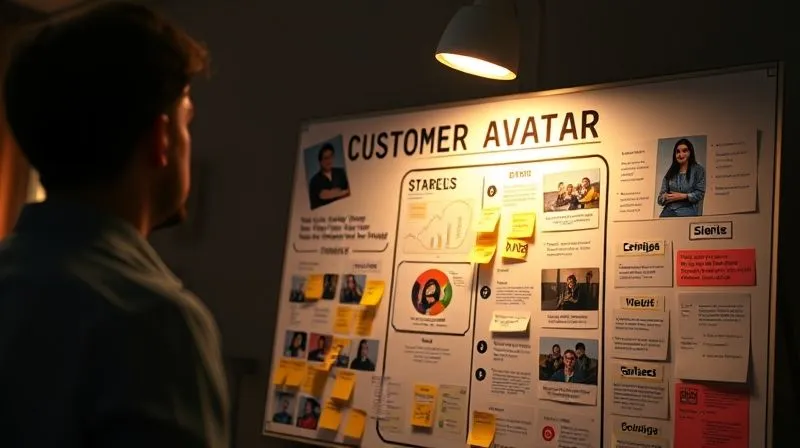
Before you even think about marketing tactics, you absolutely must understand who you're trying to reach. This might sound basic, but I've seen countless small businesses waste precious resources because they're casting too wide a net.
Crafting Your Ideal Customer Profile (ICP)
An Ideal Customer Profile (ICP) isn't just a demographic sketch; it's a deep dive into the psyche of your perfect client. It's about empathy and precision.
- Demographics: Start with the basics – age, location, income, industry, company size (if B2B).
- Psychographics: Dig deeper. What are their values, interests, and lifestyle choices? What motivates them?
- Pain Points: What problems do they face that your product or service can solve? Be specific. What keeps them up at night?
- Aspirations: What are their goals and desires? How does your offering help them achieve these?
- Behavioral Patterns: Where do they spend their time online and offline? What media do they consume?
By clearly defining your ICP, you ensure that every subsequent marketing effort is laser-focused, reaching the right people with the right message, thereby minimizing wasted budget.
The Power of Niche Specialization
For a small business on a tight budget, being a generalist is a luxury you can't afford. Trying to appeal to everyone means appealing to no one effectively. Niche specialization allows you to become the go-to expert for a specific group.
This approach reduces competition, simplifies your messaging, and makes your marketing more efficient. When you solve a very specific problem for a very specific audience, word-of-mouth spreads faster, and your marketing ROI skyrockets.
Leveraging Your Existing Network: The Warm Introduction Advantage
Your current network – past clients, friends, family, and professional contacts – is an often-underutilized goldmine for new business. These are 'warm' leads because they come with a pre-existing level of trust.
Referral Programs That Actually Work
A well-structured referral program can be your most cost-effective customer acquisition channel. It formalizes and incentivizes what people already do naturally: recommend great experiences.
- Define Your Ideal Referral: Educate your network on exactly who would benefit most from your service.
- Offer Compelling Incentives: This could be a discount for the referrer and the referred, a gift card, or even a small commission. Make it enticing but sustainable.
- Make it Easy: Provide clear instructions, pre-written email templates, or shareable social media graphics. Remove all friction.
- Track and Reward: Implement a simple system to track referrals and ensure rewards are delivered promptly. This builds trust and encourages more referrals.
- Express Gratitude: A personal thank you goes a long way, even if the referral doesn't convert immediately.
Strategic Partnerships & Cross-Promotions
Look for other small businesses that serve your ideal customer but are not direct competitors. These can be incredible partners for mutual growth.
Imagine a local bakery partnering with a coffee shop, or a web designer collaborating with a marketing consultant. Cross-promotions can include joint workshops, shared advertising space, or simply recommending each other's services to your respective customer bases. This expands your reach without expanding your budget.
"The cheapest lead is often the one already connected to someone who trusts you. Cultivate those relationships."
Content Marketing on a Shoestring: Value Over Volume
Content marketing doesn't require a Madison Avenue budget. It requires a commitment to providing genuine value to your audience. When you solve problems or answer questions through your content, you establish authority and trust.
Blogging for Local SEO & Authority
A blog is not just a diary; it's a powerful tool for attracting customers through search engines. Focus on topics that directly address your ICP's pain points and use keywords relevant to your local area.
- Keyword Research: Use free tools like Google Keyword Planner or Ubersuggest (free tier) to find low-competition, long-tail keywords relevant to your niche and location (e.g., "best coffee shops downtown [city name]").
- Provide Value: Don't just sell. Write how-to guides, answer common questions, share industry insights, or curate local resources.
- Optimize for Local SEO: Include your city/region in your content, meta descriptions, and image alt text. Ensure your Google My Business profile is complete and linked.
- Consistency: Even one quality blog post a month is better than sporadic bursts. Consistency signals to search engines that your site is active and relevant.
Repurposing Content Across Channels
One piece of high-quality content can be a goldmine. Don't just publish a blog post and forget it. Repurpose it!
Turn key points into social media posts, create short videos explaining concepts, design infographics, or even record a mini-podcast episode. This maximizes the reach and longevity of your content without needing to create new material from scratch for every platform.
Case Study: How 'Local Brew Cafe' Brewed New Customers
Local Brew Cafe, a small coffee shop in a competitive urban neighborhood, struggled to stand out. Instead of resorting to expensive paid ads, the owner, Sarah, decided to focus on community-centric content. She started a weekly blog titled 'Local Brews & Bites', featuring interviews with local artisans, reviews of nearby independent shops, and recipes for seasonal drinks using local ingredients. Her Google My Business profile was meticulously updated with these posts, and she actively encouraged customers to leave reviews.
Within six months, 'Local Brew Cafe' saw a 40% increase in local search traffic for terms like "best coffee [neighborhood name]" and "local artisan coffee." This organic visibility translated into a 20% jump in new walk-in customers, all without any direct ad spend. Sarah's consistent, valuable content established her cafe as a local hub, not just a place to grab coffee.
Harnessing the Power of Free & Low-Cost Digital Tools
The digital landscape offers an incredible array of tools that can supercharge your customer acquisition efforts without breaking the bank. It's about smart utilization, not expensive subscriptions.
Google My Business Optimization
For any local small business, your Google My Business (GMB) profile is your most vital digital storefront. It's free, and its impact on local search visibility is immense.
- Complete Your Profile: Fill out every section – hours, services, photos, accurate address, phone number. The more complete, the better.
- High-Quality Photos: Upload professional photos of your storefront, products, and team. Visuals significantly boost engagement.
- Collect Reviews: Actively encourage satisfied customers to leave reviews. Respond to all reviews, positive or negative, professionally and promptly.
- Use GMB Posts: Treat GMB posts like mini-blog entries. Share updates, offers, new products, or events. These appear directly in search results.
Social Media Engagement (Organic Reach)
While organic reach on social media has declined, it's far from dead. The key is to focus on genuine engagement and community building, not just broadcasting sales messages.
Identify where your ICP spends time (Facebook Groups, Instagram, LinkedIn, Pinterest) and focus your efforts there. Share valuable content, ask questions, respond to comments, and participate in relevant conversations. Authenticity and consistency are your best tools here.
| Platform | Cost | Benefit |
|---|---|---|
| Google My Business | Free | Local visibility, trust, reviews |
| Facebook Groups | Free | Community building, direct engagement |
| LinkedIn (Personal) | Free | Professional networking, thought leadership |
| Email Marketing (Free Tiers) | Low/Free | Direct communication, nurture leads |
Email Marketing: Nurturing Leads to Customers
Building an email list is one of the most powerful and cost-effective ways to nurture leads and drive repeat business. Even with a tight budget, you can get started with free tiers from providers like Mailchimp's free tier or MailerLite.
Offer something valuable in exchange for an email address – a free guide, a discount code, an exclusive tip. Then, consistently send valuable content, updates, and occasional promotions. Email allows for direct, personalized communication that builds strong customer relationships.
Mastering the Art of Local SEO without Paid Ads
Local Search Engine Optimization (SEO) is paramount for small businesses. It ensures that when potential customers in your geographic area search for products or services you offer, your business appears prominently.
On-Page SEO Essentials for Small Businesses
On-page SEO refers to optimizing individual web pages to rank higher and earn more relevant traffic in search engines.
- Keyword-Rich Titles & Meta Descriptions: Include your primary keywords (and location) in your page titles and meta descriptions. These are the first things searchers see.
- High-Quality Content: Create content that is genuinely helpful, comprehensive, and relevant to your target audience's queries.
- Internal Linking: Link relevant pages within your own website. This helps search engines understand your site's structure and passes authority between pages.
- Image Optimization: Use descriptive alt text for images, incorporating keywords where natural.
- Mobile-Friendliness: Ensure your website is fully responsive and loads quickly on mobile devices. Google prioritizes mobile-friendly sites.
Building Local Citations & Backlinks
Citations are mentions of your business's Name, Address, and Phone number (NAP) across the web. Backlinks are links from other websites to yours.
Ensure your NAP is consistent across all online directories (Yelp, Yellow Pages, industry-specific sites). Seek out opportunities for local backlinks by partnering with other local businesses, sponsoring local events, or getting featured in local news outlets. These signals boost your local authority.
Generating & Managing Online Reviews
Online reviews are critical for local SEO and building trust. They are a powerful form of social proof.
Actively ask satisfied customers for reviews on Google, Yelp, and other relevant platforms. Make the process easy for them. Respond to every review, showing appreciation for positive feedback and addressing negative comments professionally. This demonstrates excellent customer service and builds a positive online reputation.

Community Engagement & Offline Tactics That Still Work
In our digital-first world, it's easy to overlook the enduring power of real-world connections. For small businesses, especially those with a local focus, offline tactics can be incredibly effective and often very budget-friendly.
Sponsoring Local Events & Workshops
Participating in or sponsoring local events can provide significant visibility and goodwill within your community. Look for school fairs, charity events, local sports teams, or community festivals.
Even a small sponsorship can get your name and logo in front of potential customers. Consider hosting free workshops or informational sessions related to your expertise. This positions you as a helpful resource, not just a seller.
Networking Events & Trade Shows (Strategic Attendance)
Networking isn't about collecting business cards; it's about building genuine relationships. Choose local Chamber of Commerce meetings, industry meetups, or small trade shows strategically.
Focus on quality conversations over quantity. Listen more than you speak. Your goal is to understand others' needs and identify potential synergies, not to make a hard sell. A compelling elevator pitch that highlights a unique benefit, rather than just what you do, is crucial here.
"Authentic local engagement builds a brand story no ad budget can replicate. It fosters true community loyalty."
The Power of Analytics: Measure, Learn, Adapt (Low-Cost Tools)
Even with a tight budget, you can't afford to guess what's working and what isn't. Measurement is critical. Fortunately, powerful analytics tools are available for free or at very low cost.
Google Analytics & Search Console
These two free tools from Google are indispensable for any small business with a website.
- Google Analytics: Provides deep insights into your website traffic – who your visitors are, where they come from, what pages they view, and how long they stay. It helps you understand user behavior and identify areas for improvement.
- Google Search Console: Shows you how your site performs in Google Search results. You can see which keywords bring users to your site, monitor your site's indexing status, and identify any issues.
Learning to navigate these tools provides invaluable data that can guide your low-budget customer acquisition strategies, telling you exactly which efforts are yielding results.
Tracking Basic Metrics: What to Look For
You don't need complex dashboards. Focus on a few key performance indicators (KPIs) relevant to your goals.
- Website Traffic Sources: Which channels (referrals, organic search, social media) are driving the most visitors? This tells you where to double down.
- Conversion Rate: What percentage of visitors complete a desired action (e.g., fill out a form, make a purchase)? Optimizing this is often cheaper than finding new traffic.
- Engagement Metrics: Bounce rate, time on page. Are people finding your content valuable?
- Customer Acquisition Cost (CAC): Even with low-cost strategies, calculate the cost per customer. Divide your total marketing spend by the number of new customers acquired through those efforts.
- Customer Lifetime Value (CLV): Understanding how much a customer is worth over their relationship with your business helps justify acquisition efforts.
| Metric | Tool | Budget Impact |
|---|---|---|
| Website Traffic | Google Analytics | Free, identifies successful content |
| Conversion Rate | Google Analytics/CRM | Free, optimizes existing efforts |
| Referral Sources | Google Analytics/Surveys | Free, pinpoints effective partnerships |
| Customer Lifetime Value (CLV) | Simple Spreadsheet | Free, informs retention strategies |
For a detailed understanding of how to set up and interpret these metrics, Google provides extensive, free resources. I highly recommend reviewing the Google Analytics official guide to ensure you're leveraging its full potential.
Frequently Asked Questions (FAQ)
How quickly can a small business expect results from these low-budget strategies? The timeline varies significantly based on your industry, existing brand presence, and consistency of effort. Strategies like referrals and local SEO tend to build momentum over several months (3-6 typically), while a well-executed content piece might generate traffic sooner. Patience and consistent execution are key. Don't expect overnight miracles, but steady, sustainable growth is achievable.
What's the single most important thing for a small business to focus on if their budget is truly minimal? If your budget is almost non-existent, I'd advise focusing intensely on two things: first, deeply understanding your ideal customer and their pain points, and second, leveraging your existing network for referrals. These require minimal financial outlay but demand significant time and genuine relationship-building. Deliver exceptional service, and word-of-mouth will follow.
How can I compete with larger businesses that have bigger marketing budgets? Compete on agility, authenticity, and specialization. Larger businesses often struggle to be nimble, personal, or hyper-focused on a niche. As a small business, you can offer a highly personalized experience, build strong community ties, and become the undisputed expert in a specific segment. Your unique story and direct connection with customers are powerful differentiators that money can't buy.
Is social media still effective for customer acquisition without paid ads? Absolutely, but the approach must shift. Focus on engagement, community management, and providing value rather than just broadcasting. Participate in relevant groups, respond to comments, use stories and live video, and leverage user-generated content. The goal is to build relationships that eventually lead to conversions, not just impressions. Consistency and authenticity are your organic superpowers.
What are common mistakes small businesses make when trying to acquire customers on a tight budget? The most common mistakes I see are: 1) Lack of clear customer definition, leading to scattered efforts. 2) Inconsistency in marketing activities – sporadic efforts yield sporadic results. 3) Neglecting existing customers and their referral potential. 4) Not measuring results, so they don't know what's working. 5) Trying to do too much at once instead of focusing on a few core strategies and executing them well.
Key Takeaways and Final Thoughts
- Know Your Customer: Precision in your Ideal Customer Profile (ICP) is the foundation of all cost-effective marketing.
- Leverage Existing Assets: Your network and current customer base are invaluable for referrals and partnerships.
- Prioritize Value-Driven Content: Solve problems, answer questions, and build authority without a massive ad spend.
- Embrace Free Tools: Google My Business, Google Analytics, and free tiers of email marketing platforms are your allies.
- Connect Locally: Don't underestimate the power of community engagement and offline networking.
- Measure Everything: Use analytics to understand what works and continuously refine your approach.
Acquiring more small business customers on a tight budget isn't about scarcity; it's about smart resourcefulness. It demands strategic thinking, consistent effort, and a deep understanding of your audience. By focusing on these actionable, expert-backed strategies, you're not just saving money – you're building a more resilient, customer-centric business model. The path to sustainable growth is paved with value, relationships, and intelligent execution. Go forth and grow!
For further reading on customer acquisition strategies from leading experts, I recommend exploring resources like the Harvard Business Review on Customer Acquisition.
Recommended Reading
- Legally Terminating Remote Staff for Poor Performance: A 7-Step Guide
- 5 Urgent Steps: What to Do When Your Small Business is Running Out of Cash?
- Why Do Risk Assessments Fail? 7 Ways to Predict & Prevent Project Disasters
- Unlocking Impact: Practical Steps for Developing Servant Leadership
- 7 Strategies: How Resilient Leaders Prevent Burnout in Uncertainty





Comments
Leave a comment below. Your email will not be published. Required fields marked with *