

How to Adapt Workforce Planning for Rapid Technological Shifts?
For over 15 years in Human Resources, I've witnessed firsthand how quickly industries can be reshaped. I’ve seen companies, once titans, crumble because they failed to anticipate the next wave of innovation, leaving their workforce unprepared and their talent strategies obsolete.
The pace of technological advancement today is unprecedented, pushing organizations into a constant state of flux. This rapid evolution creates significant pain points for HR leaders: a widening skills gap, difficulty in talent retention, and the daunting task of forecasting future workforce needs in an ever-shifting landscape. Many feel like they're playing catch-up, constantly reacting instead of proactively shaping their future.
In this definitive guide, I will share battle-tested frameworks and expert insights to help you not just survive, but thrive amidst this technological upheaval. You'll discover actionable strategies, informed by real-world case studies and authoritative data, that will empower you to adapt your workforce planning for rapid technological shifts, transforming your HR function into a strategic powerhouse.
Understanding the Velocity of Technological Change
The term 'rapid technological shifts' isn't just hyperbole; it's our daily reality. We're living through an era where advancements in AI, automation, blockchain, and quantum computing are not just incremental but exponential. This means that skills that were highly valued five years ago might be less relevant today, and new roles are emerging at an astonishing rate.
As an industry specialist, I've observed that many organizations still operate on a linear model of change, which is simply inadequate for the current environment. The challenge isn't just *what* technologies are emerging, but the sheer velocity and interconnectedness of their impact across different business functions. It's a complex web that demands a fundamentally different approach to talent strategy.
“The only constant in technology is change. But the speed of that change has accelerated to a point where traditional, static workforce planning models are no longer fit for purpose.” – Industry Expert Insight
According to a Deloitte Human Capital Trends report, organizations are increasingly struggling to keep pace with the demand for new skills, highlighting a critical need for agile and forward-thinking workforce strategies. This isn't just an HR problem; it's a core business imperative that directly impacts innovation, productivity, and competitive advantage.

Embracing an Agile Workforce Planning Mindset
The traditional, rigid annual workforce planning cycle is a relic of a bygone era. To truly adapt your workforce planning for rapid technological shifts, you must embrace an agile mindset. This means moving away from fixed plans and towards continuous, iterative cycles of planning, execution, and adjustment.
In my experience, an agile approach allows HR to be more responsive, anticipating changes rather than reacting to them. It's about building flexibility and resilience into the very fabric of your talent strategy, ensuring your organization can pivot quickly as new technologies emerge or market demands shift.
Key Principles of Agile Workforce Planning:
- Continuous Scanning & Forecasting: Regularly monitor technological trends, market shifts, and competitive landscapes. Don't wait for the annual review; make it an ongoing process.
- Iterative Planning Cycles: Break down long-term plans into shorter, manageable sprints. Review and adjust your workforce strategy every quarter, or even monthly, based on new data and insights.
- Cross-Functional Collaboration: Workforce planning cannot happen in a silo. Engage leaders from IT, R&D, operations, and marketing to gain diverse perspectives on future skill needs and technological impacts.
- Hypothesis-Driven Approach: Treat your workforce plans as hypotheses. Test assumptions, gather data, and be prepared to refine or discard strategies that aren't yielding the desired outcomes.
- Focus on Adaptability & Learning: Prioritize developing a workforce that is not just skilled, but also adaptable and eager to learn new technologies and processes.
Implementing an agile approach requires a cultural shift, but the payoff is immense. It transforms workforce planning from a bureaucratic exercise into a dynamic, strategic tool that drives business success. For more insights into agile methodologies in HR, consider exploring resources like the Harvard Business Review's articles on agile management.
Leveraging AI and Data Analytics for Predictive Insights
In the quest to adapt workforce planning for rapid technological shifts, AI and advanced data analytics are not just tools; they are indispensable allies. They move us beyond reactive guesswork to proactive, predictive insights, enabling HR leaders to see around corners and anticipate future talent needs with greater accuracy.
I've seen organizations revolutionize their workforce planning by harnessing the power of data. Instead of relying on historical trends alone, AI can analyze vast datasets—including external market data, industry reports, patent filings, and even social media sentiment—to identify emerging skill requirements and potential talent gaps long before they become critical.
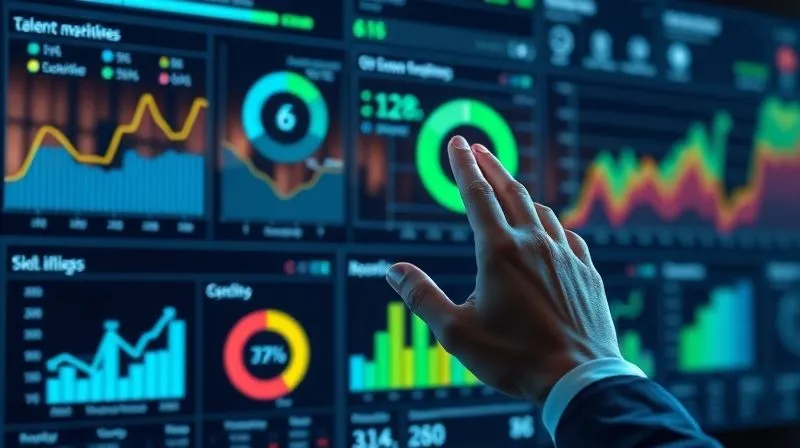
From Reactive to Predictive: The Power of AI in Workforce Planning
Traditional forecasting often looks backward, extrapolating from past performance. AI-driven analytics, however, can look forward. It uses machine learning algorithms to identify patterns and correlations that human analysts might miss, predicting which skills will be in demand, which roles might become obsolete, and even forecasting potential attrition rates.
Consider the stark contrast between traditional and AI-driven approaches:
| Aspect | Traditional Forecasting | AI-Driven Forecasting |
|---|---|---|
| Data Sources | Internal historical data (e.g., past hiring, attrition) | Internal + External data (market trends, economic indicators, competitor analysis, skill taxonomies) |
| Methodology | Manual analysis, linear projections, expert opinion | Machine learning algorithms, predictive modeling, scenario planning simulations |
| Accuracy & Speed | Lower accuracy, slower to adapt to change | Higher accuracy, real-time adjustments, identifies emerging trends faster |
| Output | Static reports, headcount projections | Dynamic dashboards, skill gap predictions, talent market insights, reskilling recommendations |
Implementing such systems allows HR to create dynamic skill inventories, identify employees with adjacent skills who can be easily reskilled, and even optimize talent acquisition strategies by targeting candidates with future-proof capabilities. For a deeper dive into HR analytics, explore resources from organizations like Forbes' insights on HR Analytics.
Building a Dynamic Skills Inventory and Gap Analysis
You can't adapt if you don't know what you have and what you need. A cornerstone of effective workforce planning in a technologically evolving landscape is a robust, dynamic skills inventory. This goes beyond job titles; it's about understanding the granular capabilities residing within your workforce and identifying where the critical gaps lie.
I've guided many organizations through the process of developing these inventories. It's not a one-time project, but an ongoing process of assessment, mapping, and updating. Without this clear picture, any reskilling initiatives or hiring efforts will be akin to shooting in the dark.
Steps to Create a Dynamic Skills Inventory:
- Define a Comprehensive Skill Taxonomy: Work with subject matter experts across departments to define a standardized list of critical skills, both technical and soft, relevant to your industry and future strategic goals. This taxonomy should be granular enough to distinguish specific proficiencies.
- Assess Current Workforce Capabilities: Utilize a combination of self-assessments, manager evaluations, performance data, and even AI-powered tools to map existing employee skills against your taxonomy. Focus on both current proficiency and potential for development.
- Identify Future Skill Demands: Based on your strategic objectives, technological roadmaps, and market analysis (leveraging AI insights as discussed), forecast the skills that will be crucial in 1, 3, and 5 years.
- Conduct a Comprehensive Gap Analysis: Compare your current skill inventory with your future skill demands. Clearly identify the specific skills and the number of employees needed to fill those gaps. Categorize gaps by urgency and strategic importance.
- Maintain and Update Continuously: Integrate skill updates into performance reviews, learning management systems, and project assignments. Your skills inventory should be a living document, evolving with your workforce and the technological landscape.
This detailed understanding of your talent landscape is crucial for making informed decisions about where to invest in training, where to recruit, and how to strategically deploy your existing talent. It empowers you to build a truly future-ready workforce.
Strategic Reskilling and Upskilling Programs
Once you've identified your skill gaps, the next critical step in how to adapt workforce planning for rapid technological shifts is to implement strategic reskilling and upskilling programs. In my experience, investing in your existing talent is not only more cost-effective than external hiring but also significantly boosts employee morale and retention.
Reskilling involves training employees for entirely new roles within the organization, often necessitated by automation or shifts in business models. Upskilling, on the other hand, enhances an employee's existing skills to keep them current with new technologies and industry best practices. Both are vital components of a resilient talent strategy.
Case Study: How TechSolutions Inc. Transformed Its Workforce with Reskilling
TechSolutions Inc., a mid-sized software development firm, faced a significant challenge. Their legacy software maintenance team was becoming less critical as the company shifted to cloud-native solutions. Instead of layoffs, their HR team, guided by a dynamic skills inventory, identified that many of these employees possessed strong problem-solving abilities and a deep understanding of the company's core logic.
They launched a targeted reskilling program, partnering with online learning platforms and internal mentors. Employees were trained in cloud architecture, DevOps practices, and modern programming languages. Within 18 months, over 70% of the legacy team successfully transitioned into new, high-demand roles within the cloud engineering department. This proactive approach not only saved valuable institutional knowledge but also fostered a culture of loyalty and continuous learning, significantly reducing recruitment costs for new cloud talent.

Effective reskilling and upskilling programs require careful planning, clear learning pathways, and dedicated resources. They should be integrated with career development plans and incentivized to encourage participation. The World Economic Forum's Future of Jobs Report consistently highlights the growing importance of these initiatives for navigating future labor markets.
Cultivating a Culture of Continuous Learning and Adaptability
Even the most meticulously planned reskilling programs will falter without a supportive organizational culture. To truly adapt workforce planning for rapid technological shifts, you must cultivate a culture where continuous learning and adaptability are not just encouraged, but deeply ingrained. This means shifting from a mindset of 'training for specific roles' to 'developing adaptable learners.'
I've observed that organizations with strong learning cultures are far more resilient to technological disruption. Their employees are not afraid of change; they embrace it as an opportunity for growth. This psychological safety and encouragement are paramount.
“In an era of rapid technological change, the most valuable skill isn't a specific technology; it's the ability to learn, unlearn, and relearn.” – Expert HR Philosophy
Key Elements of a Learning-Centric Culture:
- Leadership Buy-In: Leaders must visibly champion continuous learning, participating in training themselves and allocating resources generously.
- Growth Mindset: Foster an environment where employees see challenges as opportunities to develop new skills, rather than threats to their job security.
- Accessible Learning Resources: Provide easy access to diverse learning platforms, internal experts, mentorship programs, and time for skill development during work hours.
- Feedback and Coaching: Implement robust feedback mechanisms and coaching programs to guide employees in their learning journeys and reinforce new skills.
- Experimentation and Psychological Safety: Create a safe space for employees to experiment with new tools and approaches, understanding that failures are learning opportunities.
By investing in a culture of continuous learning, you empower your workforce to proactively engage with new technologies, rather than passively waiting for instruction. This intrinsic motivation is a powerful driver for organizational agility and innovation.
Rethinking Talent Acquisition in a Tech-Driven Landscape
While reskilling existing employees is crucial, external hiring remains a vital component of workforce planning. However, the approach to talent acquisition must also adapt significantly for rapid technological shifts. The traditional focus on specific job titles and rigid experience requirements is becoming less effective.
In my experience, future-proof talent acquisition prioritizes skills, potential, and adaptability over historical roles. It means looking beyond traditional industry boundaries and embracing diverse talent pools, including those with non-traditional educational backgrounds or extensive transferable skills from other sectors.
Old vs. New Paradigms in Talent Acquisition:
| Aspect | Old Paradigm | New Paradigm |
|---|---|---|
| Focus | Job title, specific degree, years of experience | Skills (technical & soft), learning agility, problem-solving ability, cultural fit |
| Sourcing | Job boards, traditional recruiters, professional networks | AI-driven talent marketplaces, internal mobility platforms, bootcamps, gig economy platforms, diverse community outreach |
| Assessment | Resume review, standard interviews | Skills-based assessments, behavioral interviews, technical challenges, simulations, psychometric testing |
| Candidate Experience | Transactional, often slow and impersonal | Engaging, transparent, focused on growth potential, personalized feedback |
This shift requires recruiters to become more strategic partners, understanding not just the immediate needs of a role but also the long-term skill trajectory of the organization. Leveraging AI in sourcing and screening can help identify candidates with adjacent skills or high learning potential, broadening your talent pool and accelerating the hiring process.
Integrating HR Technology for Seamless Workforce Management
You cannot effectively adapt workforce planning for rapid technological shifts without robust HR technology. An integrated HR tech stack is the backbone that supports agile planning, dynamic skill management, data-driven insights, and seamless employee experiences. Disjointed systems lead to inefficiencies, data silos, and a reactive HR function.
From my perspective, the goal isn't just to implement new software, but to create a cohesive ecosystem where different HR platforms communicate and share data seamlessly. This integration provides a single source of truth for workforce data, enabling predictive analytics and empowering both HR and employees.
Key Components of an Integrated HR Tech Stack:
- Human Resources Information System (HRIS): The central hub for all employee data, including demographics, employment history, and core HR processes.
- Learning Management System (LMS): Manages and delivers training, tracks employee learning progress, and houses skill development resources. Should integrate with skill inventories.
- Talent Management Platform: Encompasses performance management, career development, succession planning, and often includes skill assessment tools.
- Workforce Planning & Analytics Tools: Dedicated software for scenario planning, predictive modeling, and visualizing workforce data.
- Recruitment Management System (RMS)/Applicant Tracking System (ATS): Streamlines the hiring process, from sourcing to onboarding, with AI-powered matching capabilities.
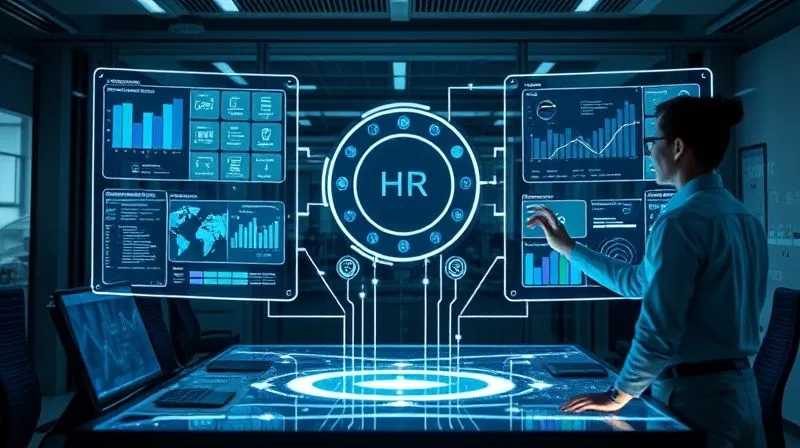
The right technology stack automates routine tasks, frees up HR professionals for strategic work, and provides employees with self-service options for learning and career development. It's an investment that directly contributes to your organization's ability to adapt and innovate.
Measuring Impact and Iterating Your Workforce Strategy
The final, crucial step in how to adapt workforce planning for rapid technological shifts is to continuously measure the impact of your strategies and be prepared to iterate. In an agile environment, 'set it and forget it' is a recipe for failure. You need clear metrics, feedback loops, and a commitment to ongoing refinement.
I always emphasize that data-driven decision-making doesn't end with planning; it extends through execution and evaluation. By tracking key performance indicators (KPIs), you can assess the effectiveness of your reskilling programs, the success of your new hiring strategies, and the overall agility of your workforce.
Key Metrics for Workforce Planning Adaptation:
- Skill Gap Closure Rate: Percentage of identified skill gaps that have been filled through reskilling, upskilling, or hiring.
- Time to Fill Critical Roles: Measures the efficiency of talent acquisition for roles impacted by technological shifts.
- Internal Mobility Rate: Percentage of employees moving into new roles internally, indicating workforce adaptability.
- Learning & Development Engagement: Participation rates in reskilling/upskilling programs, completion rates, and feedback on program effectiveness.
- Employee Retention (especially in key tech roles): Indicates success in keeping critical talent.
- Productivity & Innovation Metrics: Broader business outcomes that can be linked to a more skilled and adaptive workforce.
Regularly review these metrics, gather feedback from employees and managers, and be prepared to adjust your strategies. This iterative process ensures your workforce planning remains relevant, effective, and truly adaptive to the relentless pace of technological change.
Frequently Asked Questions (FAQ)
Question: How do I get buy-in from leadership for investing in agile workforce planning and reskilling? To secure leadership buy-in, frame workforce planning as a strategic business imperative, not just an HR function. Quantify the risks of inaction (e.g., increased recruitment costs, lost innovation, competitive disadvantage) and the ROI of investment (e.g., improved talent retention, faster market entry for new products, enhanced productivity). Use data, case studies (like the one above), and scenario planning to illustrate potential future states. Emphasize how a prepared workforce directly supports the company's strategic goals and bottom line.
Question: What are the biggest risks of not adapting workforce planning for technological shifts? The risks are substantial: a widening skills gap leading to critical talent shortages, inability to innovate or adopt new technologies, increased employee turnover due to lack of growth opportunities, higher recruitment costs for scarce skills, reduced productivity, and ultimately, a significant loss of competitive advantage. In extreme cases, it can lead to business obsolescence as competitors with more agile workforces pull ahead.
Question: How can small businesses compete with larger corporations in tech adaptation and workforce planning? Small businesses can compete by leveraging their inherent agility. Focus on niche skill development, foster a strong culture of continuous learning, and utilize cost-effective online learning platforms. Emphasize personalized career development and mentorship, which can be harder to achieve in larger organizations. Also, explore partnerships for training and consider remote talent pools to access a wider range of skills without the overhead of physical offices.
Question: What's the role of ethical AI in workforce planning, and how can we ensure fairness? Ethical AI is paramount. It involves ensuring AI algorithms used for talent assessment, forecasting, or matching are free from bias, transparent in their operation, and respect employee privacy. Implement strong data governance, regularly audit AI systems for bias (e.g., against gender, age, or ethnicity), and ensure human oversight in critical decision-making processes. Prioritize AI solutions from vendors committed to ethical practices and involve legal and ethics teams in deployment.
Question: How do I balance automation with human roles during rapid technological shifts? The key is to view automation as a tool to augment human capabilities, not replace them entirely. Focus on automating repetitive, low-value tasks to free up employees for higher-level, creative, and strategic work. Conduct 'task-level' analysis to identify what *can* be automated versus what *must* be done by humans. Then, actively reskill employees whose roles are impacted, transitioning them into roles that leverage their uniquely human skills (e.g., critical thinking, emotional intelligence, complex problem-solving) often in collaboration with new technologies.
Key Takeaways and Final Thoughts
Navigating the turbulent waters of rapid technological change demands a proactive, agile, and human-centric approach to workforce planning. It's no longer enough to simply react; organizations must anticipate, adapt, and continually evolve their talent strategies.
- Embrace Agility: Move to iterative planning cycles and continuous scanning of the technological landscape.
- Leverage Data & AI: Use predictive analytics to gain foresight into future skill demands and talent gaps.
- Build a Dynamic Skills Inventory: Understand your current capabilities and future needs at a granular level.
- Invest in Reskilling & Upskilling: Empower your existing workforce to develop new, future-proof skills.
- Cultivate a Learning Culture: Foster an environment where continuous learning and adaptability are core values.
- Rethink Talent Acquisition: Prioritize skills and potential over traditional credentials.
- Integrate HR Technology: Build a seamless tech ecosystem to support all aspects of workforce management.
- Measure & Iterate: Continuously track KPIs and refine your strategies based on real-world impact.
The journey to adapt workforce planning for rapid technological shifts is ongoing, not a destination. By adopting these strategies, you're not just preparing for the future of work; you're actively shaping it. Your proactive efforts will not only build a resilient, innovative workforce but also position your organization as a leader in an increasingly dynamic global economy. The time to act is now; your workforce, and your business, depend on it.
Recommended Reading
- 7 Expert Steps: How to Revive a Failing Strategic Alliance Now
- Resolving Audit Findings: 5 Steps to Bridge Management Disagreements
- Why Business Solutions Fail: 7 Keys to Deliver Lasting Results
- Prevent Remote Employee Burnout: Boost Productivity with 5 Key Strategies
- Stop the Exit: Fixing High Employee Turnover After 90 Days





Comments
Leave a comment below. Your email will not be published. Required fields marked with *