


How to Avoid Greenwashing While Reporting Sustainable Business Impact?
For over 15 years in the corporate social responsibility and sustainable business arena, I've witnessed firsthand the profound shift in consumer and investor expectations. Companies are no longer just judged by their profits but by their purpose and planet-positive impact. This evolution is powerful, but it also presents a significant challenge: the temptation of greenwashing.
The reader's pain point is palpable: how do you genuinely showcase your sustainable efforts without inadvertently, or even deliberately, misleading your stakeholders? The line between effective communication and deceptive marketing can be incredibly fine, and crossing it carries severe reputational, legal, and financial risks. Trust, once lost, is notoriously difficult to regain, and in the sustainability space, trust is your most valuable currency.
In this definitive guide, I will share the frameworks, actionable strategies, and expert insights I've honed over years of working with leading organizations. You'll learn how to implement robust reporting practices, foster genuine transparency, and build an unshakeable foundation of integrity that not only avoids greenwashing but actively cultivates stakeholder confidence and drives meaningful, sustainable change.
Understanding the Greenwashing Landscape: More Than Just a PR Blunder
Before we dive into prevention, it's crucial to understand what greenwashing truly is and why it's such a pervasive issue. Greenwashing occurs when a company or organization spends more time and money marketing itself as environmentally friendly than on actually minimizing its environmental impact. It's not just about blatant lies; often, it's about vague claims, selective disclosure, or exaggerated benefits that create a misleading impression.
I've seen this mistake countless times: a company, with good intentions, launches a sustainability initiative, but their communication about it is so broad, so lacking in specific data, that it inadvertently raises suspicion. This can take many forms: from 'eco-friendly' labels on products that aren't, to grand statements about carbon neutrality without a clear pathway or verified offsets. The danger is that it erodes trust across the entire industry, making it harder for genuinely sustainable businesses to be heard.
In my experience, the core of greenwashing often lies not in malicious intent but in a fundamental disconnect between marketing ambitions and the verifiable reality of sustainable actions. It's a gap that transparency and robust data must bridge.
According to a study by the European Commission and national consumer authorities, 42% of environmental claims on company websites were exaggerated, false, or deceptive. This highlights the scale of the problem and the need for rigorous standards. Avoiding greenwashing while reporting sustainable business impact isn't just a compliance issue; it's a strategic imperative for long-term viability and brand reputation. To truly understand the nuances, I recommend exploring resources like this Harvard Business Review article on the evolution of greenwashing, which provides excellent context on its modern manifestations.
The Foundation: Robust Data Collection and Measurable Metrics
The bedrock of authentic sustainability reporting is unimpeachable data. Without accurate, verifiable, and comprehensive data, any claim you make is merely an assertion, vulnerable to accusations of greenwashing. This means moving beyond anecdotal evidence and embracing a rigorous, scientific approach to measurement.
Setting Clear, Quantifiable Goals (SMART)
Before you can report impact, you must define what success looks like. Your sustainability goals should be SMART: Specific, Measurable, Achievable, Relevant, and Time-bound. Instead of saying, "We will reduce our environmental footprint," aim for "We will reduce Scope 1 and 2 greenhouse gas emissions by 30% from a 2023 baseline by 2030, verified by a third-party audit." This level of detail leaves no room for ambiguity.
Implementing Reliable Data Collection Systems
This is where many companies stumble. Manual data collection is prone to errors and inconsistencies. Invest in systems and processes that automate and centralize your sustainability data. This could involve energy management systems, waste tracking software, or supply chain traceability platforms. Ensure data inputs are standardized across all relevant departments and locations.
- Identify Key Performance Indicators (KPIs): Determine which metrics truly reflect your sustainability goals (e.g., kWh of renewable energy used, liters of water recycled, tons of waste diverted from landfill, employee volunteer hours).
- Establish Baselines: Measure your starting point accurately. Without a baseline, you cannot demonstrate progress.
- Define Data Sources and Ownership: Clearly assign responsibility for data collection and validation to specific teams or individuals.
- Regularly Audit Data: Implement internal audit procedures to check for accuracy, completeness, and consistency before external reporting.
- Utilize Technology: Leverage specialized ESG software or enterprise resource planning (ERP) systems with sustainability modules to streamline data capture and analysis.
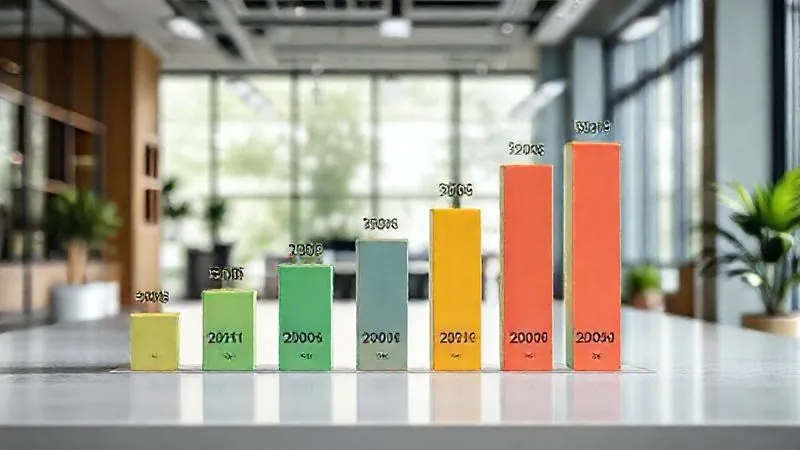
Capturing and presenting this data effectively is key to demonstrating genuine progress and avoiding the pitfalls of vague, unquantified claims. Visualizing your progress can also be incredibly powerful for stakeholders.
Transparency and Disclosure: Opening the Books, Not Just the Brochure
True transparency means sharing the good, the bad, and the ugly. It's about full disclosure, not selective storytelling. Greenwashing often thrives in information vacuums where companies highlight minor positive impacts while omitting significant negative ones. To genuinely avoid greenwashing while reporting sustainable business impact, you must embrace radical transparency.
Materiality Assessments: Focusing on What Truly Matters
A materiality assessment helps identify the most significant sustainability issues for your business and its stakeholders. It's a process of engaging with internal and external stakeholders to understand what environmental, social, and governance (ESG) topics are most relevant and impactful. This ensures your reporting focuses on what truly matters, rather than generic, feel-good initiatives.
For instance, an apparel company's material issues might include supply chain labor practices and water usage, while a tech company might focus on data privacy and energy consumption of its servers. Reporting on non-material issues while neglecting critical ones can easily be perceived as a form of greenwashing.
Standardized Reporting Frameworks: A Universal Language for Impact
Adhering to globally recognized reporting frameworks is a non-negotiable step for credible sustainability reporting. These frameworks provide a structured approach, ensuring consistency, comparability, and comprehensiveness. They act as a common language, allowing stakeholders to easily understand and compare your performance against peers.
Key frameworks include:
- GRI Standards (Global Reporting Initiative): The most widely used standards for sustainability reporting, covering a broad range of environmental, social, and economic impacts. They promote comprehensive and comparable reporting.
- SASB Standards (Sustainability Accounting Standards Board): Industry-specific standards focused on financially material sustainability information relevant to investors.
- TCFD Recommendations (Task Force on Climate-related Financial Disclosures): Focuses on climate-related financial risks and opportunities, promoting disclosure in governance, strategy, risk management, and metrics/targets.
- CDP (formerly Carbon Disclosure Project): An organization that runs a global disclosure system for companies, cities, states, and regions to manage their environmental impacts.
By using these frameworks, you demonstrate a commitment to best practices and provide stakeholders with the information they need to make informed decisions. The GRI, for example, offers detailed guidance and principles for reporting, making it an invaluable resource for any company serious about transparency. You can find more details on their official website: GRI Standards.
Comparing these frameworks can help you decide which is most suitable for your organization's specific needs and stakeholder expectations:
| Framework | Focus | Primary Audience | Key Benefit |
|---|---|---|---|
| GRI Standards | Broad environmental, social, economic impacts | All stakeholders | Comprehensive, comparable reporting |
| SASB Standards | Financially material sustainability information | Investors | Industry-specific, investor-focused |
| TCFD Recommendations | Climate-related financial risks and opportunities | Investors, financial markets | Forward-looking climate risk disclosure |
Verification and Assurance: Bringing in the Independent Eyes
Even with robust data and transparent reporting, skepticism can linger. This is where independent verification and assurance come in. Having a qualified third party review and attest to the accuracy and completeness of your sustainability report significantly bolsters its credibility and helps you unequivocally avoid greenwashing.
The Value of External Assurance
External assurance provides an objective, expert opinion on your reported data and processes. It's akin to a financial audit but for your non-financial, sustainability performance. This process not only lends credibility to your claims but also helps identify weaknesses in your data collection, measurement, and reporting systems, leading to continuous improvement.
As leading assurance providers like Deloitte frequently emphasize, independent assurance can mitigate reputational risk, enhance stakeholder trust, and improve internal controls over ESG data. It signals to investors, consumers, and regulators that your sustainability claims are not just marketing fluff but are backed by rigorous review.
Choosing the Right Verifier
Selecting an independent assurance provider is a critical decision. Look for firms with established expertise in sustainability reporting, relevant industry experience, and adherence to international assurance standards (e.g., ISAE 3000, AA1000 Assurance Standard). Their role is not just to rubber-stamp your report but to challenge your data, processes, and disclosures, ensuring they meet the highest standards of integrity.
Case Study: How Eco-Innovate Solutions Gained Trust Through Verification
Eco-Innovate Solutions, a mid-sized renewable energy technology company, faced a challenge. Despite significant investments in sustainable innovation, their rapid growth led to some skepticism from environmentally conscious investors who had seen similar companies make bold, unsubstantiated claims. Their initial sustainability reports, while well-intentioned, lacked the depth and third-party validation that sophisticated investors demanded.
By implementing a comprehensive external assurance process, Eco-Innovate Solutions engaged an independent auditor to verify their carbon emission reduction data, renewable energy generation metrics, and supply chain ethical sourcing claims. The auditor reviewed their data collection methodologies, interviewed key personnel, and cross-referenced their reported figures with raw data sources. This rigorous process not only identified minor areas for improvement in their internal tracking but, more importantly, culminated in an assurance statement that was published alongside their annual sustainability report.
This move was transformative. Investors, now confident in the veracity of Eco-Innovate's claims, significantly increased their engagement and investment. The company's stock saw a notable bump, and their reputation as a truly sustainable leader was cemented. The cost of assurance was quickly recouped through enhanced investor confidence and a stronger market position, proving that independent verification is a powerful tool to avoid greenwashing and build genuine trust.
Authentic Storytelling: Beyond the Buzzwords
Once you have robust data and third-party verification, the next step is to communicate your impact effectively and authentically. This isn't about glossing over challenges; it's about telling a complete, honest story that resonates with your audience. Greenwashing often relies on generic, emotionally charged language without concrete evidence. Authentic storytelling grounds your narrative in reality.
Communicating Challenges and Failures
No sustainability journey is perfect. Companies that transparently share their challenges, setbacks, and lessons learned build far more credibility than those that present an unblemished facade. Admitting where you fell short, explaining why, and outlining your plan to improve demonstrates maturity, honesty, and a genuine commitment to progress. This humanizes your efforts and fosters a deeper connection with stakeholders.
As marketing guru Seth Godin often says, "People do not buy goods and services. They buy relations, stories, and magic." In sustainability, the story must be real, grounded in data, and include the full spectrum of effort – successes and struggles alike.
Engaging Stakeholders in the Narrative
Your sustainability story isn't just for investors or customers; it's for employees, communities, and partners. Involve them in the narrative. Highlight employee-led initiatives, showcase community partnerships, and share testimonials. This collaborative approach ensures that your story is multi-faceted and reflects the collective effort behind your sustainable business impact.
Authentic communication isn't about perfecting your image; it's about revealing your true journey, imperfections and all. This vulnerability is where genuine trust is forged.
Consider how your communication strategy can shift from merely reporting numbers to weaving a compelling narrative that demonstrates real-world impact. This often involves visual elements that go beyond basic charts.

Continuous Improvement and Iteration: Sustainability is a Journey
Sustainability is not a destination; it’s an ongoing process of learning, adapting, and improving. Companies that treat sustainability reporting as a one-off annual task rather than an iterative journey risk falling behind and appearing disingenuous. To avoid greenwashing, your commitment must be continuous and dynamic, reflecting evolving science, societal expectations, and business realities.
Setting Baselines and Tracking Progress
As mentioned earlier, baselines are crucial. But the real work begins after setting them: consistently tracking progress against those baselines. This involves regular monitoring of your KPIs, analyzing trends, and identifying areas where performance is lagging or exceeding expectations. Transparently reporting on this progress, or lack thereof, demonstrates accountability.
Adapting to Evolving Standards and Science
The field of sustainable business is constantly evolving. New scientific discoveries, technological advancements, and regulatory changes frequently shift the goalposts. A truly sustainable company embraces this dynamism, regularly reviewing its strategies and reporting practices to align with the latest best practices. For instance, understanding and integrating the latest IPCC reports or changes to global carbon accounting standards is vital.
Here’s an iterative cycle for continuous improvement in sustainable reporting:
- Assess & Plan: Review current performance, identify new material issues, and set updated goals based on latest data and stakeholder feedback.
- Implement & Act: Deploy new initiatives, technologies, or process changes to achieve updated goals.
- Monitor & Measure: Continuously collect data on KPIs, track progress against baselines, and assess the effectiveness of implemented actions.
- Report & Communicate: Transparently disclose performance, including successes, challenges, and future commitments, using verified data and authentic storytelling.
- Engage & Learn: Solicit feedback from stakeholders, learn from internal and external audits, and integrate insights back into the planning phase.
This cyclical approach ensures that your sustainability efforts and reporting remain relevant, robust, and credible. Staying abreast of developments from organizations like the UN Global Compact, which continuously updates its principles for responsible business, is essential for this ongoing adaptation.
Empowering Your Team: Building a Culture of Integrity
Sustainability is not just the responsibility of a dedicated ESG team; it must be ingrained in the entire organizational culture. When every employee understands their role in contributing to sustainable business impact, and feels empowered to act ethically, the risk of greenwashing significantly diminishes. A strong internal culture of integrity is your best defense against misleading claims.
Training and Education
Invest in comprehensive training programs for all employees, from the C-suite to frontline staff. This training should cover the company’s sustainability goals, the importance of accurate data collection, ethical communication principles, and the risks of greenwashing. Educated employees are more likely to identify potential issues and contribute positively to your sustainability efforts.
Leadership Buy-in and Accountability
True culture change starts at the top. Leadership must not only champion sustainability initiatives but also demonstrate unwavering commitment to transparent reporting. When leaders are visibly accountable for sustainability performance, it sends a powerful message throughout the organization. This includes integrating sustainability metrics into executive performance reviews and compensation structures.
Leveraging Technology for Transparency and Traceability
In today's complex global supply chains and data-rich environments, technology offers unprecedented opportunities to enhance transparency and traceability, making it harder for greenwashing to take root. From blockchain to artificial intelligence, digital tools can provide the verifiable data needed to substantiate your sustainability claims.
Digital Tools for Impact Measurement
Modern ESG software platforms can automate the collection, aggregation, and analysis of vast amounts of sustainability data across various operational units. These tools can track everything from energy consumption and waste generation to social impact metrics like employee diversity and community investment. They provide real-time dashboards and reporting capabilities, significantly reducing manual effort and improving data accuracy.
Enhancing Supply Chain Visibility
Supply chain transparency is a major challenge and a common area for greenwashing. Technology like blockchain can create immutable records of product origins, certifications, and environmental attributes throughout the supply chain. IoT (Internet of Things) sensors can monitor conditions (e.g., temperature, energy usage) at various stages, providing verifiable data that supports claims of ethical sourcing or sustainable production practices.
By embracing these technological advancements, companies can move beyond mere assertions to provide irrefutable evidence of their sustainable business impact. This not only builds trust but also identifies inefficiencies and opportunities for further improvement.
| Technology | Benefit for Sustainability Reporting | Greenwashing Mitigation |
|---|---|---|
| ESG Software Platforms | Automates data collection, real-time dashboards, improves accuracy | Provides verifiable, auditable data; reduces manual error |
| Blockchain | Immutable record of supply chain, product origin, certifications | Ensures traceability and authenticity of claims; prevents false labeling |
| IoT Sensors | Monitors environmental conditions (e.g., energy, water) in real-time | Provides objective, continuous data for operational sustainability |
Frequently Asked Questions (FAQ)
What's the biggest mistake companies make when reporting sustainability? In my experience, the single biggest mistake is making vague or unsubstantiated claims without providing concrete, verifiable data. This often stems from a desire to communicate positive impact quickly without having the robust measurement systems in place. Another common error is selective reporting, where only positive impacts are highlighted, while significant negative impacts or challenges are omitted.
How can small businesses avoid greenwashing without extensive resources? Small businesses can avoid greenwashing by focusing on authenticity and transparency within their immediate sphere of influence. Start with one or two truly impactful initiatives that you can measure and verify, even if it's internally. Use accessible tools like spreadsheets for data tracking. Be honest about what you are and aren't doing, and clearly communicate your journey and aspirations. Prioritize local, tangible impacts and engage directly with your community and customers for feedback. Credibility isn't about grand scale, but genuine effort.
Is it okay to report on aspirational goals rather than achieved impact? Yes, it's absolutely okay and often encouraged to report on aspirational goals, provided you frame them correctly. The key is to clearly distinguish between 'achieved impact' and 'future commitments.' For aspirational goals, you must also outline a clear, time-bound plan for how you intend to achieve them, including milestones and interim targets. Without this roadmap, aspirational goals can quickly be perceived as empty promises, which is a form of greenwashing.
How do I choose the right reporting framework? Choosing the right framework depends on your industry, size, and primary stakeholders. If your focus is broad and you want to appeal to a wide range of stakeholders, GRI Standards are an excellent starting point. If you're publicly traded and want to focus on financially material issues for investors, SASB Standards are highly relevant. For climate-specific financial risks, TCFD is crucial. Many companies use a combination of frameworks to ensure comprehensive disclosure. A materiality assessment should guide your choice.
What role does leadership play in preventing greenwashing? Leadership plays an absolutely critical role. Without strong, visible commitment from the top, sustainability initiatives can lack the necessary resources, strategic alignment, and cultural integration. Leaders must champion transparency, demand data integrity, and foster an environment where honest reporting, even of challenges, is valued. Their personal accountability for sustainability performance sets the tone for the entire organization, making it far more difficult for greenwashing to occur at any level.
Key Takeaways and Final Thoughts
- Embrace Data Integrity: Base all claims on robust, verifiable, and comprehensive data.
- Prioritize Transparency: Disclose both successes and challenges, utilizing standardized reporting frameworks like GRI or SASB.
- Seek Independent Verification: Leverage third-party assurance to add credibility and build stakeholder trust.
- Practice Authentic Storytelling: Communicate your journey with honesty, avoiding vague claims and buzzwords.
- Commit to Continuous Improvement: View sustainability as an ongoing journey, adapting to new insights and standards.
- Foster an Internal Culture of Integrity: Empower your team and ensure leadership champions transparent reporting.
- Leverage Technology: Use digital tools for enhanced traceability and verifiable impact measurement.
Avoiding greenwashing while reporting sustainable business impact is not merely about compliance; it's about building enduring trust, fostering genuine impact, and securing your organization's long-term relevance in an increasingly conscientious world. By committing to these principles, you can transform your sustainability reporting from a potential risk into a powerful asset, demonstrating true leadership and contributing meaningfully to a more sustainable future. The path to authentic impact is challenging, but it is ultimately the only path worth taking.
Recommended Reading
- 7 Pillars: How to Build Resilient Global Supply Chains Post-Pandemic?
- Why 70% of Change Efforts Fail: 7 Core Reasons & Solutions
- Slash Churn by 15%: Customer Behavior Data Strategies Revealed
- 5 Steps: Disciplining Key Employees After HR Policy Violations
- 7 Steps to Recover Unpaid Invoices from High-Value Customers





Comments
Leave a comment below. Your email will not be published. Required fields marked with *