


How to Build a Proactive HR Succession Plan to Prevent Talent Loss?
For over two decades in the dynamic field of Human Resources, I've witnessed the silent, yet devastating, impact of unexpected talent departures. Far too often, organizations operate with a reactive mindset, scrambling to fill critical vacancies only when they arise, leading to costly disruptions and a noticeable drain on morale.
The loss of a key leader or a critical technical expert isn't just a gap; it's a seismic event that can derail projects, erode institutional knowledge, and leave your remaining workforce feeling unstable. This vulnerability directly translates into increased risk, stifled innovation, and ultimately, a significant hit to your bottom line.
This guide will arm you with a robust framework, actionable strategies, and the expert insights you need to move beyond reactive hiring. You'll learn not just *what* to do, but *how* to build a proactive HR succession plan to prevent talent loss, ensuring your organization's resilience and sustained success.
1. The Foundation: Understanding Your Organization's Strategic Needs
Before you can even begin to identify potential successors, you must have a crystal-clear understanding of where your organization is headed. A truly proactive HR succession plan isn't a standalone HR exercise; it's deeply integrated with your overarching business strategy.
Aligning Succession with Business Goals
I've seen countless succession plans fail because they weren't aligned with the company's long-term vision. Start by asking: What are our strategic objectives for the next 3-5 years? What new markets are we entering, what technologies are we adopting, and what organizational structure will best support these ambitions?
Your succession planning efforts should directly support these answers, ensuring you're developing leaders not just for today's roles, but for tomorrow's challenges. This strategic alignment is the bedrock upon which all other steps are built.
Identifying Critical Roles and Competencies
Not all roles are created equal when it comes to succession planning. Your focus should be on critical roles – those positions that, if left vacant, would severely impact your organization's ability to achieve its strategic objectives or operate effectively.
Beyond the role itself, identify the specific competencies, skills, and experiences that are essential for success in these critical positions, both now and in the future. This isn't just about technical expertise; it includes leadership qualities, strategic thinking, adaptability, and cultural fit.
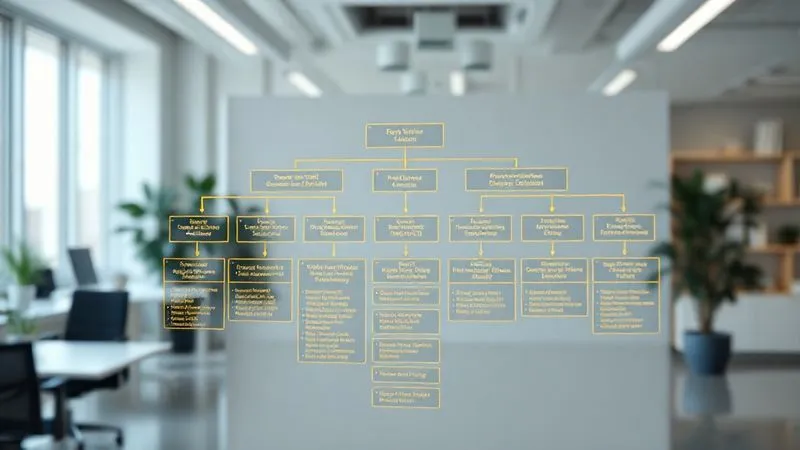
2. Identifying High-Potential Talent: Beyond Performance Reviews
Once you know what roles and competencies are critical, the next step is to identify individuals within your organization who possess the potential to fill these roles. This process goes far beyond looking at past performance reviews alone.
Defining 'High-Potential' Objectively
In my experience, a common pitfall is to equate 'high-performance' with 'high-potential.' While related, they are distinct. A high-performer excels in their current role, but a high-potential employee demonstrates the capacity, aspiration, and engagement to succeed in more senior or complex roles in the future.
Develop clear, objective criteria for what constitutes 'high-potential' in your organization. This often includes attributes like learning agility, strategic thinking, leadership capabilities, influence, and resilience.
Utilizing Assessment Tools and Behavioral Insights
To identify true high-potential talent, you need a multi-faceted approach. Relying solely on a manager's subjective opinion can lead to bias and missed opportunities. Instead, I advocate for a combination of methods:
- Define Clear Criteria: Establish specific, measurable indicators for high potential that align with your critical competencies.
- Use Multiple Data Points: Look beyond annual reviews. Gather input from 360-degree feedback, project performance, peer nominations, and self-assessments.
- Involve Multiple Stakeholders: Engage senior leaders, HR business partners, and even cross-functional managers in the identification process to gain diverse perspectives.
- Assess Potential, Not Just Performance: Utilize validated assessment tools, such as behavioral interviews, simulations, and psychometric tests, to evaluate an individual's capacity for growth, learning agility, and leadership potential.
- Create a Talent Matrix: A 9-box grid (performance vs. potential) is a classic, yet effective, tool for visually mapping your talent pool and identifying individuals ready for development.
“True high-potential isn't just about current performance; it's about future capacity and adaptability. It's the ability to thrive in uncertainty and lead through complexity.”
3. Developing Your Talent Pipeline: Growth, Not Just Replacement
Identifying high-potential talent is only the beginning. The real work, and where value is truly created, lies in actively developing these individuals. A proactive succession plan focuses on growth, not merely on finding replacements.
Personalized Development Plans (PDPs)
Every high-potential employee should have a personalized development plan (PDP). These aren't generic training programs; they are bespoke roadmaps designed to bridge skill gaps and cultivate the competencies needed for future critical roles. I've found that the most effective PDPs are co-created with the employee, ensuring buy-in and ownership.
Key components of a robust PDP often include formal training, executive coaching, stretch assignments, cross-functional projects, and external learning opportunities. The goal is to provide diverse experiences that broaden their perspective and capabilities.
Mentorship and Sponsorship Programs
Mentorship and sponsorship are invaluable for accelerating talent development. A mentor provides guidance, shares wisdom, and helps navigate career challenges. A sponsor, on the other hand, is a senior leader who actively advocates for their protégé, opening doors to opportunities and championing their advancement.
Establishing formal programs for both can significantly enhance your talent pipeline. It provides your high-potential employees with critical support and visibility, while also engaging senior leaders in the development process. For more insights into effective talent development, I often refer to resources like the Harvard Business Review on Talent Management.
| Component | Description |
|---|---|
| Skill Gap Analysis | Identify specific skills needed for future roles vs. current capabilities. |
| Learning & Development | Curated courses, workshops, and certifications. |
| Stretch Assignments | Projects that push individuals beyond their comfort zone. |
| Mentorship/Sponsorship | Guidance and advocacy from senior leaders. |
| Feedback & Coaching | Regular, constructive feedback for continuous improvement. |
4. Engaging and Retaining Key Talent During Transition
Even with the best development plans, if your key talent isn't engaged and doesn't see a future with your organization, you risk losing them. A proactive succession plan inherently includes strategies for retention, especially as individuals move into new roles or prepare for future ones.
Transparent Communication and Career Pathing
One of the most powerful retention tools is transparent communication about career opportunities. High-potential employees, by their very nature, are ambitious. They want to know there's a clear path for growth within your company. Regular, honest conversations about their potential trajectory, the skills they need to acquire, and the support they'll receive can significantly boost engagement.
Creating clear career pathing documents or discussions shows employees that their future is valued and considered. This proactive approach helps prevent talent loss by giving individuals a compelling reason to stay and invest their future with your organization.
Creating a Culture of Continuous Learning
Top talent is drawn to organizations that prioritize continuous learning and development. Beyond formal PDPs, foster a culture where learning is embedded in daily work. This includes encouraging experimentation, providing access to diverse learning resources, and celebrating knowledge sharing.
When employees feel that their growth is a shared responsibility and that the organization is investing in their future, their loyalty and commitment deepen. This culture not only aids succession planning but also makes your organization an attractive place for external talent.

5. The Role of Technology: Streamlining Succession Planning
In today's complex HR landscape, technology is not just a tool; it's a strategic enabler for effective succession planning. Trying to manage intricate talent data manually is inefficient and prone to error, hindering your ability to build a proactive HR succession plan to prevent talent loss.
Leveraging HRIS and Talent Management Systems
Modern Human Resources Information Systems (HRIS) and dedicated Talent Management Systems (TMS) are indispensable. These platforms allow you to centralize employee data, track skills, competencies, performance, and development progress. They can house your 9-box grid, manage PDPs, and even map potential successors to critical roles.
The ability to quickly access comprehensive, up-to-date talent profiles drastically improves the efficiency and accuracy of your succession planning efforts. It moves you from guesswork to data-driven decisions.
Data Analytics for Predictive Insights
Beyond simple data storage, advanced HR technology offers powerful analytics capabilities. You can use data to identify trends in talent movement, predict potential flight risks, and understand the effectiveness of your development programs. This predictive insight is crucial for a truly proactive approach.
For instance, by analyzing employee engagement scores, tenure in role, and development participation, you might identify patterns that indicate a higher likelihood of departure. This allows you to intervene with targeted retention strategies *before* a key employee resigns. Staying abreast of these technological advancements is key, and I often recommend reviewing resources like Deloitte's Human Capital Trends for the latest insights.
6. Mitigating Risks: Emergency Succession and Contingency Planning
While developing a pipeline for planned transitions is vital, a truly proactive HR succession plan also accounts for the unexpected. Life happens, and key individuals can depart suddenly due to illness, resignation, or unforeseen circumstances. This is where emergency succession and contingency planning come into play.
Building a 'Bench' for Critical Roles
For every critical role, you should ideally have not just one, but at least two or three potential successors identified and in various stages of development. This creates a 'bench' of ready talent, significantly reducing the risk associated with a sudden vacancy. I've often seen organizations caught off guard because they focused on a single successor who then decided to leave.
The goal isn't just to have someone *who could* do the job, but someone who is actively being prepared for it. This might involve cross-training, job shadowing, or temporary assignments to broaden their experience.
Scenario Planning for Unexpected Departures
Engage in scenario planning exercises with your leadership team. Ask 'what if' questions: What if our Head of R&D leaves tomorrow? What if our top sales executive is poached by a competitor? For each critical role, outline a contingency plan that includes:
- Immediate interim solutions.
- Accelerated development paths for identified successors.
- A strategy for external recruitment, if necessary, in parallel.
This foresight minimizes panic and ensures a smoother transition during high-stress situations. It's a critical component of how to build a proactive HR succession plan to prevent talent loss effectively.
“A robust succession plan isn't just about who's next in line; it's about having multiple viable options for every critical position, ensuring organizational continuity no matter what comes your way.”

7. Continuous Review and Adaptation: The Dynamic Nature of Succession
A succession plan is not a static document you create and then file away. It's a living, breathing strategy that requires continuous review and adaptation. The business environment, your strategic priorities, and your talent pool are constantly evolving, and your succession plan must evolve with them.
Regular Audits and Feedback Loops
I recommend conducting a comprehensive review of your succession plan at least annually, and more frequently for critical roles or during periods of significant organizational change. This audit should assess:
- The readiness of identified successors.
- The effectiveness of development plans.
- Any changes in critical roles or competencies.
- Feedback from participants, managers, and senior leaders.
Establish clear feedback loops to continuously refine your processes and ensure your plan remains relevant and effective.
Adapting to Market Changes and Organizational Shifts
The external market for talent is always shifting. New skills emerge, industries transform, and economic conditions fluctuate. Your succession plan must be agile enough to adapt to these changes. Regularly scan the external talent landscape and adjust your internal development programs accordingly.
Similarly, internal organizational shifts – mergers, acquisitions, restructuring, or new strategic directives – will necessitate a re-evaluation of your critical roles and talent needs. A proactive succession plan is inherently flexible and responsive, ensuring it continues to prevent talent loss by addressing future demands. Resources like Forbes Leadership articles often provide excellent perspectives on adapting to market dynamics.
| Checklist Item | Status |
|---|---|
| Annual Strategic Alignment Review | Completed |
| Talent Pool Assessment Update (Quarterly) | In Progress |
| Development Plan Efficacy Check | Completed |
| Market Trend Analysis for Competencies | Scheduled |
| Feedback from Stakeholders & Participants | Ongoing |
Case Study: How InnovateTech Secured Its Future Leadership
InnovateTech, a mid-sized software development firm, faced a looming crisis: their highly respected CTO, a foundational figure, announced his retirement within 18 months. Historically, the company had relied on external hires for senior roles, leading to significant disruption and knowledge loss.
Recognizing the urgency, InnovateTech's HR team, guided by a new proactive approach, immediately launched a succession planning initiative. They identified two high-potential engineering managers, Alex and Brenda, as potential successors. Over the next 18 months, both were given personalized development plans including executive coaching, leadership training, and stretch assignments leading critical cross-functional projects.
Alex was assigned to lead a new product development initiative, gaining experience in strategic planning and stakeholder management, while Brenda was tasked with optimizing the existing tech stack, enhancing her operational leadership and technical architecture skills. Both were mentored by the outgoing CTO, ensuring a direct transfer of institutional knowledge and leadership philosophy. The result was a seamless transition, with Brenda stepping into the CTO role upon retirement, supported by Alex who moved into a newly created Head of Architecture position. This proactive planning prevented significant talent loss, maintained morale, and ensured InnovateTech's continued innovation without interruption.
Frequently Asked Questions (FAQ)
How often should we review our succession plan? I recommend a comprehensive review at least annually, but more frequent check-ins (quarterly or bi-annually) are crucial for critical roles or during periods of rapid organizational change. This ensures the plan remains agile and responsive to evolving business needs and talent dynamics.
What if we don't have enough internal talent for critical roles? This is a common challenge. If internal talent is insufficient, your proactive plan should include external sourcing strategies in parallel with internal development. Consider leadership development programs, external networking, and even strategic acquisitions to bring in needed talent. It also highlights an opportunity to invest more deeply in your internal talent development programs for the future.
How do we get leadership buy-in for succession planning? Leadership buy-in is paramount. Frame succession planning not just as an HR initiative, but as a critical business imperative for risk mitigation, strategic continuity, and competitive advantage. Present data on the costs of talent loss, showcase potential future leaders, and involve senior leaders directly in identifying critical roles and assessing talent. Their active participation is key.
Is succession planning only for senior roles? Absolutely not. While executive succession often gets the most attention, a truly robust plan extends to all critical roles within the organization, including mid-management, specialized technical positions, and even key individual contributors. Losing talent at any level can create significant operational bottlenecks and prevent talent loss across the board.
How can small businesses implement succession planning effectively? Small businesses can adapt these principles. Focus on identifying 2-3 critical roles, even if they're not executive. Emphasize cross-training, mentorship (even informal), and creating opportunities for employees to take on new responsibilities. While formal systems might be limited, the core principles of identifying, developing, and retaining key talent remain the same.
Key Takeaways and Final Thoughts
Building a proactive HR succession plan to prevent talent loss is not a one-time project; it's an ongoing, strategic imperative. It demands foresight, commitment, and a deep understanding of both your organizational goals and your people's potential. Here are the critical takeaways:
- Strategic Alignment: Your succession plan must directly support your long-term business objectives.
- Holistic Identification: Look beyond current performance to identify true high-potential talent through diverse assessments.
- Continuous Development: Invest in personalized development plans, mentorship, and opportunities for growth.
- Risk Mitigation: Plan for both expected and unexpected departures with robust contingency strategies.
- Agile & Data-Driven: Leverage technology and continuously review and adapt your plan to remain relevant.
By embracing these principles, you're not just filling future vacancies; you're actively cultivating a resilient, adaptable, and future-ready workforce. This proactive approach will not only prevent critical talent loss but also foster a culture of growth, stability, and sustained success for your organization.
Recommended Reading
- Why Your Sales KPIs Aren't Driving Revenue: 7 Critical Fixes
- 7 Proven Steps: Overcoming Employee Resistance to Lean Manufacturing Changes
- 7 Critical Leadership Skills for Navigating AI-Driven Disruption
- 7 Steps to Uncover & Eradicate Chronic Process Bottlenecks
- 7 Strategies: Communicate Tough Decisions Without Demotivating Your Team





Comments
Leave a comment below. Your email will not be published. Required fields marked with *