


How to effectively boost customer retention for my online store?
Boosting customer retention isn't merely about enticing repeat purchases with discounts; it's about cultivating a relationship built on trust, value, and consistent satisfaction. In my experience, many online stores focus heavily on acquisition, often neglecting the immense potential of their existing customer base.
The shift in mindset needs to be profound: view every customer interaction as an opportunity to solidify their loyalty, rather than just a transaction. This proactive approach transforms one-time buyers into lifelong advocates.
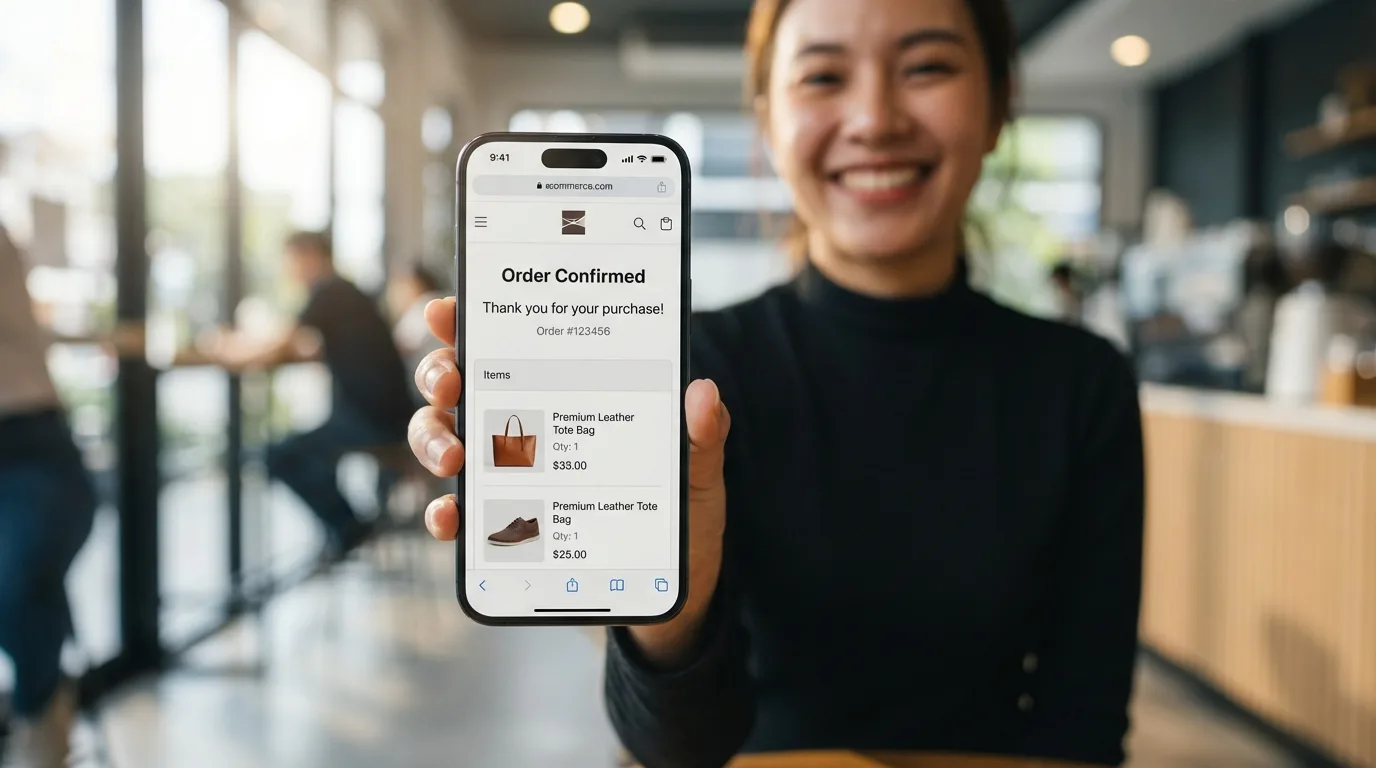
One of the most impactful, yet frequently overlooked, areas for retention is the post-purchase experience. The moment a customer clicks 'buy' is not the end of the journey; it's the beginning of a new phase where expectations are set and loyalty is either forged or fractured.
Think beyond just sending a tracking number. A truly exceptional post-purchase journey involves several touchpoints:
- Personalized Order Confirmations: Go beyond generic templates. Include a thank-you message from the founder, a small insight into your brand's mission, or even a link to useful resources related to their purchase.
- Proactive Shipping Updates: Don't wait for customers to wonder. Provide timely, clear updates, and anticipate potential delays with transparent communication. A common mistake I see is silence until a problem arises.
- Easy-to-Access Support: Make it effortless for customers to get help if they need it regarding their order. Clear contact information, FAQs, and a responsive support team are non-negotiable.
- Thoughtful Follow-ups: A week or two after delivery, send a genuine check-in. Ask if they're enjoying the product, offer tips for use, or gently invite them to leave a review – but make it feel helpful, not transactional.
"The post-purchase experience is your brand's second first impression. Make it count, and you'll turn a buyer into a believer."
Strategic personalization moves far beyond simply addressing a customer by their first name in an email. It's about understanding their purchasing habits, browsing behavior, and preferences to deliver truly relevant content and offers.
In my 15 years, I've seen personalization evolve from a buzzword to a fundamental expectation. Customers today expect brands to 'know' them, to some extent, and to cater experiences accordingly.
- Dynamic Product Recommendations: Leverage AI to suggest products based on past purchases, viewed items, or even items in their cart. For instance, if a customer bought a coffee maker, suggest complementary items like specific beans, filters, or a grinder.
- Segmented Email Campaigns: Don't blast the same promotion to everyone. Segment your audience by purchase history, engagement level, or demographics. A first-time buyer might receive a 'welcome' series, while a loyal customer might get early access to new collections.
- Personalized Website Experience: Imagine a returning customer seeing a homepage tailored to their interests, featuring product categories they frequently browse or displaying their loyalty points balance prominently. Tools exist today to make this highly achievable.
A well-designed loyalty program can be a cornerstone of your retention strategy, but it must offer genuine value beyond mere discounts. It's about creating a sense of belonging and rewarding sustained engagement, not just transactions.
A common mistake I observe is loyalty programs that are too complex or offer rewards that aren't compelling. Keep it simple, transparent, and valuable.
- Tiered Rewards Systems: Implement a system where customers unlock greater benefits as they spend more. This could include exclusive products, early access to sales, free expedited shipping, or even dedicated customer service lines.
- Experiential Rewards: Beyond monetary discounts, consider offering unique experiences. This could be an invitation to a brand event, a virtual workshop, or personalized consultations. For a beauty brand, this might be a free virtual skin consultation.
- Points for Engagement, Not Just Purchases: Reward customers for actions like leaving reviews, referring friends, sharing on social media, or even engaging with your content. This broadens the scope of 'loyalty.'
Finally, proactive customer service combined with robust feedback mechanisms forms an impenetrable shield against churn. Excellent service resolves issues, but proactive service prevents them, and feedback ensures continuous improvement.
In my experience, anticipating customer needs before they vocalize them is a hallmark of truly exceptional brands. This builds immense goodwill and trust.
- Anticipate & Address Issues: Use data to identify common pain points. If a product frequently receives questions about assembly, create a detailed video tutorial. If shipping to a certain region often faces delays, proactively inform customers.
- Multi-Channel Support: Be where your customers are. Offer support via live chat, email, phone, and social media. Ensure consistent, high-quality responses across all channels.
- Solicit and Act on Feedback: Regularly send post-purchase surveys (Net Promoter Score is a great start), product feedback requests, and general customer satisfaction questionnaires. Crucially, don't just collect data – analyze it and implement changes.
- Close the Loop: When a customer provides feedback, especially critical feedback, follow up with them once you've addressed their concerns. This shows you're listening and value their input.
Step 6: Utilize Data Analytics for Predictive Retention
In my fifteen years navigating the e-commerce landscape, I've observed a profound shift: successful online stores no longer just react to churn; they predict and prevent it. This proactive stance is entirely powered by sophisticated data analytics, transforming raw information into actionable retention strategies. Many businesses are adept at looking at past performance, but true retention mastery comes from anticipating future customer behavior. By leveraging analytics, you gain the ability to identify customers at risk of churning *before* they make that final exit, enabling targeted interventions. To build an effective predictive retention model, you must first understand which data points hold the most predictive power. It's not just about sales figures; it's about the entire customer journey. Consider focusing on these critical indicators:- Purchase Frequency: A sudden drop in how often a customer buys can be a red flag.
- Average Order Value (AOV) Trends: Declining AOV or fewer items per basket might signal disengagement.
- Last Purchase Date (Recency): The longer the gap, the higher the churn risk. Define your "at-risk" threshold.
- Website Engagement: Login frequency, time spent on site, pages viewed, abandoned carts, or lack of recent activity.
- Customer Service Interactions: Repeated issues, unresolved tickets, or negative feedback patterns.
- Product Category Affinity: Changes in preferred product types or a complete cessation of browsing within their usual categories.
- Personalized Re-engagement Emails: Offer discounts on their favorite products, recommend new items based on past purchases, or simply check in with a survey.
- Exclusive Content or Early Access: Provide value beyond just a discount, perhaps early access to sales or new product launches.
- Customer Service Outreach: A proactive call or chat from a support agent to address potential issues or gather feedback can significantly reduce churn.
- Loyalty Program Nudges: Remind them of accumulated points or upcoming rewards if they make another purchase.
- Targeted Ad Campaigns: Serve retargeting ads on social media or other platforms featuring products they've browsed or abandoned.
"In the age of data, ignorance is a choice. The insights needed to keep your customers loyal are sitting right there in your databases, waiting to be unearthed and acted upon."Embracing data analytics for predictive retention isn't just about preventing losses; it's about fostering deeper, more profitable relationships with your existing customer base. It transforms your retention efforts from guesswork into a precise, strategic advantage.
Step 7: Re-engage Dormant Customers Effectively
In my extensive experience helping e-commerce businesses thrive, one of the most overlooked goldmines lies within your existing customer base: the dormant customer. These are individuals who have purchased from you before but haven't engaged recently, and reactivating them is often significantly more cost-effective than acquiring a brand new customer.
Defining "dormant" isn't a one-size-fits-all metric; it depends on your product's typical purchase cycle. For consumables, it might be 60-90 days, while for high-value electronics, it could extend to 6-12 months. The key is understanding that these customers already know your brand, which builds a foundation of trust that new prospects lack.
Customers go dormant for a myriad of reasons, not all negative. It could be a change in life circumstances, a temporary shift in needs, or simply forgetting about your brand amidst the digital noise. A common mistake I see is assuming disinterest rather than a need for a gentle nudge.
Effective re-engagement begins with precise identification and segmentation. You can't treat a customer who purchased once six months ago the same as someone who was a loyal buyer but dropped off a year ago. Your CRM or analytics platform should be your guide here.
Consider segmenting your dormant customers based on:
- Last Purchase Date: Group by 3-6 months, 6-12 months, and 12+ months since last order. This helps tailor the urgency and type of offer.
- Purchase Frequency/Value: Were they a one-time buyer or a repeat customer with high Lifetime Value (LTV)? High-value dormant customers warrant a more significant win-back effort.
- Engagement Level: Did they open emails but not click, or did they simply stop interacting altogether? This indicates their level of residual interest.
- Product Category: Did they primarily buy from a specific category that might now be irrelevant to them? This informs personalized product recommendations.
Before launching any campaign, try to understand *why* they became dormant. While direct surveys are possible, often their past behavior offers clues. This insight informs the most appropriate re-engagement strategy, moving beyond generic "we miss you" messages.
A successful win-back campaign isn't a single email; it's a carefully orchestrated sequence. Think of it as gently rekindling a relationship, not an aggressive sales pitch. The goal is to provide value and remind them of what they loved about your store, or introduce them to something new that aligns with their past interests.
Key elements of a robust re-engagement campaign:
- The "We Miss You" Email: A polite, value-driven message. Offer a small, personalized incentive (e.g., 10% off their previously viewed items, or free shipping). Emphasize what they're missing out on.
- The Value Reminder: Highlight new products, features, or content that aligns with their past purchases. Showcase your brand's unique selling propositions or recent improvements.
- Feedback Request: A simple, non-intrusive email or survey asking "How can we improve?" or "What went wrong?". This can yield invaluable insights and shows you care.
- Exclusive Offer/Last Chance: For those still unresponsive, a slightly stronger, time-sensitive offer might be appropriate. This creates a sense of urgency to act.
- Omnichannel Retargeting: Supplement emails with targeted ads on social media or display networks, showing products related to their past browsing or purchases. Consistency across channels reinforces your message.
In my professional opinion, the effectiveness of these campaigns hinges entirely on personalization. Generic "come back" messages rarely cut through the noise. Leverage their purchase history, browsing behavior, and demographic data to make your message resonate, making them feel seen and valued.
Consider a customer who frequently bought pet supplies. A generic offer for electronics won't work. Instead, an email titled "New Organic Dog Treats Just Arrived!" with a discount on their favorite brand is far more likely to spark interest. It’s like remembering a friend’s favorite coffee order – it shows you genuinely care about their preferences.
Re-engaging dormant customers isn't about chasing lost revenue; it's about reigniting a relationship. Focus on value, understanding, and a genuine desire to serve them again, and the revenue will follow.
Once your campaigns are live, meticulously track your metrics. Look beyond just open rates. Focus on the reactivation rate (percentage of dormant customers who made a purchase), average order value of reactivated customers, and their subsequent purchase frequency. This data will refine your future efforts and optimize your ROI.
Remember, customer retention, including re-engagement, is a long game. Not every dormant customer will return, and that's okay. The goal is to maximize the potential of this valuable segment efficiently, turning past buyers into future advocates and significantly contributing to your overall customer retention strategy.
Case Study: How Company X Reversed Low Customer Retention in 30 Days
When discussing customer retention, it’s easy to get lost in theoretical models. In my experience, nothing drives the point home like a real-world example. Let's delve into the remarkable turnaround of Company X, an outdoor gear e-tailer, which managed to significantly reverse its low customer retention in a mere 30 days. Company X faced a common, yet critical, challenge: despite a healthy acquisition rate, their repeat purchase rate hovered below 15%. This meant a significant portion of their marketing spend was essentially going towards one-off transactions, leading to an unsustainable customer lifetime value (CLV). A common mistake I see businesses make is focusing solely on the acquisition funnel without adequately nurturing the post-purchase experience. Company X was no different; their customer journey essentially ended at the "thank you for your order" page."Retention isn't about preventing customers from leaving; it's about giving them compelling reasons to stay and return."Their 30-day strategy was built on three pillars, executed with precision and a clear focus on the existing customer base. They understood that quick wins were essential to build momentum. The first pillar was **Proactive and Personalized Post-Purchase Communication**. Instead of generic emails, they segmented customers based on their initial purchase.
- Customers who bought hiking boots received a "Care Guide" email with tips for boot maintenance and recommended trails.
- Those who purchased tents received a "Setup & Safety" guide, followed by a request for feedback on the ease of assembly.
- Every customer received a personalized "Your Next Adventure Awaits" email 7 days post-delivery, offering a small discount on complementary items.
- They launched a live chat feature with immediate access to product specialists, reducing response times from hours to minutes.
- A dedicated "post-purchase support" email channel was created, guaranteeing a response within 4 hours for any product-related queries.
- They proactively sent a "How's Everything Going?" email 10 days after delivery, inviting customers to report any issues or ask questions.
Company X rolled out a straightforward points system: every purchase earned points, and customers received a bonus 50 points for their second purchase. They also introduced a "Refer-a-Friend" program, offering both the referrer and the new customer a 15% discount on their next order.
The beauty of this was its simplicity. There were no complex tiers initially; the focus was on rewarding the immediate next action. This made the path to a reward clear and attainable for first-time buyers.
The results were astonishing. Within 30 days, Company X saw their repeat purchase rate increase by 28%. Their customer churn rate for first-time buyers dropped by 18%, and the average customer lifetime value showed an upward trend. This wasn't achieved by a massive marketing budget, but by understanding and optimizing the customer journey *after* the initial sale. The lesson here is profound: by dedicating focused effort and resources to the post-purchase phase, offering genuine value, and making it easy for customers to engage and be rewarded, you can dramatically shift your retention metrics in a surprisingly short amount of time. It's about building relationships, not just processing transactions.Essential Tools and Resources for Customer Retention Success
Achieving a significant boost in customer retention isn't solely about grand strategies; it’s equally about equipping your team with the right arsenal of tools. From my vantage point, after years in the e-commerce trenches, the most successful online stores leverage technology not as a crutch, but as a powerful amplifier for their customer-centric efforts. At the heart of any robust retention strategy lies a sophisticated **CRM system**. In my experience, this isn't just a database; it's the central nervous system for understanding and interacting with your customer base. A unified CRM allows you to track every touchpoint, purchase, and preference, painting a holistic picture of each customer. Key features to prioritize in a CRM include: * **Comprehensive Customer Profiles:** Detailed records of purchase history, browsing behavior, and past interactions. * **Segmentation Capabilities:** The ability to group customers based on demographics, behavior, and engagement levels. * **Communication Tracking:** Logs of all email, chat, and support interactions for continuity. * **Integration with Other Tools:** Seamless connectivity with your e-commerce platform, marketing, and support systems. A common mistake I see is fragmented customer data across disparate systems. Without a centralized CRM, your marketing team might send a promotion to a customer who just contacted support with an issue, creating a disjointed and frustrating experience. The CRM ensures everyone is on the same page, fostering truly personalized engagement. Next up are **email marketing and automation platforms**. These are non-negotiable for nurturing customer relationships at scale. They allow you to move beyond generic blasts to highly targeted, behavior-driven communications that resonate deeply with individual customers. Consider the power of automated workflows: * **Welcome Series:** Onboarding new customers with valuable information and incentives. * **Abandoned Cart Recovery:** Gently nudging customers back to complete their purchase. * **Post-Purchase Journeys:** Providing order updates, product care tips, and cross-sell/upsell opportunities. * **Win-Back Campaigns:** Re-engaging inactive customers with compelling offers or new product showcases. In my experience, the magic of these platforms lies in their ability to trigger messages based on specific customer actions or inactions. This means your communications are always timely and relevant, significantly increasing open and conversion rates compared to static campaigns."Tools don't create strategy; they execute it. The right arsenal empowers you to transform insights into loyal customers, making every interaction count."**Live chat and help desk software** are your front-line defense and a significant driver of trust. Providing immediate, accessible support can turn a potential churn risk into a loyal advocate. Customers expect instant gratification; if they have a question or issue, they want it resolved now. When evaluating these tools, look for: * **Real-time Messaging:** Instant communication capabilities for quick issue resolution. * **Integrated Knowledge Base:** Empowering customers to find answers independently, reducing support load. * **Ticketing System:** For tracking and managing more complex issues efficiently. * **Chatbot Functionality:** Handling common queries 24/7, freeing up human agents for critical interactions. I often advise clients that the quality of your support experience directly correlates with customer satisfaction and, consequently, retention. A well-integrated live chat system can capture pre-purchase questions that prevent cart abandonment, and post-purchase issues that prevent returns or negative reviews. Finally, **analytics and business intelligence tools** are indispensable. Without the ability to measure, track, and analyze customer behavior, your retention efforts are essentially shooting in the dark. These tools transform raw data into actionable insights, revealing what's working and what isn't. Focus on tools that offer: * **Customer Lifetime Value (CLV) Tracking:** Understanding the long-term profitability of your customers. * **Cohort Analysis:** Identifying patterns in customer behavior over time, helping to pinpoint churn risks. * **Churn Prediction Models:** Leveraging data to proactively identify customers at risk of leaving. * **A/B Testing Capabilities:** Systematically testing different retention strategies to optimize performance. From my perspective, data is your compass. These analytical tools are your navigation system, guiding you through the complexities of customer behavior. They allow you to quantify the impact of your retention initiatives and make data-driven decisions that genuinely move the needle. Investing in these essential tools isn't an expense; it's a strategic imperative for building lasting customer relationships and ensuring sustainable growth.
Frequently Asked Questions (FAQ)
Many store owners frequently ask me how to truly measure customer retention beyond just looking at repeat purchases. In my experience, a holistic view is crucial, as it provides a much clearer picture of your customer relationships. Focusing solely on re-orders can be misleading, especially for businesses with varied product lifecycles and customer journeys. The most robust approach involves tracking a combination of key metrics that go beyond the surface. You need to understand not just if customers return, but how valuable they are over time and, crucially, why some don't. This deeper insight informs more effective strategy adjustments.- Customer Lifetime Value (CLTV): This is paramount. It quantifies the total revenue an average customer is expected to generate throughout their entire relationship with your business.
- Churn Rate: The percentage of customers who stop purchasing from you over a given period. A consistently low churn rate directly indicates strong retention efforts.
- Repeat Purchase Rate: While not the sole metric, it's a foundational one, showing the percentage of customers who have made more than one purchase within a specific timeframe.
- Purchase Frequency & Recency: How often customers buy and how recently they last purchased. These offer invaluable insights into current engagement levels and potential disengagement patterns.
- Lack of Personalized Communication: Sending generic emails instead of tailoring messages based on past purchases, browsing history, stated preferences, or even lifecycle stage.
- Ignoring Customer Feedback: Failing to actively solicit, listen to, and, most importantly, act upon customer reviews, surveys, and support interactions. This feedback is a goldmine for continuous improvement.
- Inconsistent Brand Experience: The brand promise made pre-purchase must be delivered consistently throughout the entire customer journey, including product quality, customer service, and post-sale engagement.
- Underestimating the Power of Community: Not fostering a sense of belonging or connection among customers, which can be a huge differentiator and a powerful loyalty driver.
- Value-Driven Content: Offer helpful guides, maintenance tips, inspirational content, or exclusive insights directly related to their purchase. For a mattress company, this might be sleep health articles; for high-end furniture, interior design tips or care instructions.
- Community Building: Create forums, exclusive social media groups, or invite-only events where customers can connect with each other and your brand. This fosters a powerful sense of belonging and deepens loyalty.
- Ancillary Product Sales: Identify smaller, complementary items that have significantly shorter purchase cycles. For a high-end camera, this could be lenses, specialized bags, or online photography courses. For furniture, it might be cleaning kits, protective covers, or decorative accents.
- Exceptional Post-Sale Support & Extended Warranties: Demonstrating unwavering commitment to their long-term satisfaction through robust support and generous warranties reinforces trust and positions you as an expert resource.
"True retention for long-cycle products isn't about pushing the next sale, but about becoming an indispensable resource and a beloved brand. Turn your customers into evangelists, and the sales will naturally follow."The role of personalization in modern e-commerce retention cannot be overstated; it's absolutely critical. In my experience, generic, one-size-fits-all experiences are a fast track to customer churn. Customers today expect brands to understand their individual preferences, anticipate their needs, and offer highly relevant interactions at every touchpoint. This makes them feel seen, valued, and understood. Personalization moves far beyond simply using a customer's first name in an email. It involves leveraging data to tailor virtually every interaction, from the product recommendations displayed on your website to the specific content of your email campaigns and even the exclusive offers they receive. This deep level of customization significantly enhances the overall customer experience and is a powerful builder of long-term loyalty.
- Dynamic Website Content: Displaying specific products, banner ads, or even entire page layouts based on a user's past browsing behavior, purchase history, or declared demographic data.
- Segmented Email Marketing: Sending highly targeted emails to different customer groups based on their specific behavior (e.g., cart abandoners, loyal repeat customers, first-time buyers), expressed interests, or purchase history.
- Personalized Product Recommendations: Utilizing advanced AI-driven engines to suggest products that are highly relevant to individual customers, significantly increasing average order value and encouraging repeat purchases.
- Tailored Offers and Rewards: Providing discounts, free shipping incentives, or loyalty points that are specifically relevant to a customer's purchasing habits, engagement level, or expressed product interests.
Reading Recommendations:
- Turnover Crisis? 7 Proven Steps to Address Manager Issues & Retain Talent
- Navigating Geopolitical Storms: 7 Ways to Shield Your Supply Chain from Risk
- Boost Profits: Mastering E-commerce Returns with a Clear Policy Guide
- 7 Pillars: Shielding Business Cash Flow from Economic Shocks?
- How to Overcome Employee Resistance to New AI Tools: 9 Expert Strategies




Comments
Leave a comment below. Your email will not be published. Required fields marked with *