


How to Engage Skeptical Stakeholders in Authentic CSR Dialogue?
For over 15 years in Corporate Social Responsibility (CSR), I've witnessed firsthand how even the most well-intentioned initiatives can falter, not due to lack of effort, but because companies fail to genuinely connect with their most critical audiences. I've seen countless organizations invest heavily in programs, only to be met with a wall of skepticism, leading to accusations of greenwashing and a complete erosion of trust.
The core problem isn't usually a malicious intent from stakeholders; rather, it’s a deep-seated cynicism born from past disappointments, opaque communication, and a perceived disconnect between corporate rhetoric and real-world action. This skepticism is a formidable barrier, turning what should be collaborative dialogue into a defensive monologue, hindering progress and undermining the very purpose of CSR.
In this definitive guide, I will share the frameworks, practical tools, and expert insights I’ve developed and refined to transform skepticism into active engagement. You'll learn how to approach your most critical stakeholders, understand their concerns, and build a foundation of trust that enables truly authentic CSR dialogue, leading to sustainable impact and enhanced corporate reputation.
Understanding the Roots of Skepticism: More Than Just Cynicism
Before we can effectively engage skeptical stakeholders, we must first understand the origins of their doubt. It's rarely a simple case of inherent negativity; often, it's a rational response to historical patterns, unmet expectations, or a lack of transparent information.
Historical Context and Trust Deficits
Many stakeholders, particularly NGOs, community groups, and even employees, have long memories. They recall instances of corporate missteps, unfulfilled promises, or initiatives that felt more like public relations stunts than genuine commitments. This history creates a significant trust deficit that must be acknowledged and actively worked to overcome.
Misaligned Expectations and Communication Gaps
Skepticism also arises when there's a disconnect between what a company says it's doing and what stakeholders expect or perceive. Ambiguous language, vague commitments, or a failure to address specific community concerns can quickly breed mistrust. When communication is one-sided or fails to invite genuine feedback, it reinforces the idea that the company isn't truly listening.
"Skepticism isn't the enemy of CSR; it's an opportunity. It forces us to be more rigorous, more transparent, and ultimately, more impactful. Embrace the questions, for they lead to deeper understanding." - My personal insight.
To effectively engage, we must recognize that skepticism can stem from:
- Past Negative Experiences: Prior corporate actions that eroded trust.
- Perceived Greenwashing: Concerns that CSR is merely superficial marketing.
- Lack of Transparency: Insufficient data or unclear reporting on impact.
- Misaligned Values: A belief that the company's core business conflicts with its CSR claims.
- Unaddressed Concerns: Stakeholders feeling unheard or ignored.
The Foundational Pillar: Radical Transparency and Data-Driven Honesty
The most potent antidote to skepticism is radical transparency. It’s about opening your books, sharing your challenges as well as your successes, and backing every claim with verifiable data. This isn't just good practice; it's non-negotiable for building trust.
I've always advised clients that honesty about shortcomings can be more powerful than exaggerated successes. It signals integrity and a commitment to continuous improvement, which resonates deeply with skeptical audiences.
- Comprehensive Disclosure: Go beyond legal requirements. Report on environmental impact, labor practices, supply chain ethics, and governance in detail.
- Independent Verification: Engage third-party auditors or certifiers for your CSR reports. This adds an invaluable layer of credibility. According to a Deloitte study, assurance on sustainability reporting significantly enhances stakeholder confidence.
- Open Data Access: Where feasible and appropriate, make raw data available. This empowers stakeholders to draw their own conclusions and reduces accusations of cherry-picking information.
- Acknowledge Challenges: Don't hide failures or areas for improvement. Articulate what went wrong, what lessons were learned, and what steps are being taken to rectify the situation.
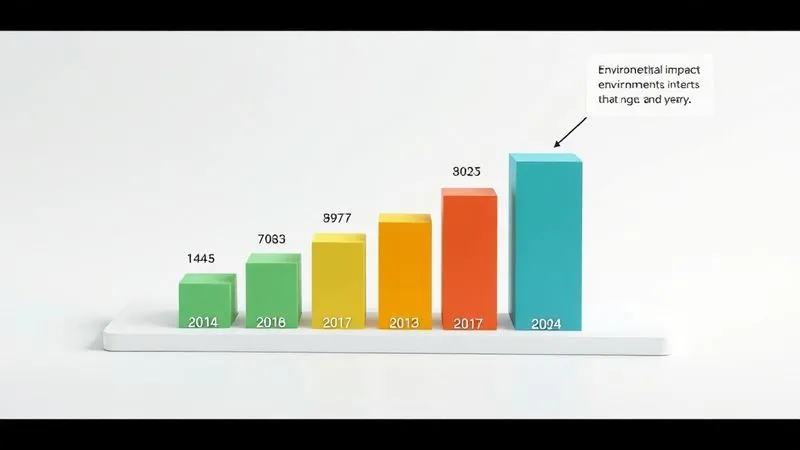
Visualizing your progress, both positive and challenging, helps to convey transparency in an accessible manner. Data visualization can transform complex information into understandable insights, fostering trust.
Building Bridges, Not Walls: Proactive Stakeholder Mapping and Segmentation
Not all skeptical stakeholders are alike. Their motivations, influence, and concerns vary widely. A one-size-fits-all approach to engagement will inevitably fail. Effective engagement begins with thorough stakeholder mapping and segmentation.
Identifying Key Stakeholder Groups
Start by identifying all groups that are impacted by, or can impact, your CSR initiatives. This includes employees, customers, investors, suppliers, local communities, NGOs, government regulators, media, and even competitors. Each group will have a unique perspective and level of interest.
Assessing Influence, Interest, and Stance
Once identified, categorize them based on their influence over your operations, their level of interest in your CSR activities, and their current stance (supportive, neutral, skeptical, or antagonistic). This matrix helps prioritize and tailor your engagement strategies.
As Seth Godin often emphasizes in his work on marketing and influence, understanding your audience's worldview is paramount. For skeptical stakeholders, this means understanding their specific pain points and underlying concerns, not just their surface-level objections.
| Stakeholder Group | Influence Level | Interest Level | Stance | Engagement Strategy |
|---|---|---|---|---|
| Local Community Leaders | High | High | Skeptical (due to past issues) | One-on-one meetings, community forums, visible local investments |
| Environmental NGOs | High | High | Critical (demanding data) | Data sharing, joint fact-finding, regular technical briefings |
| Employees | Medium | High | Mixed (some engaged, some cynical) | Internal workshops, anonymous feedback channels, employee-led CSR projects |
| Investors | High | Medium | Neutral to Skeptical (focus on ROI) | Integrated reporting, demonstrating financial materiality of CSR |
Crafting a Compelling Narrative: Beyond Just Good Deeds
Skeptical stakeholders often view CSR as an add-on, a feel-good exercise separate from the core business. To counter this, your CSR narrative must clearly articulate how these initiatives are integral to your company's long-term strategy and success. It's about demonstrating value, not just virtue.
Connecting CSR to Core Business Value
Show how CSR mitigates risks (e.g., supply chain disruptions, regulatory fines), enhances brand reputation, attracts top talent, drives innovation, and ultimately contributes to financial resilience. This speaks directly to the pragmatic concerns of many stakeholders, particularly investors and business partners.
Authenticity Through Shared Values
Beyond the business case, connect your CSR efforts to a deeper purpose or shared values. What societal problem are you genuinely trying to solve, and why does it matter to your company? This moves the dialogue beyond transactional exchanges to a more meaningful, values-based conversation. A truly authentic story resonates far more than a list of achievements.
Case Study: How 'GreenTech Solutions' Transformed Skepticism into Partnership
GreenTech Solutions, a mid-sized renewable energy firm, faced significant skepticism from local environmental groups regarding the land use for their new solar farm project. Initial dialogue was confrontational, with accusations of ecological damage and profit over planet.
Recognizing the need for a shift, GreenTech implemented a strategy of radical transparency and active listening. They proactively shared detailed environmental impact assessments, invited NGO representatives to walk the proposed site with their ecologists, and even co-commissioned an independent biodiversity study. Instead of defending, they listened to specific concerns about water runoff and habitat disruption.
This led to GreenTech revising their plans to include extensive native planting and a new water management system, directly addressing the NGOs' feedback. The CEO personally attended community meetings, acknowledging past communication failures. This genuine effort transformed the relationship from adversarial to collaborative, with the NGOs eventually endorsing the revised project and becoming vocal supporters in the community. The project proceeded with broad local support, demonstrating that authentic dialogue, even with the most critical stakeholders, can lead to superior outcomes.
The Art of Active Listening: Creating Spaces for Genuine Dialogue
Engagement is a two-way street. It's not just about communicating your message; it's crucially about listening – truly listening – to what your skeptical stakeholders are saying. This means creating safe, inclusive spaces where concerns can be voiced without fear of dismissal.
- Establish Clear Channels: Provide multiple avenues for feedback – dedicated email addresses, community forums, anonymous suggestion boxes, or regular stakeholder roundtables.
- Facilitate Dialogue, Don't Dominate: In meetings, ensure that stakeholders have ample opportunity to speak. Your role is to understand their perspective, not to immediately defend your position.
- Practice Empathetic Listening: Try to understand the emotions and underlying values behind their statements. Acknowledge their feelings and validate their concerns, even if you don't immediately agree with their conclusions. As outlined in the Harvard Business Review, great listeners engage in a two-way conversation, asking questions and offering solutions.
- Summarize and Confirm: After a stakeholder speaks, paraphrase their points to ensure you've understood correctly. This shows you're paying attention and helps prevent misunderstandings.
- Follow Up: Always provide feedback on how their input has been considered and what actions (if any) will be taken. Even if you can't implement every suggestion, explain why.
Demonstrating Impact: Beyond Promises, Towards Verifiable Results
Skeptical stakeholders demand proof, not just promises. Your CSR dialogue must pivot from intentions to demonstrable impact. This requires robust measurement, clear reporting, and often, third-party validation.
Setting Measurable CSR Goals
From the outset, establish specific, measurable, achievable, relevant, and time-bound (SMART) goals for your CSR initiatives. For example, instead of "reduce carbon footprint," aim for "reduce Scope 1 and 2 carbon emissions by 20% by 2025 against a 2020 baseline."
Third-Party Verification and Reporting
Engage independent experts to verify your data and claims. This adds an external layer of credibility that your internal reports alone cannot provide. Adhere to internationally recognized reporting frameworks like GRI (Global Reporting Initiative) or SASB (Sustainability Accounting Standards Board). This ensures comparability and robustness.
Here's a simplified example of how to track and present key CSR impact metrics:
| Metric Category | Key Indicator | Baseline (2020) | Current (2023) | % Change |
|---|---|---|---|---|
| Environmental | GHG Emissions Reduction | 10,000 tonnes CO2e | 7,500 tonnes CO2e | -25% |
| Social | Employee Volunteer Hours | 500 hours | 1,200 hours | +140% |
| Governance | Board Diversity (Women) | 20% | 35% | +15% points |
| Community | Local Investment (USD) | $100,000 | $250,000 | +150% |
Sustaining Engagement: The Long Game of Trust-Building
Engaging skeptical stakeholders is not a one-time event; it's an ongoing process. Trust is built incrementally through consistent action and continuous dialogue. A long-term perspective is crucial for success in CSR.
Regular Communication and Feedback Loops
Maintain consistent communication, not just when you have good news to share. Regular updates, even on challenges, reinforce your commitment to transparency. Establish formal feedback loops to ensure stakeholders feel their input is valued over time. This continuous interaction helps to chip away at ingrained skepticism.
Adapting to Evolving Stakeholder Concerns
The landscape of social and environmental issues is constantly shifting. What concerned stakeholders five years ago might have evolved or been replaced by new priorities today. Remain agile and adapt your CSR strategies and engagement approaches to stay relevant and responsive to these evolving concerns. This proactive responsiveness demonstrates genuine care and foresight.
Frequently Asked Questions (FAQ)
Q: What if stakeholders refuse to engage or remain hostile? A: Persistence and patience are key. Start by understanding their specific points of resistance. Is it lack of trust, a feeling of being unheard, or genuine disagreement with your approach? Offer multiple, low-barrier entry points for dialogue. Sometimes, engaging a trusted third-party mediator can help bridge the gap. Focus on small, tangible actions that demonstrate your commitment, even if initial dialogue is limited.
Q: How do I balance multiple, often conflicting, stakeholder demands? A: This is a common challenge. Begin with a robust materiality assessment to identify the most significant issues for both your business and your stakeholders. Transparently communicate your prioritization process and the rationale behind your decisions. While you cannot satisfy everyone, you can show that all voices were heard and considered, and explain the trade-offs.
Q: Is it always necessary to share negative CSR data? Won't that damage our reputation? A: While it might feel counterintuitive, strategically disclosing challenges and failures, along with your plans to address them, often enhances credibility rather than damaging it. It demonstrates honesty and a commitment to improvement. Stakeholders are often more skeptical of companies that only report positive news. The key is to frame it as a learning opportunity and show proactive steps for remediation.
Q: How can I convince senior leadership of the importance of engaging skeptical stakeholders? A: Frame it in terms of risk management and long-term value creation. Highlight how unaddressed skepticism can lead to reputational damage, regulatory scrutiny, consumer boycotts, and difficulty attracting talent. Conversely, demonstrate how authentic engagement can unlock innovation, enhance brand loyalty, and secure a social license to operate, directly contributing to business resilience and profitability. Use data and real-world examples to illustrate these points.
Q: What's the difference between 'dialogue' and 'consultation' in CSR? A: Consultation often implies a one-way flow of information where the company seeks input on pre-defined plans. Dialogue, however, is a more open, two-way, and iterative process where both parties contribute to shaping the agenda and outcomes. Authentic CSR requires genuine dialogue, allowing for co-creation and mutual influence, rather than just seeking validation for existing plans.
Key Takeaways and Final Thoughts
Engaging skeptical stakeholders in authentic CSR dialogue is perhaps the most challenging, yet most rewarding, aspect of corporate responsibility. It demands more than just good intentions; it requires a strategic, empathetic, and relentlessly transparent approach.
- Prioritize Radical Transparency: Openly share data, both positive and negative, and seek third-party verification.
- Understand the 'Why': Delve into the specific reasons for stakeholder skepticism through thorough mapping.
- Craft a Connected Narrative: Link CSR to core business value and shared values, not just altruism.
- Master Active Listening: Create genuine spaces for two-way dialogue and feedback.
- Demonstrate Verifiable Impact: Show, don't just tell, with measurable goals and consistent reporting.
- Commit to the Long Game: Build trust incrementally through consistent engagement and responsiveness.
By embracing these principles, you won't just overcome skepticism; you'll transform it into a powerful catalyst for innovation, collaboration, and genuinely sustainable impact. The journey to authentic CSR dialogue is an investment in your company's future, fostering resilience and building a legacy of trust that truly endures.
Recommended Reading
- 7 Reasons Your Predictive Models Aren't Boosting ROI & How to Fix Them
- Unmasking the Truth: Overcoming Bias in Data-Driven Business Analytics
- Stop Diverse Talent Churn: 7 Strategies to Retain Top Performers Past Year One
- 7 Proven Strategies: Negotiate Sales Deals & Maximize Profit Margins
- Stop the Bleed: 7 Proven Fixes for Sales Funnel Qualification Drop-Offs





Comments
Leave a comment below. Your email will not be published. Required fields marked with *