


How to Ensure Consistent Operational Standards Across 5+ Franchise Units?
For over two decades in the franchising world, I've witnessed firsthand the exhilarating growth of successful multi-unit operators and the frustrating stumbles of those who couldn't maintain their stride. The initial euphoria of opening that fifth, sixth, or tenth unit often gives way to a gnawing anxiety: are all my locations truly delivering the same brand promise?
This challenge—ensuring consistent operational standards across 5+ franchise units—is a universal pain point. It's the silent killer of brand equity, customer loyalty, and ultimately, profitability. Each deviation, however small, chips away at the trust you've painstakingly built, risking customer confusion and diluting the very essence of your brand.
In this definitive guide, I'll share the proven frameworks, expert insights, and actionable strategies I've championed with countless franchisors and multi-unit franchisees. We'll explore how to build a robust system that not only standardizes operations but also empowers your teams, leverages technology, and fosters a culture of unwavering excellence across your entire network.
1. The Foundation: A Crystal-Clear Operations Manual
Before you can ensure consistency, you must first define it. Your operations manual isn't just a dusty binder; it's the DNA of your franchise, the blueprint for every single interaction, procedure, and expectation. In my experience, a vague or outdated manual is the primary culprit behind operational drift.
Actionable Steps to Build an Unassailable Ops Manual:
- Deconstruct Every Process: Break down every single task, from opening procedures to customer service protocols, into granular, step-by-step instructions. Think of it as writing a recipe that anyone, regardless of experience, could follow perfectly.
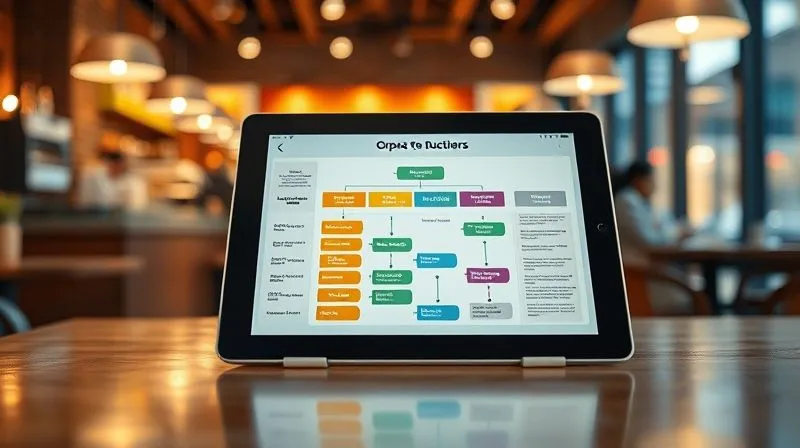
- Visual Aids are Non-Negotiable: Supplement text with flowcharts, diagrams, photos, and even short video tutorials. A picture truly is worth a thousand words when explaining complex machinery or intricate service steps.
- Regular Review and Updates: Operational environments are dynamic. Schedule annual, or even semi-annual, reviews of your manual. Involve veteran franchisees and frontline staff in this process; their insights are invaluable for identifying gaps and improving clarity.
- Accessibility is Key: Move beyond physical binders. Implement a cloud-based, easily searchable digital platform. This ensures every unit always has access to the most current version, anytime, anywhere.
A well-crafted operations manual, accessible and regularly updated, serves as the single source of truth for your entire franchise system, laying the groundwork for how to ensure consistent operational standards across 5+ franchise units.
2. Mastering Training: Beyond Onboarding to Continuous Development
A brilliant operations manual is useless without effective training. Many franchisors focus heavily on initial onboarding but neglect ongoing development. This is a critical mistake. Consistency isn't a one-time achievement; it's a continuous journey fueled by learning.
The Three Pillars of Effective Franchise Training:
- Initial Certification: Ensure every new franchisee and key manager undergoes a rigorous, standardized training program covering all aspects of the operations manual. This should include hands-on experience and a final assessment.
- Continuous Learning Modules: Develop bite-sized, online learning modules for specific new products, service updates, or refresher courses on core procedures. Make these mandatory and track completion.
- Peer-to-Peer Mentorship: Foster a culture where experienced franchisees can mentor newer ones. This informal learning often builds stronger bonds and reinforces best practices more effectively than top-down directives.
According to a study published in the Harvard Business Review, companies with comprehensive training programs achieve 218% higher income per employee. This underscores the direct link between investment in training and operational excellence.
3. Leveraging Technology: The Digital Backbone of Consistency
In today's fast-paced world, manual processes are the enemy of consistency, especially when managing multiple units. Technology offers scalable solutions to standardize everything from inventory management to customer engagement. I've seen franchise systems transform their consistency simply by embracing the right digital tools.
Key Technologies for Multi-Unit Consistency:
- Franchise Management Software (FMS): A centralized platform for communications, document sharing, task management, and performance tracking.
- Point-of-Sale (POS) Systems: Standardized POS systems ensure consistent pricing, promotions, and sales data collection across all units.
- Inventory Management Systems: Automated tracking and ordering reduce waste, ensure product availability, and maintain quality standards.
- Learning Management Systems (LMS): For delivering and tracking mandatory training modules and certifications.
"Technology isn't just about efficiency; it's about enforcing standards at scale without increasing manual oversight. It's the silent enforcer of your brand promise."
Consider the stark difference between manual and tech-driven processes:
| Aspect | Manual Process | Tech-Driven Process |
|---|---|---|
| Operations Manual Distribution | Emailing PDFs, printing binders | Cloud-based FMS with version control, instant updates |
| Training Delivery | In-person workshops, paper tests | LMS with interactive modules, automated tracking |
| Performance Monitoring | Monthly reports, manual data entry | Real-time dashboards, automated data aggregation |
| Communication | Email chains, phone calls | Centralized FMS portal, instant messaging, forums |
4. Audits & Feedback Loops: The Engine of Continuous Improvement
Even with the best manuals and training, operational drift is inevitable without a robust system for monitoring and correction. Regular audits, coupled with constructive feedback loops, are crucial for identifying inconsistencies early and addressing them proactively.
Implementing Effective Audit Programs:
- Scheduled and Unscheduled Audits: Conduct both announced, comprehensive audits and unannounced, spot-check visits. This provides a balanced view of day-to-day operations versus prepared performance.
- Standardized Checklists: Use detailed, objective checklists derived directly from your operations manual. This ensures consistency in the audit process itself.
- Constructive Feedback Sessions: Audits shouldn't be punitive. Frame them as opportunities for improvement. Follow up with a clear action plan, support, and resources for remediation.
- Franchisee Self-Audits: Empower franchisees to conduct their own internal audits using the same checklists. This fosters ownership and a proactive approach to maintaining standards.
Case Study: How 'FlavorBurst Coffee' Aligned 12 Units
FlavorBurst Coffee, a rapidly expanding regional chain with 12 units, faced declining customer satisfaction scores due to inconsistent drink quality and service speed. Their CEO, a former client of mine, implemented a rigorous audit program. They developed a comprehensive, digital audit checklist covering everything from espresso machine calibration to customer greeting protocols.
Initial audits revealed significant variations. Instead of penalties, FlavorBurst provided targeted retraining modules via their LMS and assigned regional coaches for hands-on support. Within six months, they saw a 15% increase in their average customer satisfaction score across all units, directly attributable to the improved consistency in product and service. This demonstrates precisely how to ensure consistent operational standards across 5+ franchise units through structured vigilance.

5. Culture & Communication: Fostering a Unified Franchisee Network
Consistency isn't just about rules and systems; it's about people. A strong, unified culture and open lines of communication are paramount for aligning multiple franchise units. When franchisees feel connected, valued, and understand the 'why' behind the standards, adherence becomes intrinsic rather than enforced.
Strategies for Cultivating a Cohesive Culture:
- Regular Communication Channels: Beyond formal emails, establish a franchisee portal, regular newsletters, and even a private social group. Share successes, best practices, and important updates.
- Franchisee Advisory Council: Create a council of experienced franchisees to provide input on system-wide initiatives, operational changes, and new product development. This fosters a sense of ownership.
- Annual Conferences & Regional Meetings: These events are vital for networking, sharing knowledge, and reinforcing brand vision. They build camaraderie and remind everyone they're part of something bigger.
- Transparent Performance Sharing: While protecting individual data, share aggregated performance metrics and celebrate top performers. This creates healthy competition and motivates improvement.
As Seth Godin often says, "People do not buy goods and services. They buy relations, stories, and magic." This applies equally to your franchisees. They buy into your vision, your support, and the community you build.
6. Incentivizing Excellence: Rewarding Adherence to Standards
While compliance is expected, recognizing and rewarding franchisees who consistently uphold high operational standards can significantly boost motivation and adherence. Positive reinforcement is a powerful tool for driving desired behaviors.
Effective Incentive Programs:
- Performance-Based Royalties/Rebates: Offer a small reduction in royalties or a rebate for units that consistently meet or exceed specific operational KPIs (e.g., audit scores, customer satisfaction, training completion rates).
- "Franchisee of the Year" Awards: Publicly recognize top-performing franchisees at conferences or through system-wide announcements. Highlight their best practices.
- Marketing Fund Allocation: Allocate additional local marketing funds or co-op advertising opportunities to units that demonstrate consistent excellence.
- Exclusive Opportunities: Offer top performers priority access to new product rollouts, pilot programs, or even additional territories for expansion.
These incentives create a positive feedback loop, encouraging continuous effort in maintaining high standards. This becomes a key component in how to ensure consistent operational standards across 5+ franchise units, moving beyond mere compliance to genuine commitment.
7. Strategic Leadership & Adaptability: Guiding the Multi-Unit Ship
Finally, the responsibility for consistent standards ultimately rests with strong leadership from the franchisor. This isn't about micromanagement; it's about providing a clear vision, unwavering support, and the flexibility to adapt while maintaining core principles.
Leadership Principles for Multi-Unit Consistency:
- Lead by Example: The franchisor team must embody the very standards they expect from franchisees. Consistency starts at the top.
- Be a Resource, Not Just a Regulator: Position your team as partners who are there to help franchisees succeed, not merely to police them.
- Adapt with Wisdom: While standards are crucial, the market evolves. Be open to feedback and adapt your systems when necessary, always communicating the 'why' behind changes.
- Focus on Key Performance Indicators (KPIs): Identify 3-5 critical KPIs that directly reflect operational consistency and brand health. Monitor these relentlessly and provide regular, transparent reports to franchisees.
A Forbes article on effective leadership in scaling businesses emphasizes the importance of a clear strategic vision and the ability to empower teams. For multi-unit franchising, this means empowering franchisees within a well-defined framework.

Navigating Challenges: Proactive Problem Solving
Even with the best systems, challenges will arise. A proactive approach to problem-solving is essential. This involves identifying potential roadblocks before they impact consistency and having a clear process for addressing them.
Common Challenges and Solutions:
- Franchisee Resistance to Change: Explain the benefits clearly, involve them in the decision-making process where appropriate, and provide ample support during transitions. Highlight how changes contribute to the overall brand strength and individual unit profitability.
- High Employee Turnover at Unit Level: This often leads to inconsistent service. Support franchisees with robust hiring guides, onboarding kits, and continuous training resources. Share best practices for employee retention across the network.
- Supply Chain Disruptions: Build redundancy into your supply chain where possible. Establish clear communication protocols for informing franchisees about potential shortages or substitutions and provide alternative solutions quickly.
- Technological Adoption Issues: Provide comprehensive training and ongoing technical support for all new systems. Highlight the ease of use and benefits to overcome initial resistance.
By anticipating these issues and having strategies in place, you can mitigate their impact on your operational consistency. This proactive stance is vital for any franchisor serious about how to ensure consistent operational standards across 5+ franchise units.
| Challenge | Solution Strategy | Key Tool |
|---|---|---|
| Varying Local Market Demands | Allow for minor, approved local adaptations within core brand guidelines. | Franchise approval process for local marketing/menu items |
| Difficulty Tracking Compliance | Implement digital audit tools and performance dashboards. | FMS with integrated audit module and KPI tracking |
| Lack of Franchisee Engagement | Foster community through advisory councils and regular network events. | Franchisee portal, annual conferences |
Frequently Asked Questions (FAQ)
How often should I update my operations manual? I recommend a formal review at least annually, but critical updates (e.g., new products, regulatory changes) should be pushed out immediately. A digital, cloud-based manual makes these updates seamless and ensures all units always have the latest version. Involve your franchisees in the review process for practical insights.
What if a franchisee consistently resists new standards? This is a delicate but crucial issue. First, ensure they understand the 'why' and the benefits of the new standard. Offer additional training and support. If resistance persists and impacts brand integrity, review your franchise agreement's compliance clauses. Sometimes, a frank conversation about their commitment to the brand system is necessary, escalating according to your legal framework.
How can I measure consistency effectively beyond audits? Beyond audits, leverage customer feedback (surveys, online reviews), standardized sales data (average transaction value, product mix), employee satisfaction surveys (reflects internal consistency), and mystery shopper programs. Consistent performance across these metrics provides a holistic view of operational adherence.
Is it possible to be too rigid with standards, stifling innovation? It's a fine balance. Core brand standards (e.g., product quality, service ethos, brand identity) should be non-negotiable. However, franchisors should create channels for franchisees to suggest innovations in non-core areas (e.g., local marketing tactics, operational efficiencies). A Franchisee Advisory Council is excellent for this, allowing for system-wide testing of promising ideas before broad implementation.
What role does technology play for smaller franchise systems with fewer units? Technology is equally, if not more, critical for smaller systems. It provides the infrastructure for scalability from day one. Implementing basic FMS, LMS, and standardized POS systems early on creates habits of consistency and makes it much easier to expand without encountering the operational chaos that often plagues growing multi-unit operations. It's an investment in future growth.
Key Takeaways and Final Thoughts
Ensuring consistent operational standards across 5+ franchise units is a complex, ongoing endeavor, but it is the bedrock of sustainable growth and brand longevity. It requires a multi-faceted approach, combining robust systems with strong leadership and a collaborative culture.
- Define Clearly: Your operations manual is your constitution.
- Train Continuously: Learning never stops, nor should development.
- Automate Smartly: Technology is your scalability partner.
- Monitor Diligently: Audits and feedback drive improvement.
- Communicate Openly: Foster a unified, engaged network.
- Incentivize Wisely: Reward excellence, don't just punish deviation.
- Lead Strategically: Provide vision, support, and adaptability.
As an industry veteran, I can tell you that the franchisors who master this challenge don't just survive; they thrive. They build brands that resonate, units that perform, and networks that stand the test of time. By implementing these strategies, you're not just enforcing rules; you're building a legacy of excellence. Now go forth and build that consistent, high-performing multi-unit empire!
Recommended Reading
- 7 Critical Steps: Avoid Trade Agreement Fines for Misclassified Goods
- Client Data Breach? 7 Immediate Steps to Protect Your Business & Trust
- Decoding Franchise Profit: 7 Expert Steps Beyond Franchisor Claims
- Unlock Innovation: How to Foster Psychological Safety for Risk-Taking Teams
- 7 Proven Ways to Minimize FX Risk in Large International Payments





Comments
Leave a comment below. Your email will not be published. Required fields marked with *