


How to Fix Declining Organic Traffic on E-commerce Product Pages?
For over 15 years in the trenches of e-commerce, I've witnessed a silent killer that can cripple even the most promising online stores: the insidious decline of organic traffic to product pages. It's a problem that often creeps up slowly, almost imperceptibly, before hitting you like a tidal wave when you check your analytics. Many businesses scramble, throwing money at ads or redesigns, without truly understanding the root cause.
The pain points are universal: reduced visibility, fewer potential customers discovering your offerings, and ultimately, a significant hit to your bottom line. It's frustrating to see your carefully curated products languish in the digital shadows, especially when you know their quality. This isn't just about losing a few clicks; it's about losing market share, customer trust, and the very momentum your business needs to thrive.
But here's the good news: this problem, while daunting, is entirely fixable. In this definitive guide, I'll share a proven, step-by-step framework – forged from years of hands-on experience and countless successful turnarounds – designed to diagnose, address, and reverse declining organic traffic on your e-commerce product pages. We'll delve into actionable strategies, real-world insights, and the precise techniques that will not only bring your traffic back but set you on a path for sustainable growth.
1. The Initial Diagnosis: Pinpointing the Drop's Root Cause
Before you can fix anything, you need to understand what's broken. This initial diagnostic phase is absolutely critical. I've seen too many businesses jump to conclusions, implementing solutions for problems they don't actually have. Let's start by becoming digital detectives.
Google Analytics & Search Console Deep Dive
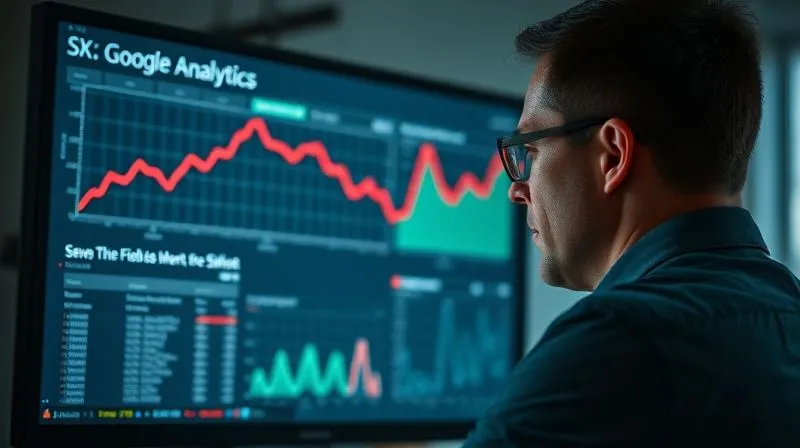
Your analytics platforms are your command center. Begin by segmenting your data. Look specifically at organic traffic to your product pages. Drill down into specific product categories or even individual product URLs. What patterns emerge? Are all product pages affected, or just a subset?
- Identify the Start Date: Pinpoint exactly when the decline began. This is crucial for correlating with external events like algorithm updates or internal changes.
- Compare Timeframes: Compare the declining period to an equivalent period immediately preceding it (e.g., month-over-month, year-over-year). Also, compare to the same period last year to account for seasonality.
- Examine Landing Pages: In Google Analytics, go to Behavior > Site Content > Landing Pages, and filter by organic traffic. Identify the specific product pages seeing the biggest drops.
- Check Google Search Console (GSC): GSC's Performance report is invaluable. Look at Queries, Pages, and Countries. Has your average position dropped for key product-related keywords? Are impressions down, or just clicks? A drop in impressions suggests a visibility issue, while a drop in clicks with stable impressions might indicate a CTR problem (e.g., poor meta descriptions).
Identifying Traffic Plateaus vs. Steep Drops
It's important to differentiate between a gradual plateau and a sudden, steep drop. A plateau might suggest increasing competition, evolving search intent, or simply a lack of ongoing optimization. A sudden drop, however, often points to a specific event:
- Google Algorithm Update: Did the decline coincide with a known Google core update? Tools like Search Engine Journal's algorithm history can help you cross-reference.
- Technical Issue: Was there a recent site migration, platform change, or server issue?
- Manual Penalty: Check GSC for any manual actions against your site.
- Competitor Activity: Have your competitors significantly upped their SEO game or launched aggressive campaigns?
2. Technical SEO Overhaul: Laying a Strong Foundation
Think of your e-commerce store as a house. If the foundation is crumbling, no amount of fancy paint (on-page SEO) will make it truly stable. Technical SEO is the bedrock of organic visibility, and often, declining traffic stems from fundamental technical issues.
Crawlability and Indexability Issues
If search engines can't find or understand your product pages, they can't rank them. It's that simple. Common culprits include:
- Robots.txt Blocking: Accidentally blocking product pages or entire sections of your site.
- Noindex Tags: Inadvertently adding `noindex` tags to live product pages.
- Canonicalization Problems: Incorrect canonical tags pointing to non-existent or irrelevant pages, confusing search engines about the authoritative version.
- Broken Internal Links: Leading crawlers down dead ends.
- XML Sitemaps: Outdated or incomplete sitemaps that don't list all your product pages.
Use GSC's 'Coverage' report extensively. It tells you exactly which pages are indexed, excluded, or have errors. I always recommend a thorough crawl audit using tools like Screaming Frog or Ahrefs Site Audit to uncover these hidden issues.
Site Speed and Core Web Vitals
Google has made it unequivocally clear: page experience matters. Slow-loading product pages not only frustrate users but also negatively impact your search rankings. Core Web Vitals (CWV) – Largest Contentful Paint (LCP), First Input Delay (FID), and Cumulative Layout Shift (CLS) – are now ranking factors.
- Optimize Images: Compress images without sacrificing quality. Use modern formats like WebP. Implement lazy loading.
- Minify Code: Reduce the size of your CSS, JavaScript, and HTML files.
- Leverage Caching: Implement browser caching and server-side caching.
- Use a CDN: A Content Delivery Network can dramatically speed up content delivery to users globally.
- Reduce Server Response Time: Choose a reliable hosting provider and optimize your server configuration.
Mobile-First Indexing & Responsive Design
Google primarily uses the mobile version of your site for indexing and ranking. If your product pages aren't mobile-friendly, you're at a severe disadvantage. Ensure your site is fully responsive, offering a seamless experience across all devices. Test your pages using Google's Mobile-Friendly Test and PageSpeed Insights.
Expert Insight: "Technical SEO is not a one-time fix; it's ongoing maintenance. Regular audits are essential to catch issues before they escalate into significant traffic drops."
| Technical SEO Area | Common Issue | Diagnostic Tool |
|---|---|---|
| Crawlability | Robots.txt blocks | Google Search Console Coverage Report |
| Indexability | Noindex tags | Site:yourdomain.com search |
| Site Speed | Large images | PageSpeed Insights |
| Mobile-Friendliness | Non-responsive design | Google Mobile-Friendly Test |
| Canonicalization | Incorrect canonicals | Screaming Frog SEO Spider |
3. On-Page Optimization: Making Your Products Irresistible to Search Engines (and Humans)
Once your technical foundation is solid, it's time to make your product pages shine for both search engines and potential customers. This is where you directly tell Google what your page is about and convince users to click and buy.
Keyword Research for Product Pages (Long-Tail & LSI)
Many e-commerce sites make the mistake of only targeting broad, high-volume keywords. For product pages, the real gold is often in long-tail and Latent Semantic Indexing (LSI) keywords. These are more specific, often question-based, and indicate higher purchase intent.
- Long-Tail Keywords: Think "best noise-cancelling headphones for travel" instead of just "headphones."
- LSI Keywords: These are semantically related terms that help Google understand the context of your page (e.g., for "espresso machine," LSI terms might include "coffee maker," "barista," "grinder," "steam wand").
- Competitor Analysis: Use tools to see what keywords your competitors' product pages are ranking for.
- Customer Reviews: Analyze customer reviews for language, questions, and features they highlight – these are natural long-tail keywords.
Crafting Compelling Product Descriptions and Titles
Your product descriptions are not just for selling; they're for SEO too. They need to be unique, informative, and keyword-rich, but always written for humans first. Avoid thin content or manufacturer-provided descriptions if they're not optimized.
- Unique & Detailed Descriptions: Write at least 200-300 words of unique content per product. Highlight benefits, not just features.
- Keyword Integration: Naturally weave in your primary, long-tail, and LSI keywords throughout the description. Don't stuff!
- Optimized Titles & Meta Descriptions: Your product page title (`
`) and meta description are critical for CTR. Include your primary keyword, brand name, and a compelling call to action or unique selling proposition. Keep titles 50-60 characters and meta descriptions 150-160 characters.</li> <li><b>Use Headings:</b> Break up long descriptions with `<h3 id="or-tags-for-readability-and-to-signal-content-hierarchy-to-search-engines-schema-markup-for-rich-snippets-product-review-price">` or `<h4>` tags for readability and to signal content hierarchy to search engines.</li> </ol> <h3>Schema Markup for Rich Snippets (Product, Review, Price)</h3> <p>Schema markup helps search engines understand the content on your page more deeply, often leading to rich snippets in search results. These visually appealing results (showing stars, prices, availability) significantly boost CTR.</p> <ul> <li>Implement `Product` schema to specify name, description, image, brand, SKU.</li> <li>Add `Offer` schema for price, currency, availability.</li> <li>Include `AggregateRating` schema for customer reviews.</li> </ul> <h3 id="optimizing-product-images-and-videos-alt-text-compression">Optimizing Product Images and Videos (Alt-text, Compression)</h3> <p>Images and videos are crucial for e-commerce, but they also offer SEO opportunities:</p> <ul> <li><b>Descriptive Alt-Text:</b> Use clear, keyword-rich alt-text for all product images. This aids accessibility and helps search engines understand the image content.</li> <li><b>File Names:</b> Use descriptive file names (e.g., `blue-leather-womens-handbag.jpg` instead of `IMG001.jpg`).</li> <li><b>Compression:</b> Compress images to improve page load speed (as discussed in Technical SEO).</li> <li><b>Video Transcripts:</b> If you use product videos, provide transcripts to make the content crawlable.</li> </ul> <h3 id="case-study-how-zengadgets-revitalized-their-product-pages">Case Study: How 'ZenGadgets' Revitalized Their Product Pages</h3> <p>ZenGadgets, an online retailer of smart home devices, saw a 40% decline in organic traffic to their best-selling smart thermostat page. Their initial thought was to run more ads. However, after a thorough audit, I discovered their product description was a mere 50 words, copied directly from the manufacturer, and lacked any schema markup.</p> <p>We implemented a three-pronged approach:</p> <ol> <li><b>Expanded Content:</b> We rewrote the description to 400+ words, focusing on user benefits, common use cases, and specific features, naturally integrating long-tail keywords like "energy-saving smart thermostat for apartments" and "smart thermostat with geofencing."</li> <li><b>Schema Implementation:</b> We added `Product`, `Offer`, and `AggregateRating` schema.</li> <li><b>Image Optimization:</b> Compressed existing images and added descriptive alt-text.</li> </ol> <p>Within three months, the page saw a <b>65% recovery in organic traffic</b>, a <b>15% increase in average position</b> for its target keywords, and a noticeable uptick in conversions, all without additional ad spend. This demonstrates the power of focused on-page optimization.</p> <h2 id="4-content-expansion-contextual-linking-building-authority-and-relevance">4. Content Expansion & Contextual Linking: Building Authority and Relevance</h2> <p>Google values comprehensive, authoritative content. For product pages, this means going beyond just the basic description to provide a richer, more informative experience. This also involves strategically linking related content to boost relevance.</p> <h3 id="enhancing-product-pages-with-ugc-and-faqs">Enhancing Product Pages with UGC and FAQs</h3> <p>User-Generated Content (UGC) and a well-structured FAQ section can significantly enhance the value and keyword richness of your product pages. This adds depth and addresses potential customer queries directly on the page, satisfying search intent.</p> <ul> <li><b>Customer Reviews & Testimonials:</b> Actively solicit and display reviews. They provide social proof and fresh, keyword-rich content.</li> <li><b>Q&A Sections:</b> Allow customers to ask questions directly on the product page. This creates unique, problem-solution content.</li> <li><b>Detailed FAQs:</b> Compile a comprehensive list of frequently asked questions about the product, its usage, compatibility, and troubleshooting. Format these with schema markup for FAQ rich snippets.</li> </ul> <h3 id="internal-linking-strategy-for-product-page-boost">Internal Linking Strategy for Product Page Boost</h3> <p>Internal links are your way of telling search engines which pages on your site are most important and how different pieces of content relate to each other. A strong internal linking structure distributes 'link equity' and helps crawlers discover all your relevant product pages.</p> <ul> <li><b>Contextual Links:</b> Link from relevant blog posts (e.g., a "best hiking boots" guide linking to specific hiking boot product pages).</li> <li><b>Category Pages:</b> Ensure category pages link effectively to all contained products.</li> <li><b>"Related Products" / "Customers Also Bought":</b> Implement modules that suggest other relevant products, creating natural internal links.</li> <li><b>Breadcrumbs:</b> Implement breadcrumb navigation for clear hierarchy and internal linking.</li> </ul> <h3 id="creating-supporting-blog-content-buyer-guides-comparisons">Creating Supporting Blog Content (Buyer Guides, Comparisons)</h3> <p>Sometimes, a product page simply can't contain all the information a potential buyer needs. This is where supporting content comes in. Creating blog posts that address broader topics related to your products can drive top-of-funnel traffic and then funnel it to your product pages.</p> <ul> <li><b>Buyer's Guides:</b> "The Ultimate Guide to Choosing a Coffee Grinder" can link to various coffee grinder product pages.</li> <li><b>Comparison Posts:</b> "Product A vs. Product B: Which is Right for You?" can directly link to both product pages.</li> <li><b>"How-To" Guides:</b> "How to Set Up Your Smart Home Security System" can link to individual components.</li> </ul> <p>As <a href="https://contentmarketinginstitute.com/" target="_blank">the Content Marketing Institute often emphasizes</a>, valuable content builds trust and authority, which indirectly benefits your product pages by signaling overall site quality to search engines.</p> <h2 id="5-off-page-seo-link-building-earning-trust-and-visibility">5. Off-Page SEO & Link Building: Earning Trust and Visibility</h2> <p>Even with perfect on-page and technical SEO, your product pages need external validation to truly excel in search results. This comes in the form of high-quality backlinks from authoritative sources. Think of it as votes of confidence from other websites.</p> <h3 id="strategic-outreach-for-product-reviews-mentions">Strategic Outreach for Product Reviews & Mentions</h3> <p>Actively seek out opportunities to get your products reviewed or mentioned on relevant industry blogs, tech sites, or influencer platforms. A mention from a trusted source can send powerful signals to Google.</p> <ol> <li><b>Identify Influencers/Reviewers:</b> Find bloggers, YouTubers, or journalists in your niche who review products similar to yours.</li> <li><b>Personalized Outreach:</b> Craft compelling, personalized pitches. Offer to send them a product for review.</li> <li><b>Guest Blogging:</b> Contribute valuable content to other reputable sites in your industry, naturally linking back to relevant product pages (where appropriate and not overly promotional).</li> </ol> <h3 id="supplier-partnerships-collaborative-content">Supplier Partnerships & Collaborative Content</h3> <p>Your suppliers and partners often have websites with authority. Explore opportunities for collaboration:</p> <ul> <li><b>Co-marketing Efforts:</b> Create joint blog posts, webinars, or resources that allow for natural linking opportunities.</li> <li><b>Product Listings:</b> Ensure your products are listed on your supplier's 'where to buy' pages, if applicable.</li> <li><b>Affiliate Programs:</b> While primarily for sales, affiliate programs can generate mentions and links from partners.</li> </ul> <h3 id="broken-link-building-unlinked-mentions">Broken Link Building & Unlinked Mentions</h3> <p>These are two powerful, often underutilized link building tactics:</p> <ul> <li><b>Broken Link Building:</b> Find broken links on high-authority websites (using tools like Ahrefs or Semrush). If the broken link was to a product similar to yours, pitch your product page as a replacement.</li> <li><b>Unlinked Mentions:</b> Search the web for mentions of your brand or products that don't include a link. Reach out to the site owner and politely ask them to turn the mention into a link.</li> </ul> <p>As <a href="https://moz.com/beginners-guide-to-seo/link-building" target="_blank">Moz's guide to link building</a> highlights, the quality and relevance of your backlinks far outweigh the quantity. Focus on earning links from sites that Google already trusts.</p> <figure><img src="/uploads/posts/how-to-fix-declining-organic-traffic-on-e-commerce-product-pages-img2.webp" alt="A photorealistic image of a complex network of glowing digital lines connecting various nodes, representing websites and backlinks. A central, brighter node symbolizes an e-commerce product page gaining authority through these connections. Cinematic lighting, sharp focus on the central node, depth of field, 8K hyper-detailed, shot on a high-end DSLR." title="A photorealistic image of a complex network of glowing digital lines connecting various nodes, representing websites and backlinks. A central, brighter node symbolizes an e-commerce product page gaining authority through these connections. Cinematic lighting, sharp focus on the central node, depth of field, 8K hyper-detailed, shot on a high-end DSLR." style="max-width:100%; height:auto; display:block; margin:1em auto; border-radius: 8px; box-shadow: 0 4px 8px rgba(0,0,0,0.1);"><figcaption style="text-align:center; font-style:italic; font-size:0.9em; color:#555;">A photorealistic image of a complex network of glowing digital lines connecting various nodes, representing websites and backlinks. A central, brighter node symbolizes an e-commerce product page gaining authority through these connections. Cinematic lighting, sharp focus on the central node, depth of field, 8K hyper-detailed, shot on a high-end DSLR.</figcaption></figure> <h2 id="6-user-experience-ux-conversion-rate-optimization-cro-beyond-just-traffic">6. User Experience (UX) & Conversion Rate Optimization (CRO): Beyond Just Traffic</h2> <p>What's the point of driving traffic if those visitors immediately bounce or don't convert? Declining organic traffic might also be a symptom of a poor user experience, leading Google to deprioritize your pages because users aren't engaging. Optimizing UX and CRO directly impacts your SEO by signaling positive user engagement.</p> <h3 id="streamlining-the-user-journey-on-product-pages">Streamlining the User Journey on Product Pages</h3> <p>Your product page should be intuitive, easy to navigate, and provide all necessary information without overwhelming the user.</p> <ul> <li><b>Clear Call-to-Actions (CTAs):</b> Make your "Add to Cart" button prominent and clear.</li> <li><b>High-Quality Product Images/Videos:</b> Allow users to zoom, rotate, and see products in context.</li> <li><b>Transparent Pricing & Shipping:</b> No hidden costs or surprises.</li> <li><b>Easy-to-Find Information:</b> Specifications, reviews, and FAQs should be accessible without excessive scrolling.</li> <li><b>Customer Support Options:</b> Live chat or clear contact information for questions.</li> </ul> <h3 id="ab-testing-product-page-elements-ctas-layout">A/B Testing Product Page Elements (CTAs, Layout)</h3> <p>Don't guess what works; test it. A/B testing allows you to make data-driven decisions about your product page design and content.</p> <ol> <li><b>Test CTA Button Copy & Color:</b> Does "Buy Now" outperform "Add to Cart"? Does a green button convert better than orange?</li> <li><b>Product Image Layout:</b> Does a carousel work better than a grid? What about image size?</li> <li><b>Description Length & Placement:</b> Is a shorter, punchier description more effective, or a longer, more detailed one? Where should it be placed on the page?</li> <li><b>Review Placement:</b> Does moving reviews higher up the page increase conversions?</li> </ol> <h3 id="personalization-and-dynamic-content">Personalization and Dynamic Content</h3> <p>Modern e-commerce thrives on personalization. Tailoring the product page experience to individual users can significantly boost engagement and conversions, which Google notes as positive user signals.</p> <ul> <li><b>Recently Viewed Items:</b> Display products a user has previously looked at.</li> <li><b>Recommended Products:</b> Based on browsing history or similar purchases.</li> <li><b>Dynamic Pricing/Offers:</b> Geo-targeted or based on loyalty programs.</li> </ul> <div style="overflow-x:auto; margin:1em 0;"><table style="width:100%; border-collapse: collapse; margin-bottom: 1em; font-family: Arial, sans-serif;"><thead><tr style="background-color: #f2f2f2;"><th style="padding: 12px 15px; text-align: left; border: 1px solid #ddd; font-weight: bold; color: #333;">CRO Element</th><th style="padding: 12px 15px; text-align: left; border: 1px solid #ddd; font-weight: bold; color: #333;">A/B Test Idea</th><th style="padding: 12px 15px; text-align: left; border: 1px solid #ddd; font-weight: bold; color: #333;">Expected Impact</th></tr></thead><tbody><tr style="background-color: #ffffff;"><td style="padding: 10px 15px; text-align: left; border: 1px solid #ddd; color: #555;">Call-to-Action</td><td style="padding: 10px 15px; text-align: left; border: 1px solid #ddd; color: #555;">Button color & text</td><td style="padding: 10px 15px; text-align: left; border: 1px solid #ddd; color: #555;">Higher click-throughs to cart</td></tr><tr style="background-color: #f9f9f9;"><td style="padding: 10px 15px; text-align: left; border: 1px solid #ddd; color: #555;">Product Images</td><td style="padding: 10px 15px; text-align: left; border: 1px solid #ddd; color: #555;">Number of images & zoom functionality</td><td style="padding: 10px 15px; text-align: left; border: 1px solid #ddd; color: #555;">Increased engagement & perceived value</td></tr><tr style="background-color: #ffffff;"><td style="padding: 10px 15px; text-align: left; border: 1px solid #ddd; color: #555;">Product Description</td><td style="padding: 10px 15px; text-align: left; border: 1px solid #ddd; color: #555;">Length & placement</td><td style="padding: 10px 15px; text-align: left; border: 1px solid #ddd; color: #555;">Improved time on page & conversion</td></tr><tr style="background-color: #f9f9f9;"><td style="padding: 10px 15px; text-align: left; border: 1px solid #ddd; color: #555;">Reviews Section</td><td style="padding: 10px 15px; text-align: left; border: 1px solid #ddd; color: #555;">Visibility & filter options</td><td style="padding: 10px 15px; text-align: left; border: 1px solid #ddd; color: #555;">Enhanced trust & purchase confidence</td></tr></tbody></table></div> <h2 id="7-monitoring-adapting-and-iterating-the-continuous-improvement-loop">7. Monitoring, Adapting, and Iterating: The Continuous Improvement Loop</h2> <p>SEO is not a sprint; it's a marathon. Fixing declining organic traffic is not a one-time project but an ongoing commitment. The digital landscape is constantly evolving, and your strategy must evolve with it.</p> <h3 id="setting-up-custom-alerts-in-google-analytics">Setting Up Custom Alerts in Google Analytics</h3> <p>Don't wait for a crisis to discover a problem. Set up custom alerts in Google Analytics to notify you immediately of significant drops in organic traffic to your product pages. This allows for rapid response and minimizes potential damage.</p> <ul> <li><b>Traffic Drop Alert:</b> Notify me if organic traffic to `/products/` segment drops by more than 15% week-over-week.</li> <li><b>Conversion Rate Drop Alert:</b> Alert me if the e-commerce conversion rate for product pages falls below a certain threshold.</li> </ul> <h3 id="competitor-analysis-for-ongoing-insights">Competitor Analysis for Ongoing Insights</h3> <p>Keep a close eye on what your competitors are doing. Tools like Semrush or Ahrefs can show you:</p> <ul> <li><b>New Keywords:</b> What new keywords are they ranking for that you're not?</li> <li><b>Content Strategy:</b> Are they publishing new types of content that support their product pages?</li> <li><b>Backlink Profile:</b> Are they acquiring new, high-quality backlinks that you could also pursue?</li> </ul> <h3 id="staying-ahead-of-algorithm-updates">Staying Ahead of Algorithm Updates</h3> <p>Google's algorithms are constantly being refined. While you can't predict every change, staying informed about major updates is crucial. Follow reputable SEO news sources like <a href="https://www.searchenginejournal.com/" target="_blank">Search Engine Journal</a> or Search Engine Land. Understand the intent behind the updates (e.g., emphasis on E-E-A-T, helpful content) and proactively adjust your strategy.</p> <blockquote> <p><b>Expert Insight:</b> "The most successful e-commerce businesses treat SEO as a living entity, constantly nurturing and adapting it. Stagnation is the enemy of organic growth."</p> </blockquote> <figure><img src="/uploads/posts/how-to-fix-declining-organic-traffic-on-e-commerce-product-pages-img3.webp" alt="A photorealistic image of a hand meticulously tending to a vibrant, green sapling growing out of a digital graph showing an upward trend. The background is a blurred, modern office environment. Cinematic lighting, sharp focus on the hand and sapling, depth of field, 8K hyper-detailed, shot on a high-end DSLR." title="A photorealistic image of a hand meticulously tending to a vibrant, green sapling growing out of a digital graph showing an upward trend. The background is a blurred, modern office environment. Cinematic lighting, sharp focus on the hand and sapling, depth of field, 8K hyper-detailed, shot on a high-end DSLR." style="max-width:100%; height:auto; display:block; margin:1em auto; border-radius: 8px; box-shadow: 0 4px 8px rgba(0,0,0,0.1);"><figcaption style="text-align:center; font-style:italic; font-size:0.9em; color:#555;">A photorealistic image of a hand meticulously tending to a vibrant, green sapling growing out of a digital graph showing an upward trend. The background is a blurred, modern office environment. Cinematic lighting, sharp focus on the hand and sapling, depth of field, 8K hyper-detailed, shot on a high-end DSLR.</figcaption></figure> <h2 id="frequently-asked-questions-faq">Frequently Asked Questions (FAQ)</h2> <p><b>What's the fastest way to see results when organic traffic is declining?</b> <i>While there's no magic bullet, I've consistently seen the quickest wins come from addressing critical technical SEO issues (crawlability, indexability, site speed) and immediate on-page optimization for your highest-value product pages. Fixing broken schema or adding unique, keyword-rich descriptions to your top 10 products can yield noticeable improvements within weeks, provided the underlying technical foundation is sound.</i></p> <p><b>How often should I audit my e-commerce product pages for SEO?</b> <i>For smaller e-commerce sites, a comprehensive audit every 6-12 months is usually sufficient, with monthly checks on key metrics in Google Analytics and Search Console. Larger, more dynamic stores with frequent product updates or intense competition might benefit from quarterly deep dives. However, always conduct a mini-audit immediately after any major site changes (migrations, platform updates) or significant traffic drops.</i></p> <p><b>Can internal linking really make a big difference for product page traffic?</b> <i>Absolutely. Internal linking is one of the most underrated SEO tactics, especially for e-commerce. It helps distribute 'link equity' across your site, signals the importance of certain pages to Google, and improves user navigation. A well-executed internal linking strategy can significantly boost the visibility of product pages that might otherwise be buried deep within your site's architecture. It's low-hanging fruit with high impact.</i></p> <p><b>Should I use AI to write my product descriptions?</b> <i>AI can be a powerful tool for generating initial drafts or brainstorming ideas for product descriptions, especially for large catalogs. However, I strongly advise against using AI-generated content verbatim without significant human review and editing. Google's 'helpful content' updates prioritize unique, insightful, and genuinely valuable content. AI-generated text often lacks the nuanced understanding, empathy, and unique selling propositions that truly resonate with customers and satisfy complex search intent. Use AI as an assistant, not a replacement.</i></p> <p><b>What if my decline is due to a Google algorithm update? What then?</b> <i>Algorithm updates can be challenging, but they're rarely insurmountable. First, identify which aspects of the update might have impacted your site (e.g., E-E-A-T, helpful content, core web vitals). Then, systematically address those areas. If it's a 'helpful content' update, focus on enriching your product pages with truly unique, expert-driven content, user reviews, and comprehensive FAQs. If it's a Core Web Vitals update, prioritize site speed and user experience. It's a process of diagnosis, strategic adaptation, and consistent improvement, always aligning with Google's overarching goal of providing the best user experience.</i></p> <h2 id="key-takeaways-and-final-thoughts">Key Takeaways and Final Thoughts</h2> <p>Reversing declining organic traffic on e-commerce product pages is a multi-faceted challenge, but it's one that yields significant rewards when approached systematically. By now, you should have a clear roadmap, armed with the expert strategies needed to not just recover, but to thrive.</p> <ul> <li><b>Start with Data:</b> Your analytics are your compass. Pinpoint the exact problem before attempting a solution.</li> <li><b>Build a Strong Foundation:</b> Technical SEO is non-negotiable for organic visibility.</li> <li><b>Optimize for Humans & Bots:</b> Craft compelling, keyword-rich content and leverage schema markup.</li> <li><b>Expand & Connect:</b> Enhance product pages with UGC, FAQs, and a robust internal linking strategy.</li> <li><b>Earn External Trust:</b> High-quality backlinks are crucial for authority.</li> <li><b>Prioritize User Experience:</b> Traffic is useless without conversions; a great UX signals value to Google.</li> <li><b>Embrace Continuous Improvement:</b> SEO is an ongoing journey of monitoring, adapting, and iterating.</li> </ul> <p>Remember, every challenge in e-commerce is an opportunity for growth. Declining traffic isn't a death knell; it's a wake-up call to refine your strategy, double down on what truly matters, and ultimately build a more resilient and profitable online store. Take these steps, be patient, and watch your product pages climb back to the top of the search results, driving the organic growth your business deserves.</p><h2 id="recommended-reading">Recommended Reading</h2><ul><li><a href="/how-to-improve-customer-experience-ratings">Boost Your Business: How to Improve Customer Experience Ratings Now</a></li><li><a href="/how-to-recover-from-a-failed-international-market-entry-strategy">7 Steps to Recover from a Failed International Market Entry Strategy</a></li><li><a href="/why-is-my-mobile-marketing-spend-yielding-zero-roi">7 Reasons Your Mobile Marketing ROI is Zero & How to Fix It</a></li><li><a href="/understanding-master-franchise-agreement-terms">Unlock the Secrets: Mastering Your Master Franchise Agreement Terms</a></li><li><a href="/how-to-demonstrate-roi-for-corporate-philanthropic-initiatives">7 Proven Ways to Quantify ROI for Corporate Philanthropy</a></li></ul></div> </div> </article> <div class="post-nav"> <div class="post-nav-item"> <img loading="lazy" class="post-nav-img" src="/uploads/businessspur/posts/how-to-identify-profitable-market-gaps-using-competitive-analysis.webp" alt="5 Steps to Uncover Profitable Market Gaps with Competitive Analysis"> <div> <div class="post-nav-label">Previous Post</div> <a href="/how-to-identify-profitable-market-gaps-using-competitive-analysis" class="post-nav-title">5 Steps to Uncover Profitable Market Gaps with Competitive Analysis</a> </div> </div> </div> <div class="share-bar"> <button class="share-btn share-btn-lg sb-facebook" onclick="window.open('https://www.facebook.com/sharer/sharer.php?u='+encodeURIComponent(location.href))">Share</button> <button class="share-btn share-btn-lg sb-twitter" onclick="window.open('https://twitter.com/intent/tweet?url='+encodeURIComponent(location.href))">Tweet</button> <button class="share-btn sm sb-whatsapp" aria-label="Share on WhatsApp" onclick="window.open('https://wa.me/?text='+encodeURIComponent(document.title+' '+location.href))"><i class="ph ph-whatsapp-logo"></i></button> <button class="share-btn sm sb-telegram" aria-label="Share on Telegram" onclick="window.open('https://t.me/share/url?url='+encodeURIComponent(location.href))"><i class="ph ph-telegram-logo"></i></button> <button class="share-btn sm sb-email" aria-label="Share via Email" onclick="location.href='mailto:?subject='+encodeURIComponent(document.title)+'&body='+encodeURIComponent(location.href)"><i class="ph ph-envelope"></i></button> </div> <div class="author-box"> <img loading="lazy" class="author-box-avatar" src="https://jornalbox.com.br/uploads/contas/13634/avatar_1775006726.png" alt="Gabriel" onerror="this.onerror=null;this.src='https://placehold.co/80x80/6366f1/ffffff?text=G';"> <div> <div class="author-box-label">Written By</div> <a href="/autor/gabriel" rel="author" class="author-box-name author-name-link">Gabriel</a> <p class="author-box-bio">I'm self-taught, passionate about writing, and driven by the desire to understand the world — one subject at a time. I've dived into copywriting, SEO, and content production, all hands-on. This blog is where I bring all the pieces together. If you're also the curious type, you'll feel right at home.</p> <div class="author-socials"> </div> </div> </div> <!-- ======== SEÇÃO DE COMENTÁRIOS — Tema 3 ======== --> <div class="comment-section"> <h3 class="comment-title">Comments</h3> <!-- Lista de comentários aprovados --> <!-- Formulário de comentário/resposta (único) --> <p class="comment-note" style="margin-top:24px">Leave a comment below. Your email will not be published. Required fields marked with <span>*</span></p> <!-- Banner: respondendo a [nome] — oculto por padrão --> <div id="cm3-reply-banner" style="display:none;background:var(--c-surface2,#f5f5f5);border-left:3px solid var(--c-accent,#111);padding:8px 14px;margin-bottom:14px;font-size:15px;align-items:center;gap:8px;color:var(--c-text-muted)"> <span>↩ Replying to <strong id="cm3-reply-name" style="color:var(--c-text)"></strong></span> <button type="button" onclick="cancelReply3()" style="margin-left:auto;background:none;border:none;font-size:14px;color:var(--c-text-muted);cursor:pointer">✕ Cancel</button> </div> <div class="comment-form" id="commentForm3"> <textarea placeholder="Your comment *" id="cm3_texto"></textarea> <div class="comment-fields" style="grid-template-columns:1fr 1fr"> <input type="text" placeholder="Your name *" id="cm3_nome" aria-label="Your name"> <input type="email" placeholder="Your email *" id="cm3_email" aria-label="Your email"> </div> <div class="captcha-row" id="capt-cm3" style="margin-bottom:14px;display:flex;align-items:center;gap:8px;font-size:15px"> <input type="hidden" name="capt_a" id="capt3_a" value="6"> <input type="hidden" name="capt_b" id="capt3_b" value="3"> <span style="font-size:15px;color:var(--c-text-muted)">Verification: <strong id="capt3_la" style="color:var(--c-text)">6</strong> + <strong id="capt3_lb" style="color:var(--c-text)">3</strong> = </span> <input type="number" name="capt_r" id="capt3_r" placeholder="?" autocomplete="off" style="width:65px;padding:8px 10px;border:1px solid var(--c-border2,#ddd);font-size:15px;text-align:center;background:var(--c-surface,#fff);color:var(--c-text)"> </div> <button class="comment-submit" id="cm3-btn" onclick="submitComment3()">Post Comment</button> <div id="cm3-msg" style="margin-top:10px;font-size:15px"></div> <input type="hidden" id="cm3-parent-id" value=""> </div> <script> // captcha preenchido pelo PHP function refreshCaptcha3() { var a = Math.floor(Math.random()*9)+1; var b = Math.floor(Math.random()*9)+1; var la = document.getElementById('capt3_la'); var lb = document.getElementById('capt3_lb'); var ia = document.getElementById('capt3_a'); var ib = document.getElementById('capt3_b'); var ir = document.getElementById('capt3_r'); if(la) la.textContent = a; if(lb) lb.textContent = b; if(ia) ia.value = a; if(ib) ib.value = b; if(ir) ir.value = ''; } function setReply3(cmId, cmName) { document.getElementById('cm3-parent-id').value = cmId; document.getElementById('cm3-reply-name').textContent = cmName; var banner = document.getElementById('cm3-reply-banner'); banner.style.display = 'flex'; document.getElementById('cm3-btn').textContent = "Post Reply"; document.getElementById('commentForm3').scrollIntoView({behavior:'smooth', block:'start'}); } function cancelReply3() { document.getElementById('cm3-parent-id').value = ''; document.getElementById('cm3-reply-banner').style.display = 'none'; document.getElementById('cm3-btn').textContent = "Post Comment"; } function submitComment3() { var nome = document.getElementById('cm3_nome').value.trim(); var email = document.getElementById('cm3_email').value.trim(); var texto = document.getElementById('cm3_texto').value.trim(); var parentId = document.getElementById('cm3-parent-id').value; var ca = parseInt(document.getElementById('capt3_a').value||0); var cb = parseInt(document.getElementById('capt3_b').value||0); var cr = parseInt(document.getElementById('capt3_r').value||'x'); var msgEl = document.getElementById('cm3-msg'); var btn = document.getElementById('cm3-btn'); if(!nome||!email||!texto){ msgEl.style.color='#c00'; msgEl.textContent="Please fill in name, email and comment."; return; } if(cr!==ca+cb){ msgEl.style.color='#c00'; msgEl.textContent="Incorrect verification answer."; refreshCaptcha3(); return; } btn.disabled=true; btn.textContent="Submitting..."; var fd=new FormData(); fd.append('action','post_comment'); fd.append('post_uuid','44710'); fd.append('nome',nome); fd.append('email',email); fd.append('conteudo',texto); fd.append('capt_a',ca); fd.append('capt_b',cb); fd.append('capt_r',cr); if(parentId) fd.append('parent_id',parentId); fetch(location.href,{method:'POST',body:fd}) .then(r=>r.json()) .then(d=>{ btn.disabled=false; btn.textContent = parentId ? "Post Reply" : "Post Comment"; msgEl.style.color = d.ok ? 'green' : '#c00'; msgEl.textContent = d.ok ? "Submitted! Awaiting approval." : (d.error||"Failed to submit."); if(d.ok){ document.getElementById('cm3_texto').value=''; document.getElementById('cm3_nome').value=''; document.getElementById('cm3_email').value=''; document.getElementById('capt3_r').value=''; refreshCaptcha3(); cancelReply3(); } }).catch(()=>{btn.disabled=false;btn.textContent="Post Comment";msgEl.style.color='#c00';msgEl.textContent="Connection error.";}); } </script> </div><!-- /comment-section --> </main> <!-- POST SIDEBAR --> <aside class="post-sidebar"> <div> <div class="sb-header"><span class="sb-badge">Recent Posts</span></div> <div class="sb-post"> <a href="/fix-unequal-sales-territories-a-proven-workload-balancing-guide"><img loading="lazy" src="/uploads/businessspur/posts/fix-unequal-sales-territories-a-proven-workload-balancing-guide-8kp34.webp" alt="Fix Unequal Sales Territories: A Proven Workload Balancing Guide" width="600" height="400" decoding="async" style="aspect-ratio:3/2"></a> <div> <span class="sb-post-cat dyn-bc" style="--bc:#e67e22">Sales Growth</span> <a href="/fix-unequal-sales-territories-a-proven-workload-balancing-guide" class="sb-post-title">Fix Unequal Sales Territories: A Proven Workload Balancing Guide</a> <div class="sb-post-date"><time datetime="2026-02-26">26 FEB, 2026</time></div> </div> </div> <div class="sb-post"> <a href="/elevate-client-engagement-proven-strategies-real-world-insights"><img loading="lazy" src="/uploads/businessspur/posts/elevate-client-engagement-proven-strategies-real-world-insights-hyug3.webp" alt="Elevate Client Engagement: Proven Strategies & Real-World Insights" width="600" height="400" decoding="async" style="aspect-ratio:3/2"></a> <div> <span class="sb-post-cat dyn-bc" style="--bc:#00bcd4">Consulting</span> <a href="/elevate-client-engagement-proven-strategies-real-world-insights" class="sb-post-title">Elevate Client Engagement: Proven Strategies & Real-World Insights</a> <div class="sb-post-date"><time datetime="2026-02-24">24 FEB, 2026</time></div> </div> </div> <div class="sb-post"> <a href="/unlocking-financial-clarity-a-practical-guide-to-auditing"><img loading="lazy" src="/uploads/businessspur/posts/unlocking-financial-clarity-a-practical-guide-to-auditing-1wrcs.webp" alt="Unlocking Financial Clarity: A Practical Guide to Auditing" width="600" height="400" decoding="async" style="aspect-ratio:3/2"></a> <div> <span class="sb-post-cat dyn-bc" style="--bc:#8e44ad">Financial Management</span> <a href="/unlocking-financial-clarity-a-practical-guide-to-auditing" class="sb-post-title">Unlocking Financial Clarity: A Practical Guide to Auditing</a> <div class="sb-post-date"><time datetime="2026-02-24">24 FEB, 2026</time></div> </div> </div> <div class="sb-post"> <a href="/boost-mobile-sales-fix-your-e-commerce-conversion-rate-smb"><img loading="lazy" src="/uploads/businessspur/posts/boost-mobile-sales-fix-your-e-commerce-conversion-rate-smb-oakqf.webp" alt="Boost Mobile Sales: Fix Your E-Commerce Conversion Rate (SMB)" width="600" height="400" decoding="async" style="aspect-ratio:3/2"></a> <div> <span class="sb-post-cat dyn-bc" style="--bc:#1db954">E commerce</span> <a href="/boost-mobile-sales-fix-your-e-commerce-conversion-rate-smb" class="sb-post-title">Boost Mobile Sales: Fix Your E-Commerce Conversion Rate (SMB)</a> <div class="sb-post-date"><time datetime="2026-02-24">24 FEB, 2026</time></div> </div> </div> <div class="sb-post"> <a href="/breach-of-contract-fixing-vendor-agreements-fast-expert-guide"><img loading="lazy" src="/uploads/businessspur/posts/breach-of-contract-fixing-vendor-agreements-fast-expert-guide-jw5hy.webp" alt="Breach of Contract: Fixing Vendor Agreements FAST [Expert Guide]" width="600" height="400" decoding="async" style="aspect-ratio:3/2"></a> <div> <span class="sb-post-cat dyn-bc" style="--bc:#9b59b6">Legal Business</span> <a href="/breach-of-contract-fixing-vendor-agreements-fast-expert-guide" class="sb-post-title">Breach of Contract: Fixing Vendor Agreements FAST [Expert Guide]</a> <div class="sb-post-date"><time datetime="2026-02-24">24 FEB, 2026</time></div> </div> </div> <div class="sb-post"> <a href="/avoid-hidden-franchise-costs-protecting-your-business-profits"><img loading="lazy" src="/uploads/businessspur/posts/avoid-hidden-franchise-costs-protecting-your-business-profits-5a1mh.webp" alt="Avoid Hidden Franchise Costs: Protecting Your Business Profits" width="600" height="400" decoding="async" style="aspect-ratio:3/2"></a> <div> <span class="sb-post-cat dyn-bc" style="--bc:#e91e8c">Franchising</span> <a href="/avoid-hidden-franchise-costs-protecting-your-business-profits" class="sb-post-title">Avoid Hidden Franchise Costs: Protecting Your Business Profits</a> <div class="sb-post-date"><time datetime="2026-02-24">24 FEB, 2026</time></div> </div> </div> </div> <div> <div class="sb-cat-header"><span class="sb-cat-badge">Categories</span></div> <div class="sb-cats"> <div class="sb-cat-item"> <a href="/categoria/Small%20Business" class="sb-cat-left">Small Business</a> <span class="sb-cat-count dyn-bg" style="--bg:#ca8a04">2</span> </div> <div class="sb-cat-item"> <a href="/categoria/Entrepreneurship" class="sb-cat-left">Entrepreneurship</a> <span class="sb-cat-count dyn-bg" style="--bg:#1e293b">7</span> </div> <div class="sb-cat-item"> <a href="/categoria/Marketing%20Strategy" class="sb-cat-left">Marketing Strategy</a> <span class="sb-cat-count dyn-bg" style="--bg:#27ae60">1</span> </div> <div class="sb-cat-item"> <a href="/categoria/Sales%20Growth" class="sb-cat-left">Sales Growth</a> <span class="sb-cat-count dyn-bg" style="--bg:#e67e22">9</span> </div> <div class="sb-cat-item"> <a href="/categoria/Human%20Resources" class="sb-cat-left">Human Resources</a> <span class="sb-cat-count dyn-bg" style="--bg:#9b59b6">6</span> </div> <div class="sb-cat-item"> <a href="/categoria/Financial%20Management" class="sb-cat-left">Financial Management</a> <span class="sb-cat-count dyn-bg" style="--bg:#8e44ad">7</span> </div> <div class="sb-cat-item"> <a href="/categoria/Operations%20Management" class="sb-cat-left">Operations Management</a> <span class="sb-cat-count dyn-bg" style="--bg:#00bcd4">7</span> </div> <div class="sb-cat-item"> <a href="/categoria/Leadership" class="sb-cat-left">Leadership</a> <span class="sb-cat-count dyn-bg" style="--bg:#f39c12">1</span> </div> <div class="sb-cat-item"> <a href="/categoria/E%20commerce" class="sb-cat-left">E commerce</a> <span class="sb-cat-count dyn-bg" style="--bg:#1db954">7</span> </div> <div class="sb-cat-item"> <a href="/categoria/Franchising" class="sb-cat-left">Franchising</a> <span class="sb-cat-count dyn-bg" style="--bg:#e91e8c">4</span> </div> <div class="sb-cat-item"> <a href="/categoria/International%20Business" class="sb-cat-left">International Business</a> <span class="sb-cat-count dyn-bg" style="--bg:#ca8a04">6</span> </div> <div class="sb-cat-item"> <a href="/categoria/Business%20Development" class="sb-cat-left">Business Development</a> <span class="sb-cat-count dyn-bg" style="--bg:#1e293b">7</span> </div> <div class="sb-cat-item"> <a href="/categoria/Remote%20Work" class="sb-cat-left">Remote Work</a> <span class="sb-cat-count dyn-bg" style="--bg:#27ae60">6</span> </div> <div class="sb-cat-item"> <a href="/categoria/Corporate%20Social%20Responsibility" class="sb-cat-left">Corporate Social Responsibility</a> <span class="sb-cat-count dyn-bg" style="--bg:#e67e22">4</span> </div> <div class="sb-cat-item"> <a href="/categoria/Legal%20Business" class="sb-cat-left">Legal Business</a> <span class="sb-cat-count dyn-bg" style="--bg:#9b59b6">3</span> </div> <div class="sb-cat-item"> <a href="/categoria/Project%20Management" class="sb-cat-left">Project Management</a> <span class="sb-cat-count dyn-bg" style="--bg:#8e44ad">8</span> </div> <div class="sb-cat-item"> <a href="/categoria/Consulting" class="sb-cat-left">Consulting</a> <span class="sb-cat-count dyn-bg" style="--bg:#00bcd4">4</span> </div> <div class="sb-cat-item"> <a href="/categoria/Business%20Analytics" class="sb-cat-left">Business Analytics</a> <span class="sb-cat-count dyn-bg" style="--bg:#f39c12">5</span> </div> <div class="sb-cat-item"> <a href="/categoria/Innovation%20Management" class="sb-cat-left">Innovation Management</a> <span class="sb-cat-count dyn-bg" style="--bg:#1db954">3</span> </div> <div class="sb-cat-item"> <a href="/categoria/Customer%20Service" class="sb-cat-left">Customer Service</a> <span class="sb-cat-count dyn-bg" style="--bg:#e91e8c">4</span> </div> </div> </div> </aside> </div><!-- /post-page --> </div><!-- /bg-white --> <div class="related-section"> <div class="inner-container"> <h3 class="related-title">Related Articles</h3> <div class="related-grid"> <div class="related-item"> <div class="related-img"> <a href="/boost-mobile-sales-fix-your-e-commerce-conversion-rate-smb"><img loading="lazy" src="/uploads/businessspur/posts/boost-mobile-sales-fix-your-e-commerce-conversion-rate-smb-oakqf.webp" alt="Boost Mobile Sales: Fix Your E-Commerce Conversion Rate (SMB)" width="600" height="400" decoding="async" style="aspect-ratio:3/2"></a> <span class="related-cat dyn-bg" style="--bg:#1db954">E commerce</span> </div> <a href="/boost-mobile-sales-fix-your-e-commerce-conversion-rate-smb" class="related-post-title">Boost Mobile Sales: Fix Your E-Commerce Conversion Rate (SMB)</a> <p class="related-excerpt">Struggling with mobile e-commerce conversion? Learn proven strategies to boost sales on mobile fo...</p> <div class="related-meta">BY <strong>GABRIEL</strong> · <time datetime="2026-02-24">24 Feb, 2026</time></div> </div> <div class="related-item"> <div class="related-img"> <a href="/how-to-reduce-e-commerce-return-fraud-without-alienating-customers"><img loading="lazy" src="/uploads/businessspur/posts/how-to-reduce-e-commerce-return-fraud-without-alienating-customers.webp" alt="7 Proven Strategies: Cut E-commerce Return Fraud Without Alienating Customers" width="600" height="400" decoding="async" style="aspect-ratio:3/2"></a> <span class="related-cat dyn-bg" style="--bg:#1db954">E commerce</span> </div> <a href="/how-to-reduce-e-commerce-return-fraud-without-alienating-customers" class="related-post-title">7 Proven Strategies: Cut E-commerce Return Fraud Without Alienating Customers</a> <p class="related-excerpt">Combat e-commerce return fraud effectively without harming customer trust. Discover 7 proven stra...</p> <div class="related-meta">BY <strong>GABRIEL</strong> · <time datetime="2026-01-17">17 Jan, 2026</time></div> </div> <div class="related-item"> <div class="related-img"> <a href="/customer-experience"><img loading="lazy" src="/uploads/businessspur/posts/customer-experience.webp" alt="How 7 E-commerce Giants Master Customer Experience & Why Yours Isn't" width="600" height="400" decoding="async" style="aspect-ratio:3/2"></a> <span class="related-cat dyn-bg" style="--bg:#1db954">E commerce</span> </div> <a href="/customer-experience" class="related-post-title">How 7 E-commerce Giants Master Customer Experience & Why Yours Isn't</a> <p class="related-excerpt">Is your e-commerce customer experience falling flat? Discover 7 proven strategies from industry l...</p> <div class="related-meta">BY <strong>GABRIEL</strong> · <time datetime="2026-12-16">16 Dec, 2025</time></div> </div> <div class="related-item"> <div class="related-img"> <a href="/what-to-do-when-key-e-commerce-supplier-suddenly-defaults"><img loading="lazy" src="/uploads/businessspur/posts/what-to-do-when-key-e-commerce-supplier-suddenly-defaults.webp" alt="Supplier Defaults? 7 Crisis Steps for E-commerce Survival & Recovery" width="600" height="400" decoding="async" style="aspect-ratio:3/2"></a> <span class="related-cat dyn-bg" style="--bg:#1db954">E commerce</span> </div> <a href="/what-to-do-when-key-e-commerce-supplier-suddenly-defaults" class="related-post-title">Supplier Defaults? 7 Crisis Steps for E-commerce Survival & Recovery</a> <p class="related-excerpt">Key e-commerce supplier suddenly defaults? Discover 7 urgent steps to mitigate risk, secure new s...</p> <div class="related-meta">BY <strong>GABRIEL</strong> · <time datetime="2026-12-05">05 Dec, 2025</time></div> </div> </div> </div> </div> <footer class="site-footer"> <div class="footer-inner"> <div class="footer-about"> <a href="/" style="display:block;margin-bottom:16px"> <img loading="lazy" id="t3-footer-logo-light" src="https://jornalbox.com.br/uploads/businessspur/brand/businessspur_com_logobranca.png" alt="Business Spur" style="height:44px;width:auto;display:block"> <img loading="lazy" id="t3-footer-logo-dark" src="https://jornalbox.com.br/uploads/businessspur/brand/businessspur_com_logobranca.png" alt="Business Spur" style="height:44px;width:auto;display:none"> </a> <div class="footer-col-title">About us</div> <p>Check the latest news about Business Spur on Business Spur. Updated daily.</p> <div class="footer-socials"> <a href="#" target="_blank" rel="noopener noreferrer" aria-label="Instagram"><i class="ph ph-instagram-logo" aria-hidden="true"></i></a> <a href="#" target="_blank" rel="noopener noreferrer" aria-label="Facebook"><i class="ph ph-facebook-logo" aria-hidden="true"></i></a> <a href="#" target="_blank" rel="noopener noreferrer" aria-label="Twitter"><i class="ph ph-x-logo" aria-hidden="true"></i></a> <a href="#" target="_blank" rel="noopener noreferrer" aria-label="Youtube"><i class="ph ph-youtube-logo" aria-hidden="true"></i></a> <a href="#" target="_blank" rel="noopener noreferrer" aria-label="Tiktok"><i class="ph ph-tiktok-logo" aria-hidden="true"></i></a> </div> </div> <div class="footer-links"> <div class="footer-col-title">Useful Links</div> <ul> <li><a href="/">Home</a></li> <li><a href="/sobre">About us</a></li> <li><a href="/contato">Contact</a></li> <li><a href="/autores">Authors</a></li> <li><a href="/stories">Stories</a></li> <li><a href="/busca">Search</a></li> </ul> </div> <div class="footer-links"> <div class="footer-col-title">Categories</div> <ul> <li><a href="/categoria/Small%20Business">Small Business</a></li> <li><a href="/categoria/Entrepreneurship">Entrepreneurship</a></li> <li><a href="/categoria/Marketing%20Strategy">Marketing Strategy</a></li> <li><a href="/categoria/Sales%20Growth">Sales Growth</a></li> <li><a href="/categoria/Human%20Resources">Human Resources</a></li> <li><a href="/categoria/Financial%20Management">Financial Management</a></li> </ul> </div> <div class="footer-subscribe"> <div class="footer-col-title">Stay In The Loop</div> <p>Get the best stories delivered straight to your inbox!</p> <form id="form-nl3-footer" onsubmit="event.preventDefault();_submitForm('form-nl3-footer','/newsletter-inscricao','',function(){_mkCaptcha('capt-nl3')})"> <div class="form-feedback" style="font-size:14px"></div> <div class="footer-subscribe-form"> <input type="email" name="email" placeholder="Enter your email" aria-label="Your email for newsletter" required> <button type="submit">Subscribe</button> </div> <div class="captcha-row" id="capt-nl3" style="margin-top:6px;margin-bottom:0"> <input type="hidden" name="capt_a"><input type="hidden" name="capt_b"> <span style="font-size:14px;color:var(--c-footer-text,#aaa)">Verification: <strong class="capt-a" style="color:var(--c-footer-text,#fff)">?</strong> + <strong class="capt-b" style="color:var(--c-footer-text,#fff)">?</strong> = </span> <input type="number" name="capt_r" placeholder="?" required autocomplete="off" style="width:55px;padding:6px 8px;font-size:14px;background:rgba(255,255,255,.1);color:var(--c-footer-text,#fff);border:1px solid rgba(255,255,255,.2);border-radius:3px"> </div> </form> <script>_mkCaptcha('capt-nl3');</script> <p style="font-size:14px;margin-top:10px;color:var(--c-footer-text)">Contact: <a href="mailto:gabryellx007@gmail.com" style="color:var(--c-footer-text)">gabryellx007@gmail.com</a></p> </div> </div> <div class="footer-divider"> <div class="footer-bottom"> <span>© Copyright 2026 Business Spur. All rights reserved. Developed by <a href="https://jornalbox.com.br" target="_blank" rel="noopener noreferrer" style="color:var(--c-text-muted);font-weight:600">JornalBox.com.br</a></span> <div class="footer-bottom-links"> <a href="/sobre">About us</a><a href="/privacidade">Privacy Policy</a><a href="/termos">Terms of Use</a><a href="/contato">Contact</a> </div> </div> </div> </footer> <button class="back-to-top" id="backToTop" aria-label="Back to top">⇧</button> <script> // Hamburger / Mobile Sidebar — Tema 3 (function () { var hamBtn = document.getElementById('t3HamBtn'); var sidebar = document.getElementById('t3SidebarMenu'); var overlay = document.getElementById('t3SidebarOverlay'); var closeBtn= document.getElementById('t3SidebarClose'); function openSidebar() { if(sidebar) sidebar.classList.add('active'); if(overlay) overlay.classList.add('active'); document.body.style.overflow='hidden'; } function closeSidebar() { if(sidebar) sidebar.classList.remove('active'); if(overlay) overlay.classList.remove('active'); document.body.style.overflow=''; } if(hamBtn) hamBtn.addEventListener('click', openSidebar); if(closeBtn) closeBtn.addEventListener('click', closeSidebar); if(overlay) overlay.addEventListener('click', closeSidebar); })(); // fitNav3 — esconde itens do menu desktop que não cabem na largura (function(){ function fitNav3(){ /* desativado: overflow vai pro menu Mais (jbOverflowNav no _router.php) */ try{ document.querySelectorAll('.nav-menu .nav-item').forEach(function(li){ if(!li.classList.contains('jb-of-more')) li.style.display=''; }); }catch(e){} } fitNav3(); var t3rt; window.addEventListener('resize', function(){ clearTimeout(t3rt); t3rt = setTimeout(fitNav3, 100); }); if (document.fonts && document.fonts.ready) document.fonts.ready.then(fitNav3); window.addEventListener('load', fitNav3); })(); const darkToggle = document.getElementById('darkToggle'); const html = document.documentElement; const _t3LogoLight = document.getElementById('t3-logo-light'); const _t3LogoDark = document.getElementById('t3-logo-dark'); const _t3FtLogoLight = document.getElementById('t3-footer-logo-light'); const _t3FtLogoDark = document.getElementById('t3-footer-logo-dark'); function applyTheme(dark) { if (dark) { html.setAttribute('data-theme','dark'); darkToggle.classList.add('on'); darkToggle.querySelector('.toggle-icon i').className='ph ph-sun'; if(_t3LogoLight) _t3LogoLight.style.display='none'; if(_t3LogoDark) _t3LogoDark.style.display='block'; if(_t3FtLogoLight) _t3FtLogoLight.style.display='none'; if(_t3FtLogoDark) _t3FtLogoDark.style.display='block'; } else { html.removeAttribute('data-theme'); darkToggle.classList.remove('on'); darkToggle.querySelector('.toggle-icon i').className='ph ph-moon'; if(_t3LogoLight) _t3LogoLight.style.display='block'; if(_t3LogoDark) _t3LogoDark.style.display='none'; if(_t3FtLogoLight) _t3FtLogoLight.style.display='block'; if(_t3FtLogoDark) _t3FtLogoDark.style.display='none'; } } try{if(localStorage.getItem('ln-theme')==='dark') applyTheme(true);}catch(e){} darkToggle.addEventListener('click',function(){ const isDark=html.getAttribute('data-theme')==='dark'; applyTheme(!isDark); try{localStorage.setItem('ln-theme',!isDark?'dark':'light');}catch(e){} }); document.getElementById('backToTop').addEventListener('click',()=>window.scrollTo({top:0,behavior:'smooth'})); const track=document.getElementById('tickerTrack'); if(track){ track.parentElement.addEventListener('mouseenter',()=>track.style.animationPlayState='paused'); track.parentElement.addEventListener('mouseleave',()=>track.style.animationPlayState='running'); (function(){ var _tickerOffset = 0; document.getElementById('tickerNext')?.addEventListener('click', function(){ track.style.animationPlayState = 'paused'; _tickerOffset -= 300; track.style.transition = 'transform .3s ease'; track.style.transform = 'translateX(' + _tickerOffset + 'px)'; setTimeout(function(){ track.style.transition = ''; }, 350); }); document.getElementById('tickerPrev')?.addEventListener('click', function(){ track.style.animationPlayState = 'paused'; _tickerOffset += 300; track.style.transition = 'transform .3s ease'; track.style.transform = 'translateX(' + _tickerOffset + 'px)'; setTimeout(function(){ track.style.transition = ''; }, 350); }); })(); } </script> <div class="cookie-box" id="cookieBox" role="dialog" aria-live="polite" aria-label="Accept"> <div class="cb-inner"> <p class="cb-text">This website uses cookies to improve your browsing experience, in accordance with our <a href="/privacidade">Privacy Policy</a>. By continuing, you agree to the use of cookies.</p> <button class="cb-btn" onclick="document.getElementById('cookieBox').classList.remove('active');document.cookie='cookie_consent=1;path=/;max-age=31536000';">Accept</button> </div> </div> <script>if(!document.cookie.split(';').some(function(c){return c.trim().startsWith('cookie_consent=')})){document.getElementById('cookieBox').classList.add('active')}</script> <div class="cookie-box" id="cookieBox" role="dialog" aria-live="polite" aria-label="Accept"> <div class="cb-inner"> <p class="cb-text">This website uses cookies to improve your browsing experience, in accordance with our <a href="/privacidade">Privacy Policy</a>. By continuing, you agree to the use of cookies.</p> <button class="cb-btn" onclick="document.getElementById('cookieBox').classList.remove('active');document.cookie='cookie_consent=1;path=/;max-age=31536000';">Accept</button> </div> </div> <script>if(!document.cookie.split(';').some(function(c){return c.trim().startsWith('cookie_consent=')})){document.getElementById('cookieBox').classList.add('active')}</script> <script> /* Dark mode toggle universal (lê preferência salva no localStorage) */ (function(){ var btns = document.querySelectorAll('.nv__theme-toggle, [data-theme-toggle]'); if(!btns.length) return; var html = document.documentElement; function apply(dark){ if(dark){ html.setAttribute('data-theme','dark'); document.body.classList.add('dark-mode'); } else { html.removeAttribute('data-theme'); document.body.classList.remove('dark-mode'); } btns.forEach(function(b){ var ic = b.querySelector('i'); if(!ic) return; ic.className = dark ? 'ph ph-sun' : 'ph ph-moon'; }); } var initial = false; try{ initial = localStorage.getItem('jb_theme') === 'dark'; }catch(e){} apply(initial); btns.forEach(function(b){ b.addEventListener('click', function(){ var dark = !document.body.classList.contains('dark-mode'); apply(dark); try{ localStorage.setItem('jb_theme', dark ? 'dark' : 'light'); }catch(e){} }); }); })(); </script> <script> /* ── JB Overflow Nav: itens que nao cabem viram dropdown "Mais" (priority nav) ── */ (function(){ "use strict"; function setup(){ try{ var menus = document.querySelectorAll('ul.nav-menu, ul.nav-links'); for (var mi=0; mi<menus.length; mi++){ initMenu(menus[mi]); } }catch(e){} } function initMenu(menu){ if(!menu || menu.__jbof) return; var isT3 = menu.classList.contains('nav-menu'); var itemSel = isT3 ? ':scope > li.nav-item' : ':scope > li'; var inner = menu.closest('.nav-inner, .navbar-inner') || menu.parentNode; // tema2: a busca fica DENTRO do ul.nav-links como ultimo <li> var searchInside = menu.querySelector('.nav-search'); var searchLi = searchInside ? searchInside.closest('li') : null; function isMovable(li){ if(li.classList.contains('jb-of-more')) return false; if(searchLi && li===searchLi) return false; if(li.querySelector('.nav-search, button, input')) return false; return !!li.querySelector(':scope > a'); } function allLis(){ return Array.prototype.slice.call(menu.querySelectorAll(itemSel)); } // display natural de um <li> do menu (geralmente list-item / flex) var liDisplay = isT3 ? 'list-item' : 'list-item'; // ── clona o item "Mais" a partir de um .has-dropdown existente ── var moreLi=null, moreUl=null; function buildMore(){ var sample = menu.querySelector(itemSel+'.has-dropdown') || document.querySelector('ul.nav-menu li.nav-item.has-dropdown, ul.nav-links li.has-dropdown'); if(sample){ moreLi = sample.cloneNode(true); liDisplay = getComputedStyle(sample).display || liDisplay; } else { moreLi = document.createElement('li'); moreLi.className = (isT3 ? 'nav-item has-dropdown' : 'has-dropdown'); moreLi.innerHTML = '<a href="#" class="'+(isT3?'nav-link':'')+'">Mais'+ (isT3?' <i class="ph ph-caret-down" style="font-size:12px;margin-left:2px"></i>':' <i class="fas fa-chevron-down caret"></i>')+ '</a><ul class="nav-dropdown"></ul>'; } moreLi.classList.add('jb-of-more'); moreLi.classList.remove('active'); var a = moreLi.querySelector(':scope > a'); if(a){ a.setAttribute('href','#'); a.classList.remove('active'); a.addEventListener('click', function(ev){ ev.preventDefault(); }); var icon = a.querySelector('i'); var kids = Array.prototype.slice.call(a.childNodes); for(var k=0;k<kids.length;k++){ if(kids[k].nodeType===3) a.removeChild(kids[k]); } if(icon){ a.insertBefore(document.createTextNode('Mais '), icon); } else { a.appendChild(document.createTextNode('Mais')); } } moreUl = moreLi.querySelector('.nav-dropdown'); if(!moreUl){ moreUl = document.createElement('ul'); moreUl.className='nav-dropdown'; moreLi.appendChild(moreUl); } moreUl.innerHTML=''; moreLi.style.setProperty('display','none','important'); menu.appendChild(moreLi); } var originals=null; // mostrar = remove inline display (volta ao do CSS); esconder = none. function showLi(li){ li.style.removeProperty('display'); } function hideLi(li){ li.style.display = 'none'; } function showMore(){ moreLi.style.setProperty('display', liDisplay, 'important'); } function hideMore(){ moreLi.style.setProperty('display', 'none', 'important'); } function reflow(){ try{ if(!moreLi){ buildMore(); } if(!originals){ originals = allLis().filter(isMovable); } // 1) restaura tudo: itens visiveis na ordem, submenu vazio, "Mais" oculto for(var i=0;i<originals.length;i++){ var li=originals[i]; showLi(li); if(li.parentNode!==menu){ menu.insertBefore(li, menu.firstChild); } } moreUl.innerHTML=''; hideMore(); // ordem: itens -> "Mais" -> (search, se inside) menu.appendChild(moreLi); if(searchLi){ menu.appendChild(searchLi); } // display real de um item do menu (medido agora, com itens visiveis) if(originals.length){ liDisplay = getComputedStyle(originals[0]).display || liDisplay; } // 2) largura disponivel para os itens do menu (immune a flex/space-between) // = largura interna do container - tudo que NAO sao itens moviveis var avail = computeAvail(); // 3) larguras estaveis dos itens (medidas com todos visiveis) var widths = originals.map(function(li){ return li.getBoundingClientRect().width; }); var gap = parseFloat(getComputedStyle(menu).columnGap || getComputedStyle(menu).gap) || 0; var total = 0; for(var w=0; w<widths.length; w++){ total += widths[w] + (w>0?gap:0); } // cabe tudo? nada a fazer if(total <= avail){ hideMore(); return; } // 4) precisa do "Mais": mede a largura dele showMore(); var moreW = moreLi.getBoundingClientRect().width + gap; hideMore(); // 5) move os ultimos itens pro submenu ate caber (itens + "Mais") var visibleCount = originals.length; var guard = 0; while(guard++ < 60 && visibleCount > 0){ // soma dos itens visiveis (os primeiros visibleCount) var sum = 0; for(var v=0; v<visibleCount; v++){ sum += widths[v] + (v>0?gap:0); } if(sum + moreW <= avail){ break; } visibleCount--; } // 6) aplica: esconde os que sobraram e popula o submenu for(var x=0; x<originals.length; x++){ if(x < visibleCount){ showLi(originals[x]); } else { hideLi(originals[x]); var a = originals[x].querySelector(':scope > a'); var li2 = document.createElement('li'); var a2 = document.createElement('a'); a2.href = a ? (a.getAttribute('href')||'#') : '#'; a2.textContent = (a ? a.textContent : '').replace(/\s+/g,' ').trim(); li2.appendChild(a2); moreUl.appendChild(li2); } } if(moreUl.children.length>0){ showMore(); } else { hideMore(); } }catch(e){} } function computeAvail(){ // largura util = clientWidth do container menos largura dos irmaos (logo/hamburger) // menos gaps do container, menos (no t2) a busca embutida no ul. var innerW = inner.clientWidth; var cs = getComputedStyle(inner); var padL = parseFloat(cs.paddingLeft)||0, padR = parseFloat(cs.paddingRight)||0; var contentW = innerW - padL - padR; var containerGap = parseFloat(cs.columnGap || cs.gap) || 0; var siblings = Array.prototype.filter.call(inner.children, function(c){ return c!==menu; }); var sibW = 0; siblings.forEach(function(c){ var r = c.getBoundingClientRect(); if(r.width>0) sibW += r.width; }); // gaps do container entre seus filhos visiveis var visKids = Array.prototype.filter.call(inner.children, function(c){ return c.getBoundingClientRect().width>0 || c===menu; }).length; var gapsTotal = containerGap * Math.max(0, visKids-1); var avail = contentW - sibW - gapsTotal; // busca embutida no ul (t2): reserva o espaco dela + gap interno if(searchLi){ var menuGap = parseFloat(getComputedStyle(menu).columnGap || getComputedStyle(menu).gap)||0; avail -= (searchLi.getBoundingClientRect().width + menuGap); } // folga de seguranca avail -= 12; return Math.max(0, avail); } menu.__jbof = true; menu.__jbReflow = reflow; reflow(); } function reflowAll(){ var menus=document.querySelectorAll('ul.nav-menu, ul.nav-links'); for(var i=0;i<menus.length;i++){ if(menus[i].__jbReflow) menus[i].__jbReflow(); } } if(document.readyState==='loading'){ document.addEventListener('DOMContentLoaded', setup); } else { setup(); } window.addEventListener('load', reflowAll); if(document.fonts && document.fonts.ready){ document.fonts.ready.then(reflowAll).catch(function(){}); } var rt; window.addEventListener('resize', function(){ clearTimeout(rt); rt=setTimeout(reflowAll, 120); }); })(); </script> <!-- JornalBox Tracker --> <script> (function(){ var CTX = JSON.parse('{"site_id":"56483","sessao":"5b01480d35491e073e1cf1f613eb6e88","visita_id":"b548e530-5eb7-11f1-90b7-005056642e6e","pagina":"\/how-to-fix-declining-organic-traffic-on-e-commerce-product-pages"}'.replace(/"/g,'"')); if (!CTX.visita_id) return; var inicio = Date.now(), maxScroll = 0, secoesVistas = [], cliques = [], ultimaSecao = null; function getSecoes(){ var secs = {}; document.querySelectorAll('h2[id],h3[id],section[id],[data-section]').forEach(function(el){ var n = el.getAttribute('data-section') || el.id || ''; if (n && !secs[n]) secs[n] = el; }); return secs; } var secoes = getSecoes(); function inView(el){ if (!el) return false; var r = el.getBoundingClientRect(); return r.top < window.innerHeight * 0.7 && r.bottom > 0; } function checkSecoes(){ for (var n in secoes) if (inView(secoes[n]) && secoesVistas.indexOf(n) === -1){ secoesVistas.push(n); ultimaSecao = n; } } function scrollPct(){ var h = document.documentElement, b = document.body; var max = (h.scrollHeight || b.scrollHeight) - h.clientHeight; if (max <= 0) return 100; return Math.round(((h.scrollTop || b.scrollTop) / max) * 100); } function send(extra){ var data = Object.assign({action:'update'}, CTX, extra || {}); try { var p = JSON.stringify(data); if (navigator.sendBeacon) { navigator.sendBeacon('/funcoes/visita.php', new Blob([p],{type:'application/json'})); } else { fetch('/funcoes/visita.php',{method:'POST',headers:{'Content-Type':'application/json'},body:p,keepalive:true}).catch(function(){}); } } catch(e){} } window.addEventListener('scroll', function(){ var s = scrollPct(); if (s > maxScroll) maxScroll = s; checkSecoes(); }, {passive:true}); document.addEventListener('click', function(e){ var el = e.target.closest('a,button'); if (!el) return; var href = el.getAttribute('href') || ''; var txt = (el.textContent || '').trim().substring(0, 60); cliques.push({href:href, txt:txt, t:Math.round((Date.now()-inicio)/1000)}); }); function tick(){ send({ tempo_total: Math.round((Date.now()-inicio)/1000), scroll_max_percent: maxScroll, secoes_vistas: JSON.stringify(secoesVistas), cliques: JSON.stringify(cliques.slice(-50)) }); } setInterval(tick, 15000); window.addEventListener('beforeunload', tick); document.addEventListener('visibilitychange', function(){ if (document.visibilityState === 'hidden') tick(); }); setTimeout(checkSecoes, 500); })(); </script> <a href="/honeypot-trap" rel="nofollow" aria-hidden="true" tabindex="-1" style="position:absolute;left:-9999px;width:1px;height:1px;overflow:hidden;opacity:0">.</a></body> </html>