


How to Fix Strategic Partner Misalignment Risking Project Failure?
For over 18 years in the trenches of business development and strategic alliances, I've witnessed firsthand the incredible power of well-aligned partnerships. But I've also seen brilliant projects, brimming with potential, crumble into expensive failures. The culprit? More often than not, it's a subtle, insidious force: strategic partner misalignment.
It starts innocuously enough – a slight difference in priorities, a nuance in communication, or an unspoken expectation. Over time, these small cracks widen, becoming chasms that swallow resources, morale, and ultimately, the entire project. The pain points are palpable: missed deadlines, budget overruns, blame games, and a complete erosion of trust. You feel the project slipping, but identifying the exact point of divergence can feel like chasing a ghost.
This article isn't just about identifying the problem; it's about providing a definitive, actionable framework to not only prevent but also meticulously fix strategic partner misalignment risking project failure. I'll share expert insights, practical steps, and real-world strategies that I've personally applied to rescue and revitalize partnerships, ensuring your collaborative ventures don't just survive, but thrive.
Understanding the Root Causes of Partnership Misalignment
Before we can fix something, we must truly understand its nature. Strategic partner misalignment isn't a single issue; it's a complex tapestry woven from various threads. In my experience, these are the most common and damaging root causes:
Misaligned Objectives & KPIs
This is arguably the most fundamental flaw. Partners often enter an alliance with different, sometimes unspoken, goals. One might prioritize market share, another revenue, and a third, technological innovation. If these objectives aren't explicitly harmonized and tied to shared Key Performance Indicators (KPIs) from the outset, every decision becomes a potential point of friction. I've seen partners measure success by completely different metrics, leading to vastly different conclusions about project health.
Communication Gaps
Communication isn't just about talking; it's about understanding. Often, partners operate in silos, failing to establish clear, consistent, and transparent communication channels. Assumptions replace facts, critical updates are missed, and minor issues escalate into major conflicts simply because no one had the full picture. A lack of a defined communication rhythm and preferred channels can be deadly.
Cultural Discrepancies
Every organization has its own unique culture – its way of doing things, its risk appetite, its decision-making speed. When two distinct cultures collide without conscious effort to bridge the gap, friction is inevitable. One partner might be agile and fast-paced, while the other is hierarchical and deliberate. These differences, if not acknowledged and managed, can lead to frustration, resentment, and a breakdown in effective collaboration.
Unequal Resource Commitment
A partnership requires symmetrical commitment. If one partner invests significantly more time, money, or skilled personnel than the other, resentment builds quickly. This imbalance can be perceived as a lack of dedication, leading to a feeling of unfairness and a reluctance to fully engage. It's crucial to define and agree upon resource allocation upfront and continuously monitor it.

Phase 1: Proactive Alignment – Laying the Foundation for Success
The best fix is prevention. Proactive alignment is about meticulously constructing a partnership that is inherently resilient to misalignment. This phase is non-negotiable for long-term success.
The Joint Vision & Mission Workshop
This is where the magic begins. Before any detailed project planning, I advocate for a dedicated workshop with key stakeholders from both organizations. The goal is to co-create a single, unifying vision and mission statement for the partnership, distinct from each company's individual goals.
- Define Shared Ambition: What collective impact do we want to achieve? Why are we better together than apart?
- Identify Mutual Value: Articulate the specific benefits each partner expects to gain, and how these interlock.
- Establish Core Principles: Agree on the values and operating principles that will guide the partnership's behavior.
- Document Explicitly: Formalize this shared vision and mission in a Partnership Charter or Memorandum of Understanding (MOU).
Establishing Shared KPIs and Governance
A shared vision needs measurable outcomes. Together, define 3-5 critical Key Performance Indicators (KPIs) that will jointly measure the partnership's success. These should be unambiguous, quantifiable, and agreed upon by all parties. Equally important is establishing a clear governance structure.
“Clarity of purpose and metrics is the bedrock of any successful strategic alliance. Without it, you’re navigating without a compass.”
This includes defining decision-making processes, escalation paths for disputes, and regular reporting cadences. Who makes what decisions? What happens when there's a disagreement? Who is responsible for tracking which KPIs? These questions need answers before they become problems.

Phase 2: Early Detection – Spotting the Warning Signs
Even with the best proactive measures, challenges will arise. The key is to catch them early, before they become critical. This phase focuses on creating systems for continuous monitoring and feedback.
Implementing Regular Health Checks
Think of your partnership like a living organism that needs regular check-ups. I recommend quarterly 'Partnership Health Reviews' where leadership from both sides formally assess the alliance against agreed-upon criteria. This isn't just about project milestones; it's about the health of the relationship itself. Use a structured scorecard to guide the discussion.
| Indicator | Rating | Action Required |
|---|---|---|
| Shared Vision Clarity | High (5) | Maintain alignment workshops |
| Communication Frequency | Medium (3) | Increase weekly syncs by 25% |
| Resource Commitment | Low (2) | Review SOW and allocate dedicated leads |
| Conflict Resolution Efficacy | Medium (3) | Implement formal mediation process |
| Joint KPI Achievement | Low (2) | Re-evaluate KPIs and establish accountability |
The Power of Open Feedback Channels
Encourage an environment where team members feel safe to voice concerns about partnership dynamics, not just project tasks. Establish anonymous feedback mechanisms if necessary, or designate a 'partnership ombudsman' who can gather informal insights. Often, frontline teams are the first to sense misalignment, but their warnings go unheeded until it's too late.
Case Study: How TechInnovate Identified & Rectified Early Misalignment
TechInnovate, a mid-sized software firm, partnered with GlobalLogistics, a large supply chain provider, to develop a new predictive analytics platform. Early on, TechInnovate's project manager noticed a recurring pattern: GlobalLogistics' team consistently pushed for features that aligned with their existing operational workflow, while TechInnovate prioritized scalable, AI-driven solutions. This created tension and slow progress. During a routine Partnership Health Review, the 'Shared Vision Clarity' indicator scored low. This prompted an immediate, focused workshop where both parties revisited their initial MOU. They discovered that while both wanted 'efficiency,' their definitions diverged significantly. By re-aligning on a common definition of 'transformative efficiency' and adjusting KPIs to reflect innovation alongside stability, they course-corrected within weeks, avoiding months of wasted effort and potential project failure. This resulted in a successful platform launch 3 months ahead of schedule, demonstrating the value of early detection and proactive intervention.
Phase 3: Tactical Intervention – Addressing Misalignment Head-On
When misalignment is detected, swift and decisive action is required. This phase is about direct problem-solving and re-calibration.
Re-calibrating Objectives and Expectations
If initial objectives have drifted, it's time for a formal re-calibration. This isn't a blame game; it's a strategic pivot. Bring key decision-makers back to the table to openly discuss the divergence and jointly redefine objectives, scope, and expected outcomes. Be prepared to compromise and adjust.
- Acknowledge the Drift: Start by openly stating the observed misalignment without assigning blame. Focus on facts and impact.
- Revisit the 'Why': Go back to the core strategic rationale for the partnership. Does it still hold true? How can the current project best serve it?
- Negotiate New Terms: Be willing to adjust project scope, timelines, or even financial arrangements to reflect the re-calibrated objectives.
- Formalize Changes: Amend the Partnership Charter or relevant project documentation to reflect the new agreements.
Mediating Conflicts and Building Consensus
Misalignment often manifests as conflict. Effective mediation is crucial. This requires a neutral facilitator (internal or external) who can guide discussions, ensure all voices are heard, and help identify common ground. The goal isn't to declare a winner, but to forge a new path forward that serves the collective interest of the partnership.
“Active listening isn't just a soft skill; it's a strategic imperative. In conflict, truly hearing your partner's perspective is the first step towards resolution.”
Focus on interests, not positions. What underlying needs or concerns are driving each partner's stance? Address those needs to build consensus. For further insights on effective conflict resolution in business, I often refer to the principles outlined by organizations like the Harvard Business Review, which frequently publishes articles on navigating complex business relationships.
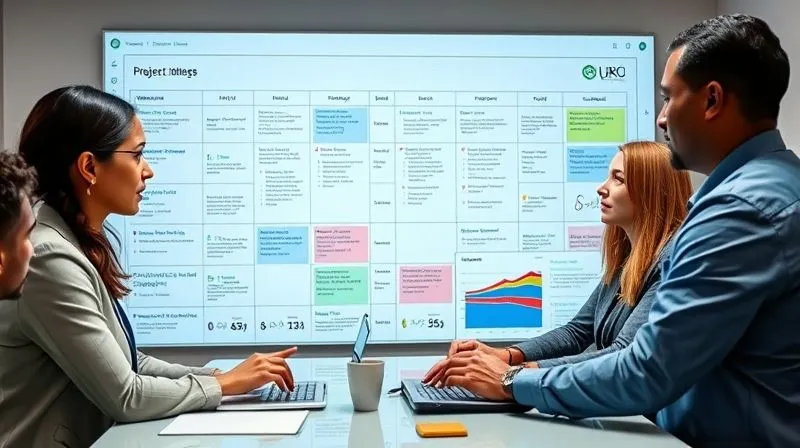
Phase 4: Strengthening the Partnership – Long-Term Resilience
Fixing misalignment isn't a one-time event; it's an ongoing process of nurturing and strengthening the relationship. This phase focuses on building long-term resilience.
Fostering a Culture of Transparency and Trust
Trust is the currency of any strong partnership. It's built through consistent, transparent communication, reliability, and a willingness to be vulnerable. Share both successes and challenges openly. When mistakes happen, own them quickly and outline corrective actions. Conversely, acknowledge and celebrate your partner's contributions sincerely.
Continuous Learning and Adaptation
The business landscape is constantly evolving, and so too should your partnerships. Regularly review market changes, technological advancements, and internal strategic shifts. Discuss how these might impact your joint venture and proactively adapt your strategies. A partnership that can learn and adapt together is one that endures.
| Phase | Key Actions | Alignment Focus |
|---|---|---|
| Formation | Joint visioning, governance setup, initial SOW | Expectation setting, cultural integration |
| Execution | Regular check-ins, performance tracking, issue logging | Operational synergy, conflict resolution |
| Optimization | Performance reviews, strategic pivots, value assessment | Continuous improvement, shared growth |
| Expansion/Exit | Scaling opportunities, dissolution planning, knowledge transfer | Future-proofing, graceful transitions |
The Critical Role of Leadership in Partnership Alignment
Leadership isn't just about setting direction; it's about embodying the values and commitment necessary for successful partnerships. My experience has shown that without strong leadership buy-in and active participation, even the most well-structured partnership can falter.
Championing the Shared Vision
Leaders must consistently articulate and advocate for the partnership's shared vision, both internally within their own organization and externally to the partner. This isn't a one-time announcement; it's a continuous narrative that reinforces why the alliance is critical and how it aligns with broader strategic goals. When leaders actively champion the partnership, it signals its importance to all stakeholders and helps to maintain focus, even amidst competing internal priorities.
Leading by Example in Conflict Resolution
When disagreements inevitably arise, how leaders respond sets the tone for the entire partnership. Instead of allowing issues to fester or devolve into blame, effective leaders step in as facilitators, demonstrating a commitment to joint problem-solving. They model open communication, empathy, and a willingness to seek mutually beneficial outcomes. As Forbes often highlights in its leadership articles, strong leadership in partnerships is about navigating complexity with integrity and a focus on long-term value creation, rather than short-term wins.
Measuring Success: Metrics Beyond Financials
While financial returns are crucial, a holistic view of partnership success requires looking beyond the balance sheet. Misalignment can often be masked if only monetary metrics are considered. We need to measure the health of the relationship itself.
Qualitative vs. Quantitative Measures
Quantitative metrics are essential: revenue generated, cost savings, market share gained, project completion rates. However, I strongly advocate for equally valuing qualitative measures. These include:
- Partner Satisfaction: Regular surveys or interviews to gauge how each partner feels about the collaboration.
- Relationship Strength: Assessing the level of trust, openness, and mutual respect.
- Innovation Output: Measuring the number of new ideas, products, or processes co-created.
- Team Cohesion: Evaluating how well cross-organizational teams work together.
These qualitative insights often provide early warnings of misalignment that quantitative data might miss.
The Partnership ROI Framework
Beyond traditional Return on Investment (ROI), consider a more comprehensive 'Partnership ROI' framework that includes:
- Strategic ROI: How well does the partnership advance strategic objectives (e.g., market entry, technological advantage)?
- Operational ROI: Improvements in efficiency, process optimization, or resource utilization.
- Relational ROI: The value derived from stronger networks, enhanced reputation, and shared learning.
By measuring across these dimensions, you gain a truer picture of the partnership's value and can better identify areas of misalignment that threaten its overall success.

Avoiding Future Pitfalls: Lessons from the Field
Learning from past experiences, both your own and others', is vital for building future resilience. Here are a couple of crucial lessons I've absorbed over the years.
The Danger of Assumption
Never assume alignment. Even with the most detailed contracts, unspoken assumptions about priorities, processes, or even the definition of success can derail a partnership. Always ask clarifying questions, document everything, and encourage a culture where 'dumb questions' are welcomed, as they often uncover critical unspoken assumptions. This is particularly true when dealing with diverse teams or international partners where cultural nuances can amplify misunderstandings.
Prioritizing Communication Tools and Rhythm
In today's distributed and fast-paced world, relying solely on ad-hoc communication is a recipe for misalignment. Invest in and standardize effective communication tools – whether it's a shared project management platform, dedicated video conferencing solutions, or collaborative document workspaces. More importantly, establish a clear communication rhythm: daily stand-ups for operational teams, weekly syncs for project leads, and monthly or quarterly strategic reviews for leadership. Consistency in communication, as highlighted by studies on digital collaboration from firms like Deloitte, is paramount for maintaining alignment and preventing strategic partner misalignment risking project failure.
Frequently Asked Questions (FAQ)
What's the biggest mistake companies make when forming partnerships? In my experience, the single biggest mistake is failing to invest sufficient time and resources upfront in defining a truly shared vision and establishing robust governance. Many rush into agreements driven by opportunity, neglecting the foundational work of aligning objectives, cultures, and communication protocols. This often leads to strategic partner misalignment risking project failure down the line.
How do you handle a partner who refuses to acknowledge misalignment? This is a challenging situation. Start by presenting objective data – project delays, missed KPIs, feedback from joint teams – to illustrate the misalignment's impact, rather than making subjective accusations. Frame it as a mutual problem affecting both parties. If direct communication fails, consider bringing in a neutral third-party mediator or escalating the issue through the established governance structure to senior leaders who have a vested interest in the partnership's success.
What if cultural differences are the primary cause of misalignment? Cultural differences require empathy and deliberate strategies. First, acknowledge and discuss these differences openly. Implement cross-cultural training for joint teams. Establish 'cultural ambassadors' from each side to help bridge gaps. Create a 'third culture' for the partnership itself, blending elements from both organizations. This might involve agreeing on new norms for decision-making, feedback, or even meeting etiquette.
When is it time to dissolve a strategic partnership? Dissolution should always be a last resort. However, if, after repeated attempts at re-alignment and intervention, the partnership consistently fails to meet its strategic objectives, drains resources without clear value, or if the core strategic rationale has fundamentally changed for one or both parties, it's time to consider a graceful exit. A well-defined exit strategy, ideally outlined in the initial agreement, can minimize damage and protect relationships.
Can technology truly help in maintaining partnership alignment? Absolutely. Technology is not a panacea, but it's a powerful enabler. Shared project management platforms (e.g., Asana, Monday.com), collaborative document tools (e.g., Google Workspace, Microsoft 365), and robust communication platforms (e.g., Slack, Teams) can significantly enhance transparency, facilitate real-time updates, and ensure everyone is working from the same information. These tools are crucial for preventing communication gaps that often lead to strategic partner misalignment risking project failure.
Key Takeaways and Final Thoughts
Strategic partnerships are powerful engines for growth and innovation, but they are also inherently complex. The risk of misalignment is ever-present, capable of derailing even the most promising ventures. However, as an industry veteran, I can assure you that most misalignments are not only fixable but also preventable with the right approach.
- Proactive Alignment is Paramount: Invest heavily in joint visioning and clear governance from day one.
- Monitor Continuously: Implement health checks and open feedback loops to spot warning signs early.
- Act Decisively: When misalignment is detected, re-calibrate objectives and mediate conflicts head-on.
- Build Resilience: Foster trust, transparency, and a culture of continuous learning.
- Leadership is Key: Leaders must champion the shared vision and model effective conflict resolution.
- Measure Broadly: Look beyond financial metrics to assess the true health and value of the partnership.
By embracing these principles, you're not just fixing problems; you're building stronger, more resilient, and ultimately more successful strategic alliances. Don't let strategic partner misalignment risking project failure be the story of your next big venture. Take control, apply these strategies, and forge partnerships that truly deliver on their immense potential.
Recommended Reading
- Unlock the Power: Strategies for Effective CSR Stakeholder Engagement
- Unlock Credibility: How to Apply Governance Principles in CSR Reporting
- Sales Up, Profits Down? 7 Ways to Stop Profit Erosion & Boost Margins
- Mastering Global Remote Hiring: 7 Legal Pitfalls to Sidestep Now
- 5 Proven Strategies: Launch Disruptive Products, Protect Your Core Business





Comments
Leave a comment below. Your email will not be published. Required fields marked with *