


How to Fix Supply Chain Labor Exploitation Scandal Fallout?
For over two decades in corporate social responsibility and ethical sourcing, I've witnessed firsthand the devastating impact of supply chain labor exploitation scandals. These aren't just minor bumps in the road; they are seismic events that can shatter brand reputation, erode consumer trust, and inflict immense suffering on vulnerable workers.
The fallout from such a scandal is multifaceted, extending beyond financial penalties to long-term reputational damage, investor skepticism, and a demoralized workforce. Companies often find themselves in a reactive scramble, making decisions under duress that can exacerbate the problem rather than resolve it. The pain point is clear: how do you not only survive but genuinely recover and rebuild?
This article isn't just about crisis management; it's a definitive, expert-led framework designed to guide you through the complex process of remediation, recovery, and ultimately, prevention. We'll delve into actionable strategies, draw from real-world insights, and provide a clear, step-by-step plan to not just fix the fallout, but to emerge stronger, more ethical, and truly sustainable.
Understanding the Anatomy of a Supply Chain Scandal
Before we can fix the fallout, we must truly understand its nature. A supply chain labor exploitation scandal isn't a singular event; it's a culmination of systemic failures, often hidden deep within complex global networks. The moment it breaks into public view, it triggers a cascade of negative consequences that demand immediate, strategic intervention.
The Immediate Impact
The initial shockwave hits hard. Share prices can plummet, major retailers may pull products, and negative media coverage can go viral, often fueled by social media outrage. Consumer boycotts are a real threat, and regulatory bodies begin to scrutinize operations. Internally, employee morale can suffer significantly, and key talent may question their association with the company.
The Lingering Damage
Beyond the immediate financial and reputational hits, the long-term damage is often more insidious. Rebuilding trust with consumers, investors, and employees is a marathon, not a sprint. It requires consistent, transparent action and a demonstrable commitment to change. Furthermore, the legal and operational complexities of identifying, remediating, and preventing future exploitation can be overwhelming without a clear strategy. The true cost isn't just the fines paid, but the erosion of brand equity and the potential loss of market share over years.
"In my experience, the biggest mistake companies make is viewing a scandal as a PR problem rather than a fundamental business ethics and operational failure. Until you address the root causes, you're merely patching a leaking dam."
Step 1: Immediate Crisis Response & Transparency
When a supply chain labor exploitation scandal erupts, the first 48-72 hours are absolutely critical. Your immediate actions will set the tone for your entire recovery process. Hesitation or obfuscation will only deepen the crisis.
- Acknowledge and Halt: Immediately acknowledge the allegations and, if credible, take swift action to halt the problematic operations. This demonstrates accountability and a commitment to stopping harm. This is not the time for denial or defensiveness.
- Public Statement: Issue a clear, concise, and empathetic public statement. Express sincere regret, outline the immediate steps being taken, and commit to a thorough investigation. Avoid legalese and corporate jargon. Focus on human impact.
- Internal Communication: Communicate transparently with your employees. They are your most important ambassadors and need to understand the company's stance and actions. Provide support resources and avenues for feedback.
- Stakeholder Outreach: Begin reaching out to key stakeholders – investors, major customers, NGOs, and labor organizations. Inform them of the situation and your commitment to addressing it. Transparency builds bridges, even in crisis.
This initial phase is about damage control and laying the groundwork for trust. It's about demonstrating that your company prioritizes human rights over profit, even when it's painful.

Step 2: Comprehensive Investigation & Root Cause Analysis
Once the immediate fire is out, the real work begins: understanding *how* this happened. A superficial investigation will only lead to recurring problems. This stage demands a deep, unsparing look into your supply chain's vulnerabilities.
- Form an Independent Investigation Committee: Establish a diverse committee, ideally including external experts (e.g., human rights lawyers, labor rights NGOs, forensic auditors). This ensures impartiality and credibility.
- Map Your Entire Supply Chain: Go beyond Tier 1 suppliers. Use technology and on-the-ground verification to map all sub-contractors, raw material sources, and labor brokers involved. This is often where exploitation is hidden.
- Collect Data and Conduct Interviews: Gather all relevant documentation, contracts, audit reports, and production records. Crucially, conduct confidential, safe interviews with workers, union representatives, and local community members, ensuring no retaliation.
- Identify Root Causes: Is it pressure for low costs? Lack of transparency clauses in contracts? Inadequate audit mechanisms? Corrupt local practices? Weak internal governance? Pinpointing the exact systemic failures is paramount. According to a Deloitte study on supply chain risk, a lack of visibility is a primary driver of risk exposure.
This phase is about forensic diligence and intellectual honesty. It's about uncovering the truth, no matter how uncomfortable it may be.
| Investigation Phase | Key Action | Expected Outcome |
|---|---|---|
| Immediate Response | Halt operations, public statement | Mitigate immediate damage, show accountability |
| Supply Chain Mapping | Identify all tiers, sub-contractors | Full visibility of direct/indirect suppliers |
| Data & Interviews | Worker interviews, document review | Uncover hidden abuses, gather evidence |
| Root Cause Analysis | Identify systemic failures | Understand 'why' exploitation occurred |
Step 3: Remediation and Victim Support
This is arguably the most critical and ethically imperative step. Fixing the fallout means directly addressing the harm caused to the exploited workers. Remediation is not just a legal obligation; it's a moral one, and it's fundamental to rebuilding trust.
Direct Remediation
Remediation must be comprehensive and tailored to the specific harms suffered. This could include:
- Wage Restitution: Full payment of back wages, including overtime and benefits, often with interest.
- Repatriation and Support: For migrant workers, safe and voluntary repatriation, or support for legal residency if desired, along with compensation for recruitment fees.
- Access to Healthcare: Providing medical and psychological support for physical or emotional trauma.
- Educational Support: For child laborers, ensuring access to education and support for their families.
- Apology and Recognition: A formal, sincere apology to the affected workers and their communities.
As marketing guru Seth Godin often says, "People don't buy what you do, they buy why you do it." Demonstrating genuine care for the victims is a powerful 'why'.
Long-Term Support Mechanisms
Beyond immediate compensation, consider establishing long-term support. This might involve setting up a community fund, investing in local development projects, or creating sustainable livelihood programs that benefit the affected community. Partnering with credible local NGOs or international labor organizations is crucial here to ensure culturally appropriate and effective support. This collaborative approach also lends significant credibility to your efforts.

Step 4: Rebuilding Trust Through Stakeholder Engagement
A scandal erodes trust across the board. Rebuilding it requires a sustained, authentic, and proactive engagement strategy with all relevant stakeholders. This isn't about PR spin; it's about genuine dialogue and demonstrating a commitment to long-term change.
Engaging Affected Communities
Directly engage with the communities where exploitation occurred. Establish transparent communication channels, hold regular meetings, and involve community leaders in ongoing monitoring and remediation efforts. Their input is invaluable for ensuring solutions are effective and culturally sensitive. This level of engagement moves beyond mere consultation to co-creation of solutions, empowering those most affected.
Communicating with Consumers and Investors
Develop a clear, consistent communication plan for consumers and investors. Be transparent about the steps you're taking, share progress reports, and acknowledge that recovery is an ongoing journey. Use your platforms – website, social media, annual reports – to tell your story of transformation. Highlight independent verification of your efforts. Investors are increasingly looking for strong ESG (Environmental, Social, and Governance) performance, and robust recovery from a scandal can eventually demonstrate resilience. Read more on building trust post-crisis in this Harvard Business Review article.
"Authenticity is the currency of trust. In the wake of a scandal, performative actions will be seen through immediately. Genuine change, openly communicated, is your only path forward."
Step 5: Overhauling Due Diligence & Monitoring Systems
The scandal revealed critical gaps in your existing systems. This step is about fundamentally redesigning your due diligence and monitoring processes to prevent recurrence and ensure ongoing compliance with human rights standards.
Strengthening Internal Controls
Review and update your supplier codes of conduct, ensuring they explicitly address labor rights, living wages, and freedom of association. Integrate human rights impact assessments into your procurement process for new suppliers and conduct regular, unannounced audits of existing ones. Empower your procurement teams with training on ethical sourcing and provide them with clear incentives for responsible practices, not just cost savings. This internal shift in mindset is foundational.
Implementing Advanced Monitoring Technologies
Leverage technology for greater supply chain visibility. This could include blockchain for traceability, satellite imagery for monitoring high-risk areas, or worker-voice platforms that allow anonymous reporting of grievances directly from factory floors. These technologies, when implemented ethically and with worker consent, can provide real-time insights that traditional audits often miss. Consider partnering with specialized tech firms that focus on ethical supply chain solutions.
Step 6: Cultivating a Culture of Ethical Sourcing
Systems alone are not enough; a deep-seated organizational culture that prioritizes ethical sourcing is essential. This requires leadership commitment, employee empowerment, and a shared understanding that human rights are non-negotiable.
Leadership Commitment
Ethical sourcing must start at the top. Your CEO and board must visibly champion this cause, integrating it into the company's core values and strategic objectives. This means allocating sufficient resources, setting clear performance indicators related to human rights, and holding leadership accountable for ethical supply chain performance. Without this top-down commitment, any initiatives will be seen as mere window dressing.
Employee Training & Whistleblower Protection
Roll out comprehensive training programs for all employees involved in sourcing, procurement, and supply chain management. These programs should cover international labor standards, human rights due diligence, and the company's ethical sourcing policies. Crucially, establish robust and easily accessible grievance mechanisms and whistleblower protection policies. Employees and external stakeholders must feel safe to report concerns without fear of retaliation. An open culture encourages early detection of potential issues.
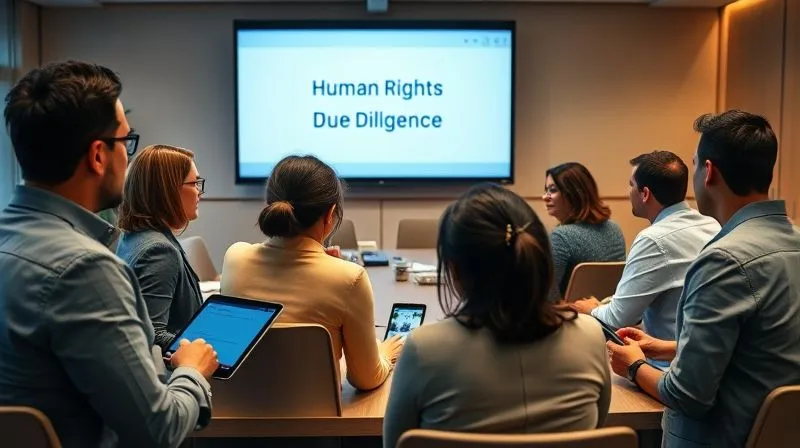
Step 7: Proactive Risk Management & Continuous Improvement
Recovery isn't a destination; it's a continuous journey. To truly fix supply chain labor exploitation scandal fallout means embedding a culture of proactive risk management and continuous improvement into your DNA. This prevents future crises and ensures long-term resilience.
Regular Audits and Assessments
Move beyond compliance audits to performance-based assessments. These should evaluate the effectiveness of your human rights policies, the living conditions of workers, and the health of your grievance mechanisms. Partner with reputable third-party auditors who specialize in social audits and have a proven track record of independence and expertise. Regular, unannounced visits are key.
Supply Chain Mapping and Diversification
Maintain up-to-date mapping of your entire supply chain, constantly identifying and assessing new risks. Where possible, diversify your supplier base to reduce over-reliance on single regions or factories that may pose higher human rights risks. This doesn't mean abandoning high-risk areas, but rather engaging with them more strategically and with enhanced due diligence.
Case Study: How Veridian Textiles Transformed Its Supply Chain
Veridian Textiles, a mid-sized apparel brand, faced a severe scandal when child labor was discovered in one of its Tier 3 dyeing facilities. The fallout was immediate and severe. By implementing a rigorous 7-step remediation plan, Veridian didn't just survive; it became a leader in ethical sourcing. They invested heavily in direct worker empowerment programs, partnered with local NGOs to establish a community education fund, and implemented blockchain traceability for their raw materials. Within three years, their brand reputation was not only restored but enhanced, attracting a new segment of ethically conscious consumers and investors. This resulted in a 15% increase in market share and recognition as an industry leader by several human rights organizations. Their commitment to continuous improvement, including annual public reports on their human rights performance, solidified their transformation.
| Risk Category | Likelihood | Impact | Mitigation Strategy |
|---|---|---|---|
| Labor Exploitation | High | Catastrophic | Enhanced audits, worker voice tech, NGO partnerships |
| Environmental Damage | Medium | Severe | Green certifications, waste reduction targets |
| Geopolitical Instability | Medium | High | Supplier diversification, regional risk assessments |
| Data Security Breach | Low | Moderate | Robust IT security, employee training |
Continuous Improvement Loops
Establish a framework for continuous improvement. This means regularly reviewing your policies, procedures, and performance metrics. Collect feedback from all stakeholders – workers, suppliers, NGOs, and consumers – and use it to refine your approach. This iterative process ensures that your ethical sourcing strategy evolves with global standards and emerging risks. The UN Guiding Principles on Business and Human Rights provide an excellent framework for continuous due diligence.

Frequently Asked Questions (FAQ)
Q: How long does it typically take to recover from a major supply chain labor exploitation scandal? A: Complete recovery is a long-term commitment, not a quick fix. While immediate damage control can take weeks, genuinely rebuilding trust, remediating harm, and implementing robust new systems can take anywhere from 3 to 5 years, or even longer for severe cases. It requires sustained effort and transparent reporting.
Q: What role do NGOs and civil society organizations play in the recovery process? A: Their role is absolutely critical. NGOs often have deep local knowledge, direct access to affected communities, and expertise in human rights monitoring and advocacy. Partnering with credible NGOs can lend immense legitimacy to your remediation efforts, provide valuable insights, and help ensure that solutions are worker-centric and effective. They can also act as independent verifiers of your progress.
Q: Can a company truly regain consumer trust after such a severe ethical breach? A: Yes, but it's incredibly challenging. Trust is earned through consistent, transparent, and demonstrable action, not just words. Companies that genuinely commit to fundamental change, prioritize victim remediation, and embed ethical sourcing into their core business model have a strong chance of not only regaining trust but potentially enhancing their reputation as responsible leaders. Consumers are increasingly discerning and value authenticity.
Q: What are the biggest mistakes companies make during scandal fallout? A: The most common mistakes include denial or downplaying the issue, focusing solely on PR without addressing root causes, failing to adequately compensate victims, lacking transparency with stakeholders, and not empowering an independent body to lead the investigation. These actions often prolong the crisis and deepen the damage.
Q: How can small to medium-sized enterprises (SMEs) tackle similar issues with limited resources? A: SMEs may have fewer resources but often possess greater agility. Focus on strong contractual clauses with suppliers, leverage industry associations for shared audit programs, utilize accessible technology for worker grievance mechanisms, and prioritize direct, transparent relationships with a smaller, more manageable supply base. Collaboration with other SMEs or larger partners can also help pool resources for due diligence.
Key Takeaways and Final Thoughts
- Immediate, transparent crisis response is crucial to mitigate initial damage.
- A comprehensive, independent investigation is essential to uncover root causes, not just symptoms.
- Prioritizing direct remediation and long-term support for victims is a moral imperative and foundational to recovery.
- Proactive and authentic stakeholder engagement builds bridges of trust.
- Overhauling due diligence and monitoring systems prevents future exploitation.
- Cultivating a top-down culture of ethical sourcing ensures long-term commitment.
- Continuous improvement and proactive risk management are non-negotiable for sustained ethical performance.
Fixing supply chain labor exploitation scandal fallout is arguably one of the most challenging tasks a corporation can face. However, it's also an unparalleled opportunity for profound transformation. By embracing these principles and committing to genuine, systemic change, your organization can not only navigate the storm but emerge as a stronger, more responsible, and truly sustainable leader in the global economy. The journey is arduous, but the destination—a truly ethical and resilient supply chain—is worth every step. Learn more about ethical supply chain practices from leading academic research here.
Recommended Reading
- Startup Growth: Best Customer Acquisition Strategies to Explode!
- Ex-Employee Stole Trade Secrets? Your 5-Step Legal Action Plan
- 5 Pillars: How to Rebuild Trust & Transparency in Remote Cultures?
- Unlock Mobile Sales: The Ultimate Guide to E-commerce Conversion Strategies
- Why Do Customers Fume Over Support Channel Hops? 7 Fixes!





Comments
Leave a comment below. Your email will not be published. Required fields marked with *