


How to Manage Urgent Change Requests Without Project Chaos?
For over 15 years in complex project environments, I've witnessed firsthand how a single, seemingly minor urgent change request can derail an entire project, turning meticulous plans into a chaotic scramble. It's a common pitfall: the initial panic, the ad-hoc decisions, the bypassed protocols – all leading to budget overruns, missed deadlines, and a demoralized team. It's not just about the change itself, but the lack of a robust, adaptable system to absorb its impact.
The pain points are universal: scope creep becoming an unstoppable force, resources stretched thin, and stakeholders losing faith. You're constantly firefighting, reacting rather than strategically responding. This reactive mode doesn't just impact the current project; it erodes trust, damages team morale, and sets a dangerous precedent for future endeavors, often leading to a cycle of perpetual crisis management.
In this definitive guide, I'll share my proven frameworks and expert insights on how to manage urgent change requests without project chaos. We'll delve into actionable strategies, real-world analogies, and the critical steps needed to transform urgent changes from project destroyers into manageable challenges, ensuring your projects remain on track, within budget, and deliver their intended value.
Establishing a Robust Change Control Board (CCB)
The cornerstone of effective change management isn't a magical tool; it's a well-structured and empowered Change Control Board (CCB). I've seen projects flounder because decisions were made in silos or by individuals lacking a holistic view. A CCB brings together key stakeholders to collectively assess, approve, reject, or defer changes, ensuring all impacts are considered.
What is a CCB? It's a formal group comprising representatives from various functional areas – project management, technical leads, business owners, finance, and sometimes even legal. Their collective wisdom and diverse perspectives are invaluable in understanding the ripple effects of any proposed change.
- Define Clear Roles and Responsibilities: Each CCB member must know their specific contribution. Who provides technical feasibility? Who assesses business impact? Who owns the budget? Clarity here prevents delays and blame games.
- Establish a Regular Meeting Cadence: Urgent changes don't wait for your monthly meeting. While a standing weekly or bi-weekly meeting is ideal for general changes, establish a protocol for emergency sessions that can be convened at short notice.
- Empower the CCB: The board must have the authority to make binding decisions. Without this, their efforts are merely advisory, and chaos will inevitably creep back in.
- Document Everything: Maintain detailed records of all change requests, their analysis, decisions, and the rationale behind those decisions. This transparency is vital for accountability and audit trails.
According to the Project Management Institute (PMI), a formal change control process, often spearheaded by a CCB, is a critical success factor for complex projects. Without it, scope creep is almost inevitable, leading to cost and schedule overruns.
"A well-defined Change Control Board acts as the project's immune system, identifying threats (uncontrolled changes) and mounting a coordinated defense to protect its health and integrity."
The Art of Prioritization: Differentiating Urgent from Important
Not every urgent request is truly important, and not every important request is urgent. This distinction is paramount in preventing project chaos. I've observed countless teams drop everything for a 'P1' request only to realize it could have waited, while genuinely critical tasks languished. This requires a robust prioritization framework.
Implementing a Prioritization Matrix
One of the most effective tools I've utilized is a simple yet powerful prioritization matrix, often inspired by the Eisenhower Matrix. It helps the CCB categorize changes based on their immediate impact and strategic value.
| Priority Level | Urgency | Impact | Action |
|---|---|---|---|
| Critical (P1) | Immediate | High (Project failure/major legal/safety risk) | Stop everything, address immediately |
| High (P2) | Within days | Significant (Major scope deviation, significant cost/time impact) | Expedited review, re-plan resources |
| Medium (P3) | Within weeks | Moderate (Minor scope change, efficiency gain) | Scheduled CCB review, integrated into next sprint |
| Low (P4) | Flexible | Minor (Future enhancement, nice-to-have) | Deferred, added to backlog for future consideration |
This matrix isn't just a static document; it's a living guide that informs every CCB decision. The key is to have objective criteria for each category, preventing subjective interpretations that can lead to misprioritization.
Implementing a Streamlined Change Request Process
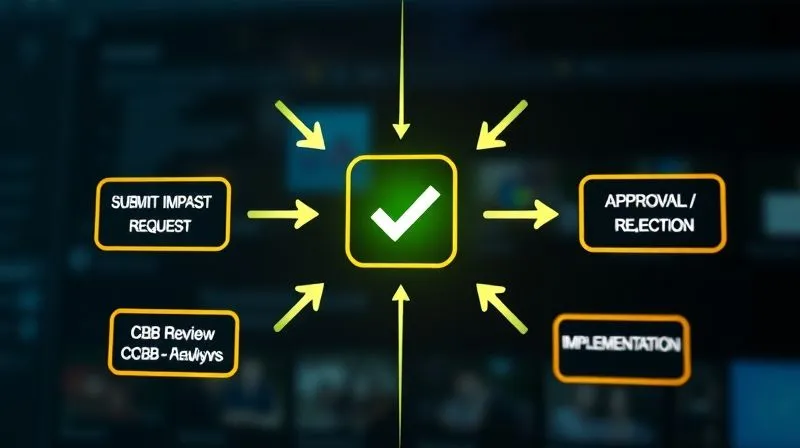
Once you have your CCB and prioritization framework, the next step is to formalize the actual process of submitting, reviewing, and implementing changes. A clear, step-by-step process demystifies change and reduces the likelihood of ad-hoc, uncontrolled adjustments.
Case Study: How InnovateTech Streamlined Urgent Changes
InnovateTech, a mid-sized software development firm, was plagued by frequent, unscheduled urgent changes that consistently pushed projects past their deadlines. Their old system involved direct emails to developers, leading to confusion and missed requirements. By implementing a new, streamlined process, they achieved remarkable results.
First, they introduced a mandatory digital change request form, ensuring all necessary information (reason, impact, urgency, proposed solution) was captured upfront. This eliminated incomplete requests. Next, they established a 'fast-track' review for P1/P2 changes, requiring CCB members to respond within 4 hours for P1s and 24 hours for P2s. Approved changes were immediately assigned to a dedicated 'change sprint' team, preventing disruption to the main project development. Within six months, InnovateTech reduced their project delays due to urgent changes by 40% and improved team morale significantly, as developers could focus on planned work without constant interruptions.
This process relies on transparency and clear communication at every stage. It's about making it easy for stakeholders to request changes, but difficult for unauthorized changes to slip through.
Communication: The Unsung Hero in Change Management
In my experience, 90% of project chaos stemming from urgent changes can be traced back to communication breakdowns. Stakeholders are unaware, team members are misinformed, and expectations are misaligned. Effective communication isn't just about sending emails; it's about strategic, multi-channel engagement tailored to different audiences.
- Proactive Stakeholder Communication: As soon as an urgent change is approved, communicate its nature, impact, and revised timeline to all affected stakeholders. Don't wait for them to discover it.
- Transparent Team Briefings: Ensure your project team understands the 'why' behind the change, not just the 'what'. This fosters buy-in and reduces resistance. Explain how the change impacts their work and what support they'll receive.
- Centralized Information Hub: Utilize a project management tool or a shared document repository where all change requests, decisions, and related documentation are easily accessible to authorized personnel. This prevents information silos.
- Feedback Loops: Encourage feedback from the team and stakeholders regarding the change implementation. This allows for early detection of issues and continuous improvement of your change process.
As marketing guru Seth Godin often says, "The only way to get people to change is to communicate the change in a way that resonates with their needs and desires." This holds true for project changes as well. Tailor your message to what matters most to each audience.
Leveraging Technology for Agile Change Control
Manual change control processes, especially for urgent requests, are a recipe for disaster. Spreadsheets and email chains quickly become unwieldy and prone to errors. Modern project management and change management software are indispensable tools for maintaining order.
Tools for Seamless Change Management
- Integrated Project Management Platforms: Tools like Jira, Asana, Monday.com, or Microsoft Project offer built-in features for tracking tasks, managing backlogs, and often have modules for change requests. These allow for real-time visibility and immediate impact assessment.
- Dedicated Change Management Systems: For highly regulated industries or very large enterprises, specialized change management systems (e.g., ServiceNow, Salesforce Service Cloud) provide advanced workflows, audit trails, and reporting capabilities.
- Collaboration Tools: Slack, Microsoft Teams, or similar platforms facilitate rapid communication and decision-making for urgent changes, allowing CCB members to quickly discuss and vote.
The key isn't just having the tools, but integrating them seamlessly into your existing workflows. A well-configured system can automate notifications, streamline approvals, and provide invaluable analytics on change trends, helping you anticipate future challenges. This digital backbone is crucial for how to manage urgent change requests without project chaos, providing the agility needed in today's fast-paced environment.

Risk Assessment and Impact Analysis for Urgent Changes
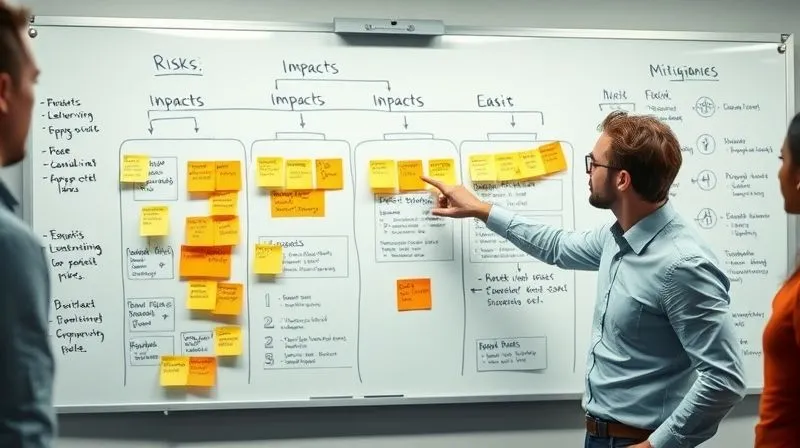
Every change, especially an urgent one, introduces new risks and impacts. A failure to thoroughly assess these can lead to unforeseen consequences far greater than the initial problem the change was meant to address. This step is non-negotiable for maintaining project stability.
Comprehensive Impact Analysis
- Scope Impact: How does this change affect the project's original scope? Does it introduce new features or modify existing ones? Will it lead to scope creep?
- Schedule Impact: Will the change delay the project timeline? By how much? Are there critical path activities affected?
- Cost Impact: What are the direct and indirect costs associated with implementing the change? This includes labor, materials, software, and potential rework.
- Resource Impact: Does the change require additional resources, or will it divert existing resources from other critical tasks?
- Quality Impact: Could the change compromise the quality of the project deliverables? Does it introduce new bugs or reduce performance?
- Technical Impact: Are there any technical dependencies or architectural implications? Does it introduce new security vulnerabilities?
- Stakeholder Impact: How will this change affect key stakeholders? Will it meet their needs, or create new challenges?
By systematically evaluating each of these areas, the CCB can make an informed decision, weighing the benefits of the urgent change against its potential drawbacks. This detailed analysis is what separates reactive panic from strategic problem-solving.
Building a Culture of Adaptability and Continuous Improvement
Ultimately, managing urgent changes without chaos isn't just about processes and tools; it's about fostering a project culture that embraces change rather than fearing it. I've found that teams who are adaptable and continuously seek improvement are far more resilient to unexpected disruptions.
- Embrace Agile Principles: Even if your project isn't fully agile, adopting principles like iterative development, frequent feedback, and cross-functional teams can significantly enhance your ability to respond to changes.
- Regular Retrospectives: After each major change or at the end of a project phase, conduct a 'lessons learned' session. What went well? What could be improved in the change control process? Document these findings and implement adjustments.
- Empower Team Members: Encourage team members to identify potential issues and propose solutions early. A culture where problems are proactively flagged, rather than hidden, is invaluable.
- Training and Skill Development: Invest in training your team in risk management, problem-solving, and effective communication. A skilled team is a resilient team.
According to a report by Deloitte, organizations with an agile culture are significantly more likely to outperform their competitors in terms of innovation, speed to market, and customer satisfaction. This adaptability directly translates to better handling of urgent changes.
Measuring Success and Learning from Change Outcomes
How do you know if your refined change control process is working? You measure it. Data-driven insights are crucial for continuous improvement. Simply implementing a process isn't enough; you need to track its effectiveness.
Key Metrics to Monitor
- Change Request Volume: Track the number of change requests over time. An increasing volume might indicate initial scope definition issues.
- Approval/Rejection Rate: Monitor the percentage of changes approved versus rejected. A very high approval rate might suggest insufficient scrutiny, while a very low one could indicate resistance to necessary adjustments.
- Change Implementation Time: How long does it take from request submission to full implementation? This is critical for urgent changes.
- Budget and Schedule Variance due to Changes: Quantify the impact of approved changes on your project's budget and timeline. This is the ultimate measure of control.
- Rework/Defect Rate Post-Change: Are changes introducing new bugs or requiring significant rework? This points to issues in impact analysis or implementation quality.
By regularly reviewing these metrics, your CCB and project leadership can identify bottlenecks, refine processes, and ensure that urgent changes are managed efficiently, minimizing their disruptive impact. This iterative approach to process improvement is vital for long-term success.

Frequently Asked Questions (FAQ)
Question? What if our project is very small and doesn't warrant a full CCB?
Answer: Even for small projects, the principles of change control are crucial. Instead of a formal CCB, designate a single individual (e.g., the project manager) or a small core team (PM + lead developer/business analyst) to act as the 'mini-CCB'. The key is to have a designated decision-maker who follows a defined process for impact analysis and approval, preventing ad-hoc changes. Documenting decisions, even briefly, remains essential.
Question? How do I handle stakeholder resistance to formal change control, especially for 'urgent' requests?
Answer: Resistance often stems from a lack of understanding or a perception that the process will slow things down. Start by educating stakeholders on the hidden costs of uncontrolled changes (rework, delays, budget overruns). Frame the change control process as a mechanism to protect the project's success and deliver value more reliably, even for urgent items. Highlight the 'fast-track' process for true emergencies. Emphasize that it's about structure, not bureaucracy, and that it ultimately benefits everyone by reducing chaos.
Question? What's the difference between a change request and an issue?
Answer: A change request proposes an alteration to the project's baseline (scope, schedule, budget, quality). It's a deliberate choice to modify something planned. An issue, on the other hand, is an unexpected problem or obstacle that arises during the project and needs to be resolved. While an issue might lead to a change request (e.g., a technical problem requires a scope change to fix), they are distinct. Issues are managed through an issue log and resolution process; changes through the change control process.
Question? Can agile methodologies truly handle urgent changes without a formal CCB?
Answer: Agile frameworks inherently embrace change, but they don't negate the need for control. While a traditional, bureaucratic CCB might be too slow for agile, the *functions* of a CCB are still performed. In Scrum, for instance, the Product Owner manages the backlog, prioritizing and accepting changes. The Development Team assesses feasibility and effort. Major changes might still require discussions with key stakeholders (acting as an informal CCB) to ensure alignment with the product vision and budget. The key is lightweight, rapid decision-making, not a lack of due diligence.
Question? How do I ensure the CCB doesn't become a bottleneck?
Answer: To prevent the CCB from becoming a bottleneck, several strategies are effective: 1. Clearly define decision-making authority and thresholds (e.g., small changes might not need full CCB approval). 2. Establish strict service level agreements (SLAs) for review and response times. 3. Utilize technology for quick voting and discussions. 4. Pre-analyze changes thoroughly before they reach the CCB, so decisions are based on complete information. 5. Empower the project manager to make decisions on minor, low-impact changes within predefined parameters.
Key Takeaways and Final Thoughts
- Formalize Your CCB: Empower a diverse group of stakeholders to make collective, informed decisions on changes.
- Master Prioritization: Differentiate truly urgent and important changes from mere distractions using a clear matrix.
- Streamline Your Process: Implement a clear, documented flow for change requests, from submission to implementation.
- Communicate Relentlessly: Keep all stakeholders and the project team informed, managing expectations proactively.
- Leverage Technology: Utilize project management tools to automate, track, and provide real-time visibility into changes.
- Assess Impacts Thoroughly: Conduct comprehensive risk and impact analyses for every proposed change.
- Cultivate Adaptability: Foster a project culture that embraces change and continuous improvement.
- Measure and Learn: Track key metrics to continuously refine your change control process.
Managing urgent change requests without project chaos is not an impossible dream; it's a strategic imperative. By implementing these expert-driven strategies, you can transform your project's response to unexpected demands from reactive firefighting to proactive, controlled execution. Embrace these principles, and you'll not only save your projects from chaos but also build a reputation for reliability and excellence. Take control of your changes, and you'll take control of your project's destiny.
Recommended Reading
- 7 Critical Legal Steps: Protect Your Startup's IP from Day One
- 5 Essential Strategies: Minimize Personal Guarantee Risks in Franchising
- 7 Steps to Fair Reviews: Avoid Biases & Boost Employee Growth
- 7 Steps: How to Rebuild Client Trust After a Major Service Failure?
- Unlock Data's True Power: Your Ultimate Guide to an Effective Data Governance Framework





Comments
Leave a comment below. Your email will not be published. Required fields marked with *