


How to measure productivity effectively with flexible remote hours?
For over 15 years in the business and remote work landscape, I've seen countless companies grapple with a fundamental shift: moving from traditional office structures to dynamic, flexible remote models. The promise of greater autonomy and work-life balance is compelling, but it often brings a significant challenge – how do you genuinely know if your team is productive when they're not physically present and adhering to a rigid 9-to-5?
The pain point is real: leaders struggle with the perceived lack of oversight, fearing that flexible hours equate to less work, while employees often feel micromanaged or misunderstood when their output isn't measured fairly. This disconnect can erode trust, stifle innovation, and ultimately undermine the very benefits remote work is meant to provide. Traditional metrics, focused on 'time in chair,' simply fall apart in this new paradigm.
But here's the good news: it's not only possible but entirely achievable to measure productivity effectively with flexible remote hours. In this definitive guide, I'll share actionable frameworks, real-world insights, and expert strategies I've developed and refined over years, helping you move beyond outdated notions and build a robust, trust-based system for evaluating and enhancing your remote team's performance.
The Shifting Sands of Remote Work: Why Traditional Metrics Fail
The global pivot to remote work has been nothing short of a revolution, but many organizations are still trying to fit a square peg into a round hole when it comes to productivity measurement. The old guard, steeped in presenteeism and 'hours logged,' simply doesn't translate. When your team can choose to work at 6 AM or 10 PM, or split their day around personal commitments, how do you quantify their contribution?
I've observed that the biggest mistake companies make is clinging to outdated notions of productivity. They confuse activity with achievement. Sending many emails or attending numerous meetings doesn't inherently mean progress. What matters are the tangible outcomes, the deliverables, and the impact.
"Productivity isn't about doing more, it's about making more impact with the work you do."
This shift requires a fundamental change in mindset, moving from a culture of surveillance to one of empowerment and accountability. It's about trusting your team to manage their time and focusing on what they produce, not when or how they produce it. The benefits of this approach are immense, fostering greater employee satisfaction, reduced burnout, and often, higher quality work.
- Reduced Micromanagement: Empowering teams to manage their own schedules.
- Focus on Outcomes: Shifting from activity to results.
- Increased Autonomy: Boosting employee engagement and satisfaction.
- Better Work-Life Balance: Allowing flexibility that supports personal lives.
Beyond the Clock: Embracing Output-Centric Measurement
To truly measure productivity effectively with flexible remote hours, we must embrace an output-centric approach. This means defining what 'done' looks like, not how many hours it took to get there. It's about establishing clear, measurable objectives and key results (OKRs) or Key Performance Indicators (KPIs) that directly tie to business goals.
In my experience, this is where many organizations falter. They have vague goals like "improve customer satisfaction" without breaking it down into specific, quantifiable deliverables that an individual or team can own within a flexible schedule. The key is granularity and clarity.
Defining Clear Outcomes and Deliverables
Before you can measure, you must define. Each role, project, and task needs explicit, agreed-upon outcomes. Here's how to approach it:
- Identify Core Responsibilities: List the primary duties of each role.
- Translate to Measurable Outcomes: For each responsibility, determine the specific, quantifiable results expected. For example, instead of "manage social media," define "increase social media engagement by 15%" or "publish 3 high-quality posts per week."
- Set Timeframes: Establish realistic deadlines for these outcomes, regardless of when the work is actually done.
- Agree on Quality Standards: Define what constitutes a 'high-quality' deliverable.
- Communicate Clearly: Ensure every team member understands their expected outputs and how they contribute to the larger organizational goals.
This foundational work is critical. Without it, any measurement system will be built on shaky ground, leading to confusion and resentment rather than clarity and performance improvement.

Key Performance Indicators (KPIs) for Flexible Remote Teams
Once outcomes are defined, the next step is to select the right KPIs. These aren't just numbers; they are the pulse of your team's effectiveness. The best KPIs for flexible remote work focus on results, quality, and impact, rather than hours.
As I've advised numerous companies, it's crucial to select a balanced set of KPIs – a mix of quantitative metrics that show 'what' was achieved and qualitative metrics that explain 'how' it was achieved. This provides a holistic view of productivity.
Quantitative KPIs: Tangible Results
These are the hard numbers that demonstrate output and efficiency:
- Project Completion Rate: Percentage of projects completed on time and within scope.
- Task Throughput: Number of tasks or units of work completed within a specific period (e.g., number of sales calls, lines of code, articles written).
- Quality Scores: Metrics like bug density (software), customer satisfaction (CSAT) scores, error rates, or peer review scores.
- Revenue Generated/Cost Savings: Direct financial impact, especially for sales, marketing, or operational roles.
- Response Times: For support or client-facing roles, how quickly issues are addressed.
Qualitative KPIs: The Human Element
While harder to quantify, these are vital for understanding the 'how' and overall team health:
- Peer Feedback: Insights from colleagues on collaboration, support, and contribution.
- Manager Assessments: Evaluations of problem-solving skills, initiative, and strategic thinking.
- Employee Engagement Scores: Surveys measuring satisfaction, motivation, and connection to the company.
- Skill Development: Progress in learning new skills or certifications relevant to the role.
A recent study by Harvard Business Review highlighted that companies focusing on outcome-based metrics reported a 40% increase in employee engagement compared to those fixated on hours.
| KPI Category | Example Metrics | Measurement Frequency |
|---|---|---|
| Quantitative | Project Completion Rate, Task Throughput, Quality Scores | Weekly/Bi-weekly |
| Qualitative | Peer Feedback, Engagement Scores, Skill Development | Monthly/Quarterly |
| Impact-Based | Revenue Generated, Customer Retention, Innovation Index | Quarterly/Annually |
Implementing Effective Tracking Tools and Technologies
Measuring productivity effectively with flexible remote hours doesn't mean resorting to intrusive surveillance. Instead, it means leveraging smart tools that facilitate transparency, collaboration, and objective data collection. The right technology acts as an enabler, not a Big Brother.
Over the years, I've seen organizations transform their remote operations by strategically implementing a suite of tools that support their output-centric approach. The goal is to make work visible and progress trackable without dictating *when* that work happens.
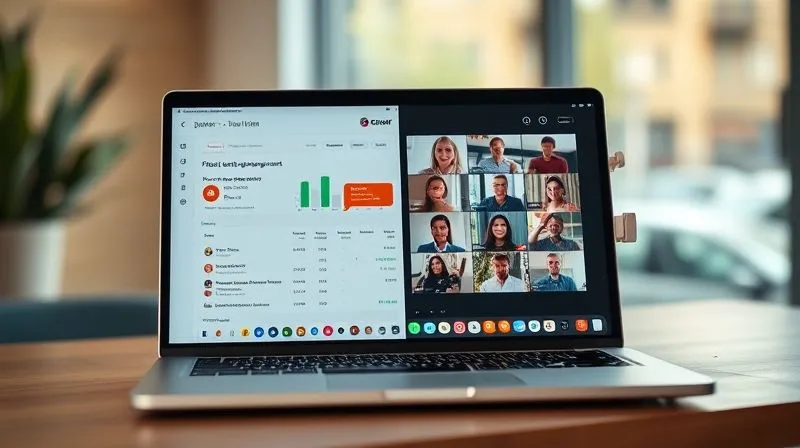
Project Management Platforms
Tools like Asana, Trello, Jira, or Monday.com are indispensable. They allow teams to:
- Break down projects into manageable tasks.
- Assign ownership and deadlines.
- Track progress visually (e.g., Kanban boards, Gantt charts).
- Facilitate asynchronous updates and communication.
These platforms provide a clear, real-time overview of who is working on what, the status of each task, and potential roadblocks, enabling managers to focus on removing obstacles rather than monitoring activity.
Communication & Collaboration Tools
Slack, Microsoft Teams, Google Workspace, and Zoom are crucial for maintaining connection and facilitating quick, informal communication. While not direct productivity measurement tools, they support the environment where flexible productivity thrives by ensuring information flows freely and decisions can be made efficiently.
Time Tracking (with a caveat)
While I advocate moving beyond 'hours logged' as a primary productivity metric, some roles or projects may require time tracking for billing, compliance, or project cost analysis. Tools like Toggl Track or Harvest can be used, but with a critical caveat: they should be used for resource allocation and billing, not as a direct measure of individual productivity. Emphasize trust and self-reporting, rather than using them for micromanagement.
The Power of Regular Feedback and Performance Conversations
Technology and KPIs are only half the battle. The human element – regular, constructive feedback and performance conversations – is paramount when measuring productivity effectively with flexible remote hours. This isn't about annual reviews; it's about continuous dialogue.
I've learned that managers need to become coaches, not just supervisors. They must be skilled in providing feedback that is specific, actionable, and focused on outcomes, helping employees understand how their work contributes and where they can improve.
Case Study: How InnovateCo Boosted Engagement
InnovateCo, a mid-sized software development firm, initially struggled with low engagement and a perception of uneven workloads after adopting flexible remote hours. Their traditional performance reviews were failing. By implementing a system of weekly 1:1 check-ins focused purely on project progress, obstacles, and personal development goals (rather than hours worked), they saw a dramatic shift. Managers were trained to ask open-ended questions like, "What's your biggest win this week?" and "What support do you need to hit your next milestone?" Within six months, employee engagement scores improved by 25%, and project delivery timelines became more predictable. This resulted in a more cohesive, productive, and satisfied remote workforce.
"Feedback is the breakfast of champions, especially in a remote setting where subtle cues are missed."
These conversations are opportunities to discuss the 'why' behind the metrics, address challenges, celebrate successes, and align individual contributions with team and company objectives. They build trust and ensure everyone feels seen and valued, even when working asynchronously. For more insights on effective feedback, consider resources like those found on Forbes' leadership section.
Cultivating a Culture of Trust and Autonomy
At the heart of measuring productivity effectively with flexible remote hours lies trust. If you don't trust your employees, no amount of measurement will truly succeed. A culture of trust empowers employees to take ownership of their work and their schedules, knowing they are judged on their results, not their presence.
From my vantage point, leaders must actively build and reinforce this trust. It means setting clear expectations, providing the necessary resources, and then stepping back to allow autonomy. It's a delicate balance, but one that pays dividends in loyalty and high performance.
- Lead by Example: Managers demonstrating trust in their own work habits.
- Transparency: Clearly communicate goals, challenges, and successes.
- Empowerment: Give employees decision-making power over their work processes.
- Support, Not Surveillance: Offer help and resources, not constant monitoring.
- Celebrate Successes: Acknowledge achievements, fostering a positive reinforcement loop.

Data Analysis and Continuous Improvement: Iterating for Success
Once you've defined your outcomes, set your KPIs, and implemented your tools, the work isn't over. The true power of measuring productivity effectively with flexible remote hours comes from analyzing the data and using it for continuous improvement. This is an iterative process, not a one-time setup.
I always emphasize that data should inform, not dictate. It's a starting point for conversations, not a final judgment. Regularly review your metrics to identify trends, pinpoint areas for improvement, and understand what's working well.
Understanding the 'Why' Behind the Numbers
Don't just look at the numbers; ask why. If project completion rates drop, investigate. Is it a lack of resources? Unclear expectations? Burnout? The data points you to the problem, but human insight and conversation provide the solution. This is where the qualitative feedback from 1:1s becomes invaluable, adding context to the quantitative data.
Consider conducting quarterly business reviews (QBRs) or team retrospectives specifically to discuss productivity metrics. Involve the team in analyzing the data and brainstorming solutions. This fosters a sense of shared ownership and ensures the measurement system serves the team, not the other way around. A comprehensive guide on data-driven decision making can be found on resources like McKinsey & Company.
| Metric | Q1 Average | Q2 Average | Action Item |
|---|---|---|---|
| Project On-Time Delivery | 85% | 78% | Review project scoping & resource allocation |
| Task Throughput (per person) | 15 tasks | 17 tasks | Investigate efficiency gains, replicate best practices |
| Quality Score (Avg.) | 4.2/5 | 4.0/5 | Reinforce quality standards, provide additional training |
| Team Engagement Score | 7.5/10 | 7.8/10 | Continue fostering autonomy & feedback channels |
Avoiding Common Pitfalls in Remote Productivity Measurement
While the path to effective remote productivity measurement is clear, there are common traps I've seen organizations fall into. Being aware of these can save you a lot of headaches and prevent your efforts from backfiring.
- Micromanagement via Tools: Using activity trackers to monitor keystrokes or screen time is a surefire way to erode trust and kill morale. Focus on outcomes, not constant surveillance.
- One-Size-Fits-All Metrics: Different roles and teams require different KPIs. A sales team's metrics will vary significantly from a creative team's. Customize your approach.
- Ignoring Qualitative Data: Relying solely on numbers can lead to a skewed, incomplete picture. Human feedback and sentiment are crucial for context.
- Lack of Communication: If employees don't understand *why* they are being measured and *how* the data is used, they will likely feel alienated or suspicious.
- Rigid Goal Setting: Flexible work demands flexible goal setting. Be prepared to adapt and iterate based on real-world performance and feedback.
- Burnout Blindness: High productivity numbers might mask burnout if not balanced with engagement and well-being metrics. Sustainable productivity is key.

Frequently Asked Questions (FAQ)
Q: Is it really possible to maintain high productivity with fully flexible hours, or do some structure? Absolutely, it's possible. The key isn't a lack of structure, but a shift in the *type* of structure. Instead of time-based structure, you implement outcome-based structure. Clear project definitions, deadlines, and communication protocols provide the necessary framework, allowing individuals to decide *when* they tackle tasks. Many highly successful companies operate with fully flexible, asynchronous models by mastering this distinction.
Q: How do you prevent employees from feeling like they are constantly being watched or judged by these metrics? This comes down to transparency, communication, and culture. Firstly, involve employees in the KPI selection process. Explain *why* certain metrics are chosen and *how* they contribute to team and company goals. Secondly, emphasize that metrics are tools for improvement and resource allocation, not punitive measures. Regular, positive feedback and a focus on coaching, rather than policing, are essential. Build trust by demonstrating that the data helps everyone succeed, not just expose failures.
Q: What if a team member's productivity drops? How do I address it constructively in a flexible remote setting? Start with empathy and curiosity, not accusation. Refer to the data (e.g., "I noticed a dip in your task completion rate over the last two weeks") but immediately follow with open-ended questions: "Is there anything affecting your ability to deliver?" or "What support do you need?" It could be personal challenges, unclear instructions, resource constraints, or burnout. Your role is to understand the root cause and collaborate on solutions, offering support and adjustments, rather than issuing ultimatums.
Q: Should I use a dedicated productivity monitoring software that tracks activity? In my professional opinion, generally no, for knowledge work. While such software exists, it often creates a hostile, low-trust environment that can severely damage morale and lead to high employee turnover. It signals a lack of trust and shifts focus from valuable outcomes to superficial activity. For specific operational roles where activity tracking is genuinely critical for compliance or safety, it might be considered, but with extreme caution and full transparency. For most flexible remote teams, focus on outcome-based tools and clear communication instead.
Q: How can I ensure fairness when comparing productivity across different roles or teams with varied responsibilities? Fairness is achieved by customizing KPIs to each role and team's unique contributions. Avoid comparing a software engineer's 'lines of code' to a marketing manager's 'campaign reach.' Instead, focus on the specific, measurable outcomes relevant to their individual objectives. Use benchmarks within similar roles or historical performance for context. The goal isn't to create a universal leaderboard but to ensure each team and individual is meeting their specific, agreed-upon goals effectively.
Key Takeaways and Final Thoughts
Measuring productivity effectively with flexible remote hours isn't a dark art; it's a strategic shift from outdated paradigms to a future-forward, outcome-centric approach. As an industry veteran, I can attest that the companies thriving in this new landscape are those that embrace trust, clarity, and continuous improvement.
- Shift Your Mindset: Move beyond 'time in chair' to focus on tangible outputs and impact.
- Define Clear Outcomes: Establish specific, measurable deliverables for every role and project.
- Choose the Right KPIs: Select a balanced mix of quantitative and qualitative metrics that truly reflect performance.
- Leverage Smart Tools: Utilize project management and collaboration platforms to foster transparency, not surveillance.
- Prioritize Feedback: Engage in regular, constructive performance conversations to coach and support your team.
- Build Trust: Cultivate a culture of autonomy and accountability where employees feel empowered.
- Iterate and Improve: Continuously analyze data and adapt your strategies for sustainable success.
Embracing these principles will not only allow you to measure productivity effectively with flexible remote hours but will also build a more resilient, engaged, and high-performing remote workforce. The future of work is flexible, and with the right approach, your organization can lead the way.
Recommended Reading
- Unlock Project Success: How to Improve Cross-Functional Communication in Projects
- 7 Steps to Fair Reviews: Avoid Biases & Boost Employee Growth
- Cracking the Code: Overcoming Challenges of Managing Multiple Franchise Locations Effectively
- Unlock the Secret: How to Drastically Reduce Cart Abandonment on Your Digital Storefront
- 7 Proven Strategies: How to Effectively Scale Agile in Large Enterprises





Comments
Leave a comment below. Your email will not be published. Required fields marked with *