


How to Motivate a Demotivated Sales Team to Hit Quarterly Targets?
For over 15 years in the trenches of sales leadership, I've witnessed the ebb and flow of team morale. There's a particular dread that settles in when you see a once-vibrant sales team lose its spark, its enthusiasm dulled by missed targets, increasing pressure, or perhaps an unclear path forward. It's a challenging situation, one that often leaves managers feeling helpless and targets slipping further out of reach.
The symptoms are painfully familiar: declining activity metrics, a lack of proactive prospecting, disengagement in team meetings, and a palpable sense of resignation. This isn't just about individual underperformance; it's a systemic issue that infects the entire sales culture, directly impacting your bottom line and making those quarterly targets seem like an insurmountable Everest.
But here's the good news: demotivation isn't a terminal condition. It's a signal, an opportunity for leadership to step in, diagnose the underlying issues, and implement targeted, empathetic, and strategic interventions. In this definitive guide, I'll share actionable frameworks, real-world insights, and expert-backed strategies to not only re-ignite your sales team's drive but also to equip them with the tools and mindset needed to crush their quarterly targets and beyond.
Diagnosing the Root Causes of Demotivation
Before you can effectively motivate a demotivated sales team, you must first understand *why* they're demotivated. Guesswork leads to wasted effort and further frustration. In my experience, demotivation rarely stems from a single factor; it's often a complex interplay of several issues.
Lack of Clear Vision and Goals
Imagine setting sail without a compass or a destination. That's how many sales reps feel when their goals are ambiguous, constantly shifting, or disconnected from a larger company vision. Without a clear understanding of 'why' their efforts matter and 'what' success looks like, daily tasks can feel meaningless.
Ineffective Compensation Structures
While money isn't the *only* motivator, a poorly designed or perceived unfair compensation plan can be a huge demotivator. If reps feel their hard work isn't adequately rewarded, or if the targets seem unattainable given the commission structure, their drive will inevitably wane. It’s critical that the plan is transparent, achievable, and competitive.
Insufficient Training and Development
Sales is an ever-evolving field. If your team isn't receiving continuous training, skill development, or access to new tools and techniques, they'll feel ill-equipped and quickly fall behind. This leads to a lack of confidence, increased failure rates, and ultimately, demotivation. Stagnation is the enemy of growth.
Poor Leadership and Communication
A sales manager's role is pivotal. Micromanagement, lack of support, inconsistent feedback, or a failure to communicate effectively can quickly erode trust and morale. Conversely, a distant or disengaged leader can leave a team feeling adrift and undervalued. Harvard Business Review emphasizes the importance of empathetic leadership in fostering engagement.
Burnout and Work-Life Imbalance
The relentless pressure of sales, coupled with long hours and the emotional toll of constant rejection, can lead to severe burnout. When reps are exhausted, both mentally and physically, their productivity plummets, and their motivation evaporates. Ignoring this human element is a recipe for high turnover and sustained underperformance.
Key Insight: "True motivation begins with accurate diagnosis. Don't assume; investigate with empathy, data, and direct conversations to uncover the real pain points."

Re-establishing Purpose: Vision, Goals, and Autonomy
Once you understand the 'why,' the next step is to re-establish a compelling 'why' for your team. People are motivated by purpose, not just paychecks. As a leader, it's your job to connect their daily efforts to a larger, meaningful vision.
- Communicate a Clear and Inspiring Vision: Articulate where the company is going and how the sales team is critical to that journey. Make it aspirational, not just about revenue. 'We're not just selling software; we're empowering businesses to transform their operations.'
- Collaborative Goal Setting: Involve your team in setting quarterly targets. When reps have a say in their goals, they take ownership. This doesn't mean letting them set unrealistic goals; it means guiding them to understand the 'stretch' while ensuring achievability.
- Connect Individual Contributions to Big Picture: Regularly highlight how specific deals or individual efforts contributed to larger company milestones or customer success stories. Publicly celebrate these connections.
Actionable Steps for Goal Setting:
- Review Past Performance Transparently: Analyze previous quarter's data with the team, identifying successes and areas for improvement.
- Define Team-Level Quarterly Objectives: Based on company goals, establish the overall sales team targets for the quarter.
- Facilitate Individual Goal Alignment: Work with each rep to break down the team goal into personal, actionable, and SMART (Specific, Measurable, Achievable, Relevant, Time-bound) objectives. Ensure these include activity metrics (calls, demos) as well as outcome metrics (revenue).
- Empower Autonomy in Execution: While goals are set, give reps the freedom to strategize *how* they will achieve them. Trusting their judgment fosters a sense of ownership and competence.
Key Insight: "Autonomy, mastery, and purpose are the three pillars of intrinsic motivation. Cultivate an environment where your team feels they own their work, are constantly improving, and understand their impact."
Revamping Incentives: Beyond the Commission Check
While purpose is paramount, effective incentives are the fuel that keeps the engine running. A demotivated team often feels their efforts aren't being adequately recognized or rewarded. This isn't just about more money; it's about *smarter* rewards that align with motivation psychology.
Performance-Based Bonuses and Tiered Commissions
Review your compensation plan. Is it competitive? Is it clear? Are the targets achievable but challenging? Consider tiered commission structures that reward over-performance significantly. Implement bonuses for hitting specific KPIs beyond just revenue, such as new logo acquisition, upsells, or customer retention, to encourage desired behaviors.
Non-Monetary Recognition and Rewards
Often overlooked, non-monetary rewards can be incredibly powerful. Public acknowledgment in team meetings, peer-to-peer recognition programs, a 'President's Club' trip, extra PTO, a personalized gift, or even a simple, heartfelt thank-you can make a huge difference. These show appreciation and build camaraderie.
Professional Development and Career Pathing
Many reps are motivated by growth. Offering access to advanced sales training, industry conferences, mentorship opportunities, or clear pathways for career progression (e.g., from SDR to AE, or AE to Team Lead) demonstrates an investment in their future. This commitment can be a stronger motivator than a temporary bonus.
Key Insight: "The most effective incentive programs are a blend of financial rewards for hitting targets and non-financial recognition that celebrates effort, growth, and team contribution."
| Incentive Type | Examples | Impact on Motivation |
|---|---|---|
| Monetary | Tiered Commissions, Quarterly Bonuses, Spiffs, Stock Options | Direct financial reward, immediate gratification, competitive drive |
| Non-Monetary Recognition | Public Recognition, Peer Awards, Personalized Gifts, Team Dinners | Boosts morale, fosters belonging, validates effort, builds team spirit |
| Professional Development | Advanced Training, Conference Attendance, Mentorship, Career Pathing | Long-term growth, skill enhancement, increased confidence, loyalty |
According to a Deloitte study on employee experience, organizations that prioritize recognition are 2.5 times more likely to have highly engaged employees. This isn't just theory; it's a proven strategy for boosting morale and performance.
Empowering Through Coaching, Training, and Resources
A demotivated team often feels stuck, lacking the skills or tools to succeed. Your role as a leader is to unblock them, providing the necessary support to overcome challenges and build confidence.
Implementing a Structured Coaching Program
Coaching is not just about telling reps what to do; it's about guiding them to discover their own solutions. Implement regular, structured 1-on-1 coaching sessions. Focus on skill development, strategic thinking, and overcoming specific obstacles. Use call recordings, CRM data, and role-playing to provide targeted feedback. The goal is improvement, not just critique.
Continuous Skill Development and Product Knowledge
Invest in ongoing training. This could be workshops on new sales methodologies, deep dives into product updates, competitive intelligence sessions, or even soft skills like negotiation and active listening. A well-trained team is a confident team. Provide access to online learning platforms or internal experts.
Leveraging Sales Technology (CRM, AI Tools)
Ensure your team has the right tools to be efficient and effective. An outdated CRM, clunky communication tools, or a lack of access to lead generation software can be a massive drain on morale and productivity. Modern sales tools can automate tedious tasks, provide valuable insights, and free up reps to do what they do best: sell.
Case Study: How Zenith Solutions Boosted Sales by 20% Through Targeted Coaching
Zenith Solutions, a B2B SaaS company, faced stagnant growth and a noticeable dip in sales team morale. Their reps felt overwhelmed by complex product offerings and struggled to articulate value propositions effectively. Recognizing the issue, their sales director implemented a new, structured coaching program. Each rep received weekly 30-minute 1-on-1 sessions focused on specific skill gaps identified through call recordings and CRM activity. They also introduced bi-weekly 'power hours' for product deep dives and competitive analysis. Within two quarters, the team's average deal size increased by 15%, and their conversion rates improved by 8%, leading to a 20% overall boost in sales. The key was consistent, personalized, and data-driven coaching that empowered reps to master their craft.
Key Insight: "Coaching is the most powerful lever a sales manager has. It transforms individual potential into collective performance, fostering a sense of growth and achievement."

Fostering a Culture of Support and Psychological Safety
A demotivated team often operates in an environment where fear of failure is high, and support is perceived as low. Building a culture of psychological safety is crucial for re-engaging your team.
Open Communication Channels and Feedback Loops
Create an environment where reps feel comfortable sharing challenges, asking for help, and even admitting mistakes without fear of retribution. Implement regular feedback loops, not just from manager to rep, but also peer-to-peer. Encourage constructive criticism and celebrate learning from failures.
Celebrating Small Wins and Team Achievements
Don't wait for the quarterly target to be hit to celebrate. Acknowledge progress, celebrate successful calls, new meetings booked, or particularly challenging objections overcome. These 'small wins' build momentum and reinforce positive behaviors. Create a culture where team members uplift each other.
Promoting Work-Life Balance and Well-being
Demotivation can often stem from burnout. Encourage your team to take breaks, use their vacation time, and maintain a healthy work-life balance. Lead by example. Consider initiatives like wellness challenges, flexible working hours where possible, or mental health resources. A well-rested and balanced team is a more productive and motivated team.
Key Insight: "Psychological safety isn't about being 'nice'; it's about creating an environment where risks can be taken, mistakes can be learned from, and innovation can flourish without fear."
As Forbes highlights, a positive company culture directly correlates with higher employee engagement and lower turnover rates. It's an investment that pays dividends in both performance and retention.
Data-Driven Performance Management and Transparency
When a team is demotivated, there's often a lack of clarity around performance expectations and how individual efforts contribute to results. Transparent, data-driven performance management can cut through this ambiguity and re-focus efforts.
Key Performance Indicators (KPIs) Beyond Revenue
While revenue is the ultimate goal, focus on leading indicators that reps can control: number of calls, qualified leads generated, demos booked, average sales cycle length, conversion rates at different stages of the funnel. These KPIs provide actionable insights and allow reps to see direct results of their efforts. Review these regularly in 1-on-1s.
Regular Performance Reviews and 1-on-1s
Formal quarterly or monthly reviews, coupled with informal weekly 1-on-1s, are essential. These aren't just for feedback; they're opportunities to discuss career aspirations, address challenges, and collaboratively set new goals. Make them forward-looking and developmental, not just backward-looking critiques.
Transparent Reporting and Goal Tracking
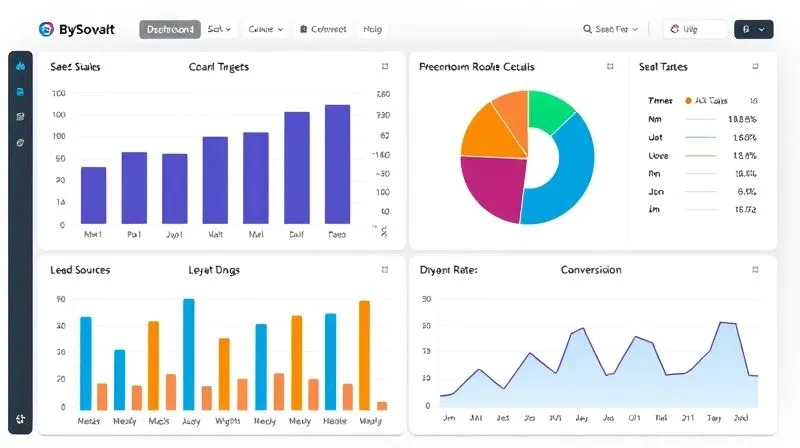
Use dashboards and shared reports to make team and individual progress highly visible. This fosters a sense of accountability and healthy competition. When reps can clearly see how they're tracking against their goals and how their efforts contribute to the team's overall success, it reinforces purpose and motivates action.
| KPI Category | Examples | Purpose |
|---|---|---|
| Activity Metrics | Calls Made, Emails Sent, Demos Booked, Meetings Held | Measure effort and pipeline generation |
| Efficiency Metrics | Conversion Rates (Lead-to-Opportunity, Opportunity-to-Win), Average Sales Cycle Length | Measure effectiveness of sales process |
| Outcome Metrics | Revenue Generated, Average Deal Size, Customer Acquisition Cost, Upsell/Cross-sell Rate | Measure financial results and growth |
Leading by Example: The Manager's Role in Motivation
Ultimately, a sales manager is the chief motivator. Your attitude, actions, and leadership style will profoundly impact your team's morale and performance. You can't expect your team to be energized if you aren't.
- Maintain a Positive and Resilient Attitude: Sales is tough. Your team looks to you for steadiness and optimism, especially during challenging times. Model resilience, learn from setbacks, and always focus on the next opportunity.
- Be Present and Accessible: Don't hide in your office. Be visible, join calls, offer real-time support, and make yourself available for questions and concerns. Active presence signals support.
- Demonstrate Passion and Belief: Show genuine enthusiasm for your product, your company, and your team's potential. Your belief in them is contagious.
- Practice Empathy and Understanding: Recognize that your reps are individuals with lives outside of work. Understand their challenges, celebrate their successes, and offer support when needed.
- Be a Coach, Not Just a Boss: Shift from a directive approach to a coaching mindset. Empower your team to solve problems, develop their skills, and grow professionally.
Key Insight: "Authentic leadership isn't about having all the answers; it's about inspiring belief, fostering growth, and creating an environment where your team feels empowered to achieve."
Frequently Asked Questions (FAQ)
How quickly can I expect to see results from these strategies? While some immediate morale boosts can occur with recognition and clearer communication, significant shifts in performance and sustained motivation typically take time. Expect to see noticeable improvements in activity metrics within 4-6 weeks, with a more substantial impact on revenue targets becoming evident over 1-2 full quarters. Consistency and patience are key.
What if my team is resistant to change? Resistance often stems from fear or a lack of understanding. Address this by involving the team in the change process, clearly communicating the 'why' behind new initiatives, and highlighting the benefits for them personally. Start with small, manageable changes, celebrate early successes, and gather feedback continuously to adapt your approach. Leading by example and showing empathy can also help overcome resistance.
How do I handle underperforming individuals after implementing these changes? With clear goals, consistent coaching, and adequate resources, true underperformers will become more apparent. Address this through a structured performance improvement plan (PIP). This involves setting clear, measurable expectations, providing specific support and training, and regular check-ins. If performance doesn't improve after a reasonable period (e.g., 30-60 days), tough decisions may need to be made, but only after you've exhausted all support options.
Should I involve the team in the motivation strategy planning? Absolutely. Involving your team in the planning phase is crucial. It fosters ownership, ensures the strategies are relevant to their actual pain points, and increases buy-in. Conduct surveys, hold brainstorming sessions, or create a 'motivation committee' to gather their insights and ideas. This collaborative approach makes the solutions more effective and sustainable.
What's the biggest mistake managers make when trying to motivate a demotivated team? The biggest mistake is often a 'one-size-fits-all' approach or trying to fix symptoms without diagnosing root causes. Every individual is motivated differently, and what demotivates one might not affect another. Failing to listen actively, not providing personalized coaching, or simply throwing more money at the problem without addressing underlying systemic issues are common pitfalls that lead to short-term fixes and long-term frustration.
Key Takeaways and Final Thoughts
Re-energizing a demotivated sales team to hit quarterly targets is one of the most challenging, yet rewarding, aspects of sales leadership. It requires a blend of strategic thinking, empathetic leadership, and consistent execution. There's no magic bullet, but by systematically addressing the root causes of demotivation, you can transform your team's performance and morale.
- Diagnose First, Treat Second: Understand the true reasons behind the demotivation before implementing solutions.
- Re-establish Purpose: Connect daily tasks to a larger vision and empower autonomy in goal achievement.
- Innovate Incentives: Go beyond commissions with a mix of monetary and non-monetary recognition and development opportunities.
- Invest in Growth: Prioritize coaching, continuous training, and providing the right sales technology.
- Cultivate a Supportive Culture: Foster psychological safety, open communication, and work-life balance.
- Lead with Data & Transparency: Use KPIs to track progress and ensure clear expectations.
- Be the Example: Your attitude and leadership style are your most powerful motivational tools.
Remember, motivation is not a finite resource; it's a renewable one. By creating an environment where your team feels valued, supported, skilled, and purposeful, you won't just hit your next quarterly targets – you'll build a resilient, high-performing sales organization ready to conquer any challenge. The journey starts now, with your commitment to understanding and empowering your people.
Recommended Reading
- Unlock Success: Avoid the Common Pitfalls in New Venture Creation
- Unlock Efficiency: The Ultimate Guide to Operational Process Audits
- 5 Proven Strategies: Conquer Digital Fatigue & Master Deep Work Remotely
- 9 Common VC Pitch Pitfalls & How to Master Your Fundraising Narrative
- Unlock the Secret: How to Reduce Customer Churn Through Exceptional Service





Comments
Leave a comment below. Your email will not be published. Required fields marked with *