

How to Optimize E-commerce Shipping to Stop Customer Churn Now?
For over 15 years in the e-commerce logistics trenches, I've seen firsthand how shipping can make or break a business. It's not just a cost center; it's a critical touchpoint, a silent brand ambassador, and, all too often, the insidious culprit behind customer churn. Many entrepreneurs pour their hearts into product development and marketing, only to find their efforts undermined by a leaky shipping strategy.
The pain point is palpable: customers abandon carts due to unexpected shipping costs, grow frustrated by slow deliveries, or feel neglected by a lack of communication. These seemingly minor friction points accumulate, eroding trust and sending once-loyal customers straight into the arms of competitors. In today's hyper-competitive online marketplace, every interaction counts, and shipping is a make-or-break moment.
But what if I told you that by strategically optimizing your e-commerce shipping, you could not only stop customer churn but actually transform your logistics into a powerful loyalty engine? This isn't just about cutting costs; it's about delivering an experience. In this definitive guide, I'll walk you through seven actionable strategies, backed by real-world insights and proven frameworks, designed to help you master your shipping logistics and build an unshakeable base of delighted, returning customers.
1. The Hidden Cost of Shipping: Why Churn Starts at the Checkout
Before we dive into solutions, we must fully grasp the problem. The 'hidden cost' of shipping isn't just the freight bill; it's the lost lifetime value of a customer who churns due to a poor delivery experience. I've witnessed countless businesses underestimate the psychological impact of shipping on their customers, treating it as a necessary evil rather than a strategic advantage.
Understanding the Customer Journey & Shipping Touchpoints
Customer churn doesn't just happen post-delivery. It can begin the moment a customer sees your shipping policy or estimated delivery times. High shipping costs are the number one reason for cart abandonment. Then, once an order is placed, a lack of communication, unexpected delays, or damaged goods can quickly sour the experience, guaranteeing they won't return.
The biggest mistake e-commerce businesses make is viewing shipping solely as an operational expense. It is, in fact, an integral part of the customer experience and a direct contributor to brand perception and loyalty. Treat it as such.
Common shipping complaints that lead to churn:
- Unexpected Costs: Shipping fees that appear late in the checkout process.
- Slow Delivery: Unrealistic delivery windows or delays without explanation.
- Lack of Transparency: No tracking information or vague delivery updates.
- Damaged Goods: Poor packaging leading to product damage.
- Difficult Returns: A convoluted or costly returns process.
Each of these points represents a potential churn trigger. Identifying and addressing them systematically is the first step in how to optimize e-commerce shipping to stop customer churn now.
2. Mastering Transparency: Communication as Your Churn Shield
In my experience, a significant portion of shipping-related churn stems from a lack of clear, proactive communication. Customers don't mind waiting if they know *why* and *how long*. What they despise is uncertainty and feeling out of the loop. Transparency builds trust, and trust is the bedrock of customer loyalty.
Pre-Purchase Clarity: Setting Realistic Expectations
It all starts before the 'Add to Cart' button is even clicked. Don't hide shipping costs or delivery timelines. Be upfront and clear.
- Prominently Display Shipping Policies: Make your shipping costs, delivery estimates, and return policy easily accessible from product pages, the cart, and the footer.
- Offer Real-time Shipping Calculators: Integrate tools that allow customers to estimate shipping costs based on their location before they even reach checkout.
- Clearly State Cut-off Times: If orders placed after 2 PM won't ship until the next day, state it clearly. Manage expectations proactively.
- Define 'Free Shipping' Thresholds: If you offer free shipping above a certain order value, promote it aggressively. This can also boost average order value.
In-Transit Updates: The Power of Proactive Communication
Once an order is placed, the communication shouldn't stop. Proactive updates transform anxiety into anticipation.
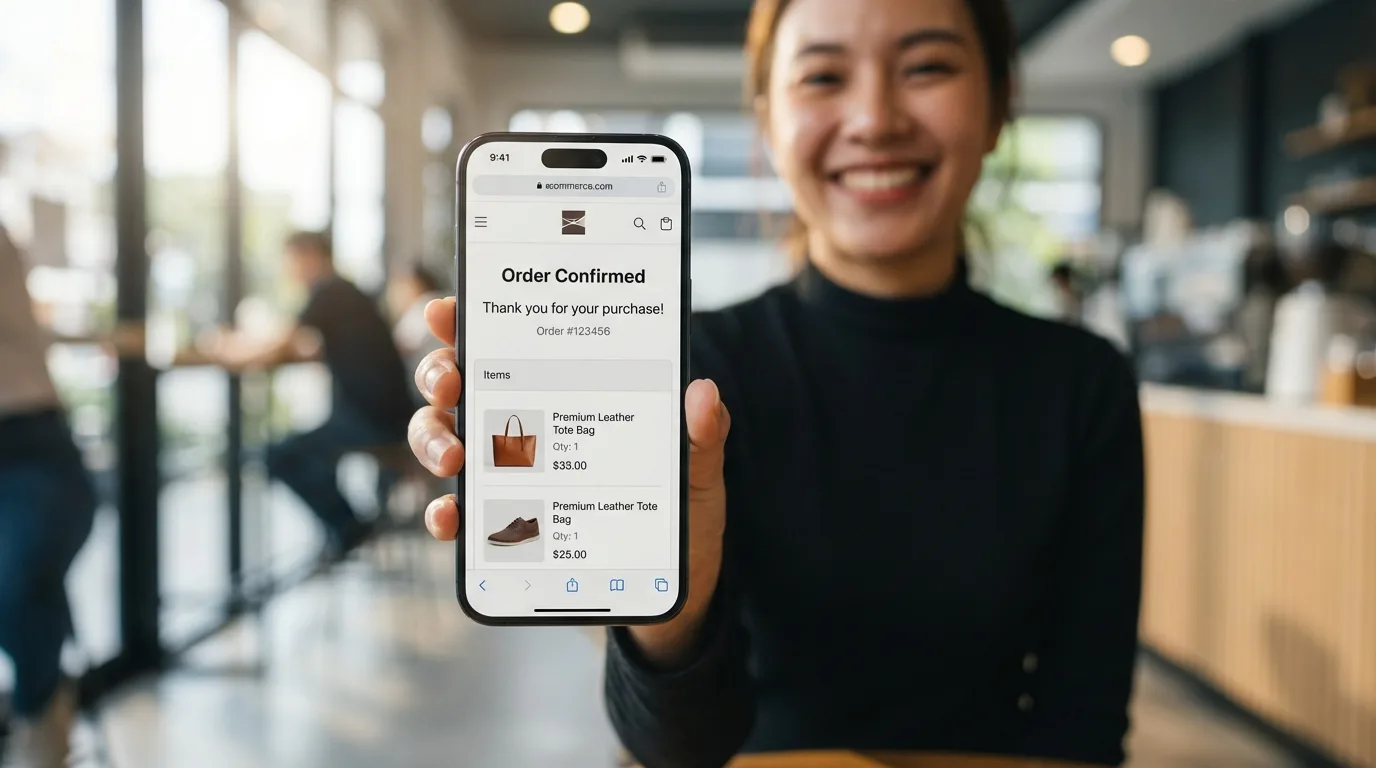
- Order Confirmation: Immediately after purchase, confirm the order details, shipping address, and estimated delivery window.
- Shipping Confirmation with Tracking: As soon as the item ships, send another email with a tracking number and a direct link to the tracking page.
- Proactive Delay Notifications: If there's a known delay (weather, carrier issues), inform customers *before* they contact you. Offer apologies and revised estimates.
- Delivery Notifications: Confirm delivery, perhaps with a photo if possible, and invite feedback.
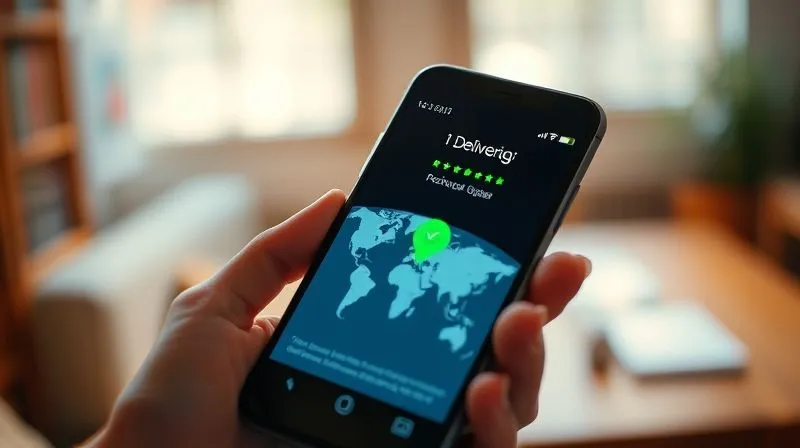
In a world where information is abundant, withholding it creates suspicion. Over-communicate, especially when it comes to delivery status. It's a small effort with an enormous payoff in customer satisfaction.
According to a study by Deloitte, customers value transparency and communication throughout the entire purchase journey, and this is especially true for shipping. Brands that excel at this often see higher repeat purchase rates.
3. Speed vs. Cost: Finding Your E-commerce Shipping Sweet Spot
This is the eternal dilemma for e-commerce businesses: how to balance customer demand for speed with the realities of shipping costs. The answer isn't always 'faster is better'; it's about offering *options* and understanding your customer's willingness to pay for speed.
Analyzing Your Shipping Data: A Deep Dive into Delivery Times
You can't optimize what you don't measure. Start by analyzing your current shipping performance. Look at average delivery times for different regions, carriers, and shipping methods. Identify bottlenecks and common delay points.
| Shipping Method | Average Cost | Customer Preference | Impact on Churn |
|---|---|---|---|
| Standard (3-7 days) | $7.50 | 60% | Moderate |
| Expedited (2-3 days) | $15.00 | 30% | Low |
| Overnight (1 day) | $30.00 | 10% | Very Low |
| Free (5-10 days) | $0.00 | 80% (when threshold met) | High (if too slow) |
Offering Tiered Shipping Options: Empowering Customer Choice
Not every customer needs or wants overnight shipping. By offering a range of options, you empower customers to choose what's best for them, mitigating churn by aligning with their specific needs and budget.
- Standard Shipping: The most economical option, with a clear, realistic delivery window.
- Expedited Shipping: A faster option for those willing to pay a premium.
- Free Shipping Threshold: Encourage larger orders by offering free standard shipping above a certain cart value.
- Local Pickup/Delivery: If applicable, provide options for customers in your immediate vicinity.
Case Study: How 'SwiftStyle' Slashed Churn with Optimized Speed
SwiftStyle, a mid-sized online fashion retailer, faced a 25% cart abandonment rate, with 'shipping cost/speed' cited as the primary reason. By implementing a tiered shipping strategy, they saw significant improvements. They introduced a 'Standard' (3-5 days), 'Express' (1-2 days) at a premium, and 'Free Shipping' for orders over $75. Crucially, they also partnered with a regional carrier for faster local deliveries. Within six months, their cart abandonment dropped to 10%, and repeat customer rates increased by 18%. This resulted in a 30% increase in overall revenue, proving that how to optimize e-commerce shipping to stop customer churn now often involves smart, flexible options.
4. Returns as Retention: Turning a Cost Center into a Loyalty Driver
The returns process is often viewed as a necessary evil, a cost center to be minimized. However, I've seen savvy e-commerce businesses transform their returns policy into a powerful tool for customer retention. A seamless, hassle-free returns experience can actually build trust and encourage future purchases.
The Strategic Advantage of a Seamless Returns Process
Think about it: customers often buy knowing they have the safety net of a good return policy. If that safety net is riddled with holes (complicated forms, hidden fees, slow refunds), their trust in your brand evaporates. Conversely, an easy return process signals confidence in your product and a commitment to customer satisfaction, even when things don't work out.
Implementing a Customer-Friendly Returns Policy
- Clear and Concise Policy: Make your returns policy easy to find, understand, and free of jargon.
- Extended Return Windows: Consider offering a 30, 60, or even 90-day return window, especially for seasonal items.
- Free Returns (Where Possible): If feasible, offering free return shipping can be a massive differentiator. If not, be transparent about who pays.
- Automated Returns Portal: Implement a self-service online portal where customers can initiate returns, print labels, and track their refund status.
- Prompt Refunds: Process refunds quickly once the returned item is received and inspected.
A good returns policy isn't just about reducing friction; it's about building a long-term relationship. It tells your customer, 'We stand behind our products, and we stand by you.' This fosters immense loyalty.
Research from industry experts like Harvard Business Review consistently shows that generous and easy return policies lead to higher sales and increased customer loyalty over time, despite the initial perceived cost.
5. The Last-Mile Imperative: Delivering Delight, Not Disappointment
The 'last mile' – the final leg of a package's journey from a distribution center to the customer's doorstep – is arguably the most critical and often the most challenging aspect of e-commerce shipping. It's where all your prior optimization efforts can shine or spectacularly fail. This is the moment of truth for customer satisfaction.
Local Delivery & Micro-Fulfillment: Adapting to Urban Demands
In densely populated areas, traditional hub-and-spoke models can be inefficient. Micro-fulfillment centers (MFCs) located closer to urban centers or even offering local delivery services can drastically cut down last-mile delivery times and costs. This is particularly relevant for businesses with high order volumes in specific geographic areas.
- Strategic Partnerships: Collaborate with local courier services or specialized last-mile delivery providers who understand the nuances of urban logistics.
- In-store Pickup (BOPIS): For brick-and-mortar retailers, offering Buy Online, Pick Up In Store (BOPIS) is a fantastic way to eliminate last-mile issues and drive foot traffic.
- Locker Delivery: Utilizing secure package lockers provides convenience for customers who might not be home during delivery hours.
Leveraging Technology: Route Optimization and Predictive Analytics
Technology is your best friend in conquering the last mile. Modern logistics software can optimize delivery routes, minimize fuel consumption, and provide real-time tracking for both you and your customers.
- Route Optimization Software: Tools that analyze traffic, delivery windows, and multiple stops to create the most efficient delivery routes.
- Predictive Analytics: Using data to forecast demand, identify potential delays, and proactively adjust shipping strategies.
- Real-time Driver Tracking: Offering customers the ability to see their delivery on a map, similar to ride-sharing apps, can significantly enhance satisfaction.
As Forbes highlights, investing in last-mile technology is no longer a luxury but a necessity for e-commerce businesses aiming for sustained growth and reduced churn.
6. Sustainable Shipping: A New Dimension of Customer Loyalty
In today's environmentally conscious market, sustainable practices are no longer just a 'nice-to-have'; they're a powerful differentiator and a key driver of customer loyalty. Integrating eco-friendly shipping initiatives into your strategy can resonate deeply with consumers and significantly reduce churn among ethically minded buyers.
Eco-Friendly Packaging & Carbon Offsetting Initiatives
Your packaging is often the first physical interaction a customer has with your brand. Make it count by making it green.
- Recycled and Recyclable Materials: Opt for packaging made from post-consumer recycled content and ensure it's easily recyclable by the end-user.
- Compostable Packaging: Explore options like cornstarch-based or mushroom-based packaging that can break down naturally.
- Right-Sizing Packaging: Avoid using oversized boxes for small items. This reduces waste and shipping volume.
- Carbon Offsetting: Partner with organizations that offset the carbon emissions generated by your shipments. Communicate this effort clearly to your customers.
Communicating Your Green Efforts: Building Brand Trust
Don't let your sustainable efforts go unnoticed. Integrate them into your brand story and communicate them across your channels.
- Website & Product Pages: Highlight your eco-friendly packaging and carbon-neutral shipping badges.
- Order Confirmation Emails: Briefly mention your commitment to sustainable shipping.
- Social Media: Share behind-the-scenes glimpses of your sustainable practices.
Customers increasingly vote with their wallets, prioritizing brands that align with their values. Sustainable shipping isn't just good for the planet; it's good for business and a powerful weapon against churn.
7. Data-Driven Decisions: Continuously Optimizing Your Shipping Strategy
The e-commerce landscape is dynamic, and your shipping strategy shouldn't be static. To truly optimize e-commerce shipping to stop customer churn now, you need to embrace a culture of continuous improvement, driven by data and analytics. What worked yesterday might not work tomorrow.
Key Metrics to Monitor: Beyond Just Delivery Time
While delivery speed is important, a holistic view requires tracking several key performance indicators (KPIs):
| Metric | Description | Goal |
|---|---|---|
| Average Delivery Time (ADT) | Time from order placement to delivery. | Lower/Consistent |
| On-Time Delivery Rate (OTD) | Percentage of orders delivered within the promised window. | 95%+ |
| Shipping Cost Per Order (SCPO) | Total shipping costs divided by total orders. | Optimized/Controlled |
| Damaged Goods Rate | Percentage of orders arriving damaged. | <1% |
| Customer Inquiry Rate (Shipping) | Volume of customer service tickets related to shipping. | Lower |
| Return Rate (Shipping-related) | Returns directly attributed to shipping issues. | <1% |
A/B Testing Shipping Options and Communication
Don't guess; test. A/B test different shipping options, pricing structures, and communication strategies to see what resonates best with your audience. For example, test whether 'Free Shipping on orders over $50' performs better than 'Flat Rate Shipping $5'.
- Test Landing Pages: Experiment with how shipping information is presented on product pages and checkout.
- Email Sequences: A/B test different subject lines or content for shipping confirmation and delay notifications.
- Carrier Performance: Periodically evaluate different carriers based on your KPIs to ensure you're getting the best service for your cost.
As renowned marketing guru Seth Godin often says, "The only way to fail is to not try." Continuous testing and iteration, informed by robust data, is the bedrock of a truly optimized shipping strategy that keeps customers coming back. Learn more about effective A/B testing strategies here.
Frequently Asked Questions (FAQ)
How do I balance offering fast shipping with keeping my costs down, especially as a small business? This is a common challenge. Start by optimizing your internal fulfillment processes to reduce handling times. Then, leverage regional carriers for local deliveries, which are often faster and cheaper than national carriers for shorter distances. Consider offering tiered shipping, where customers pay a premium for speed, or a free shipping threshold to encourage larger orders that can absorb some of the shipping cost. Don't promise what you can't deliver; accurate, slightly longer estimates are better than missed fast ones.
What if my products are bulky or require special handling, making shipping inherently expensive? For bulky or specialized items, transparency is paramount. Be upfront about shipping costs on product pages, perhaps even integrating a shipping calculator. Explore freight shipping options and negotiate rates with specialized carriers. You might also need to adjust your pricing strategy to factor in a portion of the shipping cost, or clearly articulate why the shipping cost is higher (e.g., 'White Glove Delivery' for furniture). Focus on the value proposition of the product itself to justify the cost.
Can a poor returns policy really cause customer churn, even if the initial delivery was perfect? Absolutely. The post-purchase experience extends to returns. If a customer receives a perfect product but needs to return it for any reason (wrong size, gift, change of mind), a cumbersome or costly returns process can severely damage their perception of your brand. They might think, 'What if I need to return something again?' and choose a competitor next time. An easy return process builds trust and provides a safety net, encouraging repeat purchases.
What's the most critical metric to track if I want to reduce shipping-related churn immediately? While many metrics are important, if you're looking for immediate impact on churn, focus on your 'On-Time Delivery Rate (OTD)' and 'Customer Inquiry Rate (Shipping-related)'. A low OTD directly correlates with frustration and churn. A high inquiry rate indicates confusion, lack of transparency, or unresolved issues, all of which are churn indicators. Improving these two will directly address customer pain points.
How much does sustainable shipping truly impact customer loyalty and churn rates? The impact of sustainable shipping is growing significantly. Younger demographics, in particular, are willing to pay more for eco-friendly brands. While it might not be the primary driver for all customers, for a substantial and growing segment, it's a key factor in their purchasing decisions. Brands seen as environmentally responsible often enjoy higher loyalty and lower churn from this segment. It differentiates you in a crowded market and builds a positive brand image, which indirectly reduces churn.
Key Takeaways and Final Thoughts
In the fiercely competitive world of e-commerce, shipping is no longer just a logistical necessity; it's a strategic battleground for customer loyalty. The question of how to optimize e-commerce shipping to stop customer churn now isn't just about efficiency; it's about empathy, transparency, and delivering an exceptional end-to-end experience. By treating every package as an opportunity to reinforce your brand's commitment to satisfaction, you transform a potential pain point into a powerful loyalty engine.
- Prioritize Transparency: Clear communication pre-purchase and proactive updates during transit are non-negotiable.
- Offer Choice: Give customers options for speed and cost to align with their individual needs.
- Embrace Returns as Retention: A seamless returns process builds trust and encourages repeat business.
- Conquer the Last Mile: Leverage technology and local partnerships to ensure delightful deliveries.
- Go Green: Integrate sustainable practices to resonate with conscious consumers and build brand affinity.
- Be Data-Driven: Continuously monitor KPIs and A/B test strategies to stay agile and optimized.
Remember, every package delivered is an opportunity to either delight or disappoint. By implementing these expert-level strategies, you're not just moving boxes; you're building relationships, fostering trust, and ensuring that your customers don't just buy once, but keep coming back for more. The investment in optimized shipping is an investment in your business's future. Stay informed on the latest e-commerce trends and logistics innovations here.
Recommended Reading
- 5 Steps: How to Pivot Business Model When Disruption Hits Suddenly
- The Founder's Blueprint: Proven Strategies for Calculated Risk Taking
- Quick Pivot: How to Master Innovation Strategy in Market Disruption
- 7 Steps to Recover from a Failed International Market Entry Strategy
- Scale Influencer Marketing Authentically: 7 Proven Strategies



Comments
Leave a comment below. Your email will not be published. Required fields marked with *