


How to pivot franchise operations for emerging consumer tech trends?
For over two decades in the franchising world, I've witnessed incredible transformations – from the rise of the internet to the mobile revolution. But what I'm seeing now, with the rapid acceleration of consumer tech trends, feels different. It's not just an evolution; it's a seismic shift demanding that franchise operations pivot, not just adapt. I've seen countless well-established franchises struggle, even fail, because they underestimated the pace of change.
The core problem for many franchise systems today is a growing chasm between consumer expectations, shaped by their daily interactions with cutting-edge technology, and the often traditional operational models of franchise businesses. Consumers now expect instant gratification, hyper-personalization, seamless digital experiences, and transparency – and if you're not delivering, your competitors, often digitally native, will be.
In this definitive guide, I'll walk you through a proven framework for not just reacting to, but proactively embracing, emerging consumer tech trends. You'll gain actionable strategies, backed by real-world insights and expert data, to future-proof your franchise, empower your franchisees, and ultimately, capture the hearts and wallets of the modern consumer. This isn't just about survival; it's about thriving in a tech-driven future.
Understanding the Shifting Sands of Consumer Tech
Before we can pivot, we must first understand the landscape we're navigating. The consumer of today is fundamentally different from the consumer of even five years ago. Their habits, expectations, and decision-making processes are inextricably linked to technology.
The Rise of the Digitally Fluent Consumer
Consumers across all demographics are becoming increasingly digitally fluent. They spend hours on their smartphones, interact with AI assistants, expect personalized recommendations from streaming services, and seamlessly switch between online and offline channels. This isn't just a younger generation phenomenon; grandparents are video-calling, ordering groceries online, and managing smart homes. Their experiences with tech giants like Amazon, Apple, and Google set a new, higher bar for every interaction they have, including with your franchise.
Key Emerging Technologies Impacting Retail & Services
Several technologies are not just emerging; they are converging to redefine the consumer experience. Ignoring these is no longer an option.
- AI & Personalization: From predictive analytics recommending products to AI-powered chatbots providing instant customer service, AI is enabling unprecedented levels of personalization and efficiency.
- Mobile-First Everything: Mobile devices are no longer just communication tools; they are the primary interface for shopping, banking, entertainment, and increasingly, interacting with physical stores.
- IoT & Smart Environments: The Internet of Things (IoT) is creating connected environments, from smart homes to smart stores, offering new data streams and opportunities for automation and enhanced customer experiences.
- Augmented Reality (AR) in Customer Experience: AR allows customers to 'try on' products virtually, visualize furniture in their homes, or navigate complex spaces, bridging the physical and digital worlds in engaging ways.
- Blockchain for Transparency & Loyalty: While still nascent in consumer applications, blockchain offers potential for secure loyalty programs, transparent supply chains, and verifiable product authenticity, appealing to a growing desire for trust.

Step 1: Conduct a Comprehensive Digital Readiness Audit
The first critical step in pivoting is understanding where you currently stand. Many franchise systems operate with a patchwork of legacy systems and varying levels of digital adoption across their network. A thorough audit provides the baseline necessary for strategic planning.
Assessing Current Technology Infrastructure
You need to look under the hood of your entire system. This includes point-of-sale (POS) systems, CRM platforms, inventory management, supply chain logistics, and customer-facing interfaces like websites and apps. Ask yourselves:
- Are our core systems integrated, or do they operate in silos?
- How scalable is our current tech stack? Can it handle increased digital demand?
- What is the average age of our hardware and software across the franchise network?
- Are we leveraging cloud-based solutions for flexibility and data accessibility?
- What cybersecurity measures are in place, and are they up to current standards?
Evaluating Franchisee Digital Literacy and Adoption
Technology is only as good as the people using it. A significant challenge in franchising is the varying levels of tech proficiency among franchisees and their staff. This audit must include:
- Surveys and interviews with franchisees about their comfort levels with existing tech.
- Assessment of current training programs for digital tools.
- Identification of 'tech champions' within the network who can assist peers.
- Analysis of actual usage data for existing digital tools (e.g., CRM login rates, online order fulfillment efficiency).
Expert Insight: "A digital readiness audit isn't just about identifying gaps; it's about uncovering opportunities. It helps you understand where you can make the most impactful investments and where you need to focus on education and change management," I've always emphasized to my clients.
| Audit Area | Current State | Recommended Action | Priority |
|---|---|---|---|
| POS System Integration | Fragmented across 60% of locations | Implement unified cloud POS by Q4 | High |
| Online Ordering Platform | Third-party, high fees, limited data access | Develop proprietary platform by Q2 | High |
| CRM Usage | ~40% franchisee adoption | Mandatory training & incentive program | Medium |
| Staff Digital Training | Ad-hoc, inconsistent | Standardized online learning modules | High |
| Cybersecurity Protocols | Basic, not regularly updated | Implement advanced threat detection & regular audits | High |
Step 2: Reimagining the Customer Journey with Tech Integration
Once you know your baseline, the next step is to strategically integrate technology to enhance every touchpoint of the customer journey. This isn't about adding tech for tech's sake; it's about solving customer pain points and creating delightful experiences.
Enhancing Pre-Purchase Engagement
The journey often begins long before a customer steps into your store or uses your service. Tech can significantly improve this phase:
- AI-Powered Chatbots: Deploy chatbots on your website and social media to answer common questions 24/7, qualify leads, and direct customers to relevant information or locations.
- Personalized Digital Marketing: Use data from your CRM and online interactions to deliver highly targeted ads and email campaigns. Leverage AI to predict customer preferences and offer relevant promotions.
- Virtual Consultations/Showrooms: For service-based franchises or those selling complex products, offer virtual consultations or AR-powered showrooms where customers can explore offerings from home.
Streamlining In-Store/Service Experience
Even in physical locations, technology is transforming interactions:
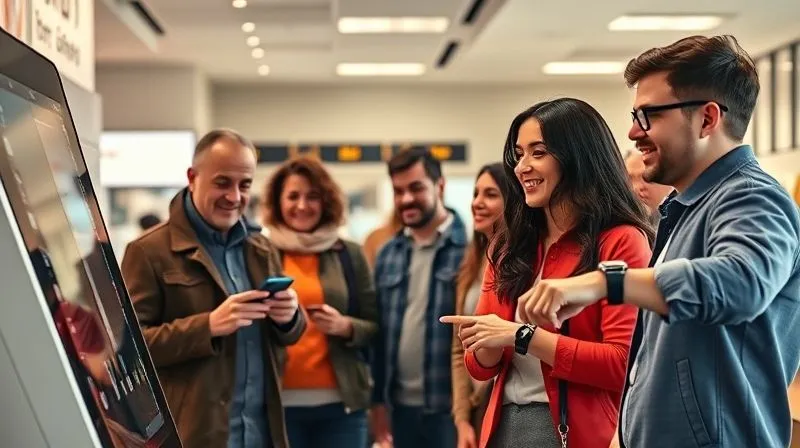
- Contactless Payments & Self-Service Kiosks: Speed up transactions and reduce wait times. This also caters to hygiene concerns.
- QR Code Integration: Use QR codes for menus, product information, loyalty program sign-ups, or even to provide access to AR experiences within the store.
- Location-Based Services: Geofencing can trigger push notifications for nearby customers, offering promotions or inviting them in.
Optimizing Post-Purchase Loyalty
The relationship doesn't end after the sale; tech can deepen loyalty:
- Robust CRM Systems: Track customer interactions, purchase history, and preferences to enable personalized follow-ups and targeted loyalty rewards.
- Automated Feedback Loops: Use email or app notifications to request feedback after a purchase or service, allowing you to quickly address issues and gather valuable insights.
- Subscription & Membership Models: Leverage technology to manage recurring services or exclusive content, fostering a strong community and predictable revenue.
Case Study: How 'FreshBite Smoothies' Leveraged Mobile Ordering
FreshBite Smoothies, a regional franchise with 50 locations, faced declining lunch rush efficiency and customer complaints about long queues. Their existing system was cash-heavy and slow. By implementing a new, integrated mobile ordering and payment app, they allowed customers to customize and pay for their smoothies in advance. This resulted in a 30% reduction in average wait times, a 15% increase in lunch hour sales due to higher throughput, and a significant boost in customer satisfaction scores. The app also provided valuable data on popular orders and peak times, enabling better staffing and inventory management. This pivot was crucial for their continued growth.
Step 3: Empowering Franchisees with Tools and Training
The success of any tech pivot hinges on your franchisees. They are on the front lines, and their buy-in and proficiency are paramount. You can provide the best tech in the world, but if they don't use it effectively, it's wasted investment.
Centralized Tech Platforms vs. Local Autonomy
This is a delicate balance. While some level of local autonomy is important, core operational technologies, especially those impacting customer experience and data collection, should be standardized and centrally managed. This ensures brand consistency, facilitates data aggregation, and simplifies support. For instance, a unified POS system or a franchisor-provided mobile app is often more effective than allowing each franchisee to choose their own solutions. However, local marketing efforts might benefit from some flexibility within a defined framework.
As Seth Godin, the renowned marketing guru, often says, "The market doesn't care about your internal struggles." Your customers expect a consistent, high-quality experience regardless of which franchise location they visit. This consistency is best achieved through a unified tech strategy.
Continuous Training & Skill Development Programs
Technology evolves rapidly, and so must the skills of your franchisees and their staff. Implementing a robust, continuous training program is non-negotiable. This should include:
- Onboarding for New Tech: Comprehensive training modules for any new software or hardware implemented.
- Refresher Courses: Regular updates on best practices and new features for existing tools.
- Digital Literacy Workshops: Basic to advanced training on general digital skills, social media management, data interpretation, and online customer service.
- Peer-to-Peer Learning: Facilitate forums or workshops where franchisees can share best practices and help each other.
Consider micro-learning modules that can be accessed on demand, allowing franchisees and their teams to learn at their own pace and convenience. This flexible approach respects their busy schedules.
Fostering a Culture of Innovation
Beyond tools and training, franchise systems need to cultivate an environment where innovation is encouraged, not feared. This means:
- Open Communication Channels: Create platforms for franchisees to share ideas, pain points, and suggest improvements.
- Pilot Programs: Test new technologies or strategies in a few willing locations before rolling them out system-wide. This reduces risk and gathers valuable feedback.
- Recognition & Rewards: Acknowledge and reward franchisees who successfully adopt new technologies or innovate within their operations.
- Leadership by Example: The franchisor leadership must demonstrate a commitment to digital transformation and continuous improvement.
According to a study published in the Harvard Business Review, organizational culture is a key determinant of digital transformation success. Without a supportive culture, even the best technology will fail to deliver its full potential.
Step 4: Data-Driven Decision Making and Personalization at Scale
The beauty of integrating technology is the wealth of data it generates. This data is your most valuable asset, enabling you to understand your customers like never before and make informed decisions that drive growth and enhance personalization.
Leveraging AI for Predictive Analytics
Simply collecting data isn't enough; you need to analyze it effectively. AI and machine learning algorithms can sift through vast datasets to identify patterns and predict future trends:
- Demand Forecasting: Predict peak times, popular products, and inventory needs, optimizing staffing and reducing waste.
- Customer Churn Prediction: Identify customers at risk of leaving and intervene with targeted offers or outreach.
- Marketing Campaign Optimization: Determine which channels, messages, and offers resonate most with different customer segments.
Hyper-Personalization Strategies
Armed with data, you can move beyond basic personalization to hyper-personalization, delivering truly unique experiences:
- Individualized Product Recommendations: Based on past purchases, browsing history, and stated preferences.
- Dynamic Pricing: Adjusting prices in real-time based on demand, inventory, and competitive landscape.
- Tailored Communications: Sending messages that are highly relevant to an individual customer's stage in their journey or their specific interests.
Ethical Data Use and Privacy Concerns
With great data comes great responsibility. Franchises must be transparent about data collection, comply with privacy regulations (like GDPR and CCPA), and ensure data security. Building trust with your customers regarding their data is paramount for long-term loyalty. A breach of trust can be far more damaging than a missed sales opportunity.
| Metric | Before Tech Pivot | After Tech Pivot | Improvement |
|---|---|---|---|
| Customer Acquisition Cost (CAC) | $50 | $35 | 30% |
| Customer Lifetime Value (CLTV) | $300 | $450 | 50% |
| Average Order Value (AOV) | $25 | $32 | 28% |
| Online Conversion Rate | 1.8% | 3.5% | 94% |
| Customer Retention Rate | 70% | 85% | 21% |
Step 5: Exploring New Business Models & Revenue Streams
Pivoting isn't just about optimizing existing operations; it's about being open to entirely new ways of doing business that technology enables. The most successful franchises aren't afraid to experiment with new models.
Subscription Services & Membership Models
For many years, franchises have focused on transactional business. Tech allows for a shift towards recurring revenue:
- Product Subscriptions: For consumable goods (e.g., coffee, beauty products, pet supplies).
- Service Memberships: For recurring services (e.g., car washes, fitness classes, maintenance plans).
- Exclusive Content/Community Access: Offering premium digital content or access to an exclusive community for a fee.
This model fosters stronger customer relationships and provides predictable revenue streams, which are invaluable for franchisees.
Dark Kitchens / Ghost Stores for Delivery Optimization
The explosion of food delivery and e-commerce has led to the rise of specialized fulfillment centers. For food franchises, 'dark kitchens' (delivery-only kitchens) can expand reach without the overhead of a full dine-in restaurant. Similarly, 'ghost stores' can serve as micro-fulfillment centers for retail franchises, optimizing last-mile delivery. This is a direct response to consumer demand for convenience and speed.
Hybrid Physical-Digital Experiences
The future isn't purely online or offline; it's a blend. Franchises should aim to create seamless hybrid experiences:
- "Click and Collect" or "Buy Online, Pick Up In Store (BOPIS)": A standard now, but still evolving.
- In-Store Tech Integration: AR mirrors for clothing, interactive displays, or smart shelves providing product information.
- Events & Workshops: Combining physical gatherings with virtual components to reach a wider audience and enhance engagement.
As Forbes has highlighted, businesses that successfully blend the physical and digital are best positioned for future growth.
Overcoming Common Pitfalls in Tech Adoption
Even with the best intentions and strategies, implementing new technology in a franchise system can present significant hurdles. Anticipating these challenges can help you navigate them more effectively.
Resistance to Change
This is perhaps the most common and potent pitfall. Franchisees, particularly those who have been successful with traditional methods, may be resistant to new technologies. The key here is not to mandate, but to demonstrate value. Show them how the tech will save them time, increase profits, or improve customer satisfaction. Involve them in the decision-making process where possible, and highlight early success stories from pilot programs.
Budget Constraints
Technology investment can be substantial. For individual franchisees, this can be a significant barrier. The franchisor plays a crucial role here by:
- Negotiating bulk discounts with tech providers.
- Providing financing options or subsidies.
- Clearly demonstrating the ROI of tech investments to justify the cost.
- Phasing implementation to spread costs over time.
Vendor Selection & Integration Challenges
The tech landscape is vast and complex. Choosing the right vendors and ensuring their solutions integrate seamlessly with your existing systems can be daunting. My advice is always to:
- Prioritize integration capabilities.
- Opt for scalable, cloud-based solutions.
- Conduct thorough due diligence on vendor reliability and support.
- Start with pilot programs to test functionality and integration before a full rollout.

The Future of Franchising: A Proactive Stance
The future of franchising is not about passively observing technological progress; it's about actively shaping your business to leverage it. The franchises that will thrive are those that view technology not as a cost center, but as a strategic enabler for growth, efficiency, and unparalleled customer experiences.
As a Deloitte report on the future of retail suggested, the most successful businesses will be those that are 'human-centered and tech-powered.' This perfectly encapsulates the balance franchise systems must strike: using technology to amplify the human connection and expertise that forms the core of a great franchise experience.
Frequently Asked Questions (FAQ)
Question? What's the single most important technology for a franchise to adopt right now?
Answer: While context matters, I'd argue that a robust, integrated CRM (Customer Relationship Management) system is foundational. It collects the data necessary for personalization, marketing, and understanding your customer journey across all touchpoints. Without understanding your customer, any other tech adoption will be less effective.
Question? How can a franchisor convince resistant franchisees to adopt new tech?
Answer: Focus on demonstrating tangible ROI and ease of use. Start with pilot programs in willing locations and showcase their success stories. Offer comprehensive, ongoing training and robust support. Emphasize how the tech addresses their pain points (e.g., reducing labor costs, increasing sales, improving customer satisfaction) rather than just pushing it as a mandate.
Question? What are the biggest cybersecurity risks for franchises adopting new tech, and how can they mitigate them?
Answer: The biggest risks include data breaches (customer financial/personal data), ransomware attacks, and phishing scams targeting franchisees. Mitigation involves implementing strong firewalls, multi-factor authentication, regular security audits, mandatory cybersecurity training for all staff, and ensuring all third-party tech vendors meet stringent security standards. Centralized IT management can greatly enhance security across the network.
Question? Should franchises build their own tech solutions or buy off-the-shelf?
Answer: For core operational systems that are common across the industry (like POS, CRM), buying off-the-shelf and customizing is often more cost-effective and faster to implement. For highly unique aspects of your brand's customer experience or proprietary processes, building a custom solution might be necessary. A hybrid approach, leveraging robust platforms with custom integrations or modules, is often the most practical.
Question? How can small, independent franchisees keep up with larger, tech-savvy competitors?
Answer: The power of the franchise model is collective strength. Franchisors should provide centralized tech solutions, training, and support that individual franchisees might not be able to afford or implement on their own. By pooling resources and leveraging system-wide data, even smaller franchisees can access enterprise-level technology and compete effectively. Focus on niche tech that amplifies your specific value proposition.
Key Takeaways and Final Thoughts
- Embrace a proactive mindset: Don't wait for disruption; lead the change.
- Understand your digital baseline: A thorough audit is the essential first step.
- Prioritize the customer journey: Integrate tech to solve pain points and delight customers.
- Empower your franchisees: Provide tools, training, and foster a culture of innovation.
- Leverage data ethically: Use insights for personalization and informed decision-making.
- Explore new models: Be open to subscriptions, ghost operations, and hybrid experiences.
The journey to pivot franchise operations for emerging consumer tech trends is complex, but it's also an exciting opportunity for unparalleled growth and innovation. As an industry veteran, I truly believe that the franchises that embrace this challenge with courage, strategic planning, and a commitment to their franchisees and customers, will not only survive but redefine what it means to be successful in the modern business landscape. The future is digital, and your franchise can lead the way.
Recommended Reading
- Big Data Zero Value? 7 Steps to Uncover Hidden Business Insights
- Predicting Cash Flow Gaps: 7 Proven Strategies for Business Survival
- Startup Cash Crunch? How to Solve Cash Flow Problems - Fast!
- 7 Steps to Rescue Project Deadlines: Fixing Poor Workforce Planning
- Migrate E-commerce Platform: 8 Steps to Safeguard SEO Rankings & Traffic





Comments
Leave a comment below. Your email will not be published. Required fields marked with *