


How to Predict Sudden Market Shifts Using Real-Time Analytics?
For over 15 years in the business analytics landscape, I've witnessed firsthand the devastating impact of unforeseen market shifts. Companies, from agile startups to established enterprises, have crumbled not because of a lack of effort, but due to a fundamental inability to anticipate and react to the seismic changes shaking their foundations. The old ways of relying on lagging indicators or quarterly reports are, quite simply, a recipe for obsolescence in today's hyper-connected, volatile world.
The pain point is palpable: businesses are drowning in data yet starving for insight. They struggle with market unpredictability, facing supply chain shocks, sudden shifts in consumer behavior, or aggressive competitor moves that seemingly come out of nowhere. This reactive stance often leads to costly missteps, missed opportunities, and eroded market share. The feeling of being constantly a step behind is not just frustrating; it's financially crippling.
This article is designed to equip you with the frameworks, strategies, and expert insights necessary to transform your approach to market intelligence. You'll learn how to leverage real-time analytics not just as a reporting tool, but as a powerful predictive engine, enabling you to detect subtle signals, anticipate significant shifts, and position your business for proactive resilience and growth, even in the most turbulent environments. We'll move beyond theory to actionable steps, drawing from my experience and the best practices in the field.
The Shifting Sands: Why Market Volatility is the New Normal
The global economy has entered an era of unprecedented volatility. Geopolitical tensions, rapid technological advancements, climate change impacts, and instantaneous global communication channels all contribute to a landscape where market stability is more an aspiration than a given. I've observed that businesses that thrive in this environment are not necessarily the biggest, but the most agile and the most informed.
Consider the recent disruptions: a pandemic that reshaped consumer habits overnight, supply chain blockages that ground industries to a halt, or social media movements that can make or break brands in a matter of hours. These aren't isolated incidents; they are symptomatic of a new normal where market shifts are not just possible, but probable and often sudden. Relying on historical data alone is like driving by looking in the rearview mirror – you might know where you've been, but you're blind to what's directly ahead.
"In a world of constant change, the only constant is the need for real-time intelligence to navigate the unknown."
This constant state of flux demands a fundamental shift in how we approach market analysis. It's no longer enough to understand what happened; we must strive to understand what's happening *now* and, critically, what's *about to happen*. This is where real-time analytics becomes not just an advantage, but a core competency for survival and success.
The Imperative of Real-Time Analytics: Beyond Lagging Indicators
For decades, business decisions were largely based on lagging indicators – sales reports from last quarter, customer feedback from a survey conducted months ago, or economic data that was already several weeks old. While this data offers valuable historical context, it provides little to no foresight into impending changes. It tells you where the ship has been, but not if an iceberg is directly in its path.
Real-time analytics, in contrast, focuses on the immediate. It's about processing data as it's generated, enabling instantaneous insights and the ability to react with unparalleled speed. Think of it as having a sophisticated radar system constantly scanning the horizon, rather than waiting for a weather report that's already outdated. I've personally seen companies transform their entire strategic planning cycle from quarterly reviews to continuous, agile adjustments by embracing this shift.
According to a report by Forbes Technology Council, businesses leveraging real-time analytics report significant improvements in operational efficiency, customer satisfaction, and their ability to respond to market changes. This isn't just about speed; it's about gaining a competitive edge by being the first to identify opportunities and mitigate threats.
Core Pillars of Real-Time Market Prediction
Building a robust system for predicting market shifts requires a multi-faceted approach, grounded in technology, methodology, and a keen understanding of data. I break it down into these essential pillars:
Data Ingestion and Integration: The Foundation
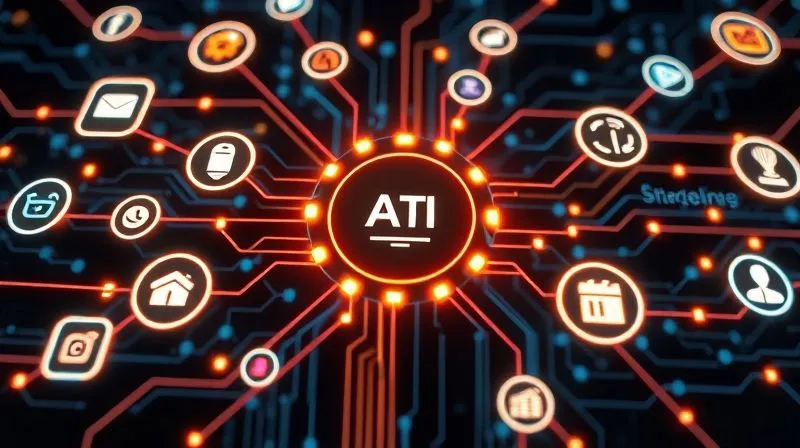
The bedrock of any real-time analytics strategy is the ability to collect, process, and integrate vast amounts of data from disparate sources, instantaneously. This isn't a trivial task; it requires robust infrastructure and careful planning. You're looking at data streams from:
- Internal Systems: POS transactions, CRM data, inventory levels, website traffic, IoT sensor data.
- External Sources: Social media feeds, news APIs, financial market data, weather data, competitor pricing, government economic indicators, supply chain partner data.
The challenge here is not just volume, but velocity and variety. Data arrives in different formats, at different speeds, and needs to be harmonized. Tools like Kafka, Apache Flink, or cloud-native streaming services (e.g., AWS Kinesis, Google Cloud Pub/Sub, Azure Event Hubs) are crucial for building these real-time data pipelines. In my experience, neglecting this foundational step leads to fragmented insights and unreliable predictions.
Advanced Predictive Modeling: AI & Machine Learning
Once you have your real-time data streams, the next step is to apply sophisticated analytical techniques to extract predictive signals. This is where Artificial Intelligence (AI) and Machine Learning (ML) truly shine. They move beyond simple trend analysis to identify complex patterns and correlations that are invisible to the human eye.
Key ML techniques for market prediction include:
- Time Series Forecasting: Algorithms like ARIMA, Prophet, or LSTM neural networks can predict future values based on historical time-stamped data, identifying seasonality, trends, and cyclical patterns.
- Anomaly Detection: Identifying unusual patterns or outliers in data streams that might signal an impending shift. For instance, a sudden spike in negative sentiment around a competitor or an unexpected dip in website traffic.
- Sentiment Analysis: Using Natural Language Processing (NLP) to gauge public sentiment from social media, news articles, and customer reviews. A rapid shift in sentiment can be a powerful early warning sign.
- Clustering and Classification: Grouping similar market segments or identifying data points that fall into predefined categories, helping to segment and understand evolving market dynamics.
The beauty of these models is their ability to continuously learn and adapt as new data streams in. This self-correction mechanism is vital for maintaining accuracy in a volatile market.
Key Indicators to Monitor for Early Warnings
Predicting market shifts isn't about finding a single 'silver bullet' metric. It's about monitoring a constellation of indicators, understanding their interdependencies, and recognizing when specific thresholds are crossed. Here's what I recommend focusing on:
Macroeconomic Signals
These are the big-picture economic forces that can impact entire industries. While often slow-moving, real-time monitoring of their underlying components can provide early warnings.
- Inflationary Pressures: Track commodity prices, producer price indices, and consumer price indices in real-time.
- Interest Rate Changes: Monitor central bank announcements, bond yields, and market expectations.
- Employment Data: Real-time job postings, unemployment claims, and labor force participation rates.
- GDP Growth Indicators: Leading economic indicators, manufacturing output, and retail sales data.
According to research published in the Harvard Business Review, integrating macroeconomic data with internal operational data provides a far more comprehensive view of market health.
Industry-Specific Metrics
Every industry has its unique pulse. Identify the critical metrics that drive your sector and monitor them relentlessly.
- Sector-Specific Stock Performance: Track the performance of key players in your industry.
- Capacity Utilization: For manufacturing, this can signal impending supply gluts or shortages.
- Regulatory Changes: Monitor legislative bodies and industry associations for proposed changes that could impact your business.
- Input Costs: Track prices of raw materials, energy, and labor specific to your industry.
Consumer Sentiment & Social Listening
Consumers are often the first to react to changes, and their collective sentiment can be a powerful predictor. Tools that monitor social media, online reviews, and news sentiment in real-time are indispensable.
- Brand Mentions & Sentiment Score: Track how your brand and competitors are being discussed online.
- Trending Topics: Identify emerging interests, concerns, or cultural shifts that could impact demand.
- Purchase Intent Signals: Monitor search queries, shopping cart abandonment rates, and website engagement.

Competitor Activity & Supply Chain Health
Your competitors' moves and the health of your supply chain are direct indicators of market shifts.
- Competitor Pricing & Promotions: Real-time scraping of competitor websites can reveal strategic shifts.
- Product Launches & Innovations: Monitor patent filings, press releases, and industry events.
- Supply Chain Alerts: Track weather patterns, geopolitical events, and logistics data that could disrupt your supply chain.
- Supplier Financial Health: Monitor the financial stability of key suppliers to anticipate potential disruptions.
Building Your Real-Time Analytics Ecosystem: Actionable Steps
Now that we understand the 'what' and 'why,' let's delve into the 'how.' Implementing a real-time predictive analytics system is a journey, not a destination. Here are the actionable steps I guide my clients through:
- Define Your Objectives and Critical Questions: What specific market shifts are you most concerned about? What decisions will these predictions inform? (e.g., 'Predict a 10% decline in Q3 demand for product X due to competitor Y's new launch.')
- Identify Key Data Sources and Build Pipelines: Map out all internal and external data points relevant to your objectives. Invest in robust data ingestion and streaming platforms. Prioritize data quality and integration.
- Select and Implement Predictive Models: Work with data scientists to choose appropriate ML/AI models for time series forecasting, anomaly detection, and sentiment analysis. Start with simpler models and iterate.
- Establish Thresholds and Alert Systems: Define what constitutes a 'significant' shift. Set up automated alerts (email, SMS, dashboard notifications) when these thresholds are breached. This is critical for moving from insight to action.
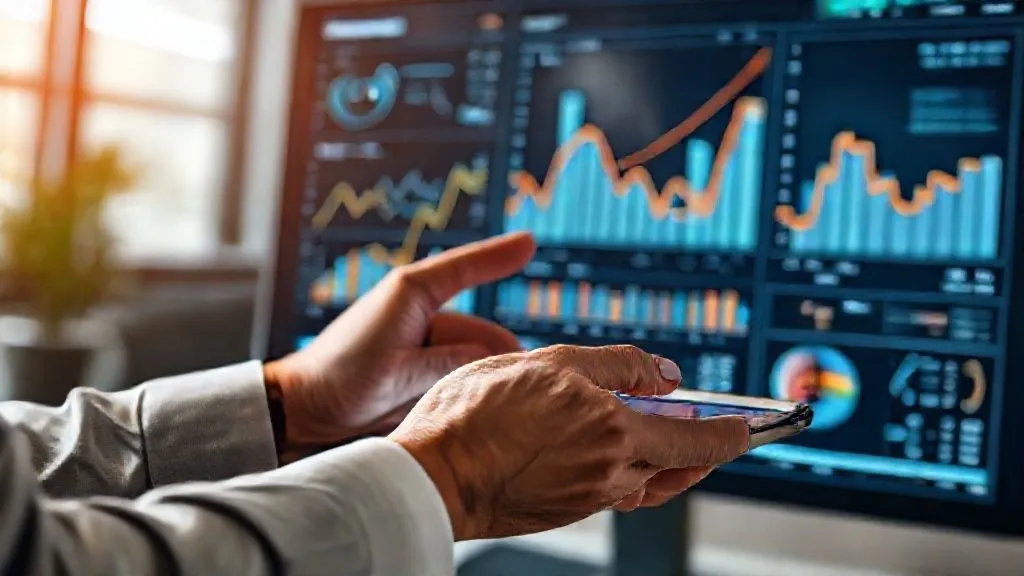
- Design Intuitive Dashboards and Visualizations: Data is only valuable if it's understood. Create real-time dashboards that present complex data in an easily digestible format for decision-makers. Focus on key performance indicators (KPIs) and leading indicators.
- Integrate with Decision-Making Processes: Prediction without action is futile. Embed the insights from your real-time analytics directly into your strategic planning, operational adjustments, and risk management frameworks.
- Continuous Monitoring, Evaluation, and Refinement: Markets evolve, and so should your models. Regularly review the accuracy of your predictions, retrain models with new data, and adapt your indicators as market dynamics change.
Case Study: How 'Quantum Retail' Anticipated a Supply Chain Shock
Quantum Retail, a mid-sized e-commerce apparel company, historically struggled with inventory gluts and stockouts due to unpredictable fashion trends and global supply chain disruptions. By implementing a real-time analytics ecosystem, they began monitoring a blend of social media sentiment around emerging fashion trends, global shipping container prices, and regional geopolitical news feeds. Their system, powered by an LSTM model, detected an unusual spike in shipping costs and specific port congestion warnings, coupled with a sudden surge in consumer interest for a niche clothing style that their current inventory couldn't match. This happened two months before competitors even noticed the trend. Quantum Retail proactively adjusted their manufacturing orders, rerouted shipments to alternative ports, and launched a targeted pre-order campaign for the emerging style. This resulted in a 15% reduction in excess inventory, a 20% increase in sales for the new trend, and significantly improved customer satisfaction due to on-time deliveries, cementing their reputation as a market leader in agility.
Visualizing Insights: Making Data Actionable
Raw data, no matter how real-time, is overwhelming. The true power lies in transforming that data into actionable insights through effective visualization. I've found that the best dashboards are not just pretty; they tell a story, highlight anomalies, and guide the user to the most critical information.
Consider the following elements for your real-time analytics dashboards:
- Leading vs. Lagging Indicators: Clearly differentiate between metrics that predict future performance and those that report past results.
- Trend Lines and Anomaly Highlighting: Visually represent data trends and automatically flag deviations that exceed predefined thresholds.
- Geospatial Mapping: For market shifts with geographical components (e.g., regional demand, supply chain disruptions), map data visually.
- Interactive Filters: Allow users to drill down into specific segments, timeframes, or product categories to explore insights further.
Here’s a simplified example of how you might track key market shift indicators and their impact:
| Indicator | Current Value | Threshold (Alert) | Predicted Impact | Action Recommended |
|---|---|---|---|---|
| Social Media Sentiment (Product X) | -15% (vs. avg) | -10% | 5% sales drop in 2 weeks | Launch targeted re-engagement campaign |
| Supplier Lead Times (Component Y) | +3 days (vs. avg) | +2 days | Production delay, 8% order backlog | Source alternative supplier for 20% volume |
| Competitor Pricing (Product Z) | -8% (vs. avg) | -5% | 3% market share erosion | Analyze competitor strategy, adjust pricing/value proposition |
| Website Traffic (Category A) | -12% (vs. avg) | -7% | Decreased ad ROI, reduced conversions | Review SEO/SEM, analyze user journey |
This kind of structured overview provides immediate context and suggests proactive measures, moving your team from reactive problem-solving to strategic anticipation.
The Human Element: Expert Interpretation and Strategic Response
While AI and ML are powerful, they are tools, not replacements for human intelligence. Real-time analytics provides the data and the predictions, but it's human experts who bring context, intuition, and strategic thinking to the table. I often emphasize that the best systems are a synergy of sophisticated technology and seasoned human judgment.
Here's why the human element remains crucial:
- Contextual Understanding: Algorithms don't understand geopolitical nuances, cultural shifts, or the 'why' behind certain data patterns. Human experts provide this critical context.
- Strategic Decision-Making: Predictions inform decisions, but the ultimate strategic response – whether to pivot, double down, or innovate – requires leadership and business acumen.
- Ethical Considerations: Human oversight ensures that data is used ethically and that automated decisions align with company values.
- Adaptability to Novel Situations: While ML models learn from historical data, humans are better at adapting to truly unprecedented events for which no historical data exists.
Your analytics team should act as interpreters, translating complex data into actionable business intelligence for leadership. Foster a culture where data insights are openly discussed, challenged, and used to inform agile strategic adjustments.
Overcoming Common Challenges in Real-Time Analysis
Implementing real-time analytics isn't without its hurdles. Based on my observations, here are some common challenges and how to overcome them:
- Data Quality and Governance: Real-time garbage in, garbage out. Invest heavily in data cleaning, validation, and establishing clear data governance policies from the outset.
- Integration Complexity: Connecting disparate systems can be a nightmare. Prioritize open APIs, standardized data formats, and consider a unified data platform or data lakehouse architecture.
- Scalability: As data volumes grow, your infrastructure must keep pace. Design for scalability from day one, leveraging cloud-native solutions that can dynamically adjust resources.
- Talent Gap: Finding skilled data engineers, data scientists, and analysts who understand real-time processing is challenging. Invest in training existing staff or partner with specialized external consultancies.
- Alert Fatigue: Too many alerts lead to ignored alerts. Carefully define thresholds, prioritize critical signals, and ensure alerts are actionable and contextualized.
As Seth Godin often reminds us, "The power of just-in-time information is that it changes everything." However, achieving 'just-in-time' requires meticulous planning and persistent effort.

Frequently Asked Questions (FAQ)
What's the difference between predictive analytics and real-time analytics? Predictive analytics is a category of analytical techniques focused on forecasting future outcomes. Real-time analytics refers to the immediacy of data processing and insight generation. You can have predictive models running on batch data (not real-time), and you can have real-time dashboards showing current events without prediction. The most powerful approach, however, is combining them: using real-time data feeds to power predictive models that generate instant forecasts.
Is real-time analytics only for large enterprises? Absolutely not. While large enterprises might have more resources, the availability of cloud-based, scalable, and often open-source tools has democratized real-time analytics. Smaller businesses can start by focusing on a few critical data streams and leveraging managed services, scaling up as their needs and capabilities grow. The key is strategic implementation, not budget size.
How accurate are these predictions, especially for 'sudden' shifts? No prediction system is 100% accurate, and 'sudden' shifts by their nature are harder to pinpoint. However, real-time analytics significantly increases your chances of early detection. It's about identifying weak signals before they become strong trends. The goal is not perfect foresight, but rather to reduce uncertainty, gain lead time, and improve your ability to react proactively rather than reactively. Continuous model refinement and expert human oversight are crucial for maximizing accuracy.
What's the biggest mistake companies make when trying to implement real-time analytics? In my experience, the biggest mistake is focusing solely on the technology without a clear business objective. Companies invest in expensive tools but don't define what questions they need answered or how the insights will drive decisions. Without a clear strategic roadmap and integration into business processes, even the most advanced real-time systems become expensive reporting tools that gather dust. Start with the business problem, then find the technology solution.
How long does it typically take to set up a functional real-time predictive system? The timeline varies widely based on existing infrastructure, data complexity, and the scope of the project. A basic system monitoring a few key indicators might take 3-6 months. A comprehensive, enterprise-wide solution with advanced AI/ML models and deep integration could take 1-2 years. It's often best to start with a proof-of-concept for a specific business unit or problem, demonstrate value, and then scale incrementally.
Key Takeaways and Final Thoughts
Navigating today's volatile markets demands a new paradigm of intelligence. The ability to predict sudden market shifts using real-time analytics is no longer a luxury; it's a strategic imperative. Here are the critical takeaways:
- Embrace the New Normal: Acknowledge that market volatility is here to stay and requires proactive, data-driven strategies.
- Prioritize Real-Time Data: Move beyond lagging indicators to instantaneous data streams for genuine foresight.
- Build Robust Foundations: Invest in data ingestion, integration, and quality as the bedrock of your system.
- Leverage AI & ML: Utilize advanced algorithms for anomaly detection, sentiment analysis, and precise forecasting.
- Monitor a Constellation of Indicators: Combine macroeconomic, industry-specific, consumer sentiment, and competitive data for a holistic view.
- Make Insights Actionable: Design intuitive dashboards, establish clear alert thresholds, and integrate predictions directly into your decision-making processes.
- Champion the Human-AI Synergy: Remember that technology empowers human experts; it doesn't replace their critical judgment.
The future belongs to the informed and the agile. By strategically implementing real-time analytics, you're not just reacting to the market; you're anticipating its next move, transforming uncertainty into a competitive advantage. I've seen businesses not just survive, but truly thrive by mastering this capability. The journey may be challenging, but the rewards – resilience, foresight, and sustained growth – are immeasurable. Start building your predictive capabilities today, and position your business to lead the way, no matter how the market shifts.
Recommended Reading
- Why Qualified Leads Stall: 7 Fixes for Leaky Sales Funnels
- Migrate E-commerce Platform: 8 Steps to Safeguard SEO Rankings & Traffic
- Unraveling the Mystery: Overcoming Challenges in Measuring Strategic Partnership ROI
- 5 Proven Steps: Fix Cross-Cultural Communication Breakdowns in Global Teams
- Budget-Friendly Market Research: 5 Steps for Small Business Growth




Comments
Leave a comment below. Your email will not be published. Required fields marked with *