


How to Prevent Child Labor in Complex Global Supply Chains?
For over two decades in corporate social responsibility (CSR) and human rights advocacy, I've witnessed firsthand the devastating impact of child labor on young lives and the profound reputational and ethical damage it inflicts upon businesses. It’s a challenge that keeps many executives awake at night, knowing that somewhere deep within their vast, intricate global networks, a child might be toiling instead of learning or playing.
The inherent complexities of modern global supply chains make the identification and prevention of child labor incredibly difficult. We're talking about multi-tiered supplier networks, often extending into informal sectors, weak regulatory environments, and diverse cultural contexts where transparency is often elusive. This isn't just a compliance issue; it’s a moral imperative that demands a strategic, proactive, and deeply empathetic approach.
This article isn't just another checklist. It's born from years of navigating these very challenges, working with companies to build resilient and ethical supply chains. I'll provide you with a robust, multi-faceted framework, offering actionable strategies, expert insights, and real-world considerations to fortify your operations against child exploitation, ensuring your commitments to human rights are not just words, but tangible actions.
Understanding the Root Causes: Beyond Simple Exploitation
Before we can prevent child labor, we must understand its deep-seated origins. It’s rarely a standalone issue but rather a symptom of broader societal and economic vulnerabilities. In my experience, focusing solely on punitive measures without addressing these root causes is like treating a symptom while ignoring the disease.
Poverty is undeniably the primary driver. Families, often living on the margins, may rely on their children's meager earnings for survival. This is exacerbated by a lack of access to quality education, which would otherwise offer children an alternative path and a brighter future. Weak governance, inadequate labor laws, and insufficient enforcement in certain regions also create fertile ground for child labor to flourish, often unchecked.
Moreover, cultural norms can sometimes play a role, where children are expected to contribute to household income from a young age, particularly in agricultural or artisanal sectors. The 'hidden' nature of child labor in informal sectors, small workshops, and homes further complicates detection, making it a challenge that demands a nuanced, holistic approach.
The fight against child labor isn't just about policing supply chains; it's about investing in the resilience and well-being of the communities from which your labor force is drawn. Address poverty, education, and local governance, and you strike at the heart of the problem.
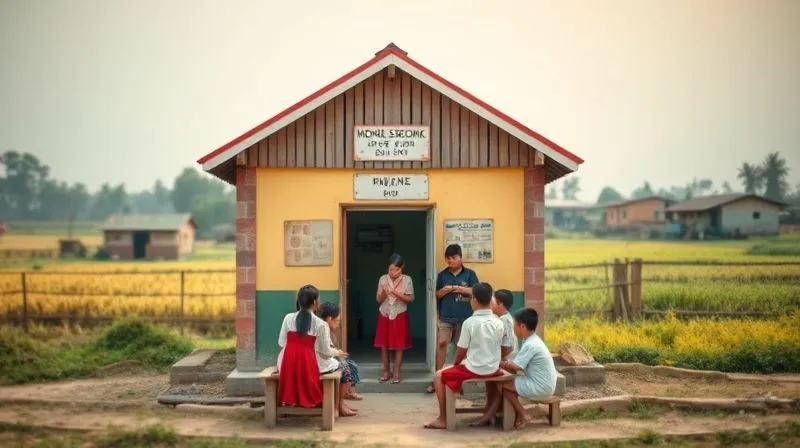
Mapping Your Supply Chain: The Foundation of Transparency
You cannot address what you cannot see. The first, and arguably most challenging, step in preventing child labor is achieving genuine transparency across your entire supply chain, not just your direct (Tier 1) suppliers. Many companies confidently declare their Tier 1 suppliers are clean, only to find devastating issues lurking in Tier 2, 3, or even 4.
This difficulty stems from the sheer complexity of global sourcing. A single product might involve dozens of components, each with its own multi-layered supply chain. Informal subcontractors, opaque intermediaries, and rapidly changing supplier relationships can create blind spots. My advice is to assume nothing and investigate everything, starting with your most vulnerable product lines and regions.
- Deep Dive Beyond Tier 1: Work collaboratively with your direct suppliers to identify their suppliers. Implement contractual clauses requiring them to disclose their upstream partners and cascade your ethical sourcing policies down the chain.
- Risk Assessment & Prioritization: Don't attempt to map every single component at once. Prioritize based on industry risk (e.g., textiles, mining, agriculture), geographic risk (countries with high child labor prevalence), and product risk (components requiring manual, low-skill labor).
- Leverage Technology for Visibility: Explore blockchain solutions for immutable traceability, or advanced data analytics platforms that can aggregate supplier data and identify potential red flags. These tools can offer a level of transparency previously unimaginable.
- Supplier Self-Assessment Questionnaires (SAQs): While not foolproof, well-designed SAQs, combined with documentary evidence requests, can provide initial insights and signal your commitment to ethical sourcing. Ensure they are comprehensible to all suppliers, regardless of language or technological access.
As the UN Guiding Principles on Business and Human Rights emphasize, companies have a responsibility to know and show their human rights impacts throughout their value chain. This isn't just about avoiding blame; it's about active prevention.
Case Study: Innovating Transparency at 'Global Threads Co.'
Global Threads Co., a mid-sized apparel manufacturer, faced severe reputational damage after an exposé revealed child labor in a subcontractor's cotton ginning facility, three tiers deep in their supply chain. Realizing their traditional auditing model was insufficient, they embarked on a radical transparency initiative. They partnered with a tech firm to implement a blockchain-based traceability system for their cotton, from farm to finished garment. Simultaneously, they invested in training their Tier 1 suppliers on how to conduct due diligence on *their* own partners, providing resources and incentives. Within two years, they achieved 80% visibility into their Tier 3 suppliers for their high-risk product lines, significantly reducing their exposure to child labor and rebuilding consumer trust. This resulted in not only enhanced brand reputation but also a more resilient and efficient supply chain.
| Risk Factor | Impact (High/Medium/Low) | Mitigation Strategy | Status |
|---|---|---|---|
| Lack of Tier 2-3 Visibility | High | Blockchain traceability, supplier training | In Progress |
| High-risk geographical sourcing | High | Enhanced audits, local NGO partnerships | Ongoing |
| Reliance on informal labor | Medium | Formalize contracts, provide benefits | Planned |
Robust Due Diligence: Beyond Checkbox Compliance
Supply chain mapping provides the 'what' and 'where'; robust due diligence provides the 'how' and 'who'. This goes far beyond annual, pre-announced audits, which, in my experience, often allow problems to be temporarily hidden. Effective due diligence is continuous, unannounced, and deeply engages with the very people it aims to protect.
It’s about creating an environment where workers feel safe to speak up, where communities are empowered, and where companies aren't just looking for problems but actively building solutions. This requires a shift from a compliance mindset to a preventative, human rights-centered approach.
- Independent, Unannounced Audits: Partner with reputable, independent third-party auditors who specialize in human rights. Crucially, these audits should often be unannounced and extend beyond Tier 1. Focus on worker interviews conducted confidentially and in local languages, away from management influence.
- Develop a Comprehensive Human Rights Policy: This policy should explicitly prohibit child labor, forced labor, and discrimination, and outline clear expectations for all suppliers. It must be communicated clearly and effectively, in local languages, to all workers in the supply chain.
- Implement Accessible Grievance Mechanisms: Establish safe, confidential, and accessible channels for workers and communities to report concerns without fear of retaliation. This could be a hotline, a suggestion box, or a dedicated email address, managed by an independent third party or a trusted NGO. Ensure follow-up and remediation processes are robust.
- Focus on High-Risk Sectors and Regions: Allocate more resources and more frequent monitoring to areas identified as high-risk through your mapping exercise. This targeted approach ensures your efforts are concentrated where they are most needed.
The International Labour Organization (ILO) Conventions, particularly those on child labor (Conventions 138 and 182), provide the foundational legal and ethical framework that must underpin your due diligence efforts. These aren't just guidelines; they are international standards that responsible businesses must uphold.
Empowering Local Communities and Workers
True prevention of child labor isn't solely about policing; it's about empowerment. When communities are strong, educated, and economically stable, the drivers of child labor are significantly diminished. This requires a proactive investment in the well-being of the people who directly and indirectly contribute to your supply chain.
In my work, I've found that companies that genuinely invest in community development and worker empowerment see not only a reduction in child labor risks but also improved worker morale, productivity, and loyalty. It's a virtuous cycle that benefits everyone.
- Invest in Education and Awareness Programs: Support local schools, provide scholarships, or fund vocational training for children and young adults. Partner with local NGOs to run awareness campaigns on the importance of education and the harms of child labor within communities where you source.
- Promote Fair Wages and Decent Work for Adults: Ensure that adult workers in your supply chain receive living wages and decent working conditions. When adults earn enough to support their families, the economic pressure to send children to work significantly decreases.
- Support Livelihoods and Microfinance Initiatives: Beyond wages, consider programs that help families build sustainable livelihoods, such as agricultural training, entrepreneurship support, or access to microfinance. This builds economic resilience from the ground up.
- Strengthen Child Protection Policies at Community Level: Collaborate with local authorities and child protection agencies to reinforce local child protection systems. This includes reporting mechanisms for child abuse or exploitation and support services for at-risk children and families.
Empowering workers and communities is not charity; it's a strategic investment in the long-term health and sustainability of your supply chain. When you uplift the individual, you fortify the entire system.
Leveraging Technology for Enhanced Monitoring and Traceability
The scale and complexity of global supply chains demand more than manual oversight. Technology offers powerful tools to enhance visibility, monitor conditions, and ensure traceability in ways that were impossible just a decade ago. Embracing these innovations is crucial for any company serious about preventing child labor.
From real-time data analytics to immutable ledgers, technology can provide the insights and transparency needed to identify risks, track compliance, and respond swiftly to potential issues. It's about moving from reactive problem-solving to proactive prevention.
- Blockchain for Immutable Records: Implement blockchain technology to create an unalterable, transparent record of product origins, certifications, and labor practices at each stage of the supply chain. This can significantly reduce fraud and enhance accountability.
- AI and Machine Learning for Anomaly Detection: Utilize AI-powered platforms to analyze vast datasets from audits, supplier declarations, and public reports. AI can identify patterns, anomalies, and potential risk indicators that human analysts might miss, flagging high-risk areas for deeper investigation.
- Satellite Imagery and GIS for Farm-Level Monitoring: In agricultural supply chains, satellite imagery combined with Geographical Information Systems (GIS) can help monitor land use, identify potential unauthorized farming activities, or track compliance with sustainable practices, indirectly reducing the likelihood of child labor on farms.
- Worker Voice Platforms: Deploy anonymous digital platforms or mobile apps that allow workers to report grievances, provide feedback on working conditions, or raise concerns about child labor directly and confidentially. These platforms can provide invaluable real-time insights from the ground.

Collaborative Action and Industry Partnerships
No single company can solve the problem of child labor in global supply chains alone. It’s a systemic issue that requires systemic solutions. Collaborative action, pre-competitive partnerships, and engagement with multi-stakeholder initiatives are not just beneficial; they are essential.
By pooling resources, sharing best practices, and leveraging collective influence, companies can drive broader change, influence policy, and support local initiatives more effectively than they ever could in isolation. This is where true industry leadership shines.
- Join Multi-Stakeholder Initiatives (MSIs): Engage with recognized MSIs such as the Fair Labor Association (FLA), Ethical Trading Initiative (ETI), or the Responsible Business Alliance (RBA). These platforms offer frameworks, tools, and collective leverage to address complex human rights issues.
- Participate in Industry-Specific Coalitions: Many sectors have their own specialized groups focused on ethical sourcing (e.g., Responsible Minerals Initiative, Better Cotton Initiative). These provide tailored solutions and a peer network for shared learning and problem-solving.
- Engage with Governments and Civil Society: Advocate for stronger labor laws, better enforcement, and robust social safety nets in sourcing countries. Collaborate with local NGOs and trade unions, who often have invaluable on-the-ground knowledge and trust within communities.
- Share Best Practices (Pre-Competitively): Within legal boundaries, openly share your successes and failures in tackling child labor. This pre-competitive collaboration elevates standards across the entire industry, benefiting everyone.
Business for Social Responsibility (BSR) consistently highlights that collaboration is a cornerstone of effective human rights due diligence. Their research and practical guidance underscore that collective action multiplies impact.
Building a Culture of Ethical Sourcing Internally
Even the most sophisticated systems and external partnerships will falter without a strong internal culture of ethical sourcing. This commitment must emanate from the very top and permeate every level of the organization, particularly those involved in procurement, supply chain management, and product development.
It’s about embedding human rights considerations into daily decision-making, ensuring that cost pressures or tight deadlines never override ethical imperatives. This requires ongoing education, clear policies, and visible leadership.
- Leadership Commitment and Communication: Ensure your CEO and senior leadership visibly champion the fight against child labor. Their public and internal commitment sets the tone for the entire organization. Regularly communicate the company's human rights policy and its importance.
- Comprehensive Training for Procurement Teams: Equip your purchasing and sourcing teams with the knowledge and tools to identify and mitigate child labor risks. Train them on due diligence processes, supplier engagement strategies, and the importance of human rights in their daily negotiations.
- Integrate Ethical Performance into KPIs: Incorporate ethical sourcing metrics into the key performance indicators (KPIs) of relevant departments and individuals. Incentivize positive ethical performance, ensuring it's valued as much as cost savings or delivery times.
- Embed Human Rights into Contracts: Make your ethical sourcing policy and child labor prohibition explicit, non-negotiable clauses in all supplier contracts. Include clear consequences for non-compliance and mechanisms for remediation.
An ethical supply chain begins with an ethical mindset within your own organization. It's about making human rights an intrinsic part of your corporate DNA, not just an external compliance burden.
Frequently Asked Questions (FAQ)
How can small businesses tackle this issue effectively given limited resources? Small businesses often feel overwhelmed, but they can still make a significant impact. Focus on deep engagement with your direct suppliers, prioritize risk assessment for your most vulnerable inputs, and leverage industry associations or multi-stakeholder initiatives that often provide resources and tools tailored for smaller enterprises. Building strong, trusting relationships with fewer, carefully vetted suppliers is often more effective than attempting broad, superficial oversight.
What role does government regulation play in preventing child labor, and should companies wait for it? Government regulation is crucial; it sets the baseline for acceptable conduct and creates a level playing field. Laws like the Modern Slavery Act or emerging EU due diligence legislation can significantly drive corporate action. However, companies should not wait for legislation. Proactive engagement with human rights is a moral imperative, a brand protector, and increasingly, a consumer expectation. Leading companies often go beyond legal minimums, setting higher standards for themselves and their industries.
Is it truly possible to completely eliminate child labor from a complex global supply chain? While the complete eradication of child labor is an ambitious long-term goal, it's a journey of continuous improvement. The reality of complex global supply chains means vigilance is constant. The aim is to implement robust systems that significantly reduce the risk, identify issues quickly, and provide effective remediation. It's about striving for zero tolerance while accepting that the path to it requires persistent effort, adaptation, and collaboration.
How do cultural differences and local norms impact prevention efforts, and how should companies navigate them? Cultural differences are a significant factor. What might be considered 'child work' in one context (e.g., helping on a family farm after school) can be child labor in another (e.g., long hours in a factory). Companies must navigate this with sensitivity and respect, but always with human rights as the non-negotiable baseline. Engage local experts, NGOs, and community leaders to understand the nuances, but never compromise on international labor standards that prohibit exploitative child labor. Education and empowerment, rather than outright condemnation, are often more effective strategies.
What are the risks of immediately disengaging from suppliers where child labor is found? While disengagement might seem like a quick solution, it often exacerbates the problem. If a supplier is simply dropped, the children involved may move to even more exploitative, less visible work. A responsible approach involves a 'remediate first, then disengage if necessary' strategy. Work with the supplier to develop a clear remediation plan, including getting children into education and supporting their families. Only if the supplier is unwilling or unable to implement the plan should disengagement be considered, ensuring a responsible exit strategy that minimizes harm to the affected children and communities.
Key Takeaways and Final Thoughts
Preventing child labor in today's complex global supply chains is not a simple task, but it is an absolutely non-negotiable one. It demands more than just superficial audits or a reactive stance; it requires a profound commitment to human rights, embedded deeply within your business strategy and operational practices. From my vantage point, the companies that succeed are those that embrace a holistic, proactive, and collaborative approach.
- Transparency is Paramount: You must know your entire supply chain, not just Tier 1.
- Due Diligence Must Be Robust: Move beyond checkbox compliance to independent, unannounced, and worker-centric monitoring.
- Empowerment is Key: Invest in the education, livelihoods, and well-being of communities and adult workers.
- Leverage Technology Wisely: Utilize innovations like blockchain and AI for enhanced visibility and monitoring.
- Collaborate for Systemic Change: Partner with industry peers, NGOs, and governments to amplify your impact.
- Cultivate an Ethical Internal Culture: Ensure human rights are integrated into every level of your organization, from leadership to procurement.
The journey to a child-labor-free supply chain is continuous, demanding vigilance, adaptation, and genuine empathy. It's a testament to your company's values and a critical investment in a sustainable, equitable future. By embracing these strategies, you're not just mitigating risk; you're building a legacy of responsibility and contributing to a world where every child has the chance to learn, play, and thrive, free from exploitation.
Recommended Reading
- Mastering Global Trade: Simplifying International E-commerce Customs Rules
- 5 Proven Strategies: Unblock Entrepreneurial Creative Thinking for New Products
- 7 Ways to Fund Risky Innovation Projects as a Startup
- E-commerce ROAS Drop Post-iOS 14? Your 6-Step Reversal Plan
- Unlock Success: Your Ultimate Guide to Preparing for a Business Consulting Engagement





Comments
Leave a comment below. Your email will not be published. Required fields marked with *