


How to Prevent Remote Employee Burnout and Maintain High Engagement?
For over 15 years in the business landscape, I've witnessed firsthand the transformative power of remote work. Yet, I've also seen companies stumble and teams falter not because of a lack of talent, but due to a fundamental misunderstanding of how to sustain human connection and well-being in a distributed environment.
The shift to remote work, accelerated by recent global events, brought unprecedented flexibility but also introduced new challenges: the blurring of work-life boundaries, increased isolation, and the silent creep of burnout. Many leaders are grappling with how to keep their teams productive, engaged, and mentally healthy when traditional office cues are absent.
This article isn't just a collection of tips; it's a comprehensive framework built on my extensive experience, designed to equip you with actionable strategies, expert insights, and real-world examples. You'll learn how to proactively prevent remote employee burnout and maintain high engagement, transforming your virtual team into a resilient, thriving powerhouse.
Understanding the Silent Scourge: The Nuances of Remote Burnout
Burnout isn't just feeling tired; it's a state of chronic physical and emotional exhaustion, often accompanied by cynicism and a sense of ineffectiveness. While it existed in traditional workplaces, remote work introduces unique exacerbating factors that make it particularly insidious.
The always-on culture, the lack of a clear commute to signal the end of the workday, and the constant digital demands can lead to an inability to truly disconnect. This sustained pressure chips away at an individual's resilience, leading to reduced productivity, diminished creativity, and a higher risk of mental health issues.
Recognizing the signs early is crucial. Look for indicators like increased irritability, withdrawal from team interactions, a noticeable drop in work quality, or frequent complaints about workload. Ignoring these signals can lead to high turnover, decreased morale, and a significant blow to your company culture.
Expert Insight: "Burnout in remote teams often manifests as a slow fade, not a sudden collapse. Proactive monitoring and empathetic check-ins are your first line of defense."

Building a Foundation of Trust: Communication & Psychological Safety
In a remote setting, trust isn't a given; it's built intentionally through consistent, transparent communication and a commitment to psychological safety. Without the informal water cooler conversations, leaders must create structured and unstructured opportunities for connection.
The Power of Proactive, Transparent Communication
Clear communication is the bedrock of any successful remote team. It alleviates anxiety, sets expectations, and ensures everyone feels informed and valued. Ambiguity is the enemy of engagement.
- Establish Clear Communication Channels: Define which tools are for urgent messages, project updates, and social interaction. Ensure everyone understands the purpose of Slack, email, video calls, etc.
- Schedule Regular, Purposeful Check-ins: Beyond formal meetings, encourage managers to have frequent, informal 1:1s. These should be opportunities for open dialogue, not just task updates.
- Over-communicate Key Information: In the absence of physical proximity, repeat important announcements, decisions, and strategic shifts more frequently than you might in an office setting.
- Encourage Asynchronous Communication: While live meetings are vital, empower teams to communicate effectively without needing to be online simultaneously, respecting different time zones and focus blocks.
As a leader, your willingness to be open about challenges and successes fosters an environment where employees feel they are part of a shared journey. For more on this, I often refer to insights from industry leaders like those found in Harvard Business Review, which consistently emphasizes transparency.
Fostering Psychological Safety in Virtual Spaces
Psychological safety is the belief that one can speak up, ask questions, and make mistakes without fear of punishment or humiliation. It's even more critical remotely where misinterpretations can easily arise.
- Model Vulnerability: Leaders who admit their own challenges or uncertainties create space for others to do the same. This humanizes the remote experience.
- Actively Solicit Feedback: Regularly ask for input on processes, decisions, and well-being. Crucially, act on this feedback to show it's valued.
- Normalize Mistakes: Frame errors as learning opportunities rather than failures. Create a blameless culture where individuals feel safe to experiment and innovate.
- Ensure Equitable Voice: In virtual meetings, actively manage participation to ensure introverts or less assertive team members have an opportunity to contribute.
By prioritizing both clear communication and psychological safety, you build a resilient team that feels connected, understood, and confident in their contributions.
| Communication Method | Purpose | Frequency | Burnout Risk (if overused) |
|---|---|---|---|
| Daily Stand-up (Video) | Quick updates, roadblocks | Daily, 15 min | Medium |
| Weekly Team Meeting (Video) | Strategic alignment, team building | Weekly, 60 min | Medium |
| 1:1 Manager Check-in (Video/Call) | Personal support, career dev. | Bi-weekly, 30 min | Low |
| Asynchronous Updates (Slack/Email) | Project progress, info sharing | Daily/As needed | Low |
| Social Gatherings (Virtual) | Informal connection, fun | Monthly, 60 min | Low |
Empowerment Through Autonomy and Purpose
One of the greatest advantages of remote work, when managed correctly, is the opportunity to empower employees with greater autonomy. This sense of control over one's work life is a powerful antidote to burnout and a significant driver of engagement.
Giving Employees Control Over Their Work
Autonomy doesn't mean a lack of accountability; it means trusting your team members to manage their time and tasks effectively. It shifts the focus from 'hours worked' to 'results achieved', which is far more motivating for remote professionals.
- Define Clear Outcomes, Not Just Tasks: Instead of dictating every step, articulate the desired end result. Let employees determine the best path to get there.
- Offer Flexible Work Schedules: Where possible, allow employees to adjust their working hours to fit their personal lives, whether it's for childcare, appointments, or peak productivity times.
- Encourage Ownership: Assign projects or key responsibilities where individuals can truly take the lead, fostering a sense of pride and accountability.
- Provide Necessary Resources: Ensure employees have the right tools, training, and information to succeed independently, minimizing roadblocks that lead to frustration.
This level of trust signals respect and competence, leading to higher job satisfaction and a stronger commitment to organizational goals.
Connecting Work to a Larger Purpose
Beyond daily tasks, employees thrive when they understand how their contributions fit into the bigger picture. A sense of purpose provides meaning and motivation, especially when working in isolation.
Regularly communicate your company's mission, vision, and values. Share stories of customer impact or how the team's work is making a difference. This reinforces the 'why' behind the 'what', making work feel more significant than just a paycheck.
Expert Insight: "People don't just want to be paid; they want to matter. Connect their daily efforts to a meaningful purpose, and you unlock unparalleled engagement."

Designing Sustainable Workflows: Boundaries and Well-being
One of the primary drivers of remote burnout is the erosion of work-life boundaries. When the office is always just a few steps away, it's easy for work to bleed into personal time, leading to constant exhaustion. Sustainable workflows are about protecting personal time and promoting holistic well-being.
Encouraging Digital Detox and Work-Life Integration
The 'always-on' mentality can be detrimental. Leaders must actively model and encourage practices that help employees disconnect and recharge.
- Set Clear Expectations for Availability: Communicate that responding to emails after hours or on weekends is not expected, unless for emergencies. Lead by example by not sending late-night messages.
- Encourage 'Deep Work' Blocks: Advise employees to block out time on their calendars for focused work, free from meetings and notifications, allowing for concentrated effort.
- Promote Micro-Breaks: Encourage short, frequent breaks away from screens throughout the day to stretch, grab a snack, or simply rest their eyes.
- Implement 'No Meeting' Days/Afternoons: Designate specific times when no internal meetings are scheduled, allowing for uninterrupted work or personal appointments.
The goal isn't just work-life balance, but work-life integration – finding a harmonious way for work to fit into a fulfilling life without consuming it.
Promoting Mental and Physical Well-being Programs
A healthy employee is a productive and engaged employee. Investing in well-being initiatives demonstrates that you care for your team beyond their output.
- Offer Mental Health Resources: Provide access to counseling services, mindfulness apps, or employee assistance programs (EAPs). Destigmatize seeking help.
- Organize Virtual Wellness Challenges: Encourage physical activity, healthy eating, or meditation through team-based challenges with friendly competition.
- Provide Ergonomic Support: Offer stipends or guidance for setting up a comfortable and ergonomic home office to prevent physical strain.
- Encourage PTO Usage: Actively remind and encourage employees to take their paid time off. Leaders should lead by example by taking their own vacations.
According to a Deloitte study, organizations that prioritize employee well-being report higher engagement and retention rates. This isn't just altruism; it's smart business.
Cultivating Connection: Social Bonds in a Distributed World
One of the most significant challenges in remote work is maintaining the informal social connections that naturally occur in an office. These bonds are vital for team cohesion, mental health, and a sense of belonging. Proactively fostering connection is key to preventing isolation and disengagement.
Structured Social Interactions
While spontaneous chats are harder remotely, you can create intentional spaces for social interaction that aren't purely work-focused.
- Virtual Coffee Breaks: Schedule short, optional video calls (15-20 minutes) where team members can chat about non-work topics.
- Online Game Nights or Trivia: Organize fun, competitive, or collaborative virtual games to encourage lighthearted interaction and team bonding.
- Virtual 'Water Cooler' Channels: Create dedicated Slack or Teams channels for sharing hobbies, pet pictures, weekend plans, or general non-work banter.
- Team Lunch Stipends: Encourage team members to order lunch and eat together virtually, or simply enjoy a meal on the company.
These activities don't just build camaraderie; they strengthen the social fabric that supports collaboration and psychological safety.
Mentorship and Peer Support Systems
Connecting employees, especially new hires, with mentors or peer buddies can significantly ease the feeling of isolation and accelerate integration into the company culture.
- Formal Mentorship Programs: Pair experienced employees with newer ones for guidance, career development, and informal support.
- Peer Buddy Systems: Assign a 'buddy' to new hires to help them navigate the company, answer questions, and feel welcomed.
- Cross-Functional Teams: Create temporary project teams with members from different departments to foster broader connections and understanding.
Case Study: How ConnectGlobal Inc. Boosted Team Cohesion
ConnectGlobal Inc., a mid-sized software development firm with a fully remote workforce, was experiencing a 25% annual employee turnover, with survey data pointing to feelings of isolation and a lack of belonging. Their leadership recognized that transactional work relationships weren't enough.
They implemented a three-pronged approach: First, they introduced mandatory 'Virtual Coffee Roulettes' where employees were randomly paired for 15-minute non-work chats twice a week. Second, they launched a formal peer mentorship program, pairing every new hire with an experienced team member for their first six months. Third, they created a 'Shout-Out' channel in their communication platform where colleagues could publicly recognize each other's efforts and achievements.
Within 12 months, ConnectGlobal Inc. saw a remarkable shift. Employee turnover dropped to 10%, and their engagement survey scores related to 'sense of belonging' and 'team connection' increased by an average of 40%. This demonstrated the profound impact of intentional social strategies on remote team cohesion.

Feedback, Recognition, and Growth: The Engagement Loop
To truly maintain high engagement and prevent remote employee burnout, organizations must create a continuous loop of feedback, recognition, and opportunities for growth. These elements reinforce an employee's value and commitment to their career trajectory.
Implementing a Continuous Feedback Culture
Annual performance reviews are no longer sufficient. Remote teams need frequent, constructive feedback to stay on track and feel supported.
- Regular 1:1 Meetings: Managers should schedule consistent one-on-one meetings, focusing not just on tasks but on career development, challenges, and overall well-being.
- Pulse Surveys: Implement short, frequent surveys to gauge team sentiment, workload, and engagement levels. Use this data to identify issues early.
- 360-Degree Feedback: Encourage feedback from peers, subordinates, and superiors to provide a holistic view of performance and areas for development.
- Constructive Criticism Frameworks: Train managers to deliver feedback effectively, focusing on specific behaviors and impact, rather than personal attributes, always with a solution-oriented approach.
A culture of open, honest feedback builds trust and empowers employees to grow.
Recognizing Contributions and Celebrating Success
In a remote environment, it's easy for good work to go unnoticed. Intentional recognition is vital to make employees feel valued and motivated.
- Public Acknowledgement: Use team meetings, company-wide announcements, or dedicated communication channels to highlight individual and team achievements.
- Personalized Recognition: Beyond public praise, managers should offer personalized thanks, perhaps a handwritten note or a small, thoughtful gift.
- Peer-to-Peer Recognition: Implement systems where colleagues can easily acknowledge each other's contributions, fostering a culture of mutual appreciation.
- Celebrate Milestones: Acknowledge work anniversaries, project completions, and other significant events, making them feel special even remotely.
Investing in Professional Development
Employees are more engaged when they see a path for growth and feel their skills are being nurtured. Learning and development opportunities are a powerful retention tool.
- Access to Online Learning Platforms: Provide subscriptions to platforms like Coursera, LinkedIn Learning, or Udemy.
- Internal Skill-Sharing Sessions: Encourage team members to teach each other new skills or share insights from conferences.
- Mentorship and Coaching: Beyond formal programs, offer access to executive coaching or specialized mentorship for career advancement.
- Clear Career Pathing: Help employees visualize their potential growth within the company, outlining roles and skills required for advancement.
Investing in your people's growth is a direct investment in your company's future, leading to higher engagement and reduced burnout. For further reading, explore resources from organizations like SHRM (Society for Human Resource Management) on learning and development strategies.
Leveraging Technology for Engagement, Not Exhaustion
Technology is the backbone of remote work, but it's a double-edged sword. Used effectively, it fosters connection and efficiency. Mismanaged, it can contribute significantly to burnout and digital fatigue. The key is to select and implement tools strategically.
Tools for Seamless Collaboration
The right technology can bridge geographical gaps, making remote collaboration as smooth as possible.
- Project Management Software: Tools like Asana, Trello, or Jira provide transparency on tasks, deadlines, and responsibilities, reducing uncertainty and micromanagement.
- Communication Platforms: Beyond email, utilize platforms like Slack or Microsoft Teams for instant messaging, group discussions, and quick file sharing.
- Video Conferencing: Invest in reliable video conferencing solutions (Zoom, Google Meet) for meetings, ensuring high-quality audio and video to reduce fatigue.
- Document Collaboration: Use cloud-based tools (Google Workspace, Microsoft 365) that allow real-time co-editing and version control, simplifying teamwork.
Automating Mundane Tasks
One often-overlooked aspect of preventing burnout is reducing the cognitive load from repetitive, low-value tasks. Automation can be a game-changer.
Identify processes that are manual and time-consuming, such as data entry, report generation, or scheduling. Implementing automation tools for these tasks frees up employees to focus on more creative, strategic, and engaging work, directly combating the feeling of being bogged down by drudgery.
Expert Insight: "Technology should be an enabler, not a burden. Regularly audit your tech stack to ensure it simplifies, not complicates, your team's workflow."
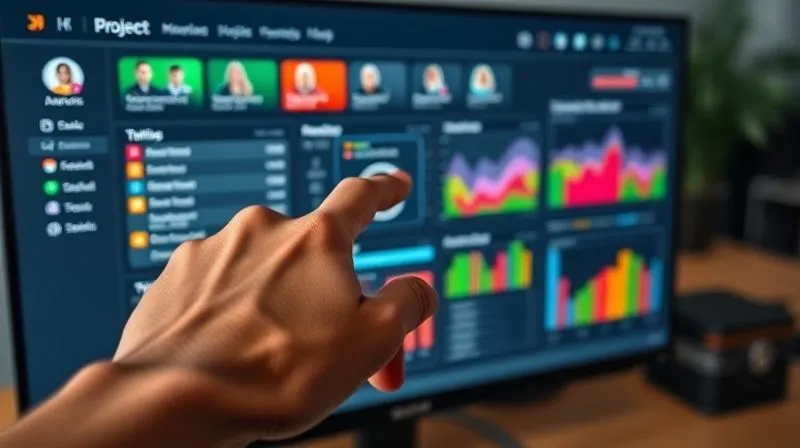
The Role of Leadership in Preventing Burnout and Driving Engagement
Ultimately, the success of any strategy to prevent remote employee burnout and maintain high engagement hinges on strong, empathetic leadership. Leaders are the culture carriers, setting the tone and modeling the behaviors that define the remote work experience.
Leading by Example
Your actions speak louder than any policy. If you preach work-life boundaries but send emails at midnight, your team will follow your actions, not your words. Model the behaviors you wish to see: take breaks, disconnect after hours, and prioritize your own well-being.
Empathy and Active Listening
Remote leaders must cultivate a heightened sense of empathy. Without physical cues, it's harder to gauge how team members are truly feeling. Actively listen during 1:1s, ask open-ended questions about their challenges, and validate their experiences. Show genuine care for their well-being, not just their output.
As renowned author and speaker Simon Sinek often emphasizes, 'Leaders eat last.' This philosophy translates to prioritizing your team's needs and well-being above all else. For insights into developing empathetic leadership, consider articles from platforms like Forbes Leadership.
Leaders must be champions of the remote culture, consistently reinforcing values, celebrating successes, and addressing challenges with transparency and compassion. Your leadership is the anchor that stabilizes your remote team amidst the unique currents of distributed work.
Frequently Asked Questions (FAQ)
How often should we check in with remote employees? While a daily check-in (e.g., a quick stand-up) for project updates is common, individual managers should aim for at least bi-weekly 1:1s focusing on well-being, workload, and career development. Informal, optional virtual coffee breaks or social chats can be daily or weekly. The key is consistency and purpose, ensuring check-ins add value without becoming micromanagement.
What are the best tools for fostering remote engagement? The 'best' tools depend on your team's specific needs, but essential categories include: Communication (Slack, Microsoft Teams for instant messaging; Zoom, Google Meet for video calls), Project Management (Asana, Trello, Jira for task visibility), Document Collaboration (Google Workspace, Microsoft 365), and Engagement/Well-being (pulse survey tools, virtual social platforms like Donut, or wellness apps). The most effective tools are those that are adopted consistently and simplify workflows.
How can we measure remote employee engagement and burnout? Measuring engagement and burnout requires a multi-faceted approach. Utilize regular pulse surveys with specific questions on workload, stress levels, sense of belonging, and connection to purpose. Monitor key metrics like turnover rates, absenteeism, and productivity shifts. Conduct stay interviews and exit interviews to gather qualitative data. Finally, train managers to observe behavioral changes during video calls and foster open dialogue during 1:1s.
Is it possible to completely eliminate remote burnout? Completely eliminating burnout might be an unrealistic goal, as work-related stress is a part of any professional environment. However, it is absolutely possible to significantly reduce its prevalence and severity. By implementing proactive strategies for boundaries, well-being, communication, and support, you can create a resilient remote culture where employees are equipped to manage stress effectively and thrive. The goal is prevention and early intervention, not eradication.
What if employees resist well-being initiatives? Resistance often stems from a lack of understanding, feeling forced, or skepticism about genuine intent. Start by clearly communicating the 'why' behind initiatives – how they benefit the individual. Offer a variety of options to cater to different preferences, making participation optional. Lead by example, showcasing how leaders are utilizing these resources. Gather feedback on what employees truly need and adjust programs accordingly, demonstrating that their input is valued.
Key Takeaways and Final Thoughts
Preventing remote employee burnout and maintaining high engagement is not a one-time fix; it's an ongoing commitment to nurturing a thriving distributed workforce. My experience has shown that success lies in a holistic approach, prioritizing human connection and well-being above all else.
- Prioritize Proactive Communication & Psychological Safety: Build trust through transparency and a safe environment for all voices.
- Empower with Autonomy & Purpose: Give employees control over their work and connect them to a meaningful mission.
- Design Sustainable Workflows: Set clear boundaries and invest in holistic well-being programs.
- Cultivate Intentional Connection: Create opportunities for social interaction and peer support.
- Foster an Engagement Loop: Implement continuous feedback, meaningful recognition, and growth opportunities.
- Leverage Technology Wisely: Choose tools that simplify work and enhance collaboration, not overwhelm.
- Lead with Empathy and Example: Your leadership is the most critical factor in shaping a positive remote culture.
The future of work is undeniably flexible, and the organizations that master the art of remote engagement will be the ones that attract and retain top talent, fostering innovation and resilience. By embracing these strategies, you're not just managing a remote team; you're building a connected, empowered, and truly engaged community that can achieve remarkable things, no matter where they are.
Recommended Reading
- Missed DoD? 6 Proven Strategies to Master Scrum Delivery
- Unlock the Future: How Sustainable Practices are Revolutionizing Franchising?
- Unmasking Fraud: Your 7-Step Guide to Detecting Balance Sheet Manipulation
- 5 Strategic Steps to Pivot Your Business When Market Demand Drops
- Why Loyal Clients Suddenly Disengage: 7 Core Reasons & Solutions





Comments
Leave a comment below. Your email will not be published. Required fields marked with *