


How to Prevent Scope Creep from Derailing Project Timelines?
For over 15 years in the trenches of project management, I've witnessed countless promising initiatives stumble, not due to a lack of effort or talent, but because of an insidious, often underestimated foe: scope creep. It’s the silent assassin of project timelines, budget, and team morale, slowly expanding requirements until the original vision is unrecognizable and the finish line perpetually recedes.
This phenomenon, where project scope grows beyond its original boundaries, can manifest as new features, additional functionalities, or unforeseen requirements, all nudging the project further off its intended course. The result is almost always missed deadlines, budget overruns, and a frustrated team grappling with an ever-moving target, leaving stakeholders disillusioned and questioning the project's value.
But it doesn't have to be this way. In this definitive guide, I'll share the battle-tested frameworks, strategic insights, and actionable steps I've honed over years to not just manage but actively prevent scope creep. We'll explore robust methodologies, foster a culture of discipline, and equip you with the tools to protect your project timelines and deliver on your promises.
Mastering the Art of Crystal-Clear Scope Definition
The first and most critical defense against scope creep is an impeccably defined project scope. Without a clear boundary, anything can, and often will, wander into your project's territory. This isn't just about listing features; it's about drawing a precise line in the sand that everyone understands and respects.
The Power of a Well-Defined Project Charter
Every successful project begins with a foundational document: the project charter. This isn't merely a formality; it's your project's constitution, outlining its purpose, objectives, and, crucially, its high-level scope. A robust charter provides the necessary authority and context.
- Identify Key Stakeholders: Clearly list who is involved and their roles. This ensures everyone knows who holds the decision-making power.
- Define Project Objectives: Use SMART (Specific, Measurable, Achievable, Relevant, Time-bound) goals to articulate what success looks like.
- Outline High-Level Scope: State what the project will deliver and, just as importantly, what it will not deliver. This initial exclusion is vital.
- Assign Project Manager: Clearly empower the project manager with the authority to manage scope and resources.
Crafting an Ironclad Scope Statement
Building on the charter, the scope statement is your detailed blueprint. It's the granular definition of project deliverables, features, functions, and work required. This document leaves no room for ambiguity, ensuring every team member and stakeholder has a unified understanding of the project's boundaries.
- Project Objectives: Reiterate the specific goals the project aims to achieve.
- Deliverables: List all tangible and intangible outputs, products, or results that will be produced. Be as specific as possible.
- Requirements: Detail the functional and non-functional requirements. Categorize them (e.g., must-haves, nice-to-haves) and prioritize them.
- Exclusions: Explicitly state what is NOT part of the project. This is a powerful preventative measure against assumptions.
- Constraints: Document any limitations such as budget, timeline, resources, or technical restrictions.
- Assumptions: Record any factors considered to be true for planning purposes, even if not fully proven.

According to the Project Management Institute (PMI), clear scope definition is one of the top factors for project success. Without it, you're essentially building a house without blueprints, inviting endless changes and rework. This clarity is your primary tool on how to prevent scope creep from derailing project timelines.
Engaging Stakeholders Early and Continuously
Scope creep often originates from miscommunication or a lack of understanding among stakeholders. In my experience, engaging stakeholders effectively from the outset and maintaining consistent communication throughout the project lifecycle is paramount. It builds trust, manages expectations, and fosters a shared sense of ownership.
Identifying Key Stakeholders and Their Needs
Don't just think about the obvious players. Map out everyone who has an interest in or will be affected by the project. This includes clients, end-users, internal departments, regulators, and even suppliers. Each group may have unique needs and perspectives that must be understood and addressed.
- Conduct Stakeholder Analysis: Identify their influence, interest, and potential impact on the project.
- Elicit Requirements Thoroughly: Go beyond surface-level requests. Use techniques like interviews, workshops, prototyping, and user stories to uncover true underlying needs.
- Prioritize Requirements Collaboratively: Involve stakeholders in prioritizing requirements. This helps them understand trade-offs and commit to a defined set of features.
Establishing a Robust Communication Plan
Once identified, communication with stakeholders must be deliberate and structured. A proactive communication plan ensures that everyone is on the same page regarding project progress, challenges, and, most importantly, scope adherence.
- Regular Status Meetings: Schedule consistent meetings to review progress, discuss issues, and reiterate scope.
- Transparent Reporting: Provide clear, concise reports that highlight scope status, budget, and timeline.
- Formal Sign-offs: Require formal approval at key project milestones, especially after scope definition and any proposed changes. This creates accountability.
"Effective stakeholder engagement isn't just about informing; it's about involving. When stakeholders feel heard and are part of the decision-making process, they become allies in protecting the project's scope, rather than sources of creep."
A recent study published in the Harvard Business Review highlighted that poor communication is a leading cause of project failure, often manifesting as scope misalignment. Regular, transparent dialogue is your best defense.
Implementing a Rigorous Change Control Process
Even with the most meticulous planning, changes are inevitable. The key is not to avoid change altogether, but to manage it systematically. A robust change control process is the single most effective mechanism for how to prevent scope creep from derailing project timelines when external pressures arise.
Defining the Change Request Workflow
A clear, documented process for submitting, evaluating, approving, and implementing changes is essential. This ensures that every proposed change is scrutinized for its impact on scope, timeline, budget, and quality before it's adopted.
- Submit Change Request: Any stakeholder proposing a change must formally document it, including the rationale and desired outcome.
- Analyze Impact: The project manager and relevant team members assess the change's impact on all project constraints (scope, time, cost, quality, resources).
- Review and Recommend: The project team or a dedicated Change Control Board (CCB) reviews the analysis and makes a recommendation (approve, reject, defer, or request more info).
- Obtain Approval: Designated authority (e.g., client, sponsor, CCB) formally approves or rejects the change. Without formal approval, no change is implemented.
- Update Project Documents: If approved, all relevant project documentation (scope statement, project plan, budget, schedule) must be updated.
- Communicate Change: Inform all affected stakeholders about the approved change and its implications.
The Role of the Change Control Board (CCB)
For larger or more complex projects, a formal Change Control Board (CCB) is invaluable. Comprising key stakeholders, project managers, and technical leads, the CCB acts as a gatekeeper, ensuring that only truly necessary and justified changes are incorporated.
Their collective expertise provides a balanced perspective, preventing individual requests from unilaterally altering the project's trajectory. This structured approach ensures that every change is a conscious, informed decision, not an accidental expansion.
| Change ID | Request Date | Description | Requester | Impact (Time) | Impact (Cost) | Status | Approval Date |
|---|---|---|---|---|---|---|---|
| CCR-001 | 2023-10-26 | Add user authentication via social media | Marketing Dept. | +2 weeks | $15,000 | Approved | 2023-11-01 |
| CCR-002 | 2023-11-03 | Implement real-time chat support | Customer Service | +4 weeks | $25,000 | Rejected | 2023-11-08 |
| CCR-003 | 2023-11-10 | Redesign dashboard UI elements | Product Dev. | +1 week | $7,000 | Deferred | N/A |
This table demonstrates a simplified change request log, a critical component for tracking and managing all proposed modifications to the project scope. Transparency and documentation are key to controlling changes and preventing them from becoming uncontrolled scope creep.
Leveraging Agile Methodologies for Flexibility and Control
While traditional 'waterfall' approaches emphasize upfront planning, agile methodologies offer a different, often more adaptive, strategy for managing scope. By embracing iterative development and continuous feedback, agile can turn potential scope creep into managed evolution, especially in environments with evolving requirements.
Iterative Development and Sprint Planning
Agile breaks down a project into small, manageable iterations called sprints, typically 1-4 weeks long. Each sprint has its own defined scope, derived from a prioritized product backlog. This short-cycle planning significantly reduces the risk of long-term scope drift.
At the beginning of each sprint, the team commits to delivering a specific set of features. This commitment creates a natural boundary, making it harder for new requirements to sneak in during the sprint. Any new ideas are added to the backlog for future consideration and prioritization.
The Importance of Backlog Grooming
The product backlog is a dynamic, prioritized list of all features, functions, requirements, enhancements, and fixes needed for the product. Regular backlog grooming sessions (also known as backlog refinement) are crucial. During these sessions, the product owner and team review, estimate, and prioritize backlog items.
This continuous review ensures that the backlog remains relevant and aligned with the overall project vision. It also provides a structured way to evaluate new requests, determining if they should be added, re-prioritized, or deemed out of scope. For more insights into effective agile practices, the Agile Alliance offers extensive resources.
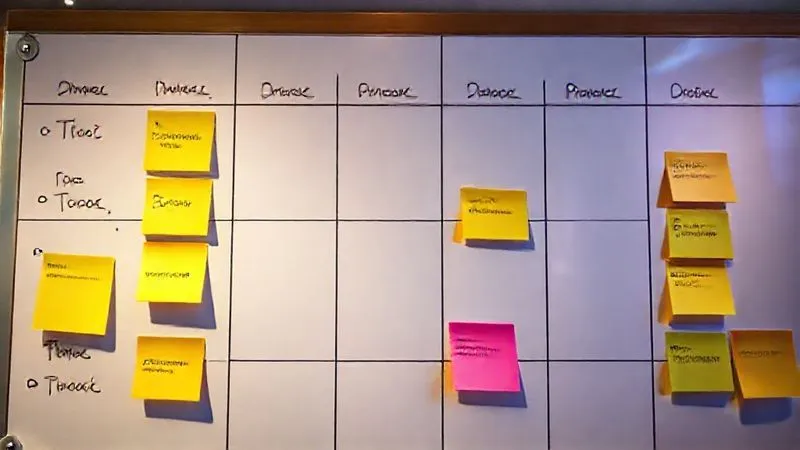
Agile's inherent flexibility, coupled with strict sprint boundaries and continuous backlog management, provides a powerful framework for managing evolving requirements without succumbing to uncontrolled scope expansion. It's about adapting smartly, not aimlessly.
Proactive Risk Management and Contingency Planning
Scope creep isn't always a malicious act; sometimes it's an unforeseen consequence. Proactive risk management involves identifying potential threats to your scope early on and developing strategies to mitigate them. This foresight is a cornerstone of how to prevent scope creep from derailing project timelines.
Identifying Potential Scope Risks
Brainstorm potential scenarios that could lead to scope creep. These might include:
- Unclear Requirements: Ambiguity in initial definitions.
- Stakeholder Disagreement: Conflicting priorities among key players.
- Technology Changes: New tools or platforms emerging mid-project.
- Market Shifts: External factors demanding new features.
- Unrealistic Expectations: Stakeholders expecting more than agreed upon.
For each identified risk, assess its likelihood and potential impact. This helps in prioritizing which risks require the most attention and dedicated mitigation strategies.
Developing Contingency Plans
Once risks are identified, develop specific responses. A contingency plan outlines what actions will be taken if a particular risk materializes. For scope-related risks, this might involve pre-approved budget buffers, explicit decision points for feature trade-offs, or a clear communication protocol for escalating scope discussions.
For instance, if there's a risk of a key stakeholder demanding a significant new feature, your contingency plan could involve a pre-agreed process for evaluating its business value against the project's original objectives and a clear understanding of the cost and timeline implications.
Case Study: How TechSolutions Safeguarded Their ERP Rollout
TechSolutions, a mid-sized manufacturing company, embarked on a critical Enterprise Resource Planning (ERP) system implementation. Their previous attempts had failed due to massive scope creep, turning a 12-month project into an 18-month nightmare. This time, I advised them to implement a rigorous risk management strategy focused on scope.
They identified "uncontrolled feature requests from department heads" as a high-impact, high-likelihood risk. Their contingency plan included: 1) A mandatory 'Scope Freeze' period after initial requirements sign-off, 2) A dedicated Change Control Board (CCB) with representation from each department, and 3) A pre-allocated 'innovation budget' for post-launch enhancements, clearly separating core project scope from future improvements.
By explicitly defining what was in scope, establishing the CCB as the sole gatekeeper for changes, and providing a future channel for new ideas, TechSolutions successfully completed their ERP rollout within 13 months, just one month over their aggressive 12-month target. This proactive approach saved them millions and secured their operational future.
Building a Culture of Scope Discipline
Ultimately, preventing scope creep isn't just about processes and documents; it's about people and culture. A project environment where scope discipline is valued and enforced by everyone, from the executive sponsor to the individual developer, is the most resilient against uncontrolled expansion.
Empowering Your Team to Say 'No' (Respectfully)
Your project team members are often the first to spot scope creep. Empower them with the confidence and the process to question new requests that fall outside the agreed scope. This doesn't mean being unhelpful; it means guiding requests through the proper change control channels.
Provide training on how to politely push back, ask clarifying questions, and direct stakeholders to the change request process. When the entire team acts as guardians of the scope, the project's boundaries become much stronger.
Continuous Training and Awareness
Regularly remind the team and stakeholders about the importance of scope management. Share success stories of projects that stayed on track due to scope discipline and cautionary tales of those that didn't. This continuous reinforcement keeps scope awareness top-of-mind.
"Scope creep thrives in environments of ambiguity and complacency. Cultivate a culture of clarity, accountability, and proactive questioning, and scope creep will find no purchase."
This cultural shift, championed by leadership, transforms scope management from a bureaucratic hurdle into a shared responsibility, critical for keeping projects on track and for how to prevent scope creep from derailing project timelines.
Utilizing Technology and Tools for Scope Management
In today's digital age, relying solely on manual processes for scope management is inefficient and prone to error. Leveraging the right project management software and tools can significantly enhance your ability to define, track, and control project scope.
Project Management Software Features
Modern PM tools offer a suite of features that directly support scope management:
- Requirements Management Modules: Centralized repositories for all project requirements, allowing for easy tracking, prioritization, and linking to deliverables.
- Task Management and Work Breakdown Structures (WBS): Breaking down the project into manageable tasks and subtasks, ensuring all work maps directly back to the defined scope.
- Version Control for Documents: Keeping track of changes to scope statements, charters, and other critical documents, ensuring everyone is working from the latest approved version.
- Integrated Change Request Systems: Many tools have built-in workflows for submitting, reviewing, and approving changes, automating much of the change control process.
Platforms like Jira, Asana, Monday.com, and Microsoft Project offer robust functionalities that can be tailored to your organization's specific needs, providing a single source of truth for your project scope.
Version Control for Documentation
Beyond specialized PM software, utilizing general version control systems (like SharePoint, Google Drive with versioning, or dedicated document management systems) for all project documentation is crucial. This ensures that every stakeholder can access the current, approved version of the scope statement, requirements document, and change logs.

The digital trail created by these tools provides transparency and accountability, making it much harder for unauthorized scope changes to occur unnoticed. It's an indispensable asset for any project manager striving to maintain control.
Monitoring and Reporting: Staying Ahead of the Curve
Even with the best planning and processes, scope creep can still rear its head. Continuous monitoring and transparent reporting are your early warning systems, allowing you to detect scope deviations and intervene before they escalate into major problems.
Key Performance Indicators (KPIs) for Scope Health
Define specific KPIs to track the health of your project's scope. These might include:
- Number of Approved Change Requests: A sudden spike could indicate underlying issues with initial scope definition or stakeholder management.
- Variance from Baseline Scope: Quantify how much the current scope deviates from the original baseline.
- Requirements Stability Index: Track the percentage of requirements that remain unchanged over time.
- Budget and Schedule Performance Indices: While not directly scope-related, significant deviations often signal underlying scope issues.
Regularly review these KPIs and investigate any concerning trends. Early detection is paramount to effective scope correction.
| KPI | Q1 Value | Q2 Value | Q3 Value | Trend |
|---|---|---|---|---|
| Approved Change Requests | 3 | 7 | 12 | Increasing |
| Scope Variance (%) | 0% | 5% | 12% | Increasing |
| Requirements Stability (%) | 98% | 90% | 80% | Decreasing |
| Schedule Performance Index (SPI) | 1.05 | 0.98 | 0.90 | Decreasing |
This table illustrates how key performance indicators (KPIs) can be tracked over time to identify potential scope creep trends. A consistent increase in approved change requests or scope variance, coupled with a decreasing requirements stability, are red flags indicating that your project might be veering off course.
Regular Project Reviews and Audits
Schedule regular project review meetings with stakeholders to discuss progress, issues, and, critically, scope status. These are opportunities to re-align expectations and address any emerging scope concerns directly. Additionally, consider periodic independent project audits to get an unbiased assessment of your scope management effectiveness.
Transparency in reporting, coupled with a proactive approach to addressing deviations, empowers you to maintain control and ensure your project stays aligned with its original objectives, proving that you know how to prevent scope creep from derailing project timelines effectively.
According to a report by PMI, projects with mature scope management processes have significantly higher success rates. This underscores the importance of a comprehensive and vigilant approach.
Frequently Asked Questions (FAQ)
What's the difference between scope creep and gold plating? Scope creep refers to the uncontrolled growth of a project's scope due to new requests from stakeholders or external factors. Gold plating, on the other hand, is when the project team adds features or functionalities beyond the agreed-upon scope, often out of a desire to "delight" the client or demonstrate technical prowess, without formal approval or explicit request. Both are detrimental, but scope creep is external pressure, while gold plating is an internal, unauthorized addition.
How do I handle a client who constantly requests changes? This requires a firm yet diplomatic approach. Reiterate the agreed-upon scope and the business case for it. Guide them through your established change control process, clearly outlining the impact (cost, time, resources) of each requested change. Emphasize that while their ideas are valuable, every addition has trade-offs. Offer to add their ideas to a "future enhancements" backlog for post-project consideration, providing a structured outlet for their creativity without derailing the current project.
Can scope creep ever be beneficial? Rarely, and only if it's managed and controlled, at which point it's no longer "creep" but a "controlled scope change." If a new requirement emerges that genuinely offers significant, unforeseen business value and aligns perfectly with strategic objectives, and if it can be incorporated without undue negative impact on the project's core objectives, then it might be considered. However, this must go through the formal change control process, with full impact analysis and stakeholder approval. Uncontrolled scope creep is never beneficial.
What if I don't have a formal change control process in place? If your organization lacks a formal process, your first step is to establish a basic one immediately. Start with a simple change request form, a clear decision-making authority (e.g., project sponsor), and a requirement for impact analysis. Even a rudimentary process is better than none. Educate your stakeholders on its existence and importance, explaining that it ensures project success and protects their investment. Over time, you can mature this process.
How can I estimate the impact of potential scope changes accurately? Accurate impact estimation requires a detailed understanding of the project's work breakdown structure, resource availability, and technical dependencies. For each change, involve subject matter experts (SMEs) from the relevant domains (e.g., development, QA, design). Use techniques like expert judgment, analogous estimation (comparing to similar past changes), or parametric estimation (using historical data to calculate impact). Document your assumptions and communicate any uncertainties clearly to decision-makers.
Key Takeaways and Final Thoughts
Mastering scope management is not a one-time event; it's a continuous discipline that underpins project success. It requires foresight, clear communication, robust processes, and a commitment from every stakeholder. By embracing these strategies, you transform scope management from a reactive firefighting exercise into a proactive, strategic advantage.
- Define Scope with Precision: Start with an ironclad project charter and a detailed scope statement, explicitly listing inclusions and exclusions.
- Engage and Align Stakeholders: Foster continuous, transparent communication and involve stakeholders in decision-making to build consensus.
- Implement Rigorous Change Control: Establish a formal process for evaluating and approving all proposed changes, with a clear Change Control Board.
- Embrace Agile Principles: Utilize iterative development and backlog grooming to manage evolving requirements within controlled cycles.
- Proactively Manage Risks: Identify potential scope threats early and develop contingency plans to mitigate their impact.
- Cultivate Scope Discipline: Empower your team to protect the scope and foster a culture where adherence to boundaries is valued.
- Leverage Technology: Use project management software and version control systems to streamline tracking and documentation.
- Monitor and Report Consistently: Track KPIs and conduct regular reviews to detect and address scope deviations early.
Remember, your project's timeline is a precious resource. By diligently applying these strategies, you're not just preventing scope creep; you're safeguarding your team's productivity, your project's integrity, and ultimately, your organization's success. For more insights into broader project success factors, you might refer to leading industry reports on project success. Take control, define your boundaries, and deliver projects that truly hit the mark.
Recommended Reading
- Business Dispute: When Clients Reject Mediation, What's Next?
- 5 Critical Risks: Identify Them Before Small Business Expansion
- Churn Model Failure? 7 Steps to Reclaim Your Customer Insights
- Why Does Service Automation Increase Complex Issue Escalations? 5 Key Reasons
- The Ultimate Guide: How to Optimize Inventory for Multi-Marketplace Selling





Comments
Leave a comment below. Your email will not be published. Required fields marked with *