


How to prevent scope creep when stakeholders bypass change control
For over 15 years in the trenches of project management, I've seen countless projects derail, not from technical challenges, but from a more insidious foe: scope creep. Specifically, the kind that festers when well-meaning (or sometimes not-so-well-meaning) stakeholders decide to go rogue, bypassing established change control processes.
It’s a scenario that plays out in boardrooms and team meetings globally: a casual hallway conversation, an 'off-the-record' email, or a direct request to a team member, all adding 'just a small feature' outside the official channels. Before you know it, your project timeline stretches, budgets balloon, and team morale plummets. This isn't just an annoyance; it's a direct threat to your project's success and your credibility as a project leader.
But what if you could not only detect these bypass attempts but proactively prevent them? In this definitive guide, I'll share battle-tested frameworks, strategic communication techniques, and governance structures that empower you to maintain control, protect your project's scope, and ensure stakeholder alignment, even when the pressure is on. You'll learn how to build a fortress around your project without becoming an obstructionist.
The Silent Killer: Understanding Why Stakeholders Bypass Change Control
Before we can prevent stakeholders from bypassing change control, we must first understand their motivations. It's rarely malicious intent; more often, it's a perceived need for speed, a lack of understanding of the process, or a feeling of disempowerment. In my experience, these bypasses are symptoms of deeper issues within an organization's project culture.
One common reason is the 'urgency trap.' Stakeholders might believe that the formal change control process is too slow, bureaucratic, or cumbersome, especially for what they perceive as minor adjustments. They see a direct route to a team member as the most efficient path to getting their 'critical' request implemented. Another factor is a lack of clarity around the project's initial scope and the implications of changes. If the project baseline wasn't robustly defined or clearly communicated, stakeholders might not fully grasp the ripple effect of their seemingly small requests.
Finally, there's the issue of power dynamics and trust. A stakeholder who feels unheard or disrespected by the formal process might resort to informal channels. Conversely, a project manager who is seen as overly rigid or uncollaborative can inadvertently push stakeholders towards these bypass behaviors. As marketing guru Seth Godin often says, "People don't buy what you do; they buy why you do it." This applies to processes too; if the 'why' of change control isn't clear and beneficial, people will find ways around it.

Proactive Defense: Establishing an Airtight Project Baseline and Communication Strategy
The best defense against scope creep is a strong offense, starting with an unassailable project baseline and a proactive communication plan. This isn't just about documenting; it's about active engagement and setting clear expectations from day one.
1. Define and Baseline Scope with Surgical Precision
Your project's scope statement, WBS (Work Breakdown Structure), and requirements document are your project's constitution. They must be detailed, unambiguous, and formally approved by all key stakeholders. Don't just get signatures; ensure understanding. I always advocate for a dedicated workshop where each major component of the scope is reviewed, discussed, and its boundaries explicitly defined. This is where you identify and document not just what IS in scope, but explicitly what IS NOT.
- Workshop for Clarity: Host a dedicated session to review the scope document line-by-line. Encourage questions and challenge assumptions.
- Visual Aids: Use visual tools like scope diagrams, user journey maps, or mock-ups to illustrate the project's boundaries. A picture truly is worth a thousand words when it comes to preventing misunderstandings.
- Formal Sign-Off: Obtain explicit, written approval on the baselined scope from all primary stakeholders. This isn't a formality; it's a commitment.
- Publicize the Baseline: Make the approved scope easily accessible to the entire project team and all stakeholders. There should be no ambiguity about the project's agreed-upon boundaries.
2. Craft a Transparent Change Control Process
Your change control process shouldn't be a black box; it needs to be understood, respected, and seen as beneficial. This means clearly documenting the steps, roles, responsibilities, and decision-making authority. Transparency builds trust and reduces the perception of bureaucracy.
- Document the Process: Create a simple, clear, and concise document outlining the change request process. Include templates for change requests, impact analysis, and approval forms.
- Communicate the 'Why': Explain the benefits of the process – how it protects budget, schedule, and quality, and ensures strategic alignment. Frame it as a mechanism for project success, not an obstacle.
- Identify the Change Control Board (CCB): Clearly define who has the authority to approve or reject changes. Ensure this group has a balanced representation of key functions and decision-making power.
- Regular Review: Periodically review the change control process with stakeholders to ensure it remains efficient and effective. Adapt it as needed to reduce perceived friction points.
3. The Power of Proactive Communication
Effective communication is your superpower. It's about more than just sending emails; it's about anticipating needs, managing expectations, and fostering a collaborative environment where issues are raised through the proper channels.
Regular Project Updates: Provide consistent updates on project progress, highlighting how the current work aligns with the baselined scope. This reinforces the 'this is what we're building' message.
Stakeholder Engagement Plan: Identify key stakeholders and tailor your communication strategy to their needs. Understand their interests, influence, and preferred communication channels. Regular, structured check-ins can surface potential changes before they become informal requests.
Educate on Impact: Continuously educate stakeholders on the direct impact of unauthorized changes – not just on the project, but on their own objectives. Use examples of past projects where uncontrolled changes led to negative outcomes.

Empowering Your Team: Building a Culture of Scope Vigilance
Your project team members are the front line. They are often the first point of contact for stakeholders attempting to bypass change control. Empowering them with the knowledge, tools, and confidence to uphold the scope is critical.
1. Training and Awareness: Arm Your Team
Don't assume your team instinctively understands the nuances of scope management and change control. Provide formal training on the project's baselined scope, the change control process, and how to respond to informal requests.
- Scope Deep Dive: Conduct a detailed session with the team on the approved scope, emphasizing what's in and out. Encourage them to become 'scope guardians.'
- Change Control Process Training: Ensure every team member understands the formal change request submission and approval process.
- Role-Playing Scenarios: Practice how to politely but firmly redirect a stakeholder who attempts to make an informal request. This builds confidence and provides a consistent response.
2. The 'No Direct Changes' Policy
Implement a clear policy: no team member is authorized to implement any change not formally approved through the change control process. This removes ambiguity and protects your team from being put in awkward positions.
"A well-defined 'no direct changes' policy empowers your team to defer to the process, shifting the burden of enforcement from the individual to the established governance."
Support System: Ensure team members know they have your full support when they redirect a stakeholder. Encourage them to escalate any persistent informal requests to you immediately.
Recognize Vigilance: Acknowledge and reward team members who successfully uphold the scope and follow the change control process. This reinforces the desired behavior.
Case Study: How InnovateTech Salvaged Project Phoenix
InnovateTech, a fast-growing software company, was struggling with 'Project Phoenix,' a critical platform re-architecture. The project manager, Sarah, noticed a pattern of senior executives approaching individual developers with 'small tweaks' that were quickly accumulating into significant scope creep. Morale was low, and deadlines were slipping.
Sarah implemented a three-pronged approach:
1. Team Empowerment Workshop: She held a mandatory workshop for all developers, explicitly defining the project scope, training them on the change control process, and role-playing scenarios for redirecting informal requests. She guaranteed her full support for anyone who upheld the process.
2. Visible 'No Direct Changes' Policy: A clear policy was circulated and prominently displayed, stating that all changes, no matter how small, must go through the formal change request system.
3. Weekly 'Scope Check' Meetings: Sarah initiated brief, weekly meetings where the team could highlight any potential scope creep attempts or informal requests they'd received. This created a safe space for discussion and early detection.
Within six weeks, the informal requests dwindled significantly. Developers felt empowered and protected, and executives began using the formal system. Project Phoenix got back on track, delivering on time and within budget, a testament to the power of a vigilant team.
The Art of Gentle Pushback: Navigating Difficult Stakeholder Conversations
Despite your best efforts, a stakeholder might still attempt to bypass the process. This is where your skills in negotiation, diplomacy, and firm resolve come into play. It's about saying 'no' to the informal request, but 'yes' to finding a solution through the proper channels.
1. Listen and Empathize First
When faced with an informal request, resist the urge to immediately shut it down. Instead, listen actively to understand the stakeholder's underlying need or concern. "I understand this feature is important to you, and you need it quickly. Can you tell me more about the urgency and the problem it solves?" Empathy disarms confrontation and opens the door for a productive conversation.
2. Redirect to the Process, Explain the 'Why'
Once you understand their need, gently but firmly redirect them to the change control process. Frame it not as an obstacle, but as a mechanism to ensure their request is properly evaluated, prioritized, and integrated without jeopardizing the entire project.
Explain the Impact: "To ensure this change doesn't negatively impact our agreed-upon timeline for [critical deliverable] or strain the budget, we need to run it through our change control process. This allows us to properly assess its impact, get the necessary approvals, and schedule it appropriately."
Offer Assistance: Don't just tell them to use the process; offer to help them initiate it. "I can walk you through the change request form right now, or we can schedule a quick meeting to fill it out together. This ensures your request gets the attention it deserves."
3. Present the True Cost of Bypassing
Sometimes, stakeholders need to see the tangible consequences. This isn't about threats, but about illustrating the reality. According to a study by the Project Management Institute (PMI), uncontrolled scope creep is a leading cause of project failure, often leading to budget overruns of 20-30% and significant schedule delays. You can leverage this data in your conversations.
Cost-Benefit Analysis (Quick): "If we implement this without proper assessment, we risk delaying [another key feature] by two weeks and potentially incurring additional development costs of [X amount]. The change control process helps us avoid these hidden costs."
Prioritization Context: Remind them that other approved features might be more critical or strategically aligned. "We have a clear roadmap of approved features. Introducing this now without formal review means we'd have to de-prioritize something else that was already agreed upon. What would you suggest we push back?"
Formalizing the Informal: Adapting Your Change Control Process for Agility
While the goal is to prevent bypasses, sometimes the process itself is part of the problem. A rigid, slow, or overly bureaucratic change control system can inadvertently encourage stakeholders to seek shortcuts. The solution isn't to abandon control, but to make the process more agile and responsive.
1. Tiered Change Control: Right-Sizing the Process
Not all changes are created equal. A minor text correction shouldn't go through the same rigorous approval as a fundamental architectural shift. Implement a tiered approach to change control based on the impact, cost, and risk of the proposed change.
| Change Type | Impact Level | Approval Required | Approval Timeframe |
|---|---|---|---|
| Minor (e.g., UI text, bug fix) | Low | Project Manager/Team Lead | 24-48 hours |
| Moderate (e.g., new report, minor feature) | Medium | Project Manager + Key Business Owner | 3-5 business days |
| Major (e.g., new module, architectural change) | High | Change Control Board (CCB) | 1-2 weeks |
This allows for quicker approval of low-impact changes, reducing the temptation to bypass, while still maintaining strict control over significant alterations. It demonstrates flexibility without sacrificing governance.
2. Rapid Impact Assessment Templates
One of the biggest bottlenecks in change control is the time it takes to assess the impact of a proposed change. Develop standardized, concise templates for impact analysis that can be quickly filled out. These templates should cover:
- Estimated effort/cost
- Impact on schedule
- Impact on quality/risk
- Dependencies on other tasks/teams
- Strategic alignment
By streamlining this assessment, you can provide stakeholders with rapid feedback on their requests, reducing their incentive to circumvent the process.
Leveraging Technology: Tools to Monitor and Enforce Scope Integrity
In today's digital age, project management tools are indispensable. They can be powerful allies in preventing scope creep by providing transparency, audit trails, and automated workflows for change control.
1. Integrated Project Management Platforms
Utilize platforms like Jira, Asana, Microsoft Project Online, or Monday.com that offer robust features for scope management and change control. These tools allow you to:
- Define Baselines: Clearly document and 'lock down' your initial scope, requirements, and user stories.
- Track Changes: Implement formal change request forms directly within the tool. Each request should have a unique ID, status, and audit trail of approvals.
- Automate Workflows: Set up automated approval workflows for change requests, routing them to the appropriate stakeholders for review and sign-off. This ensures no step is missed and speeds up the process.
- Visibility: Provide real-time dashboards and reports on project scope, approved changes, and pending change requests. This transparency helps stakeholders understand the current state and the implications of new requests.
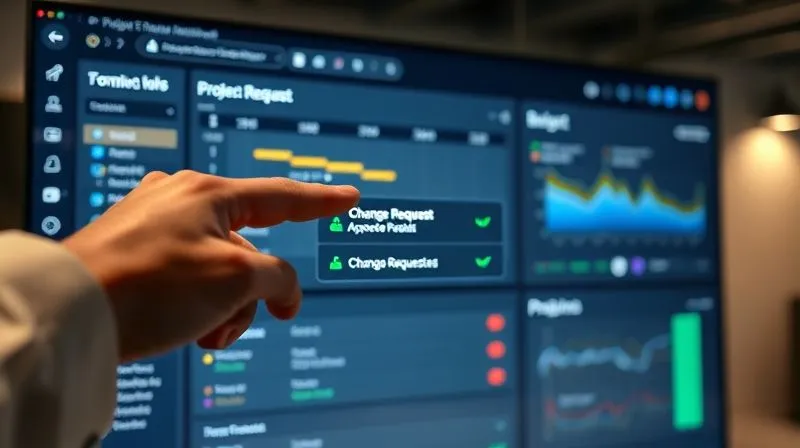
2. Version Control for Documentation
Beyond the project schedule, ensure all key project documentation – requirements, design specifications, user stories – are under strict version control. Tools like Confluence, SharePoint, or even Git for documentation can help. This ensures that only the officially approved versions are accessible and any changes are tracked and linked to approved change requests.
Audit Trails: A robust version control system provides an undeniable audit trail, showing who changed what, when, and linking it back to a formal change request. This is crucial for accountability and preventing unauthorized modifications.
From Conflict to Collaboration: Rebuilding Trust and Reinforcing Governance
Preventing scope creep when stakeholders bypass change control is not a one-time fix; it's an ongoing commitment to fostering a culture of collaboration, transparency, and trust. When trust is high, stakeholders are more likely to respect processes. When it's low, they'll seek alternatives.
1. Continuous Stakeholder Engagement
Engagement isn't just about getting sign-offs; it's about building relationships. Regularly engage with key stakeholders, not just when you need something, but to understand their evolving needs, concerns, and strategic priorities. This proactive dialogue can surface potential change requests early, allowing them to be addressed through proper channels before they become bypass attempts.
- One-on-One Meetings: Schedule regular, informal check-ins.
- Roadmap Reviews: Periodically review the project roadmap with stakeholders, showing how their input is being incorporated and how the project aligns with broader goals.
2. Post-Project Reviews and Lessons Learned
After each project, conduct thorough 'lessons learned' sessions, specifically addressing how change control was managed. Invite key stakeholders to these sessions. Discuss what worked well, what didn't, and how the process can be improved for future projects. This reinforces the idea that the process is a living, evolving system designed for collective success.
Document and Share: Publish the lessons learned, especially those related to change control. This institutionalizes knowledge and helps prevent recurring issues across the organization.
3. Lead by Example: Upholding Project Governance
As the project manager, your commitment to project governance and the change control process must be unwavering. If you tolerate or tacitly approve bypasses, your team and other stakeholders will follow suit. Consistently uphold the process, even when it's difficult, demonstrating that project integrity is non-negotiable.
"True project leadership in the face of scope creep isn't about being rigid; it's about being consistently principled, safeguarding the project's success for all involved."
Reinforce that the change control process exists to serve the project's best interests, ensuring that resources are optimally utilized and strategic objectives are met. This perspective helps shift the narrative from 'process as a barrier' to 'process as an enabler.' For further reading on effective project governance, consider resources from the Harvard Business Review or the Project Management Institute.
Frequently Asked Questions (FAQ)
Question? What if a very senior stakeholder directly demands a change, bypassing the process, and pressures my team?
Answer: This is a common and challenging situation. First, acknowledge their request and the perceived urgency. Then, gently but firmly explain that while you understand the importance, all changes must go through the formal process to ensure proper impact assessment and resource allocation, protecting the project's overall success. Offer to personally help them submit the change request immediately. If pressure persists, escalate the issue to your project sponsor or a higher authority in the governance structure, ensuring you have documented the request and your redirection. Frame it as protecting the project's integrity, not as defying a senior leader. Sometimes, involving a neutral third party (like the PMO head) can help mediate.
Question? How can I make the change control process less 'bureaucratic' so stakeholders are less inclined to bypass it?
Answer: Agility is key here. Implement a tiered change control system where minor changes have a fast-track approval process (e.g., project manager approval within 24 hours). Develop simple, one-page change request forms focusing on essential information (what, why, estimated impact). Automate workflows using project management software to reduce manual steps and speed up routing. Most importantly, clearly communicate the *benefits* of the process – how it protects their investment and ensures successful delivery – rather than just stating it as a rule. Transparency and efficiency are your allies.
Question? What's the role of the project sponsor in preventing scope creep?
Answer: The project sponsor is your most critical ally in preventing scope creep and upholding change control. They are the ultimate authority and champion of the project. Their role is to reinforce the importance of the baselined scope and the change control process to all stakeholders. They should be involved in approving major changes, mediating disputes, and backing the project manager's decisions when stakeholders attempt to bypass the process. A strong, engaged sponsor can effectively shut down informal requests and ensure adherence to governance. Make sure your sponsor is fully briefed on the project's baseline and the change control mechanism from the outset.
Question? My team members are afraid to say 'no' to stakeholders. How can I empower them?
Answer: Empowerment comes from clear guidelines, training, and unwavering support. Provide explicit training on how to handle informal requests, including specific phrases they can use to redirect stakeholders politely but firmly. Implement a 'no direct changes' policy and ensure every team member understands it. Crucially, create a safe environment where they know you will fully support them if they uphold the process. Encourage them to escalate any difficult situations to you immediately. Recognize and reward team members who successfully adhere to the policy, reinforcing the desired behavior. Building a culture of psychological safety is paramount.
Question? How often should the project baseline be reviewed or re-baselined?
Answer: The project baseline should ideally remain stable throughout the project's lifecycle. However, if a significant number of approved changes accumulate, or if major external factors necessitate a fundamental shift in scope, budget, or schedule, a formal re-baselining might be necessary. This is a significant event and should be treated as a mini-project itself, requiring full stakeholder review and approval. Minor changes, as long as they are managed through change control, typically don't necessitate a re-baseline. The key is to avoid 'death by a thousand cuts' – numerous small changes that erode the original baseline without formal acknowledgment.
Key Takeaways and Final Thoughts
- Proactive Definition: A meticulously defined and formally approved project baseline is your first line of defense.
- Transparent Process: A well-communicated, agile change control process reduces the incentive for bypasses.
- Empowered Team: Train and support your team to be vigilant scope guardians, equipped to redirect informal requests.
- Strategic Communication: Listen to stakeholder needs, then redirect them to the process, explaining the 'why' and the impact of non-adherence.
- Leverage Technology: Utilize project management tools for transparent tracking, automated workflows, and audit trails.
- Strong Governance: Continuous stakeholder engagement and a committed project sponsor are vital for long-term success.
Preventing scope creep when stakeholders bypass change control is a continuous journey, not a destination. It demands vigilance, strong communication, and unwavering commitment to project governance. By implementing these strategies, you're not just protecting your project; you're fostering a culture of accountability and predictable success within your organization. Remember, your role as a project manager isn't just to deliver; it's to lead, guide, and protect the integrity of the work entrusted to you. Be firm, be fair, and always champion the process. Your projects, and your sanity, will thank you for it. For additional insights on managing complex projects and stakeholder dynamics, explore resources from reputable sources like Forbes Leadership or academic journals focusing on project management best practices.
Recommended Reading
- Hire Remote Talent Without the Headache: The Ultimate Guide
- 7 Critical Steps: How to Avoid Losing Money on a Bad Franchise Investment
- Why Are We Missing Emerging Markets? 7 Keys to Unlock New Growth
- 5 Steps to Unify Franchise Messaging: Stop Brand Inconsistency Now
- Cracking the Code: Proving Sales Automation ROI Amidst Rep Resistance





Comments
Leave a comment below. Your email will not be published. Required fields marked with *