


How to Rebuild Trust in a Remote Team After a Major Conflict?
For over 15 years in leadership and team development, I've witnessed firsthand how quickly trust can erode, especially in the nuanced environment of a remote team. A major conflict isn't just a disagreement; it's a seismic event that can fracture psychological safety, cripple communication, and ultimately undermine productivity and morale. The stakes are incredibly high, and the path to recovery often feels daunting.
The unique challenges of remote work – the absence of non-verbal cues, the reliance on asynchronous communication, and the inherent physical distance – can amplify misunderstandings and deepen resentments. When a significant conflict erupts, it leaves a lingering shadow, making team members hesitant to collaborate, share ideas, or even engage in casual conversation. This isn't just a 'bad mood'; it's a fundamental breakdown in the social fabric that holds a team together, impacting everything from innovation to retention.
But here's the crucial insight: a major conflict, while painful, doesn't have to be the end. It can, in fact, be a catalyst for stronger, more resilient team dynamics. In this definitive guide, I'll walk you through a proven, actionable framework – a 7-step path – designed to not only address the immediate aftermath but to fundamentally rebuild trust in a remote team after a major conflict. You'll gain expert insights, practical tools, and a clear roadmap to transform rupture into renewed cohesion and high performance.
Acknowledging the Rupture: Why Remote Conflict Cuts Deeper
When a major conflict strikes a remote team, its impact is often more profound and insidious than in co-located environments. The very nature of remote work – characterized by screen-mediated interactions and a reduced capacity for spontaneous, informal check-ins – means that emotions can fester, and misunderstandings can escalate without immediate, in-person cues to de-escalate or clarify. Without seeing a colleague's body language or hearing the full nuance in their voice, intentions can be misread, and a simple disagreement can quickly spiral into deep-seated distrust.
Moreover, the inherent isolation of remote work can make individuals feel more vulnerable and exposed after a conflict. There's no water cooler chat to gauge sentiment, no quick desk visit to offer a conciliatory word. This lack of organic social connection means that the team's psychological safety – the belief that one can speak up, make mistakes, and be oneself without fear of negative consequences – takes a massive hit. When psychological safety is compromised, team members retreat, becoming guarded and less willing to take the interpersonal risks necessary for true collaboration.
"Trust is built in drops and lost in buckets. In remote teams, those buckets can leak even faster if not actively managed. Leaders must be vigilant in fostering environments where vulnerability is seen as a strength, not a weakness, especially after a major conflict."
Understanding these unique challenges is the first critical step in knowing how to rebuild trust in a remote team after a major conflict. It's not just about resolving the surface issue, but about healing the deeper wounds inflicted by distance and digital barriers.
The Immediate Aftermath: Stabilizing the Environment
When a major conflict erupts, the immediate priority isn't to solve everything, but to stabilize the environment and prevent further damage. Think of it like first aid: you stop the bleeding before you perform surgery. This means pausing, creating space, and ensuring individual well-being before bringing the team back together.
My experience has shown that rushing into a full team meeting without proper groundwork can exacerbate tensions. Instead, focus on individual outreach. Reach out to each team member involved, and even those indirectly affected, to acknowledge the situation, express empathy, and offer support. This individual attention validates their feelings and demonstrates leadership's commitment to their welfare.
The Power of One-on-One Outreach
These initial one-on-one conversations are crucial. They allow you to gather perspectives, understand the emotional impact, and gauge readiness for collective reconciliation without the pressure of a group setting.
- Acknowledge and Validate: Start by acknowledging the conflict and its impact. "I understand there's been a significant disagreement, and I can see how upsetting this has been."
- Listen Actively: Allow each person to share their experience without interruption or judgment. Focus on understanding their perspective, not on assigning blame.
- Express Empathy: Show that you understand their feelings. "It sounds like you felt really unheard/disrespected/frustrated."
- Reiterate Support: Reassure them of your support and the company's commitment to finding a constructive path forward. "My priority is to ensure everyone feels safe and valued here."
- Set Expectations: Explain that you're speaking with everyone involved and that the next step will involve a facilitated discussion, but only when everyone is ready.
These conversations lay the groundwork for a more open and productive future discussion, reminding team members that they are individually valued even amidst collective turmoil. This is a foundational element in understanding how to rebuild trust in a remote team after a major conflict.
Facilitating Open Dialogue: Creating a Safe Virtual Space
Once individual check-ins are complete and initial stability is achieved, the next critical step is to bring the team together for a structured, facilitated dialogue. This isn't just another video call; it's a carefully orchestrated intervention designed to create a psychologically safe space where difficult truths can be spoken and heard.
As a leader, your role here shifts from individual listener to neutral facilitator. If the conflict directly involved you, consider bringing in an external mediator or an impartial HR professional. The goal is to ensure everyone feels heard, understood, and respected, even if agreement isn't immediately possible. This process is central to knowing how to rebuild trust in a remote team after a major conflict.
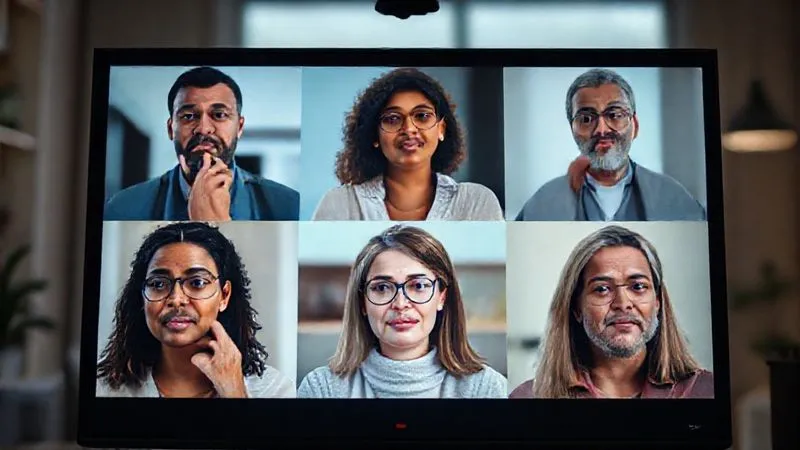
Ground Rules for Productive Remote Discussions
Before any sensitive conversation begins, clear ground rules are paramount. These rules help manage expectations, prevent re-escalation, and ensure a constructive outcome.
- Confidentiality: What is said in the meeting stays in the meeting.
- Active Listening: Listen to understand, not just to respond. Avoid interrupting.
- Speak for Yourself: Use "I" statements. Focus on your feelings and perceptions, not on accusing others. ("I felt undervalued when..." vs. "You always ignore my input.")
- Assume Positive Intent: Give colleagues the benefit of the doubt.
- Focus on the Future: While acknowledging the past, steer the conversation towards solutions and preventing recurrence.
- Breaks as Needed: Acknowledge that these conversations can be emotionally draining. Encourage short breaks if tension rises.
- Designated Notetaker: Have someone (not the facilitator) document key agreements and action items.
By establishing and strictly adhering to these rules, you create a framework for a difficult but ultimately healing conversation. This structured approach is fundamental to rebuilding trust in a remote team after a major conflict.
The Reconciliation Framework: A 7-Step Path to Rebuilding
Rebuilding trust is not a single event; it's a deliberate, multi-stage process. This framework provides a structured path to guide your remote team from conflict to renewed cohesion. Each step builds upon the last, ensuring a thorough and sustainable recovery.
Step 1: Acknowledge and Validate Emotions
The first step in any genuine reconciliation is to create a space for all affected parties to express their feelings without judgment. As a leader, you must facilitate this by acknowledging the pain, frustration, or anger that arose from the conflict. Simply saying, "I hear that this situation caused significant distress, and those feelings are valid," can be incredibly powerful. This isn't about agreeing with every perspective, but about validating the human experience of those involved. Ignoring emotions only prolongs the healing process.
Step 2: Define the Core Conflict and Impact
Move beyond the surface-level arguments to identify the root causes of the conflict. Was it a misunderstanding of roles, a clash of values, miscommunication, or unaddressed historical issues? Use open-ended questions to probe deeper: "What do you believe was the fundamental issue at play here?" or "How did this conflict specifically impact your ability to do your work or feel connected to the team?" Documenting these core issues and their perceived impact helps the team move towards objective problem-solving.
Step 3: Collaborative Problem-Solving & Shared Accountability
Shift from blame to collective responsibility. Encourage the team to brainstorm solutions for the identified core issues. This isn't about one person apologizing or taking all the blame, but about the team collectively owning the challenge and committing to preventing recurrence. Ask, "What can *we* do differently moving forward to ensure this doesn't happen again?" or "What steps can each of us take to contribute to a healthier team dynamic?" This fosters a sense of shared ownership in how to rebuild trust in a remote team after a major conflict.
Step 4: Re-establishing Clear Communication Protocols
Often, major conflicts stem from inadequate or misunderstood communication channels and norms. Take this opportunity to revisit and formalize how your remote team communicates. This might involve setting explicit guidelines for asynchronous vs. synchronous communication, defining response time expectations, or establishing a 'no-blame' rule for clarifying ambiguities. Clear protocols reduce assumptions and prevent future misunderstandings.
| Communication Channel | Purpose | Response Expectation | Best Practice |
|---|---|---|---|
| Slack/Teams (Chat) | Quick questions, informal updates, casual check-ins | Within 1-2 hours | Avoid critical feedback here |
| Formal announcements, detailed information, documentation | Within 24 hours | Summarize key points, use clear subject lines | |
| Video Call (Scheduled) | Complex discussions, decision-making, team meetings, conflict resolution | As scheduled | Agendas, clear facilitators, follow-up notes |
| Video Call (Ad-hoc) | Urgent clarifications, quick problem-solving | Immediate availability if possible | Respect availability, keep it brief |
Step 5: Reinforcing Shared Values and Vision
A team united by purpose and common values is more resilient to conflict. After a major disagreement, it's crucial to remind everyone of the overarching mission and the shared values that define your team culture. Revisit your team's mission statement, discuss its relevance, and highlight how individual contributions align with the collective goal. This reconnects team members to something larger than themselves, helping to reframe past conflict within a broader, more positive context.
Case Study: How Synergy Solutions Rebuilt Connection
Synergy Solutions, a fully remote marketing agency, faced a severe internal conflict after a project deadline was missed due to perceived lack of communication between two departments. Morale plummeted, and cross-functional collaboration became strained. By implementing Step 5, their leadership dedicated a full virtual retreat to revisiting their core values of 'Transparency' and 'Mutual Accountability'. They facilitated exercises where team members shared personal stories of how these values had positively impacted their work, and collaboratively redefined what these values looked like in a remote context. This process not only healed old wounds but also forged a renewed sense of shared purpose, leading to a 25% increase in cross-departmental project success within six months. This demonstrated a clear path for how to rebuild trust in a remote team after a major conflict.
Step 6: Consistent Follow-Through and Monitoring
Reconciliation is an ongoing commitment. Any agreements made, new protocols established, or behavioral changes promised must be consistently followed through on. As a leader, you need to actively monitor the team's dynamics, provide regular check-ins, and address any signs of regression swiftly. This might involve dedicated agenda items in team meetings to discuss team health, or anonymous feedback channels to gauge sentiment. Inconsistency here will quickly undo all the hard work.
Step 7: Celebrating Small Wins and Progress
As the team begins to heal and new, healthier dynamics emerge, it's vital to acknowledge and celebrate these small victories. Did a previously estranged pair collaborate effectively on a task? Did someone demonstrate courage by offering constructive feedback respectfully? Publicly recognizing these moments reinforces positive behaviors and provides tangible proof that the team is moving forward. These celebrations, even virtual ones, help to rebuild positive emotional associations and strengthen the bonds of trust.

Leveraging Technology for Connection, Not Just Productivity
In the aftermath of conflict, technology can either be a barrier or a bridge. While it often facilitates the work, it can inadvertently limit the spontaneous social interactions that build camaraderie and trust. To truly understand how to rebuild trust in a remote team after a major conflict, we must intentionally pivot to using technology as a tool for human connection.
Many teams focus solely on task-oriented communication, neglecting the 'virtual water cooler' moments. These informal interactions are crucial for fostering empathy, understanding individual personalities, and ultimately, mending relationships. Leaders should actively encourage and create opportunities for non-work-related engagement using the very tools that define remote work.
Beyond the Task: Building Social Capital Remotely
Building social capital means investing in relationships beyond the immediate project. It creates a buffer against future conflicts and provides a foundation of goodwill when disagreements inevitably arise.
- Dedicated Social Channels: Create specific Slack or Teams channels for non-work topics like hobbies, pet pictures, or weekend plans. Encourage lighthearted sharing.
- Virtual Coffee Breaks/Lunches: Schedule optional, informal video calls where the only agenda is casual conversation.
- Team-Building Games: Organize virtual game nights (e.g., online trivia, Pictionary, escape rooms) that encourage laughter and friendly competition.
- "Show and Tell" Sessions: Once a month, have team members share something personal – a favorite object, a travel photo, a skill – to foster deeper understanding.
- Virtual Volunteering: Engage in a collective online volunteering effort to foster a shared positive experience and purpose outside of work tasks.
These initiatives might seem tangential to work, but they are incredibly powerful in knitting a team back together. They humanize colleagues, build empathy, and reinforce the idea that everyone is part of a supportive community. This proactive approach is vital in the long-term strategy of how to rebuild trust in a remote team after a major conflict.

Leadership as the Linchpin: Modeling Trust and Vulnerability
The success of any trust-rebuilding effort hinges significantly on the leadership's actions and demeanor. Leaders aren't just orchestrators of the process; they are active participants and the primary role models. Your willingness to demonstrate vulnerability, transparency, and a genuine commitment to healing will set the tone for the entire team. This is a non-negotiable aspect of how to rebuild trust in a remote team after a major conflict.
In my career, I've observed that teams mirror their leaders. If a leader appears guarded, blames others, or avoids difficult conversations, the team will do the same. Conversely, a leader who admits mistakes, expresses empathy, and consistently acts with integrity creates a safe space for others to follow suit. This isn't about being weak; it's about authentic strength that inspires confidence and psychological safety.
"Vulnerability is not winning or losing; it's having the courage to show up and be seen when we have no control over the outcome. Vulnerability is not weakness; it's our greatest measure of courage." - Brené Brown
Empowering Team Members for Ownership
Beyond modeling behavior, effective leaders empower their team members to take ownership of the rebuilding process. This means involving them in decision-making, soliciting their input on new protocols, and trusting them to uphold commitments. When team members feel they have a stake in the solution, their commitment to the outcome dramatically increases.
| Leadership Action | Trust Outcome |
|---|---|
| Admitting personal mistakes/learnings | Fosters psychological safety, encourages honesty |
| Consistent, transparent communication | Reduces speculation, builds reliability |
| Active listening without judgment | Validates team members' feelings, shows respect |
| Empowering team in solution design | Increases ownership, strengthens commitment |
| Providing clear, constructive feedback | Establishes fairness, promotes growth |
Your leadership during this period isn't just about managing a crisis; it's about shaping the future culture of your remote team. By embodying the very trust you wish to rebuild, you create a powerful ripple effect that can transform a fractured team into a cohesive, high-performing unit. This is the ultimate demonstration of how to rebuild trust in a remote team after a major conflict.
Sustaining Trust: Long-Term Strategies for Remote Cohesion
Rebuilding trust after a major conflict is a significant achievement, but sustaining it requires continuous, proactive effort. Trust is not a static state; it's a dynamic relationship that needs ongoing nurturing, especially in the remote environment where distance can easily lead to drift. The strategies discussed so far provide the foundation for how to rebuild trust in a remote team after a major conflict, but maintaining that trust requires vigilance and consistent investment.
The goal isn't just to return to pre-conflict levels of trust, but to build a stronger, more resilient team capable of navigating future challenges with greater cohesion. This involves embedding trust-building practices into the very fabric of your remote team's operations and culture.
Regular Feedback Loops and Psychological Safety Audits
One of the most effective ways to sustain trust is through consistent, structured feedback mechanisms. This isn't just about performance reviews; it's about creating channels for continuous feedback on team dynamics, communication effectiveness, and overall psychological safety. Consider implementing:
- Anonymous Pulse Surveys: Short, frequent surveys to gauge team sentiment regarding communication, collaboration, and safety.
- Dedicated 'Team Health' Discussions: Regular agenda items in team meetings where members can openly discuss what's working well and what needs improvement in a safe space.
- 360-Degree Feedback on Teamwork: Beyond individual performance, evaluate how effectively team members collaborate and contribute to a trusting environment.
As Google's Project Aristotle famously found, psychological safety is the single most important factor for team success. Regularly auditing and reinforcing it is paramount for sustained trust. This ongoing commitment is crucial for how to rebuild trust in a remote team after a major conflict and keep it strong.
Investing in Conflict Resolution Training
While you've successfully navigated a major conflict, equipping your team with the skills to handle future disagreements constructively is a powerful long-term strategy. Investing in professional development around conflict resolution, active listening, and difficult conversations can transform potential future ruptures into opportunities for growth.
Remote-specific training is particularly valuable, focusing on nuances like managing tone in written communication, interpreting video call cues, and de-escalating tension across digital platforms. Resources like those offered by Harvard Law School's Program on Negotiation or specialized corporate trainers can provide invaluable skills that empower every team member to contribute to a culture of trust and respect. This proactive skill-building ensures the team doesn't just recover but becomes more resilient.
Frequently Asked Questions (FAQ)
Q: How long does it typically take to rebuild trust in a remote team after a major conflict? A: There's no fixed timeline, as it heavily depends on the severity of the conflict, the commitment of all parties involved, and the consistency of leadership. Generally, expect it to be a process that takes weeks to several months, rather than days. Initial stabilization can happen quickly, but deep, sustainable trust rebuilding requires sustained effort and patience.
Q: What if one team member is unwilling to participate in the reconciliation process? A: This is a challenging situation. First, ensure you've had thorough one-on-one conversations to understand their resistance. It might stem from deeper hurt, fear, or a sense of injustice. If their unwillingness persists and impacts team functionality, you may need to consider individual coaching, HR intervention, or, as a last resort, evaluate their fit within the team's culture and values. The team's overall health must be prioritized.
Q: Can trust truly be rebuilt to its original level, or will there always be a scar? A: Often, the trust that emerges after a successfully navigated conflict can be stronger than before. It's a different kind of trust – one that has been tested and proven resilient. While there might be a 'scar' in the sense of a memory of the event, it doesn't have to be a weakness. Instead, it can serve as a powerful reminder of the team's capacity to overcome adversity and grow, leading to deeper understanding and respect.
Q: How do I prevent conflicts from escalating to a 'major' level in the future? A: Prevention is key. Focus on fostering a culture of psychological safety where minor disagreements can be addressed early and openly. Implement regular 'team health' check-ins, encourage direct and respectful feedback, clarify roles and responsibilities, and ensure communication channels are efficient and well-understood. Proactive investment in clear communication and empathy training is crucial.
Q: Is external mediation always necessary for rebuilding trust in a remote team after a major conflict? A: Not always, but it can be highly beneficial, especially for severe conflicts or if the leader is directly involved or feels unable to remain neutral. An external mediator brings objectivity, specialized skills in conflict resolution, and can create a truly neutral space for dialogue. For less severe conflicts, an internal leader with strong facilitation skills can often guide the process effectively.
Key Takeaways and Final Thoughts
Rebuilding trust in a remote team after a major conflict is arguably one of the most challenging, yet rewarding, tasks a leader can undertake. It demands courage, empathy, strategic thinking, and unwavering commitment. It's not about erasing the past but about learning from it and forging a stronger, more resilient future.
- Acknowledge the Unique Remote Challenges: Understand why conflict hits harder in virtual settings.
- Prioritize Individual Healing: Start with one-on-one outreach to stabilize emotions.
- Facilitate Safe Dialogue: Create structured, rule-bound virtual spaces for open communication.
- Follow a Structured Reconciliation Framework: Implement the 7-step path from validation to celebration.
- Leverage Technology for Connection: Intentionally use tools to build social capital, not just productivity.
- Lead by Example: Model vulnerability, transparency, and a genuine commitment to healing.
- Sustain with Proactive Strategies: Embed feedback loops, psychological safety audits, and conflict resolution training.
Remember, your remote team's strength isn't measured by the absence of conflict, but by its ability to navigate and grow through it. By embracing these strategies, you're not just fixing a problem; you're cultivating a culture of profound trust, resilience, and high performance that will serve your team for years to come. The effort to rebuild trust in a remote team after a major conflict is an investment in human capital, and it's an investment that always pays off.
Recommended Reading
- Overwhelmed Team? 7 Smart Ways to Delegate Effectively Now
- Why Your Sales KPIs Aren't Driving Revenue: 7 Critical Fixes
- ESG & Returns: 7 Strategies to Maximize Profit & Impact
- Navigating VC Term Sheets: 7 Strategies to Protect Founder Control & Equity
- Q3 Profits at Risk? 7 Urgent Strategies to Hedge Currency Volatility Now





Comments
Leave a comment below. Your email will not be published. Required fields marked with *