


How to Reduce E-commerce Customer Churn After First Purchase?
For over 15 years in the e-commerce trenches, I've seen countless promising businesses struggle, not because they couldn't acquire customers, but because they couldn't keep them. The initial thrill of a first purchase often gives way to a silent, insidious problem: customer churn. It's like pouring water into a leaky bucket, no matter how much you pour in, you never truly fill it.
The pain point is palpable: you've invested significant resources – marketing spend, ad campaigns, content creation – to get that first-time buyer. To then lose them after a single transaction isn't just a missed opportunity; it's a direct erosion of your profitability and a massive drain on your growth potential. This isn't just about losing a sale; it's about losing the entire potential lifetime value of a customer.
But what if you could plug those leaks? In this definitive guide, I'll share the frameworks, actionable strategies, and expert insights I've developed and witnessed in practice to effectively reduce e-commerce customer churn after first purchase. We'll move beyond generic advice to give you the precise tools to transform first-time buyers into loyal, high-value customers.
Understanding the 'Why': Decoding Post-Purchase Churn Drivers
Before we can fix the problem, we must understand its root causes. Why do customers leave after their initial purchase? It’s rarely a single reason, but often a combination of unmet expectations, poor experiences, or simply a lack of compelling reasons to return. As the renowned marketing guru Seth Godin often emphasizes, it’s about connection and trust, not just transactions.
Common Pitfalls After the First Sale
- Poor Product Fit: The product didn't meet their expectations or solve their problem as advertised.
- Subpar Onboarding: They didn't understand how to use the product effectively or missed key features.
- Lack of Engagement: No meaningful follow-up communication after the sale, leading to a feeling of being forgotten.
- Competitor Lure: A competitor offered a better deal, service, or product post-purchase.
- Customer Service Issues: A negative interaction with support, or difficulty resolving a problem.
- No Perceived Value: They didn't see enough ongoing value to warrant a repeat purchase or subscription.
- Logistical Headaches: Slow shipping, damaged goods, or a difficult return process.
“Churn isn't just a number; it's a symptom of a broken relationship. Fixing it requires empathy, data, and a commitment to continuous improvement.”
According to a study by Deloitte, customer experience directly impacts loyalty. If the experience falters after the initial high of buying, churn becomes inevitable. Identifying these specific friction points requires diligent data analysis, which we'll explore next.

The Art of Onboarding: Turning First-Time Buyers into Loyalists
The moment a customer completes their first purchase is not the end of the journey; it’s the beginning. Effective onboarding is crucial for fostering a lasting relationship. It’s about more than just a 'thank you' email; it’s about guiding them to success with your product or service.
Crafting an Exceptional Welcome Series
Your post-purchase email sequence is your first and best opportunity to reinforce value and build trust. This isn't just about transactional emails; it's about education and engagement.
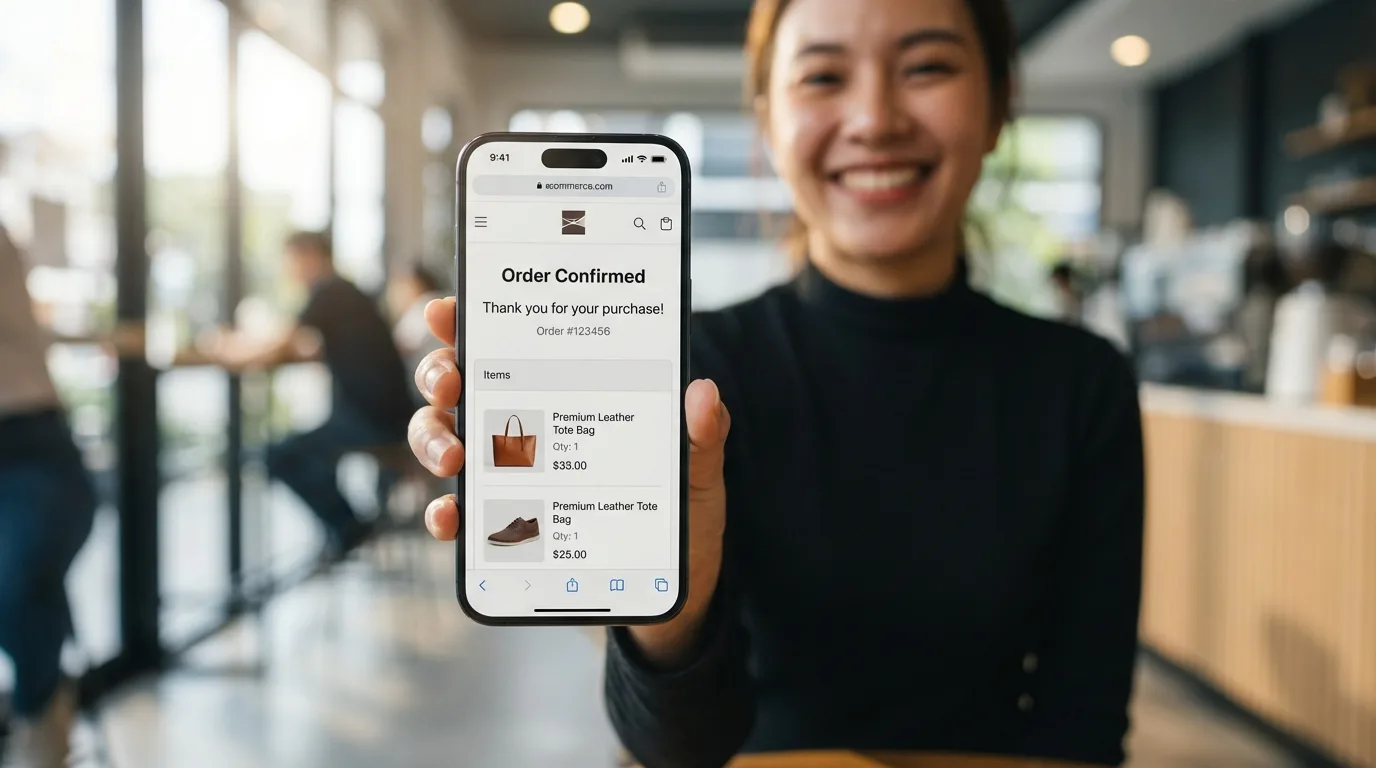
- Immediate Confirmation & Gratitude: Send a 'thank you' email with order details. Express genuine appreciation for their business.
- Expectation Setting & Shipping Updates: Clearly communicate shipping timelines and provide tracking. Proactive updates reduce anxiety.
- Product Utilization & Tips: A day or two after delivery, send an email with tips on how to get the most out of their purchase. Include links to guides, videos, or FAQs.
- Solicit Early Feedback (Non-Salesy): After a week, send a gentle email asking about their initial experience. This shows you care and opens a dialogue.
- Introduce Your Brand Story/Community: Share what makes your brand unique, its values, or invite them to a community forum. This builds an emotional connection.
Personalization is key here. Tailor content based on the product purchased. If they bought a camera, send tips on photography; if it was a skincare product, suggest a routine. HubSpot's research consistently shows that personalized emails drive higher engagement.
Proactive Communication: Nurturing the Relationship Beyond the Sale
Beyond the initial onboarding, continuous, relevant communication keeps your brand top-of-mind and strengthens the customer relationship. This isn't about spamming; it's about adding value at every touchpoint.
Segmented Messaging for Different Buyer Types
Not all first-time buyers are created equal. Segment your audience based on purchase behavior, product category, or even demographic data. This allows for highly targeted, relevant communication.
- Product-Specific Updates: Share news, accessories, or complementary products related to their purchase.
- Educational Content: Offer blog posts, webinars, or tutorials that address common problems your customers face.
- Exclusive Access: Invite them to early bird sales, new product launches, or special events.
- Customer Stories: Share testimonials or case studies from other satisfied customers using your products.
Case Study: How 'Acme Gadgets' Reduced Churn by 20%
Acme Gadgets, an online retailer of smart home devices, struggled with a high churn rate after the first purchase. Many customers bought a single device but never returned. I advised them to implement a proactive, segmented communication strategy. Instead of generic newsletters, they started sending highly personalized emails based on the specific smart device purchased. For example, customers who bought a smart thermostat received emails with energy-saving tips, integration guides for other smart home systems, and invitations to a private Facebook group for smart home enthusiasts.
This shift from broad marketing to targeted, value-driven communication saw their repeat purchase rate increase by 15% and their overall customer churn reduce by a remarkable 20% within six months. The key was understanding customer needs *after* the sale and providing solutions and community, not just promotions.

Exceptional Customer Service: Your Retention Superpower
Customer service isn't just a cost center; it's a powerful retention tool. A single positive interaction can solidify loyalty, while a negative one can send a customer straight to your competitors. In my experience, outstanding support is often the differentiator that makes customers choose you again.
Making Support a Strategic Advantage
- Speed and Accessibility: Ensure customers can easily reach you through multiple channels (chat, email, phone) and receive prompt responses.
- Empathy and Problem-Solving: Train your team to listen actively, empathize with customer issues, and focus on resolution rather than just closing tickets.
- Proactive Support: Use data to anticipate potential issues. For example, if a product often causes confusion, create a guide or send a proactive email.
- Personalized Interactions: Empower support agents to access customer history so they don't have to repeat themselves. Acknowledge their past purchases.
“Good customer service is not about having a department that fixes problems; it’s about having a company culture that prevents them and delights at every turn.”
According to research by Zendesk, 75% of customers are willing to spend more with companies that provide a good customer experience. This highlights the direct link between service quality and customer lifetime value. Investing in your support team is an investment in reducing churn.
Value-Added Content & Community: Building Beyond Transactions
To truly reduce e-commerce customer churn after first purchase, you need to offer more than just products. You need to offer value, education, and a sense of belonging. This fosters an emotional connection that transcends mere transactional relationships.
Educating and Engaging Your Customers
- How-To Guides & Tutorials: Create resources that help customers get the most out of their purchases. This could be video tutorials, blog posts, or downloadable PDFs.
- User-Generated Content (UGC): Encourage customers to share their experiences, photos, or reviews. Feature UGC on your site and social media. This builds social proof and community.
- Loyalty Programs: Reward repeat purchases and engagement. This incentivizes future transactions and makes customers feel valued.
- Online Community Forums: Create a space where customers can connect with each other, share tips, and get support. This builds a strong brand community.
These initiatives transform your brand from a simple retailer into a trusted resource and a community hub. Customers who feel connected and supported are far less likely to churn.
| Loyalty Tier | Spend Requirement | Benefits |
|---|---|---|
| Bronze | $0 - $100 | Early access to sales, Birthday discount (5%) |
| Silver | $101 - $500 | All Bronze benefits, Free shipping on all orders, Birthday discount (10%) |
| Gold | $500+ | All Silver benefits, Dedicated account manager, Exclusive product previews, Birthday discount (15%) |
Personalized Offers & Next-Purchase Nudges: The Smart Retargeting Play
Once you understand your customers and their purchase patterns, you can strategically offer personalized incentives to encourage a second purchase. This isn't about deep discounting; it's about smart, data-driven nudges that feel relevant and valuable.
Data-Driven Recommendations
- Complementary Product Suggestions: Based on their first purchase, recommend items that naturally go with it.
- Replenishment Reminders: For consumable products, send timely reminders when they might be running low.
- Browsing Abandonment Campaigns: If they viewed other products but didn't buy, send a reminder or a small incentive.
- Exclusive Segmented Discounts: Offer a discount on their next purchase, but make it feel exclusive and tied to their previous interaction.
“The most effective personalization isn't just about knowing their name; it's about anticipating their needs and offering solutions before they even ask.”
As McKinsey & Company consistently highlights, personalization can drive a 5-15% increase in revenue and 10-30% improvement in marketing spend efficiency. This translates directly to higher customer lifetime value and reduced churn.
Collecting & Acting on Feedback: The Continuous Improvement Loop
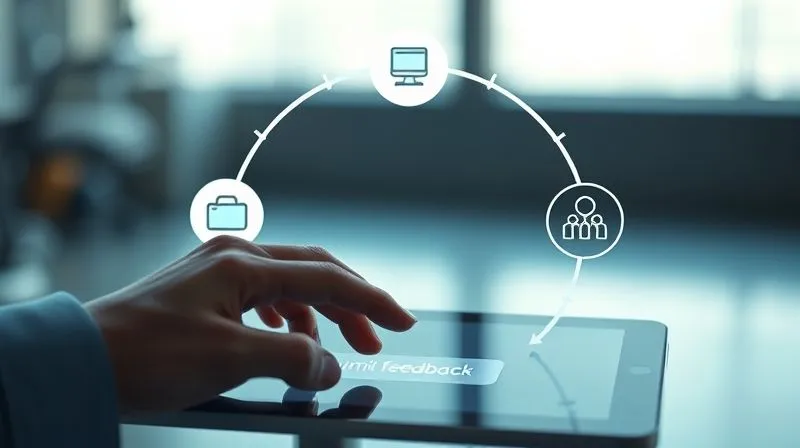
You can't fix what you don't understand. Actively soliciting and, more importantly, *acting* on customer feedback is non-negotiable for reducing churn. This demonstrates that you value their opinion and are committed to improving their experience.
Implementing Voice of Customer (VoC) Programs
A robust Voice of Customer (VoC) program allows you to systematically gather, analyze, and respond to customer feedback across various touchpoints.
- Post-Purchase Surveys: Send short surveys a few days after delivery to gauge satisfaction with the product and experience.
- NPS (Net Promoter Score) Surveys: Regularly measure customer loyalty by asking how likely they are to recommend your brand.
- Product Reviews: Actively encourage and respond to product reviews, both positive and negative.
- Social Media Listening: Monitor social channels for mentions of your brand, products, and customer sentiment.
- Direct Feedback Channels: Make it easy for customers to submit suggestions or complaints directly through your website or app.
The critical step after collecting feedback is to analyze it for patterns and implement changes. Close the loop by informing customers when their feedback has led to improvements. This transparency builds immense trust and loyalty, directly impacting your ability to reduce e-commerce customer churn after first purchase.
Win-Back Strategies: Rekindling the Spark with Lapsed Customers
Even with the best retention efforts, some customers will inevitably churn. However, not all is lost. A well-executed win-back strategy can often bring these customers back into the fold, often at a lower cost than acquiring new ones.
Targeted Campaigns for At-Risk Buyers
Identify customers who haven't made a second purchase within a specific timeframe (e.g., 60-90 days after their first). Segment them based on their initial purchase or browsing history.
- Personalized Re-engagement Email: Start with a gentle reminder, perhaps mentioning their previous purchase and asking for feedback on why they haven't returned.
- Value Proposition Reinforcement: Remind them of the benefits they enjoyed or the unique value your brand offers.
- Exclusive Incentive: Offer a compelling, time-sensitive discount or a free gift on their next purchase. Make it clear this is a special offer for *them*.
- New Product/Feature Showcase: Highlight new products or features that might appeal to their past interests.
- Last-Chance Offer: A final, slightly more aggressive offer before moving them to a less frequent communication list.
Analyze the success of these campaigns. Understand what incentives work best and for which segments. This data refines your win-back efforts and helps you prevent future churn.
| Campaign Type | Open Rate | Conversion Rate | Average Order Value |
|---|---|---|---|
| Feedback & Offer | 25% | 3% | $65 |
| New Product Showcase | 18% | 1.5% | $80 |
| Lapsed Customer Discount | 32% | 5% | $55 |
Frequently Asked Questions (FAQ)
What's the biggest mistake e-commerce businesses make regarding post-purchase churn? The most significant mistake I've observed is treating the first purchase as the finish line, rather than the starting line. Many businesses focus solely on acquisition and neglect the post-purchase experience, assuming customers will naturally return. This oversight leads to a transactional relationship where loyalty is never truly built, making churn almost inevitable. It's a failure to nurture the initial spark into a lasting flame.
How soon after the first purchase should I start retention efforts? Retention efforts should begin immediately after the first purchase. Your welcome series and onboarding communications are your first line of defense against churn. The period immediately following the sale is when the customer's interest is highest and their experience is freshest. Delaying these efforts can lead to disengagement and a lost opportunity to solidify their loyalty.
Can small businesses effectively implement these strategies? Absolutely. While larger enterprises might have more resources for sophisticated CRM systems, the core principles of empathy, personalization, and value-added communication are accessible to businesses of all sizes. Start with simple, manual processes like personalized email follow-ups and actively soliciting feedback. Leverage affordable tools for email marketing and social media monitoring. The key is consistency and genuine care for your customers, which doesn't require a massive budget.
What metrics should I track to measure churn reduction success? Beyond the obvious churn rate, key metrics include: Repeat Purchase Rate (percentage of customers who make a second purchase), Customer Lifetime Value (CLTV), Average Order Value (AOV) for repeat customers, Time Between Purchases, and Net Promoter Score (NPS). Tracking these will give you a holistic view of your retention health and the effectiveness of your strategies.
How do I balance personalization with customer privacy concerns? Transparency is paramount. Be clear about what data you collect and how you use it to enhance their experience. Focus on 'permission-based' personalization, where customers opt-in to receive tailored communications. Avoid overly intrusive tracking. The goal is to make personalization feel helpful and relevant, not creepy. Always prioritize trust; a customer who trusts you with their data is more likely to engage and stay loyal.
Key Takeaways and Final Thoughts
- Shift Your Mindset: View the first purchase as the beginning of a relationship, not the end of a transaction.
- Prioritize Post-Purchase Experience: Invest in exceptional onboarding, proactive communication, and stellar customer service.
- Leverage Data for Personalization: Understand your customers to deliver relevant content, offers, and support.
- Build Community & Value: Offer more than just products; provide education, connection, and rewards through loyalty programs.
- Listen and Adapt: Actively collect and respond to customer feedback to continuously improve your offerings.
Reducing e-commerce customer churn after first purchase isn't a quick fix; it's an ongoing commitment to your customers. It requires a strategic, customer-centric approach that permeates every aspect of your business. By implementing these proven strategies, you won't just plug the leaks in your bucket; you'll transform it into a wellspring of loyal, repeat customers, driving sustainable growth and long-term profitability. Start today, and watch your customer relationships, and your bottom line, flourish.
Recommended Reading
- 7 Reasons Why Your Qualified Small Business Sales Leads Aren't Converting
- 5 Proven Strategies: Prevent Burnout in High-Performing, Stressed Teams
- The Ultimate Guide: Overcoming Global Competition Challenges for SMEs
- BI Tools for Small Business Analysis: Unlock Your Data's Secrets
- Budget-Friendly Market Research: 5 Steps for Small Business Growth




Comments
Leave a comment below. Your email will not be published. Required fields marked with *