

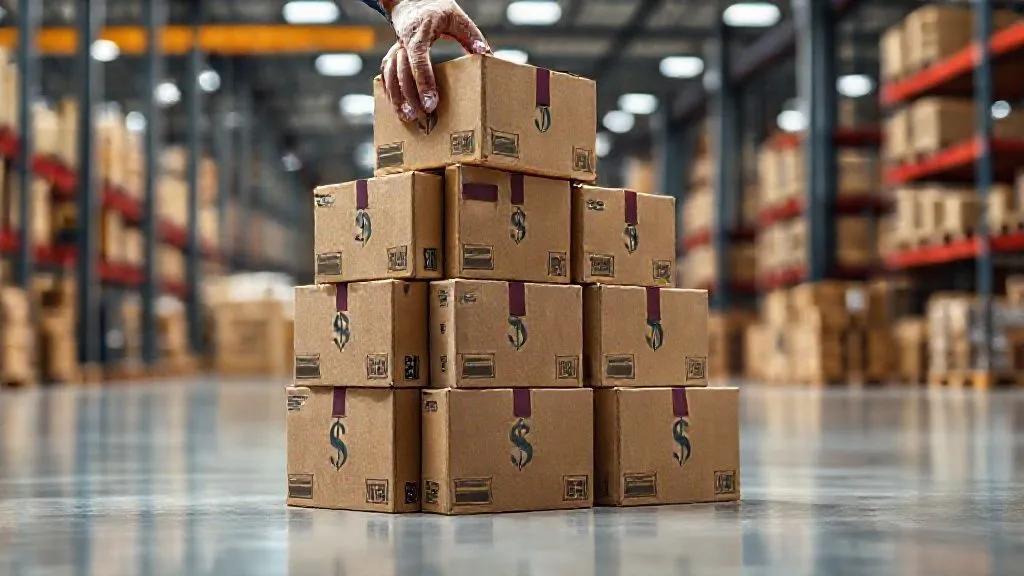
How to Reduce E-commerce Shipping Costs Impacting Profit Margins?
For over 18 years in the e-commerce and logistics trenches, I've witnessed firsthand how quickly seemingly minor shipping costs can balloon into a monstrous drain on profit margins. Many entrepreneurs, in their excitement to launch, often overlook the intricate dance of shipping logistics, only to find their hard-earned revenue evaporating with every package sent.
The problem is insidious: customers demand fast, cheap, or even free shipping, while carriers continue to raise rates, introduce new surcharges, and complicate pricing structures. This creates a relentless squeeze, making it incredibly challenging for e-commerce businesses to maintain a healthy bottom line without compromising customer satisfaction.
But here's the good news: it doesn't have to be this way. In this definitive guide, I'll share the actionable frameworks, real-world insights, and often-overlooked strategies that I've seen successful businesses deploy to significantly reduce their e-commerce shipping costs, directly translating into healthier profit margins. We'll go beyond basic rate shopping to uncover deep efficiencies.
The Hidden Cost Culprits: Beyond Just Carrier Rates
When most people think about shipping costs, they immediately jump to the price per label from FedEx or UPS. While these are significant, my experience tells me that the true profit killers often lurk in less obvious corners of your operation. Understanding these hidden culprits is the first step in learning how to reduce e-commerce shipping costs impacting profit margins effectively.
Packaging Waste & Inefficiency
Many businesses use oversized boxes for small items, incurring higher dimensional weight charges. Others use excessive void fill or expensive, non-optimized materials. This isn't just about the cost of the packaging itself, but how it impacts the carrier's pricing model. Dimensional weight, or 'DIM weight,' is a major factor, and if your packaging isn't optimized, you're literally paying to ship air.
Suboptimal Inventory Placement
Shipping from a single warehouse across the country to all your customers is a recipe for high costs and slow delivery. The further a package has to travel, the more expensive it becomes. Not having your inventory strategically located near your customer base forces you into higher-zone shipping, eroding profits with every distant order.
Returns & Reverse Logistics
Returns are an unavoidable part of e-commerce, but they are a massive cost center if not managed efficiently. Beyond the initial shipping cost, you incur costs for return shipping, inspection, restocking, and potential depreciation of the returned item. A high return rate, coupled with inefficient return processes, can quickly negate the profits from multiple sales.
Last-Mile Delivery Challenges
The 'last mile' — the final leg of the delivery journey to the customer's doorstep — is notoriously the most expensive and complex part of the entire shipping process. Congestion, failed delivery attempts, and customer demands for specific delivery windows all add layers of cost and operational headaches that directly impact your bottom line.
Strategic Carrier Negotiations: Your First Line of Defense
This is where many businesses leave significant money on the table. Your relationship with your carriers isn't static; it's a dynamic negotiation. I’ve seen companies reduce their shipping spend by 10-20% just by getting smarter about how they engage with their shipping partners. It's not just about asking for a discount; it's about understanding their pricing, your volume, and your leverage.
- Audit Your Current Invoices Thoroughly: Don't just pay the bill. Use shipping analytics software or a dedicated service to pore over every line item. Look for erroneous surcharges, incorrect dimensional weight calculations, and service failures. You'd be surprised how often mistakes occur, and claiming refunds can instantly boost your margins.
- Understand Carrier Pricing Models Inside Out: Each carrier has complex pricing tiers, surcharges (fuel, residential, delivery area, peak season), and accessorial fees. Know which ones apply to you and why. This knowledge is your power in negotiations.
- Consolidate Your Volume: If you're using multiple carriers for similar services, you might be diluting your negotiating power. By consolidating a larger percentage of your shipping volume with one or two key partners, you become a more valuable customer, unlocking better rates.
- Leverage Alternative and Regional Carriers: Don't put all your eggs in the national carrier basket. Regional carriers often offer competitive rates, especially for shorter distances, and more flexible service options. For example, Forbes highlights the importance of exploring all options.
- Negotiate Surcharges, Not Just Base Rates: Often, the base rate discount is minimal, but the surcharges are where the real costs accumulate. Focus your negotiation efforts on reducing or waiving common surcharges like residential delivery fees, fuel surcharges, and peak season surcharges. These add up quickly.
"The biggest mistake I see businesses make is accepting the first rate quoted. Your shipping carrier is a partner, not an overlord. Armed with data about your shipping profile, you have significant leverage to negotiate terms that truly reflect your volume and needs." - An Experienced Industry Specialist
Smart Packaging: It’s Not Just About the Box
Optimizing your packaging is a powerful, yet frequently underestimated, strategy on how to reduce e-commerce shipping costs impacting profit margins. It's a multi-faceted approach that goes beyond just choosing a cheap box.
Dimensional Weight Optimization
As mentioned, carriers charge based on the greater of actual weight or dimensional weight. This means a lightweight, bulky item can cost as much to ship as a heavy, compact one. The goal is to minimize the empty space within your packaging. This might mean using custom-sized boxes, poly mailers for soft goods, or right-sizing your packaging to fit your products snugly.
Material Selection & Sustainability
Explore lighter, yet durable, packaging materials. Corrugated cardboard comes in various strengths; do you really need the heaviest grade for your product? Consider sustainable options like recycled content or biodegradable materials, which can also resonate positively with your customers, creating a dual benefit. Less weight often means lower shipping costs.
Custom Packaging vs. Stock
While custom-branded boxes can enhance the unboxing experience, they often come at a premium and might not always be the most cost-effective option for every product. Evaluate whether the branding benefit outweighs the potential cost savings of using standard, optimized stock boxes for certain items. Sometimes, a branded sticker on a perfectly sized plain box is just as effective and much cheaper.
Case Study: How 'GreenGoods Co.' Slashed Packaging Costs
GreenGoods Co., an online retailer of eco-friendly household products, initially used standard 12x10x8 inch boxes for most orders, regardless of product size. They faced rising shipping costs due to dimensional weight. By implementing a packaging audit, they identified that 60% of their orders could fit into smaller, custom-sized poly mailers or flat-rate boxes. They also switched to lighter, recycled void fill. This initiative alone reduced their average shipping cost per order by 15%, directly translating to a 3% increase in their net profit margin within six months, without compromising product safety or customer perception.

Fulfillment Network Optimization: Location, Location, Location
Where you store and ship your products has a profound impact on your shipping costs and delivery speed. A smart fulfillment strategy can drastically reduce the average shipping zone for your orders.
Distributed Inventory & Multi-Warehouse Strategy
For businesses with significant order volume across a wide geographic area, a single fulfillment center is a major handicap. By strategically placing inventory in multiple warehouses (e.g., East Coast, West Coast, Midwest), you can drastically reduce transit times and ship more packages via lower-cost ground services to closer customers. This is a core strategy on how to reduce e-commerce shipping costs impacting profit margins for scaling businesses.
Dropshipping & 3PLs: When and How
Dropshipping can eliminate inventory holding costs and fulfillment labor, but you often have less control over shipping costs and branding. Third-Party Logistics (3PL) providers, on the other hand, can offer economies of scale, access to multiple fulfillment centers, and negotiated carrier rates that a small business couldn't achieve alone. They manage warehousing, picking, packing, and shipping. Choosing between in-house, dropshipping, or a 3PL depends on your volume, product type, and growth aspirations. Supply Chain Dive often covers the strategic advantages of 3PLs.
The Impact of Automation
Whether in-house or with a 3PL, automation in fulfillment (e.g., automated picking systems, conveyor belts, robotic sorters) reduces labor costs and increases accuracy, which indirectly lowers shipping costs by minimizing errors and speeding up processing times. Faster processing means more time for ground shipping options.
| Fulfillment Model | Pros | Cons | Cost Implications |
|---|---|---|---|
| In-House Fulfillment | Full control, brand consistency | High overhead (warehouse, labor), limited scalability | High fixed costs, variable shipping rates |
| Dropshipping | No inventory holding, low startup costs | Less control over quality/shipping, lower margins | Per-item fulfillment fee, supplier-controlled shipping |
| Third-Party Logistics (3PL) | Scalability, expert operations, negotiated rates | Less direct control, integration challenges | Variable fees (storage, pick/pack, shipping), bulk discounts |
Mastering the Last Mile: Speed, Cost, and Customer Satisfaction
The last mile is often the most expensive and complex part of the delivery chain. Optimizing this segment is crucial for both cost reduction and customer satisfaction. It's a critical area for any business looking at how to reduce e-commerce shipping costs impacting profit margins.
Local Delivery Partnerships
For businesses with a strong local customer base, partnering with local courier services or even using your own fleet for deliveries within a certain radius can be far more cost-effective than relying on national carriers. This also offers greater flexibility in delivery times and can enhance the local brand experience.
Route Optimization Software
If you manage your own local deliveries or have a small fleet, investing in route optimization software is a game-changer. These tools use algorithms to plan the most efficient delivery routes, minimizing fuel consumption, driver hours, and vehicle wear-and-tear. This directly translates to lower operational costs per delivery.
Click & Collect (BOPIS)
Offering Buy Online, Pick-up In Store (BOPIS) or 'Click & Collect' options eliminates the last-mile delivery cost entirely for a segment of your customers. This not only saves you money but also provides convenience for customers who prefer to pick up items at their leisure, often leading to additional in-store purchases.
"Customer expectations for fast, free delivery are non-negotiable. The challenge isn't just meeting them, but doing so profitably. The last mile is where this battle is won or lost, and innovative solutions are key to keeping costs in check." - An E-commerce Logistics Veteran

Returns Management: Turning a Cost Center into a Value Driver
Returns are an inevitable part of e-commerce, but they don't have to be a pure drain on your profits. Effective returns management is a significant component of how to reduce e-commerce shipping costs impacting profit margins.
Clear Return Policies
A transparent, easy-to-understand return policy can reduce customer service inquiries and streamline the return process. Clearly state conditions, timelines, and who pays for return shipping. While you might offer free returns as a customer perk, ensure you've factored that cost into your product pricing.
Quality Control & Product Descriptions
The best way to reduce return shipping costs is to prevent returns in the first place. Invest in robust quality control processes and provide highly accurate, detailed product descriptions, including multiple images, videos, and customer reviews. Misleading descriptions are a primary driver of returns.
Re-commerce & Refurbishment
Don't just write off returned items. Implement processes for inspecting, cleaning, refurbishing, and reselling returned goods. This 're-commerce' strategy can recoup significant value. Partner with liquidators for items that cannot be resold as new. Deloitte often publishes insights on optimizing reverse logistics.
Leveraging Technology: Data-Driven Shipping Decisions
In today's e-commerce landscape, technology isn't just an advantage; it's a necessity for optimizing shipping costs. Manual processes are simply too slow, too prone to error, and too inefficient to compete.
Shipping Software & Rate Shopping
A robust shipping software platform is non-negotiable. These systems integrate with your e-commerce store and automatically compare rates across multiple carriers for each order, ensuring you always get the best price and service level. They also automate label printing, tracking, and customs documentation, saving time and reducing errors.
Predictive Analytics for Demand Forecasting
Advanced analytics can help you forecast demand more accurately, leading to better inventory management. Knowing what products will sell and where allows you to pre-position inventory, reducing the need for expensive expedited shipping and minimizing stockouts or overstock situations.
AI-Powered Logistics
The future of shipping cost reduction lies in AI. AI can optimize everything from warehouse layouts and picking routes to real-time route adjustments for delivery drivers. It can identify patterns in shipping data to predict surcharges, recommend optimal packaging, and even automate negotiations with carriers based on historical performance. Embracing these tools is paramount for businesses serious about how to reduce e-commerce shipping costs impacting profit margins.
| Feature | Benefit | Impact on Costs |
|---|---|---|
| Multi-Carrier Rate Shopping | Always find the lowest cost for the required service level. | Direct cost reduction per shipment. |
| Automated Label Generation | Eliminates manual errors, speeds up fulfillment. | Reduces labor costs, avoids reshipments due |
| Tracking & Notifications | Proactive customer service, reduces 'where is my order' inquiries. | Lower customer service overhead, fewer chargebacks. |
| Analytics & Reporting | Identify trends, audit invoices, optimize strategies. | Uncover hidden costs, improve negotiation leverage. |
| Integration with E-commerce Platforms | Seamless workflow from order to delivery. | Increased efficiency, reduced operational friction. |

Frequently Asked Questions (FAQ)
How often should I renegotiate carrier rates? In my experience, you should aim for a formal review and negotiation with your primary carriers at least once a year. However, if your shipping volume significantly increases, or if you notice consistent discrepancies or new surcharges, don't wait. Proactively initiate a discussion. Smaller, incremental increases in volume can often be leveraged for better terms throughout the year. Always come prepared with your data.
What's the biggest mistake e-commerce businesses make with shipping? The biggest mistake, hands down, is treating shipping as an afterthought or a fixed cost. It's a strategic lever that can make or break your profitability and customer loyalty. Many businesses simply accept the published rates without attempting to optimize packaging, fulfillment, or carrier relationships. Ignoring the data and not continuously auditing your shipping spend is a direct path to eroding profit margins.
Is free shipping ever truly free for the seller? No, absolutely not. 'Free shipping' is a marketing tactic, and the cost is always absorbed somewhere. It's either built into the product price, subsidized by higher margins on other items, or impacts your overall profitability. The key is to strategically offer it (e.g., above a certain order value) and ensure you've optimized your shipping costs to minimize its impact. It's an investment in customer conversion, not a cost-free perk.
How can small businesses compete with large retailers on shipping? Small businesses can compete by focusing on niche markets, superior customer service, and smart use of technology. Leverage 3PLs for better rates, utilize regional carriers, and offer local pickup options. Be transparent about shipping costs and offer value in other areas that large retailers can't, like personalized service. Don't try to beat them on pure speed or free shipping across the board; focus on smart, sustainable strategies for your scale.
What's the role of customer experience in shipping cost reduction? Customer experience is intrinsically linked. Happy customers mean fewer returns, fewer customer service inquiries (which are costly), and higher repeat purchases. Clear tracking, accurate delivery estimates, and a smooth returns process (even if paid by the customer) reduce friction. Investing in these areas, while seemingly adding to costs, ultimately reduces the hidden costs of customer churn and dissatisfaction, directly supporting how to reduce e-commerce shipping costs impacting profit margins in the long run.
Key Takeaways and Final Thoughts
Mastering your e-commerce shipping costs isn't a one-time fix; it's an ongoing commitment to optimization and strategic thinking. It requires a holistic approach that touches every aspect of your operation, from product design to customer service. Here are the critical takeaways:
- Audit Relentlessly: Don't assume your current shipping costs are optimized. Dig into every invoice, every surcharge, and every package dimension.
- Negotiate Aggressively: Your carriers are partners, but also businesses. Leverage your volume and data to secure the best possible rates and terms.
- Optimize Packaging: Right-sizing your boxes and choosing appropriate materials can dramatically reduce dimensional weight charges.
- Strategize Fulfillment: Consider distributed inventory, 3PLs, or dropshipping to get products closer to customers and reduce shipping zones.
- Embrace Technology: Shipping software, analytics, and AI are your allies in identifying savings and streamlining operations.
- Manage Returns Proactively: Prevent returns through quality and clear descriptions, and efficiently process those that do occur to recoup value.
- Think Beyond the Label: Remember, hidden costs in labor, packaging, and inefficient processes often outweigh the sticker price of shipping.
By implementing these strategies, you're not just cutting expenses; you're building a more resilient, profitable, and customer-centric e-commerce business. The journey to truly reduce e-commerce shipping costs impacting profit margins is continuous, but with these insights, you're well-equipped to navigate the complexities and unlock significant growth. Don't let your profits sail away; take control of your shipping today!
Recommended Reading
- 7 Ways to Prevent Quiet Quitting: Fixing Poor Manager-Employee Culture
- 7 Proven Strategies: How to Overcome Employee Resistance to New Operations Tech
- Franchise Consultant: Is the Cost Really Worth It? Find Out!
- Mastering Data Storytelling: 7 Steps to Engage Non-Technical Executives
- The Secret to Sustainable Growth: Mastering Future Sales Prediction.




Comments
Leave a comment below. Your email will not be published. Required fields marked with *