

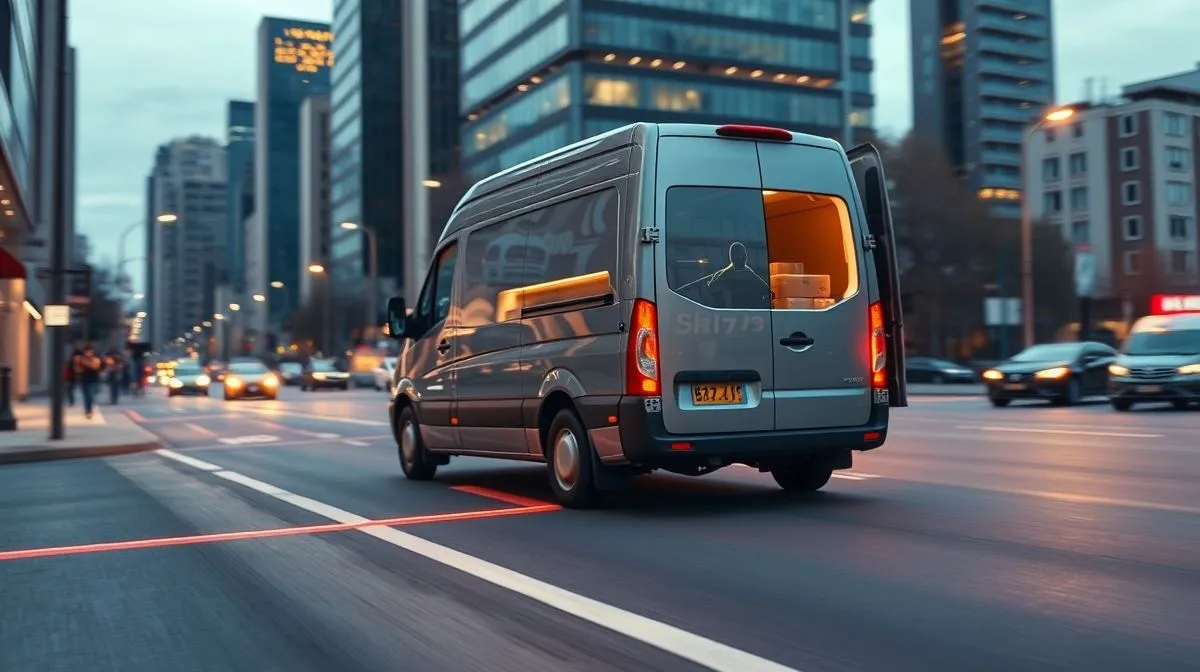
How to reduce last-mile delivery costs without impacting service?
For over 15 years in supply chain and operations management, I've witnessed firsthand the relentless pressure businesses face to deliver goods quickly and affordably. The 'last mile' – that final, critical leg from a distribution center to the customer's doorstep – has consistently emerged as the most complex, costly, and often, the most neglected part of the entire logistics chain. It's where profitability can bleed out if not managed with surgical precision.
The pain point is universal: escalating fuel prices, driver shortages, urban congestion, and the ever-increasing customer expectation for faster, cheaper, and even free delivery. Companies often find themselves caught between a rock and a hard place, trying to cut costs but fearing that any reduction will inevitably compromise the very service quality that builds customer loyalty. This balancing act is not just difficult; it feels impossible for many.
But what if I told you it doesn't have to be? In this comprehensive guide, I will share the strategies, technologies, and mindset shifts that, in my experience, genuinely allow you to optimize your last-mile operations. We'll explore actionable frameworks, real-world analogies, and expert insights designed to help you significantly reduce last-mile delivery costs without impacting service quality, transforming a major pain point into a competitive advantage.
Understanding the Last-Mile Delivery Conundrum
Before we dive into solutions, let's dissect the problem. The last mile typically accounts for over 50% of total shipping costs, a staggering figure that highlights its inefficiency. This isn't just about fuel; it's a complex interplay of various factors that inflate expenses while often diminishing customer satisfaction.
The Hidden Cost Drivers
Many businesses focus solely on the obvious costs like fuel and labor, missing the deeper, more insidious drains on their budget. In my consulting work, I've identified several key areas:
- Inefficient Route Planning: Suboptimal routes lead to wasted fuel, excess mileage, and extended delivery times.
- Failed Deliveries: Missed deliveries require re-attempts, doubling or tripling costs and frustrating customers.
- Vehicle Maintenance & Depreciation: Excessive wear and tear from stop-and-go urban driving.
- Labor Costs: Driver wages, overtime, and benefits, often exacerbated by inefficient scheduling.
- Returns Management: The reverse logistics process is often overlooked but can be incredibly costly.
- Lack of Visibility: Without real-time tracking, it's impossible to identify bottlenecks or respond proactively.
- Customer Service Inquiries: Each 'Where's my order?' call adds to operational overhead.
Understanding these drivers is the first step towards a holistic strategy for cost reduction that doesn't sacrifice service.
Strategic Route Optimization: More Than Just GPS
Gone are the days when a simple GPS device was enough. Today, strategic route optimization is about leveraging sophisticated algorithms to create the most efficient delivery paths, considering a multitude of variables in real-time. This isn't just about saving fuel; it's about maximizing driver productivity and ensuring timely deliveries.
Leveraging Advanced AI and Machine Learning
Modern route optimization software goes far beyond static mapping. It uses AI and machine learning to analyze historical data, predict traffic patterns, account for delivery windows, vehicle capacity, driver breaks, and even weather conditions. This dynamic optimization is crucial for adapting to the unpredictable nature of last-mile delivery.
- Data Collection & Integration: Gather historical delivery data, traffic patterns, customer locations, and vehicle specifics. Integrate this with real-time data feeds.
- Algorithm Selection: Choose an optimization algorithm that suits your business complexity (e.g., VRP, capacitated VRP).
- Dynamic Re-routing: Implement systems that can re-optimize routes on the fly in response to new orders, cancellations, or unexpected delays.
- Performance Monitoring: Continuously track actual vs. planned routes, delivery times, and fuel consumption to refine the models.
Case Study: How Globex Logistics Slashed Miles and Maintained Service
Globex Logistics, a regional courier service, was struggling with rising fuel costs and driver overtime. Their manual route planning was inefficient, leading to 20% of deliveries being late during peak hours. By implementing a new AI-powered route optimization platform, they integrated real-time traffic data and dynamic re-routing capabilities. Within six months, Globex reported a 15% reduction in total mileage and a 12% decrease in driver overtime. Crucially, their on-time delivery rate improved to 98%, directly enhancing customer satisfaction. This demonstrates that strategic investment in the right technology truly can optimize operations and improve customer outcomes simultaneously.
"The most effective cost reduction in last-mile delivery comes from doing more with less, not by cutting corners on service. Intelligent route optimization is the cornerstone of this philosophy."
Optimizing Fleet Management: Beyond Fuel Efficiency
While route optimization focuses on paths, fleet management optimizes the assets themselves. This involves more than just keeping vehicles fueled; it's about maximizing their utility, minimizing downtime, and ensuring they are the right fit for the job. In my experience, many companies overlook the strategic aspects of their fleet, leading to unnecessary expenses.
Vehicle Selection and Maintenance
Choosing the right vehicle for your delivery profile is paramount. Are you delivering small parcels in dense urban areas? Perhaps electric bikes or smaller vans are more efficient than large trucks. For heavier loads or longer distances, different considerations apply. Proactive maintenance is also key; preventable breakdowns are a major source of unexpected costs and service disruptions. Implementing telematics systems allows for predictive maintenance, identifying issues before they become critical.
Driver Training and Performance
Your drivers are your frontline. Investing in their training—not just in driving skills, but in efficient delivery protocols, customer interaction, and safe driving habits—can significantly impact your bottom line. Drivers trained in eco-driving techniques, for instance, can drastically reduce fuel consumption. Monitoring driver performance through telematics also helps identify areas for improvement and reward efficient behavior. According to a McKinsey report on last-mile delivery, optimizing vehicle types and driver behavior are critical levers for both cost reduction and sustainability.
Embracing Technology: The Power of Automation and Data Analytics
Technology is the engine that drives modern last-mile efficiency. It's not just about software; it's about integrating various systems to create a seamless, data-rich ecosystem that informs every decision and automates repetitive tasks. This is central to how to reduce last-mile delivery costs without impacting service.
Warehouse and Hub Automation
The efficiency of your last-mile journey often starts well before the vehicle leaves the depot. Automating sorting, picking, and packing within your warehouses or micro-hubs can drastically reduce loading times and errors. Robotic process automation (RPA) for administrative tasks, automated guided vehicles (AGVs), and smart shelving systems all contribute to a faster, more accurate dispatch process, minimizing delays that ripple down to the final delivery.
Real-time Tracking and Predictive Analytics
Providing real-time tracking for customers isn't just a nice-to-have; it's a cost-saving measure. By reducing 'Where's my order?' calls, you free up customer service resources. For operations, real-time tracking provides invaluable data. Predictive analytics, building on this data, can forecast demand, identify potential bottlenecks, and even predict delivery times with greater accuracy, allowing for proactive adjustments rather than reactive firefighting. This shift from reactive to proactive is, in my experience, one of the most significant changes a company can make.
Sustainable Delivery Models: Green Savings and Customer Loyalty
Sustainability isn't just a buzzword; it's a genuine opportunity for cost reduction and enhanced brand reputation. Green initiatives often lead to operational efficiencies and resonate strongly with environmentally conscious consumers, fostering loyalty. It's a win-win scenario.
Consolidated Deliveries and Micro-Hubs
Instead of sending multiple vehicles to the same area, consolidating deliveries reduces vehicle miles and fuel consumption. Establishing urban micro-hubs or pop-up depots closer to dense customer areas allows for shorter, more efficient last-mile trips. Goods can be transported to these hubs in bulk, then distributed locally by smaller, more agile, and often greener vehicles.
Alternative Delivery Methods (Lockers, Drones, Bikes)
Diversifying your delivery methods can significantly reduce costs. Parcel lockers offer a convenient, cost-effective alternative to home delivery, especially for missed attempts. In some urban environments, electric bikes or cargo bikes are far more efficient and cheaper to operate than vans. While drone delivery is still nascent, its potential for specific use cases (e.g., rural areas, urgent medical supplies) is immense. As industry expert Dr. Anne Goodchild from the University of Washington often highlights, the future of last-mile delivery is multimodal, leveraging the best option for each scenario to optimize cost and speed.
Customer-Centric Approaches: Reducing Failed Deliveries and Returns
A failed delivery isn't just a minor inconvenience; it's a financial burden. Each re-attempt costs money, time, and goodwill. Focusing on a superior customer experience throughout the delivery process can directly reduce these costly failures and improve overall efficiency.
Precise Communication and Delivery Windows
Clear, proactive communication is paramount. Providing customers with accurate, narrow delivery windows (e.g., 'between 2 PM and 4 PM') and real-time updates reduces anxiety and the likelihood of them not being home. Automated SMS or email notifications before, during, and after delivery are simple yet incredibly effective tools. This transparency builds trust and reduces inbound customer service calls. Forbes has often emphasized that customer-centricity is revolutionizing logistics, proving that service enhancement directly impacts the bottom line.
Flexible Delivery Options and Returns Management
Empowering customers with flexible options, such as selecting preferred delivery times, choosing alternative pickup locations (e.g., lockers, partner stores), or even leaving instructions for safe drops, can drastically reduce failed deliveries. Furthermore, streamlining the returns process – making it easy and transparent – can turn a potentially negative experience into a positive one, building loyalty and reducing the operational burden of complex return logistics.
Negotiating Better Rates and Building Strategic Partnerships
You don't have to go it alone. Strategic partnerships and smart negotiation tactics can unlock significant cost savings in your last-mile operations, leveraging economies of scale and specialized expertise.
Leveraging Volume and Long-Term Contracts
If you're using third-party logistics (3PL) providers, consolidate your shipping volume with fewer carriers to gain leverage for better rates. Long-term contracts, while requiring commitment, often come with more favorable pricing and service level agreements (SLAs). Always negotiate not just on price, but also on service reliability, technological integration, and flexibility for peak seasons.
Collaborative Logistics and Shared Services
Consider collaborating with other businesses, perhaps even non-competitors in your industry, to share delivery routes or warehousing space. This 'collaborative logistics' model can significantly reduce individual operational costs and environmental impact. For example, local businesses might share a common micro-hub for last-mile distribution. As a recent article in Harvard Business Review highlighted, strong, collaborative partnerships are a hallmark of resilient and efficient supply chains.
The Role of Data-Driven Decision Making
Ultimately, all these strategies converge on one critical element: data. Without robust data collection, analysis, and interpretation, you're flying blind. Data-driven decision-making allows you to identify true cost drivers, measure the impact of your initiatives, and continuously refine your operations.
Key Performance Indicators (KPIs) to Track
Beyond the obvious, focus on KPIs that reveal true last-mile efficiency:
- Cost Per Delivery (CPD): Breakdown by zone, package type, or driver.
- On-Time Delivery Rate (OTD): Crucial for customer satisfaction.
- First-Attempt Delivery Rate (FADR): Directly impacts re-delivery costs.
- Vehicle Utilization Rate: How efficiently are your vehicles being filled and used?
- Miles Per Delivery: A key indicator of route efficiency.
- Driver Productivity: Deliveries per hour or per shift.
Continuous Improvement Cycles
Implement a continuous improvement loop: Plan (identify areas for improvement), Do (implement changes), Check (measure results using KPIs), Act (adjust and refine). This iterative process ensures that your last-mile operations are constantly evolving, adapting to new challenges, and becoming progressively more efficient without ever compromising the quality of service your customers expect and deserve.
"Data is not just numbers; it's the narrative of your operation. Listen to it, and it will tell you exactly where to find inefficiencies and how to boost service."
Frequently Asked Questions (FAQ)
Can small businesses realistically apply these strategies, or are they only for large enterprises? Absolutely, many of these strategies are highly scalable. While large enterprises might invest in custom AI solutions, small businesses can leverage off-the-shelf route optimization software, utilize local micro-hubs, and focus heavily on customer communication. The principles of efficiency and customer-centricity apply universally, regardless of scale. Start with one or two areas, like improving route planning or first-attempt delivery rates, and build from there.
What's the single biggest mistake companies make when trying to reduce last-mile delivery costs? The biggest mistake I've observed is focusing solely on cutting obvious costs like fuel or driver wages without addressing the underlying inefficiencies. This often leads to short-term gains but long-term degradation of service quality and customer loyalty. True cost reduction comes from optimizing processes and technology, not just slashing budgets. Prioritize strategic investments that improve efficiency and customer experience simultaneously.
How long does it typically take to see tangible results from implementing these last-mile strategies? The timeframe varies based on the complexity of your current operations and the specific strategies implemented. Simpler changes like optimizing communication or implementing basic route planning software can show results within 3-6 months. More comprehensive overhauls involving new technology or fleet changes might take 9-18 months to fully mature and show significant returns. Consistency and continuous measurement are key to accelerating results.
How can companies manage last-mile delivery cost spikes during peak seasons without compromising service? Peak seasons require proactive planning. Leverage flexible workforce models (e.g., temporary drivers), utilize dynamic routing to adapt to increased volume, and diversify delivery options (e.g., encourage pickup points or extended delivery windows for non-urgent items). Negotiating peak season surcharges with 3PLs in advance and having contingency plans for vehicle breakdowns are also crucial. The goal is to absorb the increased demand without sacrificing service levels.
Is investing in new technology always necessary to reduce last-mile costs? While technology significantly accelerates and amplifies cost reduction efforts, it's not always the absolute first step. You can achieve considerable improvements through process optimization, better driver training, and strategic partnerships. However, for truly transformative and sustainable cost reductions, especially for how to reduce last-mile delivery costs without impacting service in competitive markets, technology becomes an indispensable enabler. Start with process improvements, then layer in technology strategically.
Recommended Reading
- The Ultimate Guide: Steps for Effective Change Management Consulting Success
- Unlock Local Growth: What Social Media Strategy Works for Your Business?
- Unlock Your True Worth: How Small Businesses Calculate Value-Based Pricing
- Unlock Your Success: How to Track Affiliate Marketing Campaign Performance Like a Pro
- Mastering Compliance: Essential Strategies for Managing Risks Effectively
Key Takeaways and Final Thoughts
Navigating the complexities of last-mile delivery to reduce costs without compromising service is undoubtedly challenging, but it is entirely achievable. It requires a strategic, holistic approach that blends technological innovation with operational excellence and a deep understanding of customer needs. Based on my years in this field, I can confidently say that the businesses that master this balance are the ones that not only survive but thrive.
- Embrace Technology: Leverage AI-powered route optimization and real-time data analytics.
- Optimize Your Fleet: Select appropriate vehicles and invest in driver training and predictive maintenance.
- Think Green & Smart: Implement micro-hubs and explore alternative delivery methods.
- Prioritize Customer Experience: Proactive communication and flexible options reduce costly failed deliveries.
- Foster Partnerships: Collaborate and negotiate effectively with 3PLs and other businesses.
- Be Data-Driven: Track the right KPIs and commit to continuous improvement.
Remember, every dollar saved in the last mile directly impacts your profitability, and every satisfied customer solidifies your market position. By implementing these strategies, you're not just cutting costs; you're building a more resilient, efficient, and customer-centric delivery operation that stands out in today's demanding market. The journey to optimized last-mile delivery begins now, one strategic step at a time.




Comments
Leave a comment below. Your email will not be published. Required fields marked with *