


How to Reduce Supply Chain Carbon Footprint Without Raising Costs?
For over two decades in corporate sustainability and CSR, I've witnessed the profound impact of climate change on businesses and the planet. What's become increasingly clear is that the imperative to decarbonize supply chains is no longer a 'nice-to-have' but a fundamental pillar of long-term resilience and profitability. Yet, a pervasive myth persists: that significant carbon reduction always comes with a hefty price tag.
The pressure on companies today is immense. From regulatory bodies demanding greater transparency to consumers and investors actively seeking sustainable brands, the call for action is undeniable. Many leaders, however, find themselves in a bind, tasked with ambitious emission reduction targets while simultaneously needing to maintain or improve financial performance. This often leads to a paralysis of action, as the fear of escalating operational costs overshadows the undeniable benefits of a greener supply chain.
This article isn't just about theory; it's a deep dive into practical, expert-backed, and crucially, cost-neutral (and often cost-saving) strategies for decarbonizing your supply chain. Drawing from my extensive experience, I'll walk you through actionable frameworks, real-world analogies, and innovative approaches that demonstrate how sustainability can be a powerful driver of efficiency and competitive advantage, not just an expense. We'll explore how to reduce supply chain carbon footprint without raising costs, turning a perceived challenge into a strategic opportunity.
The Imperative: Why Cost-Neutral Decarbonization Isn't Optional Anymore
In my experience, the landscape for businesses has shifted dramatically. What was once considered a niche concern for environmentalists is now a mainstream business imperative. Regulations are tightening globally, investor scrutiny on ESG (Environmental, Social, Governance) performance is at an all-time high, and consumers are increasingly aligning their purchasing decisions with brands that demonstrate genuine climate action. Ignoring these signals is not just a missed opportunity; it's a significant business risk.
A recent Deloitte study highlighted that companies with strong sustainability practices often outperform their peers financially, demonstrating enhanced resilience and innovation. This isn't a coincidence. When you optimize for carbon, you often optimize for efficiency – less waste, less energy, smarter logistics – all of which directly impact the bottom line. The initial investment, if managed strategically, often yields returns far beyond environmental benefits.
"True sustainability isn't an add-on; it's embedded in the DNA of resilient, future-proof businesses. It's about finding synergies where environmental stewardship and economic prosperity reinforce each other." - Industry Specialist Insight
The challenge, therefore, isn't whether to decarbonize, but how to do it smartly. My focus here is to demystify the process, showing you how to tackle your Scope 3 emissions – those indirect emissions that occur in a company's value chain – without burdening your balance sheet. This isn't about expensive offsets; it's about fundamental operational transformation.
Optimizing Logistics: Smart Moves to Cut Emissions and Expenses
Transportation is often one of the largest contributors to a supply chain's carbon footprint. For years, I've advised companies that the lowest-hanging fruit for cost-neutral carbon reduction lies in simply moving things smarter. It's not about magic; it's about meticulous planning and leveraging available technologies.
Route Optimization and Load Consolidation
Think of your logistics network as a complex puzzle. Every empty mile, every inefficient route, is not just wasted fuel but also wasted money and unnecessary emissions. Advanced route optimization software, often a one-time investment with rapid ROI, can analyze thousands of variables – traffic, weather, delivery windows, vehicle capacity – to create the most efficient routes possible.

Alongside route optimization, load consolidation is paramount. Shipping half-empty trucks or containers is a cardinal sin in both efficiency and sustainability. By actively working to consolidate shipments, collaborating with other businesses, or using third-party logistics (3PL) providers who specialize in this, you can significantly reduce the number of trips required.
- Assess Current Logistics: Conduct a thorough analysis of your existing shipping routes, vehicle utilization rates, and delivery schedules. Identify common inefficiencies.
- Invest in Optimization Software: Explore and implement robust route optimization software. Many solutions offer cloud-based, subscription models, reducing upfront capital expenditure.
- Implement Backhauling Strategies: Actively seek opportunities for vehicles to carry goods on their return journeys, rather than returning empty. This might involve partnerships or reverse logistics programs.
- Collaborate on Consolidation: Work with suppliers, customers, or even competitors to consolidate shipments into full truckloads (FTL) or full container loads (FCL).
- Monitor & Refine: Continuously track fuel consumption, mileage, and emissions data. Use this feedback to further refine routes and strategies, ensuring ongoing efficiency gains.
By embracing these tactics, companies can often see a 10-20% reduction in fuel consumption and associated emissions, directly translating into significant cost savings on transportation.
Supplier Engagement: Collaborative Pathways to Shared Savings
Your supply chain's carbon footprint extends far beyond your direct operations; it encompasses every step from raw material extraction to product delivery. Engaging your suppliers in decarbonization efforts is not just good practice; it's a strategic necessity. In my experience, the most successful approaches are collaborative, not confrontational.
Joint Initiatives and Best Practice Sharing
Instead of merely demanding lower emissions, work with your key suppliers to identify opportunities for mutual benefit. This could involve sharing best practices in energy efficiency, waste reduction, or sustainable materials sourcing. Many suppliers, especially smaller ones, may lack the resources or expertise to implement these changes independently. By offering guidance, workshops, or even joint pilot projects, you can empower them while simultaneously reducing your collective footprint.
Case Study: Eco-Connect Alliance
Case Study: How Eco-Connect Alliance Reduced Upstream Emissions
Eco-Connect Alliance, a mid-sized electronics manufacturer, faced a significant challenge with Scope 3 emissions from its component suppliers. Instead of imposing strict new standards, Eco-Connect launched the 'Green Partner Program.' They provided free energy audit templates, offered workshops on lean manufacturing, and facilitated bulk purchasing of renewable energy certificates for their smaller suppliers. Within two years, 70% of their tier-1 suppliers reported a 15% average reduction in their operational emissions. This collaboration not only significantly lowered Eco-Connect's overall carbon footprint but also led to an average 5% cost saving for participating suppliers due to increased energy efficiency, strengthening their relationships and ensuring supply chain resilience.
Procurement strategies also play a crucial role. Prioritize suppliers who already demonstrate strong sustainability performance or who are committed to improving. This doesn't necessarily mean paying more; it means integrating sustainability criteria into your tender processes alongside price and quality. Over time, this shifts the market towards greener options, making sustainable choices more accessible and competitive.
Energy Efficiency Across the Value Chain: Beyond Your Four Walls
Energy consumption is a primary driver of carbon emissions. While many companies focus on their own facilities, the real opportunity for cost-neutral reduction often lies in promoting energy efficiency throughout the entire value chain, particularly among suppliers.
Audits, Renewables, and Waste Heat Recovery
Encourage and support your suppliers in conducting comprehensive energy audits. Often, simple measures like upgrading to LED lighting, optimizing HVAC systems, or improving insulation can yield significant energy savings with relatively short payback periods. For more substantial reductions, explore opportunities for suppliers to transition to renewable energy sources, either through direct installation of solar panels or by purchasing renewable energy credits (RECs).
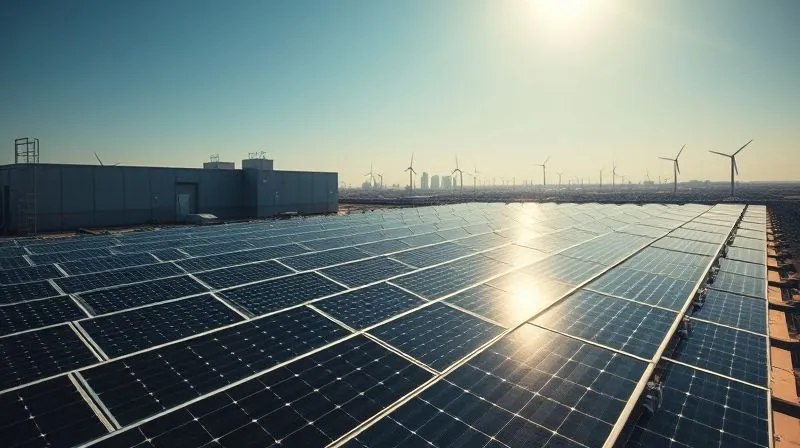
Another often-overlooked area is waste heat recovery. Many industrial processes generate significant heat that is simply vented into the atmosphere. Capturing and repurposing this heat for other processes or for facility heating can dramatically reduce energy demand and associated emissions, offering substantial cost savings.
| Energy Source | Carbon Intensity (kg CO2e/kWh) | Cost Volatility |
|---|---|---|
| Coal | 0.9-1.1 | High |
| Natural Gas | 0.4-0.5 | Medium |
| Solar PV | 0.03-0.06 | Low (after install) |
| Wind | 0.01-0.03 | Low (after install) |
| Hydropower | 0.01-0.05 | Low |
These initiatives, while sometimes requiring an initial investment, often pay for themselves through reduced energy bills, ultimately leading to a lower overall cost of operations for both your company and your suppliers. This shared benefit is key to driving widespread adoption.
Circular Economy Principles: Waste Reduction as a Cost & Carbon Saver
The linear 'take-make-dispose' model of production is inherently inefficient and carbon-intensive. Embracing circular economy principles within your supply chain is one of the most powerful ways to reduce both costs and carbon footprint simultaneously. It’s about seeing waste not as an end product, but as a misplaced resource.
Design for Longevity, Repairability, and Recycling
In my view, the journey to a circular supply chain begins at the design stage. By designing products for durability, ease of repair, and ultimate recyclability, you significantly reduce the need for virgin materials, minimize waste sent to landfills, and lower the energy associated with new production. This can involve using monomaterials, snap-fit components instead of glue, or modular designs that allow for easy part replacement.
"Waste is a design flaw. In a truly circular system, there is no 'waste,' only resources awaiting their next life cycle. This mindset shift unlocks immense value." - Industry Specialist Insight
Furthermore, implementing robust take-back schemes and reverse logistics systems allows you to recover products and materials at the end of their first life. These can then be refurbished, remanufactured, or recycled, feeding valuable resources back into your production cycle. This not only reduces your raw material costs but also slashes the embedded carbon associated with new material extraction and processing. It’s a win-win for both your balance sheet and the planet, directly addressing how to reduce supply chain carbon footprint without raising costs.
Data & Digitalization: The Unseen Lever for Emissions Reduction
You can't manage what you don't measure. In the realm of supply chain decarbonization, data and digitalization are absolutely critical. They provide the visibility needed to identify hotspots, track progress, and make informed decisions that reduce both emissions and costs.
Real-Time Monitoring and AI-Powered Forecasting
Leveraging IoT sensors, cloud platforms, and data analytics, companies can gain real-time insights into their supply chain operations. This includes monitoring energy consumption at supplier factories, tracking vehicle emissions, and understanding material flows. This granular data allows for immediate identification of inefficiencies and opportunities for improvement.
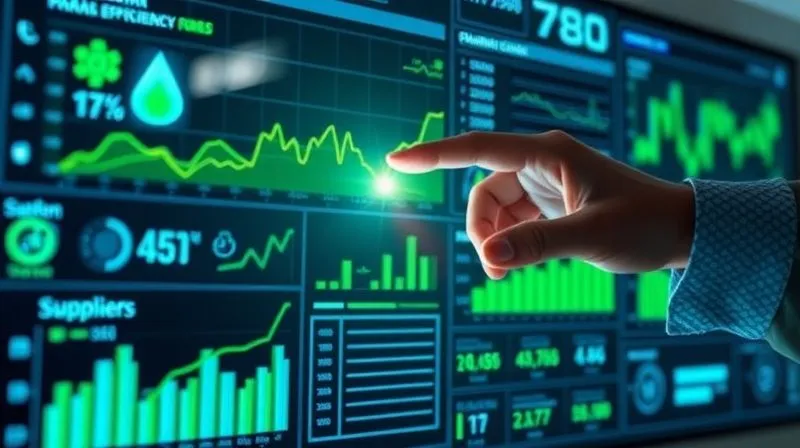
Furthermore, artificial intelligence (AI) and machine learning (ML) can revolutionize demand forecasting. More accurate forecasts lead to optimized inventory levels, reducing excess production, storage, and transportation – all of which have significant carbon and cost implications. AI can also optimize warehouse layouts, predict equipment maintenance needs (preventing energy-intensive breakdowns), and even suggest sustainable material alternatives based on performance and environmental impact.
According to the World Economic Forum, digitalization can reduce supply chain emissions by 15-20%. Blockchain technology, while still emerging in some applications, offers unparalleled transparency, allowing companies to trace products from origin to consumer, verifying sustainable practices and ethical sourcing throughout the chain. This not only builds trust but also helps pinpoint and address emission sources with greater accuracy.
Product Design & Material Innovation: Upstream Impact, Downstream Benefits
The decisions made at the product design stage have ripple effects throughout the entire supply chain, dictating material choices, manufacturing processes, transportation requirements, and end-of-life options. This is where truly impactful, cost-neutral carbon reduction can begin.
Life Cycle Assessment (LCA) and Sustainable Materials
A comprehensive Life Cycle Assessment (LCA) is an indispensable tool for understanding the environmental impact of a product from 'cradle to grave.' By conducting LCAs, companies can pinpoint the biggest carbon hotspots in their product's lifecycle – whether it's raw material extraction, manufacturing, transportation, or disposal. Armed with this knowledge, designers can make informed choices to reduce these impacts.
For example, choosing lightweight materials reduces transportation emissions. Opting for recycled content materials reduces the energy and emissions associated with virgin material production. Innovating with bio-based or biodegradable materials can lower end-of-life impacts. Often, these sustainable material choices, especially at scale, can become cost-competitive or even cheaper than traditional alternatives due to reduced processing needs or market incentives.
The U.S. EPA provides excellent resources on LCA methodologies, emphasizing its role in identifying environmental hotspots and guiding design decisions. The key is to integrate sustainability criteria into the earliest stages of product development, making it an inherent part of innovation, not an afterthought. This proactive approach is fundamental to answering how to reduce supply chain carbon footprint without raising costs effectively.Internal Carbon Pricing & Incentive Structures: Aligning Goals Without Direct Costs
One of the most powerful yet often underutilized tools for driving decarbonization without direct budget increases is the implementation of an internal carbon price. This isn't about paying a tax; it's about creating a financial signal within your organization that incentivizes carbon reduction.
How Internal Carbon Pricing Works
An internal carbon price assigns a monetary value to each ton of carbon emissions within your company's operations and supply chain. This 'shadow price' is typically used for investment decisions, project evaluations, and departmental budgeting. For instance, when a new project is proposed, its carbon footprint is calculated and 'costed' using the internal carbon price. Projects with lower carbon intensity become more financially attractive, even if their upfront capital costs are slightly higher, because their 'carbon cost' is lower.
This mechanism encourages departments to seek out energy efficiency improvements, invest in renewable energy, or choose lower-carbon suppliers, not just for environmental reasons, but because it makes financial sense within the company's internal accounting. It effectively internalizes the external cost of carbon, making it a tangible factor in business decisions without directly impacting the company's external financial statements or raising product prices.
- Drives Innovation: Encourages R&D into lower-carbon technologies and processes.
- Informs Investment Decisions: Helps prioritize projects with both financial and environmental benefits.
- Increases Awareness: Raises internal understanding of carbon impacts across departments.
- Prepares for External Regulations: Positions the company to adapt more easily to future carbon taxes or cap-and-trade schemes.
By coupling internal carbon pricing with incentive structures – perhaps linking bonuses or departmental funding to carbon reduction targets – you can create a powerful internal ecosystem that naturally steers your organization towards a lower-carbon supply chain, all while maintaining or even improving financial performance.
Financing Sustainable Transitions: Unlocking Capital for Green Initiatives
Even with cost-neutral strategies, some initiatives might require initial capital. The good news is that the financial world is increasingly recognizing the value of sustainability, creating new avenues for funding that can help you reduce your supply chain carbon footprint without burdening traditional budgets.
Green Bonds and Sustainability-Linked Loans
Green bonds are debt instruments used to finance projects that have positive environmental benefits, such as renewable energy, energy efficiency, or sustainable waste management. These bonds often attract a wider investor base and can sometimes offer more favorable terms due to their alignment with ESG mandates.
Sustainability-linked loans (SLLs) are another innovative financing mechanism. The interest rate on these loans is tied to a company's achievement of pre-defined sustainability performance targets, such as reducing Scope 3 emissions by a certain percentage. If the company meets its targets, it benefits from a lower interest rate, directly incentivizing sustainable improvements. This creates a direct financial reward for achieving decarbonization goals.
The International Finance Corporation (IFC) provides comprehensive reports on the growth of the green bond market and its potential for developing sustainable infrastructure. Additionally, look into government grants, subsidies, and tax incentives offered for green investments. Many regions offer significant support for companies investing in renewable energy, energy efficiency upgrades, or sustainable transportation infrastructure. By strategically leveraging these external financing options, you can fund your decarbonization journey without drawing heavily from operational budgets, transforming your supply chain for a sustainable future.Frequently Asked Questions (FAQ)
Is it truly possible to achieve significant carbon reduction without any cost increase? Absolutely. In my experience, many initial carbon reduction efforts, especially those focused on efficiency (e.g., logistics optimization, energy efficiency upgrades, waste reduction), often result in immediate cost savings that offset or even exceed the initial investment. The key is strategic planning and a focus on operational improvements, not just 'green' add-ons.
How do I convince my CFO to invest in these initiatives if they're skeptical about the 'cost-neutral' claim? Focus on the financial benefits. Frame sustainability as a risk mitigation strategy (e.g., avoiding future carbon taxes, regulatory fines), a revenue enhancer (e.g., appealing to eco-conscious consumers, investors), and a cost-saving measure (e.g., reduced energy bills, lower waste disposal costs, supply chain resilience). Present clear ROI calculations, payback periods, and long-term value creation. Case studies and external data from reputable sources like McKinsey or Deloitte can also be powerful.
What's the first step for a small to medium-sized business (SMB) with limited resources? Start with data. Understand your current carbon footprint, focusing on easily measurable areas like energy consumption in your facilities and transportation. Prioritize the biggest emitters. Then, implement low-cost, high-impact strategies like basic energy efficiency measures (LEDs, smart thermostats), optimizing local delivery routes, and engaging your closest suppliers in simple waste reduction programs. Small steps accumulate into significant impact.
How long does it typically take to see results from these strategies? Some strategies, like logistics optimization or energy efficiency upgrades, can show tangible cost savings and emission reductions within 6-12 months. More complex initiatives, such as deep supplier engagement programs or product redesigns, might take 2-3 years to show their full impact. The important thing is to start, measure continuously, and communicate successes to maintain momentum.
What are the biggest pitfalls to avoid when trying to decarbonize cost-neutrally? A common pitfall is a lack of integrated strategy – treating sustainability as a separate project rather than embedding it into core business operations. Another is not engaging key stakeholders, particularly suppliers and internal teams. Also, be wary of 'greenwashing' – making claims without genuine action. Transparency and verifiable data are crucial for building trust and achieving real impact.
Key Takeaways and Final Thoughts
- Efficiency is Decarbonization: Many carbon reduction strategies are inherently about optimizing processes, reducing waste, and improving resource utilization, leading directly to cost savings.
- Collaborate with Suppliers: Engage your value chain partners proactively. Shared knowledge and joint initiatives can unlock mutual benefits in both carbon reduction and cost efficiency.
- Leverage Data and Digitalization: Use technology to gain visibility, optimize operations, and make informed, data-driven decisions that reduce both emissions and expenses.
- Embrace Circularity: Designing for longevity, repairability, and recyclability reduces demand for virgin materials and minimizes waste, leading to significant upstream and downstream savings.
- Think Beyond Direct Costs: Consider internal carbon pricing, external financing options, and the long-term benefits of enhanced reputation, resilience, and compliance.
Decarbonizing your supply chain without raising costs is not an aspiration; it's an achievable reality for forward-thinking businesses. As an industry veteran, I've seen firsthand that the most resilient and profitable companies are those that view sustainability not as a burden, but as a fertile ground for innovation and competitive advantage. By strategically implementing the approaches outlined here, you can transform your supply chain into a leaner, greener, and more financially robust operation, securing your place in the low-carbon economy of tomorrow. The time for action is now, and the path to a sustainable, cost-effective future is clearer than ever.
Recommended Reading
- Unmasking Fraud: Your 7-Step Guide to Detecting Balance Sheet Manipulation
- 7 Proven Lenses: Identify Disruptive Tech Before the Hype
- 5 Proven Strategies to Slash Financial Forecasting Errors in a Recession
- 5 Steps: Master Personalized Service Despite Poor Customer Data
- Unlock Franchise Growth: How to Market on a Small Budget & Dominate Locally





Comments
Leave a comment below. Your email will not be published. Required fields marked with *