

How to Reduce Waste in Lean Manufacturing Operations?
Imagine a factory floor humming with activity, yet every movement, every process, every material flow contributes directly to creating value for the customer. Now, picture another scenario: overflowing inventory, constant reworks, machines sitting idle, and workers searching for tools. Which scenario describes your operations? For many, the latter is an unfortunate reality, eroding profitability and stifling growth. The good news is, the first scenario isn't a pipe dream; it's the core promise of lean manufacturing.
The persistent challenge of waste in manufacturing is a silent killer of productivity and profit. It manifests in various forms, from excess inventory tying up capital to unnecessary motion adding no value. This waste not only inflates costs but also extends lead times, compromises quality, and frustrates employees. Addressing it isn't just about cutting expenses; it's about fundamentally transforming your operational DNA.
This comprehensive guide will equip you with the knowledge and actionable strategies to identify, measure, and systematically eliminate waste within your lean manufacturing operations. By the end of this reading, you'll understand the foundational principles, practical tools, and cultural shifts necessary to achieve a truly lean and efficient production environment, paving the way for sustainable success.
Understanding the Seven Wastes (Muda) in Lean Manufacturing
At the heart of lean manufacturing lies the relentless pursuit of waste elimination. Taiichi Ohno, the father of the Toyota Production System, identified seven primary types of waste, known as "Muda." Recognizing these forms of waste is the critical first step toward their eradication.
Defects
Defects refer to products or services that fail to meet specifications, requiring rework, repair, or scrap. This waste consumes additional resources, time, and materials, directly impacting customer satisfaction and bottom-line profitability. It highlights failures in the process itself.
Overproduction
Overproduction is producing more than what is immediately needed or demanded by the customer. This is often considered the worst form of waste because it exacerbates other wastes, leading to excessive inventory, increased storage costs, and potential obsolescence. It hides underlying problems in demand forecasting and production planning.
Waiting
Waiting refers to idle time experienced by workers or machines due to upstream process delays, material shortages, equipment breakdowns, or inefficient scheduling. This non-value-adding time directly impacts throughput and productivity, lengthening lead times and frustrating employees.
Non-Utilized Talent (or Underutilization of Skills)
This waste occurs when organizations fail to fully utilize the skills, creativity, and knowledge of their employees. It represents a significant loss of potential innovation, problem-solving capabilities, and engagement, often leading to demotivation and high turnover.
Transportation
Transportation waste involves the unnecessary movement of materials, products, or information between processes or locations. While some transportation is unavoidable, excessive movement adds no value, increases the risk of damage, and consumes time and resources. Optimizing layouts and logistics can significantly reduce this.
Inventory
Inventory waste is any excess raw materials, work-in-progress (WIP), or finished goods beyond what is immediately required. High inventory levels tie up capital, require storage space, incur handling costs, and can mask underlying problems like defects or overproduction. It's a buffer that hides inefficiencies.
Motion
Motion waste refers to any unnecessary physical movement by people that does not add value to the product or service. This includes searching for tools, excessive walking, bending, or reaching. Poor workstation design, lack of standardization, or inefficient processes often cause it, leading to fatigue and lost time.
The Foundational Principles of Lean for Waste Reduction
Eliminating the seven wastes isn't just about applying tools; it's about embracing a set of core principles that guide every decision and action within your manufacturing environment. These principles form the bedrock of a truly lean system.
Define Value
Value, in lean terms, is defined solely by the customer. It's what the customer is willing to pay for. Any activity or process that does not contribute to this value from the customer's perspective is considered waste. The first step is always to clearly understand what your customers truly value in your product or service.
Map the Value Stream
Value Stream Mapping (VSM) is a powerful visual tool used to identify and analyze the flow of materials and information required to bring a product or service to the customer. By mapping the current state, organizations can pinpoint sources of waste, identify bottlenecks, and envision a more efficient future state. It provides a holistic view of the entire process, from raw material to finished product. For a deeper dive into VSM, consider resources like the Lean Enterprise Institute's explanation of Value Stream Mapping.
Create Flow
Once waste is identified, the next principle is to make the value-creating steps flow smoothly without interruptions, detours, or waiting. This involves breaking down functional silos, optimizing layouts, and ensuring that each process step is synchronized. Continuous flow minimizes lead times and reduces the accumulation of WIP.
Establish Pull System
Instead of pushing products through the production line based on forecasts, a pull system dictates that production only begins when there is actual customer demand. This prevents overproduction and reduces inventory. Kanban systems are a common method for implementing pull, signaling when more materials or products are needed based on downstream consumption.
Seek Perfection
Lean is not a one-time project but a continuous journey towards perfection. This principle emphasizes the importance of continuous improvement (Kaizen) and a mindset that always seeks to identify and eliminate more waste. It fosters a culture where everyone is empowered to find better ways of working.
Practical Strategies for Identifying and Eliminating Waste
With an understanding of the wastes and lean principles, it's time to explore actionable strategies that can be implemented on the factory floor to reduce waste in lean manufacturing operations.
Implementing 5S Methodology
The 5S methodology is a systematic approach to workplace organization and standardization, directly targeting the wastes of motion and waiting. It creates a clean, organized, and safe working environment. The five steps are:
- Sort (Seiri): Separate necessary items from unnecessary ones and remove the latter.
- Set in Order (Seiton): Arrange necessary items in an organized manner for easy access and retrieval.
- Shine (Seiso): Clean the workplace thoroughly and regularly to identify abnormalities and maintain a pristine environment.
- Standardize (Seiketsu): Create consistent procedures and schedules for performing the first three S's.
- Sustain (Shitsuke): Foster a culture of discipline to ensure the 5S principles are maintained over the long term.
Leveraging Kaizen and Continuous Improvement
Kaizen, a Japanese term meaning "change for the better," is the philosophy of continuous improvement involving everyone in the organization. It encourages small, incremental changes on an ongoing basis rather than large, radical overhauls. Regular Kaizen events, where cross-functional teams focus on improving specific processes, are highly effective in identifying and eliminating waste.
Applying Poka-Yoke (Mistake-Proofing)
Poka-Yoke involves designing processes or products in such a way that human errors are either impossible or immediately detectable. This method directly targets the waste of defects. Examples include unique connectors that only fit one way, sensors that prevent machine operation if a part is incorrectly loaded, or checklists that ensure all steps are completed. It shifts the focus from inspection to prevention.
Optimizing Supply Chain Logistics
Inefficient supply chains contribute significantly to inventory and transportation waste. Optimizing logistics involves working closely with suppliers, implementing Just-In-Time (JIT) delivery, and rationalizing transportation routes. This reduces the need for large buffer inventories and minimizes the movement of goods. For insights into supply chain best practices, reputable sources like the Association for Supply Chain Management (ASCM) offer valuable information.
The Role of Technology in Modern Waste Reduction
While lean principles are timeless, modern technology offers powerful new tools to accelerate waste reduction efforts and achieve levels of efficiency previously unimaginable. Integrating technology intelligently can significantly enhance your lean journey.
Automation and Robotics
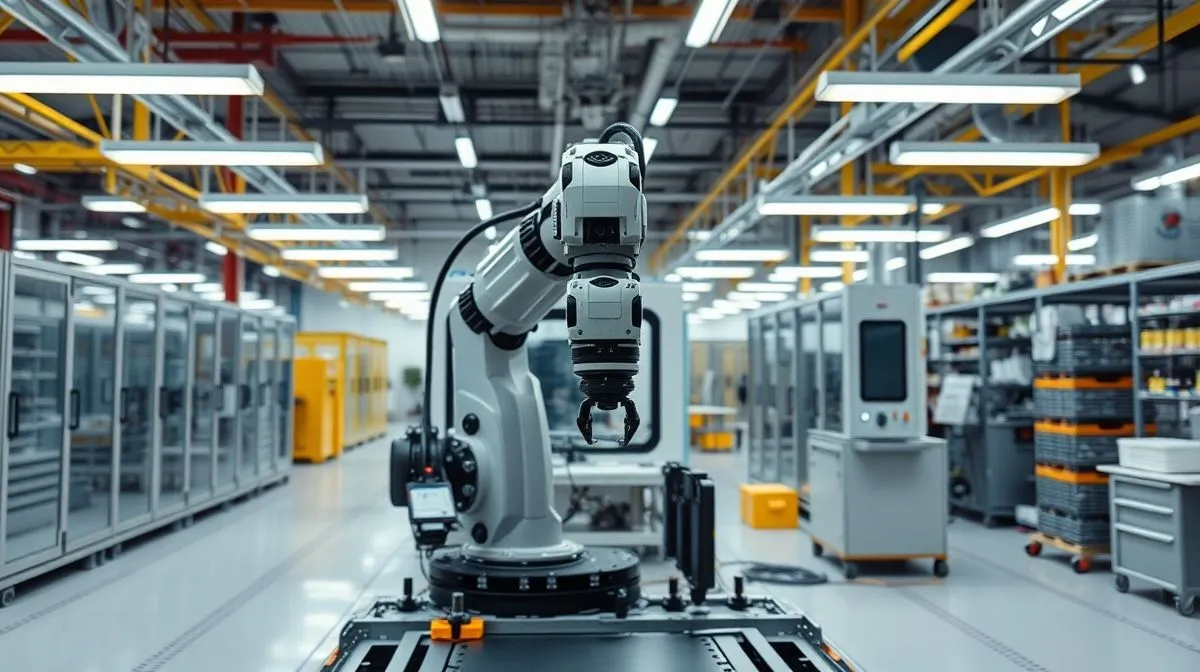
Automating repetitive or dangerous tasks reduces motion waste, improves consistency, and frees human workers for more value-added activities. Robots can perform tasks with greater precision and speed, minimizing defects and increasing throughput. This also addresses the waste of non-utilized talent by allowing employees to focus on complex problem-solving.
Data Analytics and IoT (Internet of Things)
IoT sensors on machines and production lines can collect vast amounts of real-time data on performance, energy consumption, and material flow. Data analytics then transforms this raw data into actionable insights, helping identify bottlenecks, predict equipment failures (reducing waiting waste), and optimize processes. This data-driven approach allows for proactive waste identification rather than reactive problem-solving.
Simulation Software
Before making costly changes to a production line, simulation software allows manufacturers to model different scenarios and predict their impact on throughput, inventory, and resource utilization. This helps optimize layouts, material flow, and scheduling, preventing the introduction of new wastes through poorly planned modifications.
Additive Manufacturing (3D Printing)
While not applicable to all production, 3D printing can reduce material waste by building parts layer by layer, only using the necessary material. It also enables on-demand production of tools, jigs, and even end-use parts, reducing inventory waste and lead times for specific components.
Cultivating a Culture of Waste Consciousness
Technology and tools are only as effective as the people who use them. A successful lean transformation hinges on fostering a culture where every employee understands, identifies, and actively works to eliminate waste. This is arguably the most crucial aspect of how to reduce waste in lean manufacturing operations effectively.
Leadership Commitment and Buy-in
Lean initiatives must start from the top. Leadership must champion the lean philosophy, provide resources, communicate the vision, and visibly participate in improvement efforts. Their commitment signals to the entire organization that waste reduction is a strategic priority, not just a temporary project.
Employee Empowerment and Training
The people closest to the processes often have the best insights into where waste exists. Empowering employees to identify problems, suggest solutions, and implement changes is vital. Comprehensive training on lean principles, problem-solving techniques, and specific tools ensures they have the skills to contribute effectively.
Cross-Functional Collaboration
Waste often occurs at the interfaces between departments. Encouraging cross-functional teams to work together on process improvements breaks down silos and ensures that solutions address the root causes of waste across the entire value stream. This collaborative approach fosters a shared understanding and accountability.
Regular Audits and Feedback Loops
Establishing regular audits of processes and performance metrics helps ensure that improvements are sustained and new opportunities for waste reduction are identified. Creating feedback loops, where employees are recognized for their contributions and lessons learned are shared, reinforces the culture of continuous improvement.
Measuring Success: KPIs for Waste Reduction
To ensure your efforts to reduce waste are yielding tangible results, it's essential to define and track key performance indicators (KPIs). These metrics provide objective data on progress and highlight areas still needing attention.
- Overall Equipment Effectiveness (OEE): A comprehensive measure that considers availability, performance, and quality. Improving OEE directly reduces waiting and defect waste.
- Inventory Turnover Rate: Higher turnover indicates less capital tied up in inventory and reduced risk of obsolescence, directly addressing inventory waste.
- Defect Rate/Rework Percentage: A direct measure of quality waste. Reducing this number indicates improved process control and Poka-Yoke effectiveness.
- Lead Time Reduction: Shorter lead times from order to delivery signify improved flow and reduced waiting and inventory wastes.
- Energy Consumption per Unit: Optimizing processes and reducing idle time can significantly lower energy use, contributing to both cost savings and sustainability.
- Scrap Rate: Directly measures material waste due to defects or inefficient processes.
Common Pitfalls and How to Avoid Them
While the path to lean manufacturing offers immense rewards, it's not without its challenges. Being aware of common pitfalls can help you navigate your journey more effectively and ensure your efforts to reduce waste are successful.
Lack of Management Support
Without sustained commitment from top leadership, lean initiatives often falter. Ensure leaders are actively involved, communicate the vision, and allocate necessary resources. Their visible participation is crucial for cultural buy-in.
Resistance to Change
People naturally resist change, especially if they don't understand its purpose or feel threatened by it. Address this by involving employees early, providing thorough training, explaining the benefits, and celebrating small wins. Foster a blame-free environment where experimentation is encouraged.
Focusing Only on Obvious Wastes
It's easy to target the most visible wastes like scrap or excessive inventory. However, hidden wastes like non-utilized talent or unnecessary motion can be just as, if not more, detrimental. Use value stream mapping and employee input to uncover less obvious inefficiencies.
Ignoring the 'Why' Behind Waste
Simply removing waste without understanding its root cause can lead to its re-emergence or the creation of new problems elsewhere. Employ root cause analysis tools like the "5 Whys" to delve deeper and implement sustainable solutions.
Frequently Asked Questions (FAQ)
What is Muda in lean manufacturing? Muda is the Japanese term for waste, referring to any activity or resource consumption that does not add value from the customer's perspective. Taiichi Ohno identified seven specific types of Muda: Defects, Overproduction, Waiting, Non-Utilized Talent, Transportation, Inventory, and Motion.
How does lean manufacturing help reduce costs? Lean manufacturing reduces costs by systematically eliminating waste. By cutting down on excess inventory, reducing rework, optimizing processes to minimize waiting and motion, and preventing overproduction, lean directly lowers operational expenses, improves resource utilization, and increases overall profitability.
What is the most critical waste to eliminate in lean? While all wastes are detrimental, overproduction is often considered the most critical waste to eliminate. This is because overproduction tends to generate or exacerbate other wastes, such as excess inventory, increased transportation, and storage costs, and it can mask underlying problems within the production system.
Can lean principles be applied outside of manufacturing? Absolutely. Lean principles, initially developed in manufacturing, have been successfully applied to a wide range of industries and functions, including healthcare, software development, service industries, logistics, and even administrative processes. The core idea of identifying and eliminating non-value-added activities is universally applicable.
Recommended Reading
- Unlock Efficiency: How to Reduce Waste in Small Business Operations Permanently
- Boost Your Business: How to Improve Customer Experience Ratings Now
- Unlock ROI: Measuring Responsible Investing Success - A Complete Guide
- The Ultimate Guide: Overcoming Global Competition Challenges for SMEs
- Unlock Growth: How to Overcome Resistance to Business Model Innovation Now!
Conclusion
The journey to significantly reduce waste in lean manufacturing operations is a continuous pursuit, demanding dedication, strategic application of principles, and a cultural shift. By diligently identifying the seven wastes, adhering to the foundational principles of lean, leveraging modern technology, and fostering a culture of continuous improvement, organizations can unlock unprecedented levels of efficiency, quality, and profitability. Embracing lean isn't just about cutting costs; it's about building a resilient, agile, and truly customer-focused operation that thrives in an ever-evolving market. Start your transformation today, and witness the profound impact of a lean mindset on your bottom line and beyond.




Comments
Leave a comment below. Your email will not be published. Required fields marked with *