

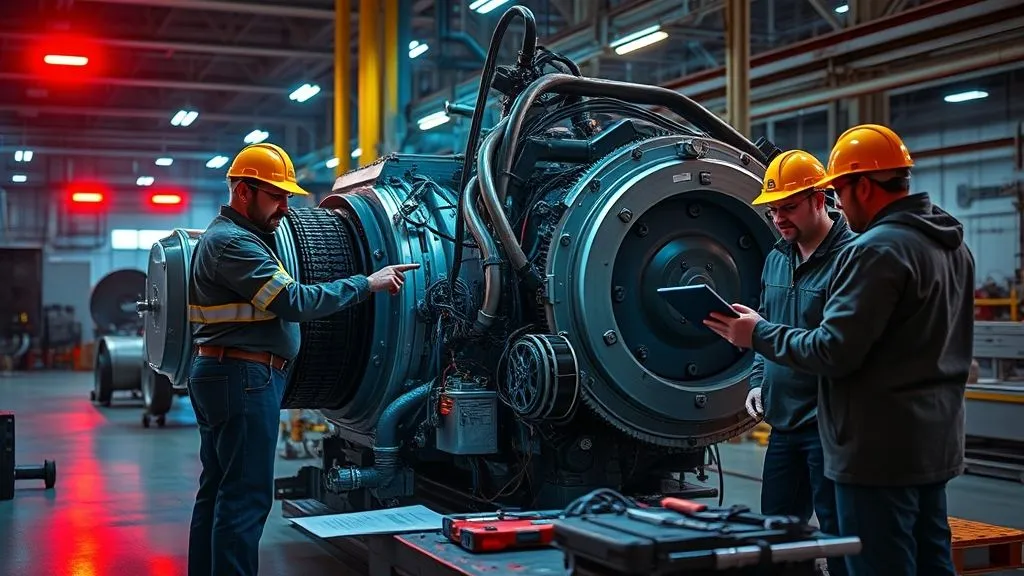
How to restore manufacturing operations after a critical equipment breakdown?
For over two decades in operations management, I've witnessed the silent dread that sweeps across a factory floor when a critical piece of equipment grinds to a halt. It's not just a machine stopping; it's the heartbeat of an entire operation skipping a beat, sometimes flatlining. I remember one incident vividly: a precision CNC machine, the linchpin of a critical product line, suffered a catastrophic bearing failure. The immediate silence was deafening, followed by a flurry of panicked calls. It's a scenario that separates resilient operations from those teetering on the brink.
The immediate aftermath of a critical equipment breakdown is a crucible. Production stops, deadlines loom, and the financial implications begin to mount with every passing minute. Beyond the direct costs of repair, there are lost sales, potential contract penalties, damaged customer relationships, and a significant blow to employee morale. This isn't just about fixing a machine; it's about navigating a complex crisis that impacts every facet of your business.
But here's the good news: a critical equipment breakdown doesn't have to spell disaster. In this definitive guide, I’ll walk you through a proven, expert-backed framework for not just recovering, but emerging stronger. You'll learn actionable steps, strategic insights, and essential leadership principles to swiftly restore manufacturing operations after a critical equipment breakdown, minimize disruption, and build long-term operational resilience. We'll cover everything from immediate response to post-crisis learning, drawing on real-world experience and robust operational strategies.
1. Immediate Response: Containment, Safety, and Initial Assessment
When a critical machine fails, the first few minutes are crucial. Your initial response dictates the trajectory of your recovery. My first priority, always, is safety. A breakdown can create hazardous conditions – exposed wiring, hydraulic fluid leaks, falling debris. Ensuring the immediate safety of your personnel is non-negotiable.
- Secure the Area: Immediately halt all related operations. Isolate the affected equipment, lock it out/tag it out (LOTO) to prevent accidental restarts, and establish clear safety perimeters. Ensure all personnel are accounted for and moved to a safe distance.
- Notify Key Personnel: Establish a pre-defined communication tree. This should include maintenance, production managers, safety officers, and senior leadership. Clear, concise communication prevents speculation and ensures everyone is on the same page.
- Initial Damage Assessment: While safety remains paramount, a preliminary assessment can begin. What exactly failed? What are the visible signs of damage? This isn't about deep diagnostics yet, but about understanding the immediate scope of the problem. Document everything with photos and initial notes.
- Activate Your Crisis Management Team: If you have one, now is the time to convene. This team should be empowered to make rapid decisions and coordinate the recovery effort.
"In crisis management, speed and clarity of communication are as vital as the technical fix itself. A confused team is a paralyzed team."
I've seen companies stumble here by underestimating the importance of a structured immediate response. Hasty decisions without proper safety protocols or clear communication can escalate a critical equipment breakdown into a full-blown organizational crisis. Remember, your first responders are your most valuable asset during these critical moments.
2. Rapid Assessment & Root Cause Analysis (RCA)
Once the immediate danger is contained, the next critical step is to understand not just what broke, but why. This comprehensive assessment and root cause analysis are pivotal to how to restore manufacturing operations after a critical equipment breakdown effectively and prevent recurrence.
The Diagnostic Deep Dive
This phase involves a thorough investigation into the equipment failure. It's not enough to simply replace a part; you need to understand the underlying cause. Was it a material defect, operator error, lack of preventative maintenance, design flaw, or environmental stress?
- Expert Technicians: Deploy your most experienced maintenance engineers and potentially external specialists. Their diagnostic expertise is invaluable.
- Data Collection: Gather all available data: equipment logs, sensor readings, maintenance records, operator observations, and even ambient conditions leading up to the failure. This digital footprint is often key.
- 5 Whys Analysis: A simple yet powerful technique. Ask "why" five times to drill down to the fundamental cause. Example: "Why did the machine stop?" "Because the motor seized." "Why did the motor seize?" "Because the bearings failed." "Why did the bearings fail?" "Because they weren't lubricated." "Why weren't they lubricated?" "Because the preventative maintenance schedule was skipped." "Why was it skipped?" "Because of production pressure and lack of clear accountability." This quickly reveals systemic issues.
- Fault Tree Analysis: For more complex failures, this method graphically represents all possible causes of a system failure, helping to identify the most probable root cause.
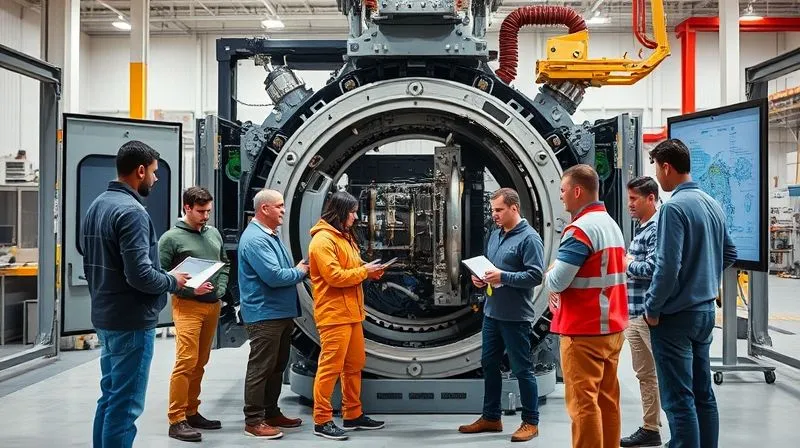
Case Study: Phoenix Manufacturing's Bearing Blight
Phoenix Manufacturing, a mid-sized automotive parts supplier, faced a critical failure of a high-speed grinding machine, halting production of a key component. Initial assessment pointed to a seized bearing. Instead of simply replacing it, their team conducted a 5 Whys analysis. They discovered that the preventative maintenance (PM) schedule for that specific machine had been deprioritized due to an urgent client order. Furthermore, the PM checklist itself was generic and didn't specify the unique lubrication requirements for that particular bearing type. By identifying these root causes, Phoenix not only replaced the bearing but also revised their PM scheduling process to account for production demands and updated their machine-specific maintenance protocols. This prevented future failures and improved overall equipment effectiveness.
3. Strategic Repair & Sourcing: Getting Operations Back Online
With a clear understanding of the root cause and the necessary repairs identified, the next hurdle is execution. This phase is all about speed, precision, and leveraging your supply chain efficiently to restore manufacturing operations.
Prioritizing the Fix
Based on your RCA, develop a detailed repair plan. This isn't just a list of tasks; it’s a strategic roadmap.
- Part Identification & Sourcing: Immediately identify all required parts. Check your internal inventory. If not available, engage multiple suppliers for quotes and lead times. Consider expedited shipping, even if costly, as the cost of downtime often far outweighs shipping premiums.
- Repair vs. Replace: For major components, weigh the cost and time of repair against replacement. Sometimes, a full component replacement is faster and more reliable than a lengthy, uncertain repair, especially for aging equipment.
- Skilled Labor Allocation: Assign technicians with the specific expertise required for the repair. If internal expertise is lacking, bring in external specialists or the OEM service team.
- Contingency Planning: Always have a Plan B. What if a critical part is delayed? Can you temporarily re-route production to another machine or even an external vendor?
| Repair Action | Estimated Time | Cost Estimate | Lead Time Critical Parts |
|---|---|---|---|
| Replace main drive motor | 72 hours | $15,000 | 24 hours (expedited) |
| Realign laser optics | 8 hours | $2,500 | N/A |
| Update PLC firmware | 4 hours | $800 | N/A |
I often advise clients to cultivate strong relationships with multiple suppliers for critical spares. This diversification is a powerful hedge against single-point failures in the supply chain, a lesson many learned the hard way during recent global disruptions. Proactive identification of long-lead-time spares and maintaining a strategic inventory can drastically reduce recovery times.
4. Resource Mobilization: Your Team and External Support
No single individual can single-handedly restore manufacturing operations after a critical equipment breakdown. It requires a coordinated effort, leveraging both internal talent and external expertise. Effective resource mobilization is a hallmark of strong crisis leadership.
Empowering Your Internal Team
Your maintenance, engineering, and production teams are on the front lines.
- Clear Roles & Responsibilities: Ensure everyone knows their specific tasks, reporting lines, and decision-making authority. Ambiguity breeds inefficiency.
- Cross-Functional Collaboration: Break down silos. Maintenance needs to work hand-in-hand with production for testing, and with quality control to ensure output meets standards post-repair.
- Morale & Support: Crisis situations are stressful. Acknowledge the pressure, provide necessary breaks, and ensure access to resources. A well-supported team performs better.
- Training & Skill Gaps: This crisis might expose skill gaps. Document these for future training initiatives.
Leveraging External Expertise
Don't be afraid to call for backup.
- OEM Support: Original Equipment Manufacturers often have unparalleled expertise and proprietary diagnostic tools. Their service teams can be invaluable for complex repairs.
- Specialized Contractors: For highly specialized tasks (e.g., precision welding, intricate electronics repair), external contractors can provide rapid, expert assistance.
- Industry Peers: Sometimes, a call to a trusted contact in another company can yield insights or even lead to borrowing a critical tool or part in a pinch.
According to a study by Harvard Business Review, resilient organizations are characterized by their ability to quickly adapt and leverage diverse resources during crises. This means having pre-established relationships with external vendors and a clear understanding of your internal team's capabilities.
5. Restart & Ramp-Up: A Phased Approach to Production
The machine is fixed, but the job isn't done. Rushing back to full production without proper checks can lead to further breakdowns or quality issues. A phased restart is crucial to successfully restore manufacturing operations.
Controlled Reintroduction
- Testing & Calibration: Before any production, thoroughly test the repaired equipment. Run diagnostics, check all safety interlocks, and recalibrate sensors and controls. Don't skip this.
- Small Batch Production: Start with small, controlled production runs. Monitor the machine's performance meticulously, checking for any anomalies, vibrations, or unusual noises.
- Quality Control Checks: Conduct rigorous quality checks on the initial output. This ensures that the repairs haven't compromised product quality. Adjust processes as needed.
- Gradual Ramp-Up: Slowly increase production volume. Monitor OEE (Overall Equipment Effectiveness) metrics closely. This allows time to identify and iron out any post-repair kinks without overwhelming the system.

I've seen organizations eager to recover lost production push equipment too hard, too fast, only to face another breakdown shortly after. This is a false economy. Patience and a methodical approach here save significant headaches down the line. As operations management expert W. Edwards Deming famously said, "Quality is everyone's responsibility." This applies acutely during the restart phase.
6. Post-Recovery Analysis: Learning from the Crisis
Once operations are fully restored, the temptation is to breathe a sigh of relief and move on. This would be a critical mistake. The recovery phase is just as important for learning and improvement. This is where you transform a crisis into an opportunity for growth and truly embed lessons on how to restore manufacturing operations.
The After-Action Review (AAR)
Conduct a comprehensive AAR involving all key stakeholders. This isn't about assigning blame but identifying what went well, what could be improved, and what lessons were learned.
- What Happened: Reconstruct the timeline of events leading up to, during, and after the breakdown.
- What Went Well: Identify effective actions, successful communications, and strong individual or team performances. Celebrate these successes.
- What Could Be Improved: Pinpoint bottlenecks, communication failures, resource gaps, or procedural weaknesses.
- Lessons Learned: Document specific insights that can be applied to future incidents or to improve overall operations.
- Action Plan: Develop concrete action items with assigned owners and deadlines. This might include updating PM schedules, investing in spare parts, revising emergency protocols, or providing additional training.
This systematic review, often championed in military and emergency services, is an invaluable tool for continuous improvement in manufacturing. It allows you to formalize the hard-won experience gained during the crisis.
7. Building Resilience: Preventing Future Breakdowns
The ultimate goal after learning how to restore manufacturing operations after a critical equipment breakdown is to ensure it doesn't happen again, or at least that its impact is significantly mitigated. This requires a proactive, strategic approach to operational resilience.
Proactive Strategies for Longevity
- Enhanced Preventative Maintenance (PM) & Predictive Maintenance (PdM): Revise PM schedules based on the AAR. Implement PdM technologies (e.g., vibration analysis, thermal imaging, oil analysis) to detect potential failures before they occur.
- Strategic Spare Parts Inventory: Optimize your inventory of critical spares. Don't just stock what you think you need; use data from failure modes and effects analysis (FMEA) to stock what you *will* need, especially for long-lead-time items.
- Redundancy & Diversification: Where feasible, build in redundancy for critical equipment or consider alternative production methods. Diversify your supplier base for critical components.
- Cross-Training & Skill Development: Cross-train your maintenance and production teams to handle a wider range of issues. Invest in continuous learning.
- Digital Transformation: Leverage IoT sensors, AI-driven analytics, and digital twins to gain real-time insights into equipment health and predict failures. According to Deloitte, predictive maintenance can reduce equipment downtime by 10-20% and increase asset life by 20-40%.
- Regular Drills & Simulations: Just like fire drills, periodically simulate critical equipment breakdowns to test your emergency response plans and identify weaknesses in a low-stakes environment.
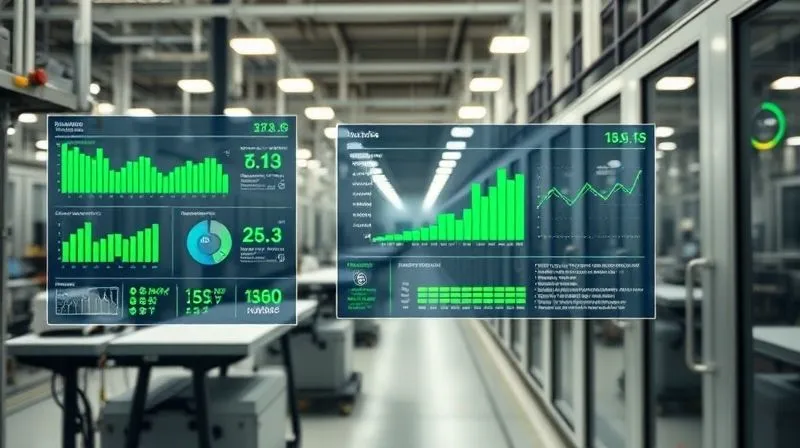
Investing in these strategies transforms your operations from reactive to proactive, ensuring that your manufacturing capabilities are robust and capable of weathering future storms. As General Motors' former CEO Alfred Sloan once said, "The job of management is to manage the present, and to manage the future."
8. The Human Element: Leading Your Team Through Crisis
Beyond the machines and processes, a critical equipment breakdown profoundly impacts your people. Effective leadership during these stressful times is paramount to maintaining morale, fostering trust, and ensuring a cohesive recovery effort. I've learned that how you lead is just as important as the technical solutions you implement to restore manufacturing operations.
Empathetic and Decisive Leadership
- Transparent Communication: Be honest about the situation, even if it's challenging news. Speculation and rumors are far more damaging than the truth. Provide regular updates on progress and challenges.
- Visible Leadership: Be present on the factory floor. Show your team you are engaged, supportive, and understand the pressure they are under.
- Empowerment: Trust your experts. Delegate responsibility and empower your teams to make decisions within their scope. Micro-managing during a crisis is counterproductive.
- Acknowledge & Appreciate: Recognize the extra effort, long hours, and dedication of your team members. A simple "thank you" goes a long way.
- Stress Management: Be mindful of the toll the crisis takes on your team. Encourage breaks, ensure access to food/water, and be aware of signs of burnout.
A resilient team, much like a resilient machine, is built on strong foundations. Trust, clear communication, and empathetic leadership during a crisis not only facilitate faster recovery but also strengthen the organizational culture. As Antoine de Saint-Exupéry wisely noted, "If you want to build a ship, don't drum up people to collect wood and don't assign them tasks and work, but rather teach them to long for the endless immensity of the sea." Inspire your team with a shared vision of recovery and future success.
For more insights on leading through disruption, consider exploring resources from organizations like McKinsey & Company on manufacturing resilience or academic research on organizational psychology.
Frequently Asked Questions (FAQ)
Q: How can small to medium-sized manufacturers (SMEs) prepare for critical equipment breakdowns without extensive budgets? A: SMEs can focus on cost-effective strategies. Prioritize a detailed FMEA (Failure Mode and Effects Analysis) for your most critical equipment to identify high-risk components. Build strong relationships with local repair services and parts suppliers for faster turnaround. Invest in cross-training existing staff to handle basic diagnostics and repairs, reducing reliance on external experts initially. Consider sharing spare parts inventory with non-competing local businesses. Finally, low-cost IoT sensors can provide basic predictive maintenance data without needing a full-scale digital transformation.
Q: What role does digital transformation play in preventing and recovering from equipment breakdowns? A: Digital transformation is a game-changer. IoT sensors provide real-time data on machine health, allowing for predictive maintenance that can flag potential failures long before they occur. AI and machine learning can analyze this data to identify patterns and predict breakdown probabilities with high accuracy. Digital twins can simulate repair scenarios and test new configurations virtually. During a breakdown, digital tools streamline communication, inventory management for spare parts, and provide remote diagnostic capabilities, all significantly accelerating the recovery process.
Q: How do I manage the supply chain disruption for critical spare parts during a breakdown, especially with global challenges? A: Proactive supply chain resilience is key. First, identify all single points of failure in your critical spare parts supply. Diversify your supplier base, establishing relationships with at least two qualified vendors for each critical component. Consider maintaining a safety stock of high-risk, long-lead-time spares. Explore regional sourcing options to reduce dependency on global logistics. During a crisis, communicate transparently with suppliers, explore air freight options, and don't hesitate to seek alternative parts or even custom fabrication if lead times are prohibitive. Joining industry consortia can also provide access to shared resources or alternative supply channels.
Q: What are the key metrics to track during and after a recovery from a critical equipment breakdown? A: During recovery, focus on Mean Time To Repair (MTTR) and Mean Time To Acknowledge (MTTA). Post-recovery, track OEE (Overall Equipment Effectiveness) to ensure the machine is back to its baseline performance, or even improved. Key components of OEE include Availability, Performance, and Quality. Also, monitor incident recurrence rates for that specific equipment and the effectiveness of your updated preventative maintenance schedules. Financial metrics like cost of downtime and cost of repair versus lost revenue are also crucial for demonstrating the impact of your recovery efforts.
Q: Is it always better to repair than replace aging critical equipment? A: Not always. The "repair vs. replace" decision involves a careful cost-benefit analysis. Factors to consider include the age and remaining useful life of the equipment, the frequency and cost of past repairs, the availability and lead time of spare parts, the efficiency and technological obsolescence of the current machine compared to new models, and the cost of capital for a new purchase. If repairs are becoming frequent, expensive, or if the machine's inefficiency is a major drag on productivity, investing in a modern, more reliable replacement often yields a better long-term ROI. A total cost of ownership (TCO) analysis is essential here.
Key Takeaways and Final Thoughts
Navigating a critical equipment breakdown in manufacturing is undoubtedly one of the most challenging scenarios an operations leader can face. However, with a structured approach, strong leadership, and a commitment to continuous improvement, it's a challenge that can be overcome, and even transformed into an opportunity for growth. Remember, the goal isn't just to fix the machine, but to fortify your entire operation.
- Act Swiftly, Safely: Prioritize safety and clear communication in the immediate aftermath.
- Diagnose Deeply: Go beyond the symptom to uncover the true root cause.
- Strategize Repairs: Leverage your supply chain and skilled labor for efficient execution.
- Lead with Empathy: Support your team; their morale is your most valuable asset.
- Restart Methodically: A phased ramp-up prevents secondary failures.
- Learn Continuously: Conduct thorough after-action reviews to refine your processes.
- Build Resilience: Invest in PM, PdM, and redundancy to prevent future crises.
The journey to restore manufacturing operations after a critical equipment breakdown is a testament to your organization's resilience. By embracing these principles, you're not just fixing a problem; you're building a more robust, responsive, and ultimately more successful manufacturing future. Stay vigilant, stay prepared, and remember that every challenge overcome makes your operations stronger.
Recommended Reading
- 8 Strategies: Navigating Team Discord from a High-Performing Employee?
- Unlock ROI: Measuring Responsible Investing Success - A Complete Guide
- 7 Proven Strategies: Preventing Director Conflicts in Corporate Governance
- 8 Proven Ways to Cut B2B Sales Cycles & Close More Deals Now
- 7 Reasons B2B Deals Stall at Proposal: Fix Your Sales Funnel Now





Comments
Leave a comment below. Your email will not be published. Required fields marked with *