


How to Use Customer Data for Personalized Service Ethically?
For over two decades in customer service leadership, I've witnessed the profound impact data can have on customer relationships. From predicting needs to resolving issues proactively, the promise of personalization is immense. Yet, in this pursuit, many businesses stumble, inadvertently crossing the line from helpful to intrusive, eroding the very trust they seek to build.
The core problem isn't the data itself; it's how we collect, manage, and utilize it. Customers crave convenience and tailored experiences, but they also demand respect for their privacy. The tension between these two desires creates a tightrope walk for any organization striving for meaningful customer engagement. Fail to balance it, and you risk not just regulatory fines but, more importantly, a damaged reputation and lost loyalty.
In this definitive guide, I will share the ethical frameworks and actionable strategies I've developed and refined over years in the trenches. You'll learn how to harness the power of customer data to deliver truly personalized service, not just compliantly, but in a way that actively builds and strengthens customer trust. We'll explore the five crucial pillars of ethical data use, reinforced by real-world insights, and provide a roadmap for integrating these principles into your operations.
The Dual-Edged Sword of Customer Data: Why Ethics Matter More Than Ever
Customer data is undeniably a potent force in today's business landscape. Used wisely, it enables us to anticipate needs, offer relevant solutions, and create memorable experiences that foster deep loyalty. Used carelessly, it can lead to privacy breaches, algorithmic bias, and a profound sense of betrayal among your customer base.
The Power of Personalization
When done right, personalization can transform the customer journey. Imagine a customer service agent knowing your purchase history, your previous interactions, and even your preferred communication channel before you even state your issue. This isn't just convenience; it’s a demonstration of care and efficiency that can significantly boost customer satisfaction and retention. According to a Deloitte study, 80% of consumers are more likely to make a purchase from a brand that provides personalized experiences.
The Perils of Privacy Neglect
However, the line between personalized and 'creepy' is remarkably thin. Recent years have seen a surge in data breaches and privacy scandals, making consumers more vigilant and skeptical than ever. A single misstep in data handling can undo years of relationship building. As marketing guru Seth Godin often says,
"Earn trust, earn trust, earn trust. Then you can do the selling."Neglecting ethical data practices is a sure-fire way to shatter that hard-won trust.
Pillar 1: Transparency and Informed Consent – The Foundation of Trust
The bedrock of ethical data use is absolute transparency. Your customers deserve to know what data you're collecting, why you're collecting it, and how you intend to use it. Anything less is a breach of trust from the outset.
What Does True Consent Look Like?
Gone are the days of burying data policies in lengthy, impenetrable legal jargon. True informed consent means providing clear, concise, and easily understandable explanations. It means giving customers genuine control over their data, not just a take-it-or-leave-it option. This involves more than just a checkbox; it's an ongoing dialogue.
- Clear Language: Avoid legalese. Explain data collection and usage in plain English.
- Granular Options: Allow customers to consent to specific types of data collection or usage (e.g., 'personalization,' 'marketing emails,' 'third-party sharing').
- Easy Access: Make your privacy policy and consent management settings easily discoverable on your website and within your applications.
- Regular Reminders: Periodically remind customers about their data rights and how to manage their preferences.
- Opt-Out Simplicity: Ensure that opting out of data collection or specific uses is as easy as opting in.
By empowering customers with control and clarity, you transform data collection from a perceived invasion into a collaborative agreement.

Pillar 2: Data Minimization – Only Collect What You Truly Need
In the age of 'big data,' there's a temptation to collect everything, just in case. However, ethical data practices advocate for data minimization – collecting only the data that is directly relevant, necessary, and proportionate to the stated purpose. More data means more risk and greater responsibility.
The 'Need-to-Know' Principle
Before collecting any piece of customer data, ask yourself: Is this absolutely essential to deliver the personalized service I've promised? Can I achieve the same outcome with less data? Every piece of data you collect becomes a liability if not properly secured and used. Focus on quality over quantity.
Auditing Your Data Collection Practices
Regularly review your data collection points and existing datasets. Eliminate redundant, outdated, or unnecessary information. This not only reduces your risk profile but also streamlines your data management processes, making your personalization efforts more efficient and targeted.
| Data Point | Purpose | Necessity |
|---|---|---|
| Full Name | Customer identification, service personalization | High |
| Email Address | Communication, account management | High |
| Phone Number | Urgent communication, SMS updates | Medium (optional) |
| Purchase History | Personalized recommendations, issue resolution | High |
| Browsing History (site-specific) | On-site personalization, product discovery | Medium |
| Social Security Number | Identity verification (rarely needed for service) | Low (avoid if possible) |
This kind of audit helps you identify where you might be over-collecting and guides you toward a leaner, more ethical data strategy.
Pillar 3: Security and Protection – Safeguarding Customer Trust
Even with the best intentions, data can fall into the wrong hands if not properly secured. Robust security measures are non-negotiable for anyone handling customer data. This isn't just about compliance; it's about upholding the trust your customers have placed in you.
Robust Data Encryption and Access Controls
Implement strong encryption for data both in transit and at rest. Ensure that access to sensitive customer data is strictly controlled and granted only on a 'least privilege' basis – meaning employees only have access to the data necessary for their specific roles. Multi-factor authentication (MFA) should be standard practice for all internal systems containing customer information.
Employee Training and Awareness
The human element is often the weakest link in data security. Regular and comprehensive training for all employees who handle customer data is crucial. This training should cover data privacy best practices, recognizing phishing attempts, and understanding the company's data handling policies. A culture of security awareness must be fostered from the top down.
For more detailed information on establishing robust cybersecurity protocols, I highly recommend reviewing resources from organizations like the National Institute of Standards and Technology (NIST), which provides comprehensive frameworks for improving critical infrastructure cybersecurity.
Pillar 4: Purpose Limitation and Non-Discrimination – Using Data Responsibly
Once you've collected data with consent, minimized it, and secured it, the next ethical challenge is ensuring it's used only for the specific purposes you've communicated. Data should never be repurposed for something entirely different without explicit, renewed consent.
Sticking to the Stated Purpose
If you told a customer you're collecting their purchase history to offer personalized product recommendations, don't then use that data to, say, adjust pricing based on their perceived wealth without their knowledge. This 'purpose creep' is a common pitfall that quickly erodes trust. Every use case for data should align with the initial consent and the customer's reasonable expectations.
Avoiding Algorithmic Bias
As we increasingly rely on AI and machine learning for personalization, the risk of algorithmic bias grows. If the data used to train these systems reflects existing societal biases, your personalized service could inadvertently discriminate against certain customer segments. Regular audits of your algorithms and datasets are essential to ensure fairness and equity in your personalized offerings.
Case Study: How Apex Retail Enhanced CX Ethically
Apex Retail, a mid-sized online clothing store, initially struggled with a high cart abandonment rate. Their solution wasn't to bombard customers with aggressive ads. Instead, they focused on ethical personalization. By explicitly asking for consent to analyze browsing patterns for 'in-session recommendations' and 'post-abandonment reminders via email (opt-in only),' they were able to offer highly relevant product suggestions and gentle nudges. Crucially, they never shared this data with third parties for unrelated advertising, nor did they use it to dynamically alter prices. This transparent and purpose-limited approach resulted in a 20% reduction in cart abandonment and a 15% increase in repeat purchases, demonstrating that ethical practices can directly drive business success.
Pillar 5: Customer Rights and Accessibility – Empowering Your Users
Ethical data use isn't a one-time setup; it's an ongoing commitment to empowering your customers with control over their information. This means respecting their fundamental data rights and making those rights easy to exercise.
The Right to Access, Rectify, and Erase
Customers should have the ability to:
- Access: Request a copy of all the personal data you hold about them.
- Rectify: Correct any inaccuracies in their data.
- Erase ('Right to be Forgotten'): Request the deletion of their personal data, subject to certain legal limitations.
Making Data Management User-Friendly
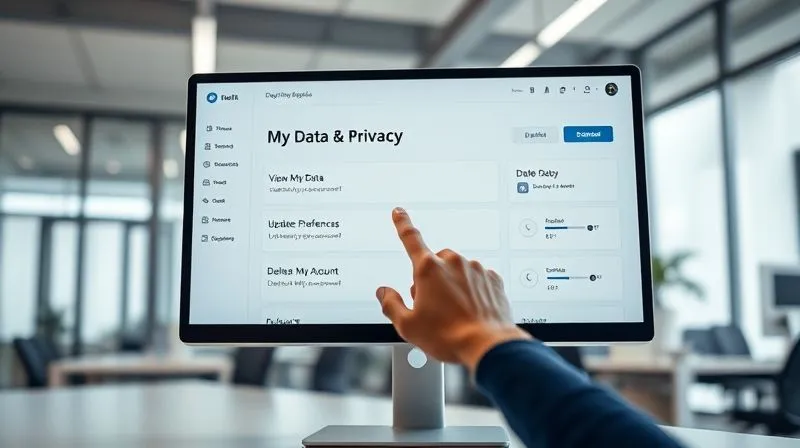
Don't make customers jump through hoops to exercise their rights. Provide clear, accessible mechanisms for data requests, preference changes, and deletion requests. A dedicated privacy dashboard or a clear contact point for data inquiries can significantly improve the customer experience and demonstrate your commitment to their privacy.
For a deeper dive into consumer data rights and what they entail, resources from official bodies such as the European Union's GDPR portal or the California Attorney General's CCPA site are invaluable.
Implementing an Ethical Data Governance Framework
Moving beyond individual pillars, a holistic approach requires a robust data governance framework. This framework acts as your organization's constitution for data, ensuring consistency, accountability, and continuous improvement in ethical data practices.
Establishing a Data Ethics Committee
Consider forming a cross-functional data ethics committee. This group, comprising representatives from legal, IT, customer service, marketing, and product development, can review new data initiatives, assess potential ethical risks, and ensure alignment with your company's values and regulatory requirements. Their role is to be the conscience of your data strategy.
Regular Audits and Impact Assessments
Ethical data use is not a set-it-and-forget-it task. Regular data privacy impact assessments (DPIAs) and internal audits are essential. These assessments help identify vulnerabilities, ensure compliance, and adapt your practices as technologies evolve and customer expectations shift. This proactive approach is key to maintaining trust and avoiding costly missteps.
| Criterion | Assessment | Action Required |
|---|---|---|
| Clear Consent Obtained? | Yes/No/Partial | If no, implement consent mechanism; if partial, review clarity |
| Data Minimization Applied? | Yes/No | If no, identify unnecessary data points for removal |
| Security Measures Adequate? | Yes/No | If no, strengthen encryption/access controls |
| Purpose Limitation Maintained? | Yes/No | If no, realign data usage with stated purposes |
| Customer Rights Accessible? | Yes/No | If no, simplify access to data management tools |
| Algorithmic Bias Mitigated? | Yes/No/N/A | If no, conduct bias audits and re-train models |
This checklist provides a starting point for your internal ethical review processes, ensuring no stone is left unturned. For more in-depth guidance on data governance, resources from the Data Management Association (DAMA) International offer industry-leading best practices.
Measuring Success: Beyond ROI to Trust and Loyalty
While the immediate benefits of ethical personalization might be harder to quantify than direct sales, the long-term impact on brand reputation, customer loyalty, and sustainable growth is immense. You're not just selling a product; you're building a relationship.
Key Metrics for Ethical Personalization
Beyond traditional metrics like conversion rates, consider tracking:
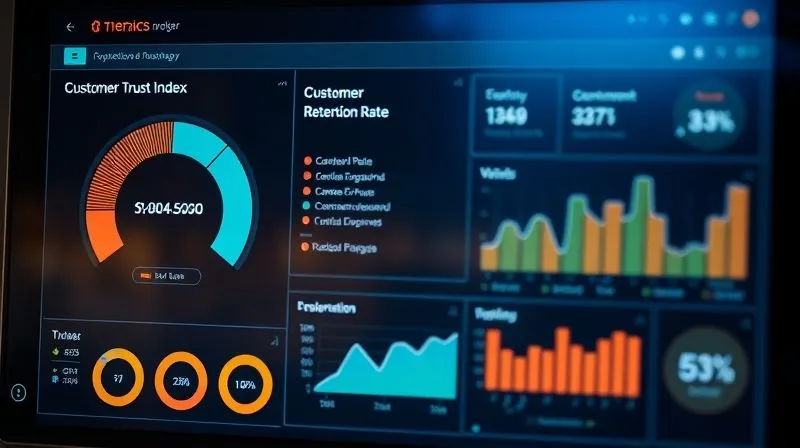
- Customer Trust Scores: Surveys measuring perceived trustworthiness.
- Privacy Policy Engagement: How many customers view and interact with your privacy settings.
- Consent Revocation Rates: A low rate indicates satisfaction with your data practices.
- Customer Retention Rates: A strong indicator of long-term satisfaction and loyalty.
- Net Promoter Score (NPS): Often correlates with positive customer experiences, including ethical data handling.
The Long-Term Value of Trust
In a world increasingly wary of data exploitation, companies that demonstrate a genuine commitment to ethical data use will stand out. They will attract and retain customers who value privacy, fostering a powerful competitive advantage. This isn't just about avoiding penalties; it's about building a brand synonymous with integrity and respect.
Frequently Asked Questions (FAQ)
Is anonymized data always ethical? While anonymized data significantly reduces privacy risks, it's not a silver bullet. True anonymization is challenging, and data can often be re-identified through correlation with other datasets. Ethical considerations still apply, especially regarding the original source of the data and the purpose for which it was collected. Always aim for pseudonymization where possible, offering a layer of protection while still allowing for some analytical utility.
How do small businesses handle this without a dedicated team? Small businesses can start by focusing on the core principles: clear consent, data minimization, and basic security. Utilize readily available tools for privacy policy generation and secure data storage. Prioritize transparency and ensure all team members understand the importance of data ethics. You don't need a large team; you need a strong commitment and consistent practices. Resources from local chambers of commerce or business associations often provide guides tailored for SMEs.
What if a customer revokes consent? When a customer revokes consent, you must immediately cease the specified data processing activities and, if requested, delete their data. This process should be seamless and straightforward. It's an opportunity to reinforce trust by demonstrating respect for their decision. Ensure your systems are designed to handle such requests efficiently and provide confirmation to the customer.
How to balance personalization with not being "creepy"? The key is relevance and control. Personalization feels 'creepy' when it's unexpected, overly intrusive, or reveals information the customer didn't explicitly share or expect you to know. Stick to data collected with clear consent, use it for the stated purpose, and always offer an easy opt-out. Think about 'what would genuinely help this customer right now?' rather than 'what data can I use to influence them?'
What's the role of AI in ethical data use? AI can be a powerful tool for personalization, but it amplifies the need for ethical oversight. AI models are only as unbiased as the data they're trained on. Organizations must rigorously vet their training data for biases, implement explainable AI (XAI) to understand how decisions are made, and continuously monitor AI outputs for fairness and unintended consequences. An ethical AI framework is an extension of your overall data ethics strategy.
Key Takeaways and Final Thoughts
- Transparency and Informed Consent are non-negotiable foundations for trust.
- Practice Data Minimization by collecting only what is truly necessary.
- Implement robust Security and Protection measures to safeguard customer data.
- Adhere to Purpose Limitation and actively combat algorithmic bias.
- Empower customers with easy access to their Data Rights.
- Establish a comprehensive Data Governance Framework with regular audits.
Navigating the complexities of customer data for personalized service ethically is not just a regulatory obligation; it's a strategic imperative. In my experience, the companies that thrive are those that view data privacy not as a burden, but as an opportunity to deepen customer relationships through genuine respect and transparency. By embracing these ethical pillars, you're not just building a more compliant business; you're building a more trustworthy, resilient, and ultimately, more successful one. Start today, and lead with integrity.
Recommended Reading
- Unlock Your Niche: How to Validate a Consulting Business Idea Successfully
- The Hidden Link: How Inventory Management Unlocks Working Capital Efficiency
- Unlock Your IP Rights: How to Draft a Simple Intellectual Property License
- Why High CPA Despite Strong CTR? 7 Fixes for Your Paid Ads
- 7 Critical Reasons Why Your Automated Sales Follow-Ups Aren't Closing Deals





Comments
Leave a comment below. Your email will not be published. Required fields marked with *