

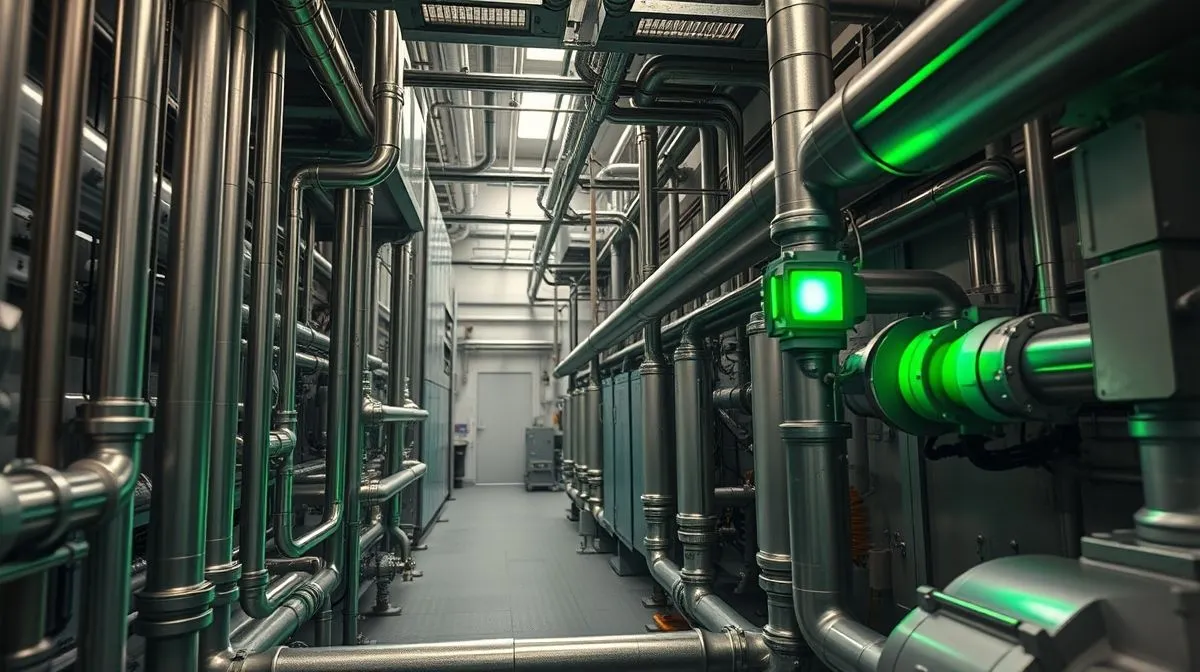
Preventing Critical Facility Equipment Failures on a Budget? Yes, It's Possible.
For over two decades in operations management, I've witnessed the devastating ripple effect of critical equipment failure. It's not just the immediate repair cost; it's lost production, ruined reputation, safety hazards, and the erosion of trust. Many organizations, particularly those with tight purse strings, feel trapped, believing that robust maintenance is a luxury they can't afford.
This common misconception often leads to a reactive, 'fix-it-when-it-breaks' mentality, which, ironically, is the most expensive approach in the long run. The pain points are palpable: unexpected downtime, emergency repairs at premium rates, frantic scrambling for parts, and the constant anxiety of the next inevitable breakdown.
But what if I told you there's a smarter way? A way to significantly reduce the risk of critical failures, extend asset life, and build operational resilience, all without ballooning your budget? In this deep dive, I'll share actionable frameworks, proven strategies, and real-world insights designed specifically for organizations navigating budget constraints. You'll learn how to shift from crisis management to proactive prevention, transforming your facility's reliability and your bottom line.
Understanding the True Cost of Failure: Beyond the Repair Bill
Before we discuss solutions for preventing critical facility equipment failures on a budget, we must first truly grasp the insidious nature of failure costs. Many businesses only account for the direct repair or replacement expense, which is just the tip of the iceberg.
In my experience, the indirect and intangible costs far outweigh the direct ones. Consider the following:
- Lost Production/Revenue: Every minute a critical asset is down, production stops, and revenue is lost. For a manufacturing plant, this could be tens of thousands of dollars per hour.
- Labor Costs: Overtime for maintenance crews, idle production staff, or even the cost of diverting resources from other critical tasks.
- Scrap & Rework: Products in various stages of completion might be ruined, leading to material waste and additional labor for rework.
- Supply Chain Disruptions: Missed deadlines, penalties from customers, and damage to supplier relationships.
- Reputational Damage: Unreliable operations can erode customer trust and make it harder to secure new business.
- Safety & Environmental Risks: Equipment failures can lead to accidents, injuries, or environmental spills, carrying massive legal and financial liabilities.
- Insurance Premiums: A history of frequent failures can drive up insurance costs.
Expert Insight: "The 'invisible' costs of reactive maintenance – lost opportunity, diminished reputation, and increased risk – often dwarf the immediate repair expense. Proactive investment is always cheaper than crisis management."
Recognizing these hidden costs empowers you to make a compelling business case for investing, even modestly, in prevention. It shifts the conversation from 'cost center' to 'profit protection center.'
The Strategic Shift: From Reactive to Proactive (on a Shoestring)
The foundation of preventing critical facility equipment failures on a budget lies in transitioning from a purely reactive (break-fix) approach to a more proactive one. This doesn't mean you need a multi-million-dollar CMMS and an army of engineers overnight.
It's about smart, incremental steps. Here's how:
Prioritize Your Assets: The 80/20 Rule for Maintenance
Not all equipment is created equal. I've seen organizations waste precious budget maintaining non-critical assets while high-impact machines are neglected. Your first step is to identify your truly critical equipment.
- Identify Criticality: Which assets, if they fail, would halt production, pose a safety risk, or cause significant environmental damage? Rank them.
- Assess Risk: For each critical asset, what are the most likely failure modes? What's the probability of failure, and what's the impact?
- Focus Resources: Direct the majority of your limited maintenance budget and effort towards these high-risk, high-criticality assets.
This targeted approach ensures your limited resources yield the maximum protective impact.
Leveraging Data: Affordable Monitoring Techniques
You can't manage what you don't measure. Data-driven decisions are crucial for preventing critical facility equipment failures on a budget. But you don't need expensive sensors on everything.
Manual Inspections and Operator Rounds: Your First Line of Defense
Your frontline operators and technicians are invaluable. They interact with the equipment daily. Implement structured, regular operator rounds:
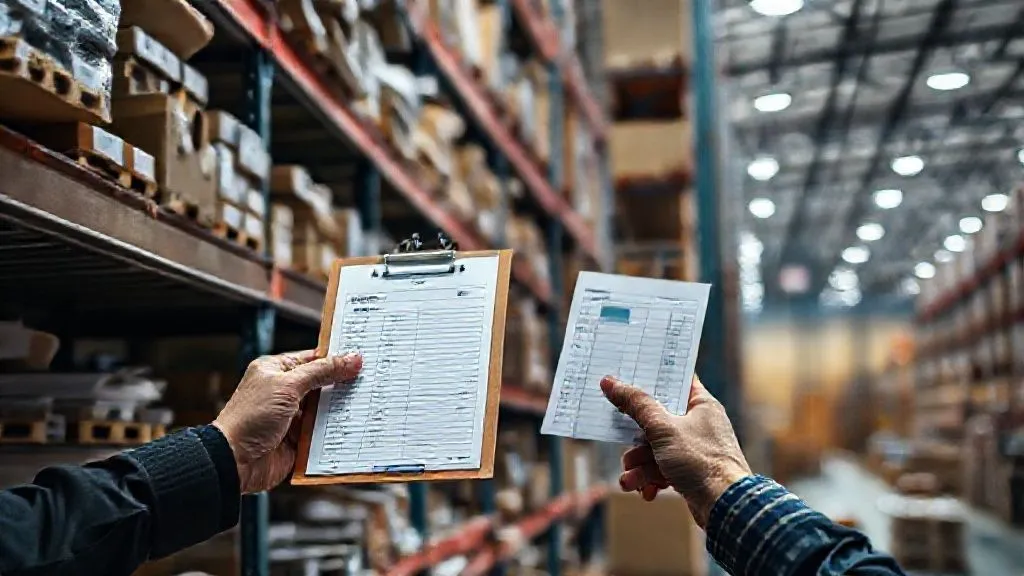
- Develop Checklists: Simple, clear checklists for visual inspections (leaks, vibrations, unusual noises, temperature changes).
- Train & Empower: Teach operators what to look and listen for. Empower them to report anomalies immediately, without fear of blame.
- Log Observations: Even a simple spreadsheet or logbook can track observations over time, revealing trends before they become failures.
This low-cost method provides early warning signs and fosters a culture of ownership.
Cost-Effective Predictive Maintenance (PdM) Tools
While full-scale PdM systems can be pricey, several affordable tools offer significant insights:
- Infrared Thermography Guns: Relatively inexpensive, these can detect hotspots in electrical panels, bearings, or motors, indicating impending failure.
- Vibration Pens/Analyzers: Portable tools that can identify excessive vibration in rotating equipment, signaling bearing wear or misalignment.
- Oil Analysis Kits: Simple kits can test oil for contaminants, wear particles, or degradation, providing insight into engine or gearbox health.
According to a study by Deloitte, implementing even basic predictive maintenance techniques can reduce unscheduled downtime by 5-10% and increase asset lifespan by 10-20%.
The Power of People: Empowering Your Team
Your greatest asset in preventing critical facility equipment failures on a budget isn't a machine; it's your people. Investing in their skills and fostering a culture of proactive maintenance pays dividends.
Cross-Training & Skill Development
Encourage maintenance technicians to learn about different types of equipment. Cross-training creates a more versatile team, reducing reliance on single specialists and speeding up diagnosis and repair.
Implementing a Strong Preventive Maintenance (PM) Culture
PM isn't just about scheduling tasks; it's about embedding a mindset. Regular, scheduled maintenance tasks – lubrication, cleaning, calibration, minor adjustments – are the bedrock of reliability. Even basic PM tasks, consistently performed, dramatically reduce unexpected breakdowns.
Case Study: How Apex Manufacturing Reduced Downtime with PM Focus
Apex Manufacturing, a small metal fabrication plant, was plagued by frequent breakdowns of their CNC machines and presses. Their reactive approach led to a 25% unplanned downtime rate per month. With a limited budget, I advised them to focus on a structured, basic PM program for their five most critical machines. They assigned specific operators and technicians to weekly 30-minute PM checks, focusing on lubrication, debris removal, and visual inspections. Within six months, their unplanned downtime dropped to under 5%, and they saw a 15% increase in machine throughput, directly attributable to preventing critical facility equipment failures on a budget through consistent, low-cost PM.
Smart Spares Management & Vendor Relationships
Having the right parts at the right time is crucial. But an excessive inventory ties up capital. Smart spares management is key for preventing critical facility equipment failures on a budget.
Optimize Your Spares Inventory
- Critical Spares Identification: For your critical assets, identify the specific components most likely to fail and which have long lead times for replacement.
- Minimum-Maximum Levels: Establish sensible minimum and maximum stock levels for these critical spares. Don't overstock on non-critical items.
- Consignment & Vendor Agreements: Explore agreements with key suppliers for consignment stock or guaranteed rapid delivery for critical components. This shifts inventory cost to the vendor.
Forge Strong Vendor Partnerships
Your suppliers are more than just transaction partners. Develop strong relationships with key equipment manufacturers and parts suppliers. They can offer:
- Technical support and troubleshooting advice.
- Training opportunities for your staff.
- Insights into common failure modes and preventative measures for their equipment.
- Better pricing and priority service for loyal customers.
Risk Prioritization: Not All Equipment is Equal
A core tenet of effective operations, especially when budget-constrained, is intelligent risk prioritization. This goes beyond just criticality and delves into the 'what if' scenarios.
Failure Mode and Effects Analysis (FMEA) – Simplified
While a full FMEA can be complex, a simplified version is invaluable for preventing critical facility equipment failures on a budget. For each critical asset, ask:
- What could fail? (e.g., motor bearing, pump seal, electrical contactor)
- What causes it to fail? (e.g., lack of lubrication, old age, power surge)
- What happens if it fails? (e.g., machine stops, fire risk, product spoilage)
- How can we detect it before it fails? (e.g., vibration analysis, temperature check, visual inspection)
- What can we do to prevent it? (e.g., regular lubrication, scheduled replacement, surge protector)
This structured thinking helps you allocate resources to the areas that yield the highest risk reduction for the lowest cost.
Expert Insight: "You can't eliminate all risk, but you can certainly manage it. By focusing your limited budget on mitigating the highest-impact, most probable failures, you achieve disproportionate gains in reliability."
Building a Culture of Prevention: It Starts at the Top
No amount of technical expertise or clever budgeting will succeed without the right organizational culture. A culture of prevention, where everyone is invested in reliability, is the ultimate secret weapon for preventing critical facility equipment failures on a budget.
Leadership Buy-In and Communication
Maintenance is often seen as a cost center, not a value driver. Leaders must communicate the importance of proactive maintenance and its direct link to profitability and safety. Regular updates on maintenance successes (e.g., 'we prevented X breakdowns this quarter saving Y dollars') can reinforce this message.
Continuous Improvement & Learning
After every failure, conduct a root cause analysis (RCA), even a simple one. Ask 'why' five times to get to the underlying issue, not just the symptom. Use these lessons to refine your PM schedules, training, or equipment selection.
As quality management expert W. Edwards Deming famously stated, "It is not enough to do your best; you must know what to do, and then do your best." This applies directly to maintenance – understanding *why* things fail is as important as fixing them.
Technology on a Budget: Open Source & Low-Cost Solutions
While enterprise CMMS (Computerized Maintenance Management Systems) can be expensive, several accessible options exist for preventing critical facility equipment failures on a budget.
- Spreadsheet-Based PM Schedulers: For smaller operations, a well-designed Excel or Google Sheet can track PM schedules, work orders, and basic asset history.
- Cloud-Based CMMS Lite: Many vendors offer stripped-down, affordable cloud-based CMMS solutions tailored for small to medium businesses. These often have per-user or per-asset pricing, making them scalable.
- Mobile Apps for Checklists: Simple apps can digitize your operator rounds and checklists, making data collection easier and more consistent than paper forms.
- Leveraging Existing Systems: Can your existing ERP or accounting software be extended to manage some basic maintenance data? Sometimes, a creative approach with current tools is all that's needed.
Frequently Asked Questions (FAQ)
Question: How do I convince senior management to invest in maintenance when budgets are so tight? The key is to speak their language: money. Focus on the true cost of failure (lost revenue, penalties, safety risks) versus the ROI of even small proactive investments. Use the 'Case Study' approach I outlined, or historical data from your own facility if available, to show how reactive costs are actually higher. Highlight the benefits of preventing critical facility equipment failures on a budget – improved safety, reduced energy consumption, and extended asset life.
Question: We're a small team. How can we implement these strategies without hiring more staff? Start small and prioritize. Focus on your 3-5 most critical assets first. Leverage operator rounds and cross-training. Automate simple tasks where possible (e.g., spreadsheet alerts). Consider outsourcing highly specialized tasks (like advanced vibration analysis) rather than bringing them in-house. Incremental improvements over time are more sustainable than trying to overhaul everything at once.
Question: What's the biggest mistake companies make when trying to reduce maintenance costs? The biggest mistake I've seen is cutting corners on preventive maintenance or deferring critical repairs. While it offers a short-term 'saving,' it inevitably leads to catastrophic, expensive failures down the line. It's a false economy. The second biggest mistake is not empowering and training frontline staff; they are your eyes and ears.
Question: How often should we review our maintenance strategy? I recommend a formal review at least annually, or whenever there's a significant change in production volume, equipment, or budget. However, a continuous improvement mindset means you're always informally reviewing and adjusting based on performance data (e.g., uptime, breakdown frequency, repair costs).
Question: Can older equipment be reliably maintained on a budget, or is replacement always better? It depends. Older equipment often has simpler mechanics and can be very robust if consistently maintained. The decision to replace should be based on a thorough cost-benefit analysis comparing total cost of ownership (TCO) for keeping vs. replacing. If parts are obsolete or energy consumption is excessively high, replacement might be more budget-friendly in the long run. However, a strong PM program can significantly extend the life of older, well-built machines, making preventing critical facility equipment failures on a budget a real possibility.
Recommended Reading
- Migrate E-commerce Platform: 8 Steps to Safeguard SEO Rankings & Traffic
- Unlock Business Insights: The Ultimate Guide to Solving Data Quality Issues
- The Ultimate Guide: Overcoming Global Competition Challenges for SMEs
- Unlock Mobile Sales: The Ultimate Guide to E-commerce Conversion Strategies
- Unlock Peak Performance: How to Address Low Employee Engagement in the Workplace
Key Takeaways and Final Thoughts
Preventing critical facility equipment failures on a budget isn't about magic; it's about smart, strategic choices and consistent execution. Here are the core principles to remember:
- Understand True Costs: Recognize that reactive maintenance is far more expensive than proactive.
- Prioritize Relentlessly: Focus your limited resources on your most critical assets.
- Leverage People & Data: Empower your frontline staff and use low-cost data collection for early warnings.
- Embrace Proactive PM: Consistent, scheduled maintenance prevents costly surprises.
- Build Relationships: Strong vendor partnerships and internal cross-functional collaboration are invaluable.
- Foster a Culture of Prevention: Leadership buy-in and continuous learning are non-negotiable.
Your journey to operational resilience starts with a single step. Don't be deterred by budget constraints. By implementing these pragmatic, expert-backed strategies, you can transform your facility's reliability, safeguard your investments, and ensure your operations run smoothly, even when every penny counts. The future of your facility's uptime is within your control – start building that robust, budget-friendly maintenance strategy today.

Comments
Leave a comment below. Your email will not be published. Required fields marked with *