


Preventing International E-commerce Payment Fraud and Chargebacks?
For over 15 years in the dynamic world of e-commerce, I've witnessed firsthand how quickly ambitious global expansion plans can unravel. The culprit? Often not a lack of market demand or a poor product, but rather the insidious drain of international payment fraud and the relentless sting of chargebacks. I've seen promising ventures lose millions, not just in direct financial losses, but in damaged reputation, eroded customer trust, and crippling operational overhead.
The challenges of global e-commerce are unique, presenting a complex web of varying regulations, diverse payment methods, and increasingly sophisticated fraudsters. This isn't just about losing a sale; it’s about the costly fees, the operational nightmare of disputes, and the potential blacklisting by payment processors. The pain point is real and pervasive: how do you confidently tap into the vast potential of international markets without becoming an easy target for financial exploitation?
That's precisely what this deep dive aims to solve. Drawing from my extensive experience, I'll provide you with a comprehensive framework, actionable strategies, and expert insights designed to fortify your international e-commerce operations. We'll explore everything from cutting-edge fraud detection technologies to proactive chargeback management, ensuring you have the tools and knowledge to thrive securely on the global stage.
Understanding the Evolving Landscape of International E-commerce Fraud
The global digital marketplace is a double-edged sword. While it offers unparalleled access to customers worldwide, it also exposes businesses to a diverse and constantly evolving array of fraud threats. What works to prevent fraud in one region might be completely ineffective in another, due to cultural nuances, technological adoption rates, and local criminal enterprises.
In my experience, fraudsters are not static; they are innovators. They leverage AI, dark web networks, and social engineering to bypass traditional security measures. From sophisticated phishing schemes to account takeovers and synthetic identity fraud, the tactics are becoming increasingly difficult to detect without advanced tools and a proactive mindset. The sheer volume of transactions in international e-commerce makes manual review impractical, necessitating intelligent automation.
Understanding this evolving landscape is the first critical step in preventing international e-commerce payment fraud and chargebacks. It's not about playing defense; it's about anticipating the next move and building resilient systems that adapt faster than the fraudsters.
The Dual Threat: Payment Fraud vs. Chargebacks
Before we dive into solutions, it's crucial to distinguish between the two primary financial drains we're addressing: payment fraud and chargebacks. While often intertwined, they represent distinct challenges requiring tailored strategies.
Payment fraud, also known as criminal fraud, occurs when an unauthorized party uses stolen payment credentials to make a purchase. This is often the most direct and clear-cut form of loss, involving stolen credit card numbers, phishing scams, or account takeover. The merchant typically bears the cost, loses the product, and incurs processing fees.
Chargebacks, on the other hand, are disputes initiated by the cardholder with their bank. While some chargebacks stem from legitimate criminal fraud, a significant portion falls under 'friendly fraud' or 'customer disputes.' This can be due to buyer's remorse, forgotten subscriptions, product not as described, or even outright dishonesty where a customer claims non-receipt despite receiving the item. Chargebacks are particularly insidious because they incur fees, impact your merchant account reputation, and require a lengthy, evidence-heavy dispute process.
“Ignoring the distinction between criminal fraud and friendly fraud is like fighting two different battles with the same outdated weapon. You need a nuanced approach for each.”
The financial impact of chargebacks often far exceeds the original transaction value, factoring in fees, lost goods, shipping costs, and the significant operational time spent on representment. Effectively preventing international e-commerce payment fraud and chargebacks means tackling both these threats head-on with distinct, yet integrated, strategies.
Fortifying Your Defenses: Proactive Fraud Prevention Strategies
To truly get ahead, you need a multi-layered defense. Relying on a single solution is akin to leaving your back door unlocked. Here's how to build a robust system.
Leveraging Advanced Fraud Detection Tools
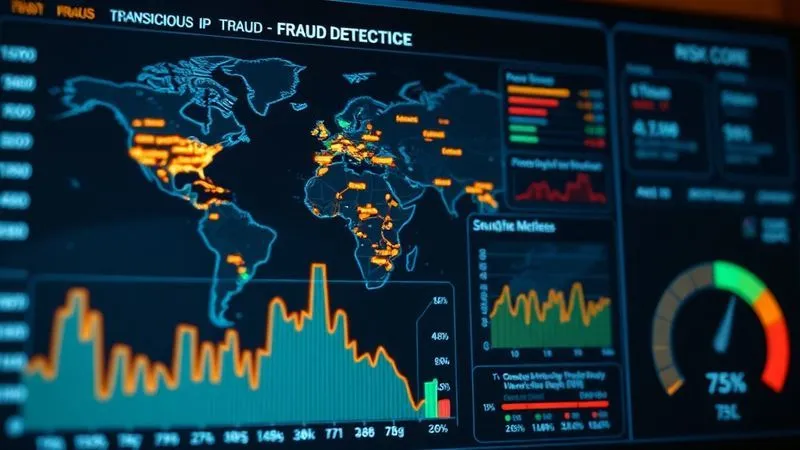
Gone are the days when simple AVS (Address Verification System) and CVV checks were sufficient. Today, sophisticated fraud prevention platforms are essential for international e-commerce. These tools utilize a combination of artificial intelligence, machine learning, and vast data networks to identify suspicious patterns in real-time.
Features to look for include: device fingerprinting (identifying unique device attributes), IP geo-location (checking if the IP address matches the billing/shipping location), behavioral analytics (analyzing customer browsing and purchasing patterns for anomalies), proxy/VPN detection, and transaction velocity checks. These systems can score transactions based on risk, allowing legitimate orders to pass through seamlessly while flagging high-risk ones for manual review or outright rejection.
I've seen companies reduce their fraud rates by over 50% simply by implementing a robust, AI-driven fraud detection solution. The initial investment pays dividends by saving not just lost revenue, but also the invaluable time and resources otherwise spent on chasing fraudulent orders.
Implementing Robust Customer Authentication (3D Secure 2.0 and Beyond)
Customer authentication is your first line of defense, especially in the Card-Not-Present (CNP) environment of e-commerce. 3D Secure 2.0 (3DS2) is a game-changer here. Unlike its predecessor, 3DS2 is designed to be largely frictionless, only requiring customer interaction (like a biometric scan or one-time passcode) for high-risk transactions. For low-risk purchases, data is exchanged silently between the merchant, issuer, and payment network, leading to a seamless checkout experience.
Here's why 3DS2 is critical for preventing international e-commerce payment fraud and chargebacks:
- Liability Shift: For transactions authenticated via 3DS2, liability for fraudulent chargebacks often shifts from the merchant to the card issuer, significantly reducing your financial risk.
- Enhanced Data Sharing: It allows for the exchange of over 100 data points, providing banks with richer context to assess risk more accurately.
- Improved Customer Experience: By enabling frictionless authentication for most transactions, it minimizes abandonment rates that plagued earlier versions of 3D Secure.
- Regulatory Compliance: It helps meet Strong Customer Authentication (SCA) requirements in regions like Europe under PSD2.
Embracing 3DS2 isn't just about compliance; it's about strategically offloading risk while maintaining a smooth customer journey. My advice? Work closely with your payment gateway to ensure optimal 3DS2 implementation and configuration for your specific international markets.
Geographic and Behavioral Analytics
Understanding where your customers are coming from and how they behave is paramount. Geographic analytics involves scrutinizing IP addresses, billing addresses, and shipping addresses. Inconsistent data – say, an IP from Nigeria, a billing address in the UK, and a shipping address in Canada – should immediately raise a red flag. Similarly, orders placed from known high-risk countries or regions deserve extra scrutiny.
Behavioral analytics delves deeper, examining typical customer patterns. Is a new customer suddenly making multiple high-value purchases within a short timeframe? Are they using an anonymous email address or a disposable phone number? Is the shipping speed unusually expedited for a first-time international order? These subtle deviations from normal customer behavior can be powerful indicators of fraudulent intent.
Case Study: How GlobalTech Retail Reduced Fraud with Geo-Behavioral Profiling
GlobalTech Retail, an electronics e-commerce giant, faced an alarming 12% fraud rate on international orders, primarily from specific regions in Eastern Europe and Southeast Asia. They were losing hundreds of thousands monthly. By implementing a system that cross-referenced IP addresses with billing/shipping locations and performed real-time velocity checks on new accounts, they achieved a dramatic turnaround. They also started flagging orders where the billing country did not match the issuing bank's country. Within six months, their international fraud rate dropped to under 2%, saving them over $1.5 million annually and significantly improving their ability to scale into new markets with confidence.
| Fraud Detection Method | Key Benefit | Complexity | Effectiveness |
|---|---|---|---|
| AI/ML Transaction Monitoring | Real-time anomaly detection, adaptive learning | High | Very High |
| 3D Secure 2.0 | Liability shift, frictionless authentication | Medium | High |
| Device Fingerprinting | Identifies repeat fraudsters, unique device IDs | Medium | High |
| Geo-IP Matching & Velocity Checks | Location-based risk assessment, pattern analysis | Low-Medium | Medium-High |
| Manual Review | Human intuition for complex cases | High (resource-intensive) | Situational |
Mastering Chargeback Management: From Prevention to Resolution
Chargebacks are a significant threat, often more complex to manage than outright fraud because they involve customer disputes, which can be legitimate, accidental, or malicious ('friendly fraud'). Effective chargeback management is crucial for preventing international e-commerce payment fraud and chargebacks.
Best Practices for Preventing Friendly Fraud
Friendly fraud is a growing concern, where a customer makes a purchase and then disputes it, often claiming non-receipt or an unrecognized transaction. While frustrating, many instances can be mitigated with proactive measures:
- Crystal-Clear Communication: Ensure your product descriptions are accurate, images are high-quality, and all terms and conditions (especially return and refund policies) are easy to find and understand.
- Excellent Customer Service: A responsive and empathetic customer service team can often resolve issues before they escalate to a chargeback. Offer easy refunds or exchanges.
- Proof of Delivery: Always use shipping methods that provide tracking and delivery confirmation, especially for high-value international orders. Require signatures for expensive items.
- Recognizable Billing Descriptors: Make sure your billing statement descriptor is clear and recognizable to your customers. Avoid cryptic abbreviations that might lead them to dispute a legitimate charge.
- Proactive Communication: Send order confirmations, shipping updates, and delivery notifications. For subscription services, send reminders before billing.
According to a recent study by Deloitte, chargebacks related to 'friendly fraud' can account for up to 75% of all chargebacks for some e-commerce businesses. Addressing this segment effectively is paramount for preventing international e-commerce payment fraud and chargebacks. For further insights on consumer protection and best practices, consult resources like the Federal Trade Commission (FTC), which offers guidance on fair business practices.
Optimizing Your Dispute Resolution Process
Despite your best efforts, some chargebacks are inevitable. Your ability to respond effectively can significantly impact your recovery rate and protect your merchant account status. This is where a robust dispute resolution process comes into play.
- Collect Compelling Evidence: For every chargeback, gather all relevant documentation: order details, customer IP address, billing/shipping addresses, purchase history, communication logs, tracking numbers, delivery confirmation, and any proof of product usage or access (for digital goods).
- Respond Promptly: Card networks impose strict deadlines for responding to chargebacks. Missing these deadlines means an automatic loss. Utilize automated systems to alert you to new disputes immediately.
- Craft a Clear Representment Letter: Present your evidence clearly and concisely in a representment letter. Explain why the chargeback is invalid, backing up each point with your collected data.
- Learn from Each Dispute: Analyze the reasons for chargebacks. Are there recurring issues with a specific product, shipping carrier, or customer segment? Use this data to refine your prevention strategies.

Building a Global Fraud Prevention Team and Culture
Technology alone isn't enough. A strong fraud prevention strategy requires a dedicated, cross-functional team and a culture that prioritizes security. In my experience, the most successful international e-commerce businesses integrate fraud prevention into every department.
This means your finance team isn't just reconciling accounts; they're analyzing chargeback data. Your operations team isn't just shipping products; they're ensuring proof of delivery protocols are followed. Your customer service team isn't just answering queries; they're trained to identify suspicious customer behavior and resolve issues before they escalate to disputes.
Regular training and clear communication channels are vital. Everyone, from the marketing team to the executive suite, should understand the importance of preventing international e-commerce payment fraud and chargebacks. Foster an environment where employees feel empowered to flag suspicious activity without fear of slowing down sales. Collaboration is key to staying ahead of fraudsters who often exploit silos within organizations.
Data-Driven Insights: Monitoring, Analysis, and Adaptation
The fight against fraud is never over; it's a continuous process of monitoring, analyzing, and adapting. You need to establish clear Key Performance Indicators (KPIs) for fraud and chargebacks and track them rigorously. Metrics like fraud-to-sales ratio, chargeback rate, approval rates, and manual review rates are essential.
Regularly review your fraud rules and thresholds. What worked six months ago might be outdated today. Fraudsters adapt, and so must your defenses. A/B test different fraud rules to see their impact on both fraud rates and legitimate conversion rates. For instance, tightening rules might reduce fraud but also block too many good customers, impacting revenue. It’s a delicate balance.
“Data is your most powerful weapon against fraud. It tells you where the threats are coming from, what methods are being used, and how effective your defenses truly are.”
I advise setting up automated reporting dashboards that provide real-time insights into your fraud landscape. This allows for quick identification of new fraud patterns and rapid adjustments to your prevention strategies. This proactive, data-driven approach is fundamental for optimizing your efforts in preventing international e-commerce payment fraud and chargebacks.

Navigating Regulatory Compliance and International Standards
Operating in international e-commerce means navigating a labyrinth of regulations. Compliance isn't optional; it's a fundamental aspect of trust and security. Key regulations and standards include:
- PCI DSS (Payment Card Industry Data Security Standard): This global standard sets the requirements for organizations that process, store, or transmit credit card information. Adhering to PCI DSS is non-negotiable for protecting cardholder data. For official documentation and resources, visit the PCI Security Standards Council website.
- GDPR (General Data Protection Regulation): While primarily focused on data privacy for EU citizens, GDPR has significant implications for how you collect, store, and process customer data globally. Non-compliance can lead to hefty fines.
- Strong Customer Authentication (SCA): Part of Europe's Revised Payment Services Directive (PSD2), SCA mandates multi-factor authentication for most electronic payments within the European Economic Area. 3D Secure 2.0 is the primary mechanism for meeting these requirements.
- Local Consumer Protection Laws: Each country or region may have its own specific laws regarding consumer rights, returns, and dispute resolution. Understanding these local nuances is crucial for preventing international e-commerce payment fraud and chargebacks, especially those stemming from customer dissatisfaction.
I cannot stress enough the importance of staying informed and regularly reviewing your compliance posture. Partner with legal experts and payment processors who specialize in international markets to ensure you meet all necessary requirements. Compliance builds trust, and trust is the bedrock of secure international trade.
Frequently Asked Questions (FAQ)
Question: How do I choose the right fraud prevention solution for my international e-commerce business? Choosing the right solution depends on several factors: your transaction volume, the regions you operate in, your average order value, and your internal resources. Look for solutions that offer AI/ML capabilities, real-time risk scoring, customizable rules, and seamless integration with your existing payment gateway. Prioritize scalability and a vendor with strong international expertise. Request demos and compare features, pricing models, and customer support.
Question: What's the role of AI and machine learning in modern fraud prevention? AI and machine learning are transformative. They analyze vast datasets to identify complex fraud patterns that human analysts might miss. They can adapt to new fraud tactics in real-time, reducing false positives (blocking legitimate customers) and improving detection rates. AI-driven systems learn from every transaction, continuously refining their models to stay ahead of evolving threats, making them indispensable for preventing international e-commerce payment fraud and chargebacks.
Question: Can I completely eliminate chargebacks from my international e-commerce operations? Unfortunately, completely eliminating chargebacks is an unrealistic goal. Some are legitimate, and others are unavoidable. However, your goal should be to significantly reduce them to an acceptable level (typically below 0.5-1% of your transaction volume). By implementing robust fraud prevention, excellent customer service, clear policies, and efficient dispute resolution, you can minimize their impact and maintain a healthy merchant account status.
Question: How does 3D Secure 2.0 impact conversion rates for international customers? Unlike its predecessor, 3DS 2.0 is designed to minimize friction. For most low-risk transactions, it operates in the background without requiring customer interaction, leading to a seamless checkout experience and preserving conversion rates. For higher-risk transactions, it may prompt a challenge (e.g., a one-time password), which can introduce slight friction but significantly reduces fraud liability. The overall goal is to balance security with user experience, and 3DS 2.0 does this much more effectively than prior versions.
Question: What are the biggest mistakes e-commerce businesses make when trying to prevent international e-commerce payment fraud and chargebacks? One common mistake is a 'set it and forget it' mentality with fraud tools; fraud prevention requires continuous adaptation. Another is failing to differentiate between criminal fraud and friendly fraud, leading to misdirected efforts. Over-reliance on manual review without automation, neglecting customer service as a fraud prevention tool, and failing to understand country-specific fraud patterns are also major pitfalls. Finally, not investing in proper data analysis to learn from past incidents is a critical oversight.
Key Takeaways and Final Thoughts
The journey of preventing international e-commerce payment fraud and chargebacks is a marathon, not a sprint. It demands vigilance, continuous adaptation, and a multi-faceted approach. But the rewards – secure global expansion, protected revenue, and unwavering customer trust – are immeasurable.
- Embrace a Multi-Layered Defense: Combine advanced fraud detection tools, robust authentication, and deep data analytics.
- Master Both Fraud and Chargebacks: Understand their distinct natures and implement tailored strategies for each.
- Prioritize Customer Experience: Secure transactions shouldn't come at the cost of friction; leverage tools like 3DS2 for seamless security.
- Build a Culture of Security: Integrate fraud prevention across all departments, from finance to customer service.
- Stay Data-Driven and Adaptive: Continuously monitor KPIs, analyze patterns, and adjust your strategies to outsmart evolving threats.
- Ensure Regulatory Compliance: Adhere to global standards like PCI DSS and regional mandates like GDPR and SCA.
Remember, every dollar saved from fraud or chargebacks is a dollar directly added to your bottom line. By implementing the strategies I've outlined, you're not just protecting your business; you're building a foundation of trust and resilience that will empower your international e-commerce venture to truly thrive. Go forth, expand, and secure your global success!
Recommended Reading
- 7 Proven Strategies: Engaging Skeptical Stakeholders in CSR Initiatives
- 7 Proven Strategies: Boost Remote Cross-Functional Team Collaboration
- Unlock Success: Your Ultimate Guide to Preparing for a Business Consulting Engagement
- Legally Terminating Remote Staff for Poor Performance: A 7-Step Guide
- Budget-Friendly Market Research: 5 Steps for Small Business Growth





Comments
Leave a comment below. Your email will not be published. Required fields marked with *