


Struggling to get executive buy-in for triple bottom line goals?
For over 15 years in the Corporate Social Responsibility (CSR) and sustainability space, I've seen countless brilliant triple bottom line (TBL) initiatives falter, not because they lacked merit, but because they failed to secure that crucial executive buy-in. It's a common, often frustrating, roadblock for passionate TBL advocates within organizations.
The core problem isn't that TBL — focusing on People, Planet, and Profit — lacks inherent value. Far from it. The issue lies in how these initiatives are framed, communicated, and integrated into the existing corporate lexicon and strategic priorities. Executives speak a different language, one dominated by risk, return, and shareholder value, and if your TBL pitch doesn't translate, it simply won't resonate.
In this definitive guide, I'll share seven battle-tested strategies to bridge that communication gap and transform executive skepticism into enthusiastic support. You’ll learn how to craft compelling arguments, leverage data, build coalitions, and ultimately, embed TBL thinking into the very DNA of your organization. Prepare to equip yourself with actionable frameworks, real-world insights, and the expert guidance needed to finally get that elusive executive green light.
Understanding the Executive Mindset: Beyond Philanthropy
Before we dive into specific strategies, it's vital to understand the lens through which most executives view new proposals. They are stewards of the company's financial health, reputation, and long-term viability. While many appreciate the concept of 'doing good,' their primary fiduciary duty is to 'do well' for the business and its shareholders.
This means your TBL pitch needs to move beyond abstract ethical arguments or purely philanthropic appeals. It must directly connect to tangible business outcomes. Executives are concerned with reducing costs, increasing revenue, mitigating risks, enhancing brand value, and attracting top talent. If you can demonstrate how TBL goals contribute to these core objectives, you've already won half the battle.
Expert Insight: "The biggest mistake TBL advocates make is presenting sustainability as a cost center or a moral imperative, rather than a strategic opportunity for competitive advantage and long-term value creation."
Here are the key drivers that occupy an executive's mind:
- Financial Performance: Revenue growth, profit margins, ROI, cost reduction.
- Risk Management: Regulatory compliance, reputational damage, supply chain resilience.
- Market Positioning: Brand differentiation, customer loyalty, market share.
- Talent Acquisition & Retention: Employee engagement, productivity, innovation.
- Operational Efficiency: Streamlined processes, resource optimization.
Strategy 1: The Financial Case for People and Planet
This is arguably the most critical strategy. Executives understand numbers. Your TBL initiatives must demonstrate a clear, quantifiable return on investment (ROI) or a significant cost-saving potential. Frame every environmental and social goal not as an expense, but as an investment with measurable financial benefits.
Reduced Operational Costs & Increased Efficiency
Many 'planet' initiatives directly translate to cost savings. Implementing energy-efficient systems, optimizing water usage, or reducing waste often leads to lower utility bills and raw material expenses. These are direct impacts on the profit line that executives readily grasp.
- Energy Savings: Upgrading to LED lighting, investing in renewable energy sources, optimizing HVAC systems.
- Waste Reduction: Implementing circular economy principles, improving recycling programs, minimizing material scrap.
- Water Conservation: Installing low-flow fixtures, optimizing industrial processes, rainwater harvesting.
Enhanced Brand Value & Customer Loyalty
Today’s consumers are increasingly conscious. A strong commitment to TBL can significantly boost your brand's reputation, attracting new customers and fostering deeper loyalty among existing ones. This translates to increased sales and premium pricing opportunities.
According to a Harvard Business Review study, purpose-driven companies outperform the market. Consumers are willing to pay more for sustainable products and services, and a positive brand image can be a powerful differentiator in a crowded market.
Attracting & Retaining Top Talent
The 'people' aspect of TBL directly impacts your workforce. Companies with strong CSR initiatives and a clear purpose are more attractive to job seekers, particularly millennials and Gen Z. This reduces recruitment costs and improves retention rates, leading to a more experienced and productive workforce.
A Deloitte survey consistently shows that younger generations prioritize employers with strong ethical values and a positive societal impact. High employee morale and lower turnover directly contribute to financial stability and operational efficiency.
Strategy 2: Data-Driven Storytelling: Metrics That Matter
Numbers speak volumes, but only if they're the right numbers and presented effectively. Executives are bombarded with data; your job is to make your TBL data relevant, concise, and compelling. This means moving beyond qualitative statements to quantifiable, verifiable metrics.
Identifying Key Performance Indicators (KPIs) for TBL
You need to establish clear, measurable KPIs for each leg of the triple bottom line. These shouldn't just be vague aspirations but concrete targets linked to business value. Think about what data points would genuinely impress an executive board.
- People KPIs: Employee engagement scores, voluntary turnover rates, diversity and inclusion metrics, community investment ROI, safety incident rates.
- Planet KPIs: Carbon emissions reductions (tCO2e), water consumption (liters/unit of production), waste diversion rates, renewable energy percentage, sustainable sourcing metrics.
- Profit KPIs: Revenue from sustainable products/services, cost savings from efficiency, brand reputation scores, stock performance (if applicable), investor ESG ratings.
Visualizing Impact: Dashboards & Scorecards
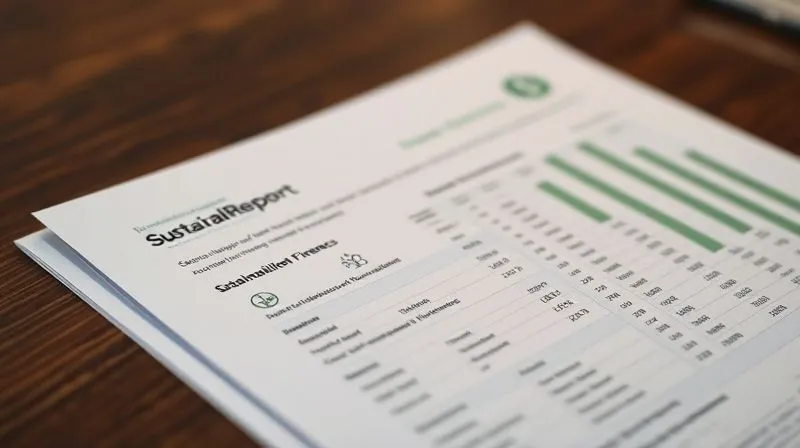
Raw data can be overwhelming. Present your TBL metrics in easily digestible visual formats like dashboards, scorecards, and infographics. Focus on trends, benchmarks, and the direct correlation between TBL efforts and business outcomes. Show progress, not just activity.
A well-designed TBL scorecard can provide a snapshot of performance across all three dimensions, allowing executives to quickly grasp the overall health and impact of your sustainability efforts. Here's an example of what such a scorecard might look like:
| Category | Metric | Baseline (2022) | Current (2023) | Target (2025) | Progress |
|---|---|---|---|---|---|
| Environmental | GHG Emissions Reduction | 1500 tCO2e | 1200 tCO2e | 900 tCO2e | 20% Reduction |
| Social | Employee Engagement Score | 68% | 75% | 80% | 7% Increase |
| Economic | Revenue from Sustainable Products | $5M | $8M | $12M | 60% Growth |
| Environmental | Water Usage (L/unit) | 10L | 8.5L | 7L | 15% Reduction |
Expert Insight: "Visual data doesn't just present information; it tells a story. Use compelling charts and graphs to highlight the narrative of progress, impact, and value creation that your TBL initiatives are driving."
Strategy 3: Aligning TBL with Core Business Strategy
The most successful TBL initiatives are not siloed projects but deeply integrated components of the overall business strategy. Executives need to see TBL as an enhancer, not a distraction, from their primary objectives. This requires careful positioning and strategic framing.
Integrating TBL into Strategic Planning
Push for TBL considerations to be part of every major strategic discussion, from product development to market entry. If TBL is an afterthought, it will always be treated as optional. Advocate for workshops and cross-functional teams that specifically explore how TBL principles can inform and improve existing business strategies.
Identifying Synergies with Existing Objectives
Look for natural overlaps. Does the company have a goal to enhance innovation? TBL can drive sustainable innovation. Is there a focus on risk reduction? TBL strengthens supply chain resilience and regulatory compliance. By framing TBL as a tool to achieve existing, approved strategic goals, you make it indispensable.
Case Study: Eco-Innovations at GreenTech Solutions
GreenTech Solutions, a medium-sized manufacturing firm, initially struggled with executive resistance to investing in sustainable materials. The CSR team reframed the initiative, demonstrating how new eco-friendly materials would not only reduce waste (planet) but also unlock new markets, attract premium customers (profit), and enhance employee pride (people). By aligning the TBL goals with R&D and market expansion strategies, they secured a significant budget. Within two years, their 'GreenLine' product series accounted for 25% of new revenue, reduced material costs by 10%, and saw a 15% increase in employee satisfaction scores. This showed executives that TBL wasn't just 'doing good' but 'doing good business.'
Strategy 4: Building a Coalition of Champions
You don't have to go it alone. Building a strong internal coalition can amplify your message and provide diverse perspectives that resonate with different executive stakeholders. Executive buy-in for triple bottom line goals is often a team sport.
Engaging Mid-Level Management
Mid-level managers are often the bridge between strategic intent and operational execution. Get them on board early. They can provide valuable ground-level insights, identify practical challenges, and become powerful advocates for TBL initiatives within their departments. Their support can demonstrate broad internal consensus to senior leadership.
Leveraging External Expertise
Sometimes, an external voice carries more weight. Bringing in reputable sustainability consultants, industry experts, or academics can lend credibility and authority to your proposals. They can offer benchmarks, best practices, and a neutral perspective that validates your TBL strategies. Consider inviting them to present to your executive team.
Organizations like the UN Global Compact or leading academic institutions in sustainability often publish research and frameworks that can bolster your arguments.

Strategy 5: Pilot Programs and Scalable Success
When facing resistance to large-scale investment, start small. Pilot programs allow you to demonstrate the viability and benefits of your TBL initiatives with minimal risk. This approach builds confidence and provides tangible proof points for future scaling.
The Power of Proof-of-Concept
Identify a specific, contained project where TBL principles can be applied and measured. This could be a single product line, a specific department, or a limited geographical area. The goal is to generate clear, measurable positive outcomes that you can then present to executives.
Documenting and Communicating Wins
Once your pilot program yields results, meticulously document every success. Quantify the financial savings, environmental impact, and social benefits. Share these wins widely within the organization, especially with the executive team. Celebrate small victories to build momentum and demonstrate the potential for broader implementation.
Here are the steps for a successful pilot program:
- Identify a Small-Scale Opportunity: Choose a project that is manageable, has clear boundaries, and allows for measurable TBL impact.
- Define Clear KPIs: Before starting, establish specific, measurable, achievable, relevant, and time-bound (SMART) KPIs for People, Planet, and Profit.
- Secure Limited Resources: Request a modest budget and team to execute the pilot, emphasizing its experimental nature and low risk.
- Execute and Monitor: Implement the program and rigorously track performance against your defined KPIs.
- Analyze and Report: Compile all data, highlighting successes and lessons learned. Focus on the positive ROI and broader strategic implications.
- Present to Leadership: Use your documented wins to build a stronger case for scaling the initiative across the organization.
Strategy 6: Risk Mitigation and Compliance as a Driver
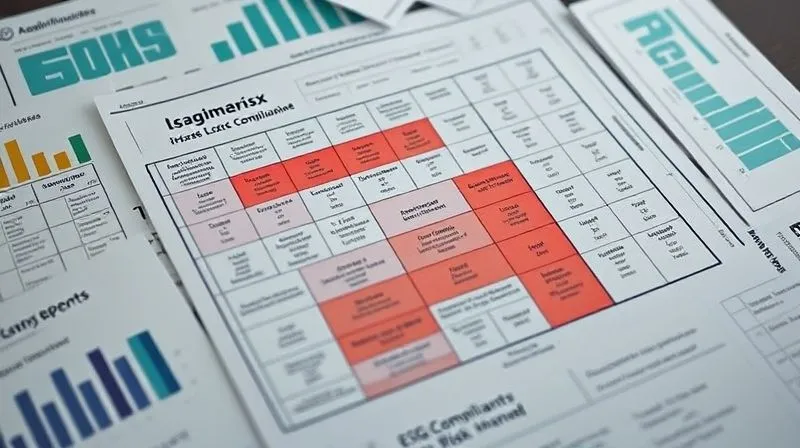
Executives are inherently risk-averse. Frame TBL not just as an opportunity for growth, but as an essential strategy for mitigating financial, operational, and reputational risks. This perspective often resonates strongly, as avoiding losses can be as motivating as generating gains.
Regulatory Landscape & Future-Proofing
The global regulatory landscape for environmental, social, and governance (ESG) factors is rapidly evolving. Proactive TBL integration can help your company stay ahead of impending regulations, avoiding costly fines and compliance headaches. Show how TBL efforts are essentially future-proofing the business against legislative changes.
For example, the European Union's Green Deal and various national sustainability reporting mandates are increasingly making ESG performance a non-negotiable aspect of business. Failing to address these can lead to significant penalties and market disadvantages. Staying informed on sites like the European Commission's environment page can provide context.
Reputational Risk Avoidance
In the age of social media, a single misstep in environmental or social responsibility can lead to a public relations nightmare, damaging brand trust and impacting sales. TBL principles act as a safeguard, building a resilient corporate reputation that can withstand scrutiny and differentiate the company as a responsible actor.
Strategy 7: Continuous Engagement and Iteration
Securing executive buy-in for triple bottom line goals isn't a one-time event; it's an ongoing process. Maintain consistent communication, provide regular updates, and be prepared to iterate your strategies based on feedback and evolving business priorities. This demonstrates professionalism and adaptability.
Regular Reporting and Feedback Loops
Keep executives informed about the progress of TBL initiatives through regular, concise reports. Don't wait for annual reviews. Schedule quarterly updates, highlighting key achievements, challenges, and next steps. Solicit their feedback and incorporate it where appropriate. This continuous dialogue builds trust and reinforces commitment.
Adapting to Evolving Priorities
Business environments are dynamic. Be prepared to adjust your TBL strategies to align with shifts in corporate priorities, market conditions, or new opportunities. Flexibility in your approach shows that you're a strategic partner, not just pushing a fixed agenda.
An effective TBL reporting cycle ensures executives are always in the loop:
| Phase | Frequency | Key Activities |
|---|---|---|
| Planning & Goal Setting | Annually/Bi-Annually | Review corporate strategy, set TBL targets, allocate resources |
| Progress Monitoring | Quarterly | Track KPIs, identify deviations, adjust tactics |
| Executive Review & Feedback | Semi-Annually | Present consolidated report, discuss strategic alignment, gather input |
| Public Reporting (Optional) | Annually | Publish sustainability report, engage stakeholders |
Frequently Asked Questions (FAQ)
Q: How do I measure the "social" aspect of TBL effectively? Measuring social impact can be challenging, but focus on quantifiable metrics like employee engagement scores, voluntary turnover rates, diversity and inclusion statistics, community investment hours or financial contributions, and supplier diversity metrics. Qualitative data from employee surveys and stakeholder interviews can also provide crucial context. Look into frameworks like the Social Return on Investment (SROI) for a more comprehensive approach.
Q: What if my executives are only focused on short-term profits? This is a common hurdle. In such cases, emphasize TBL initiatives that offer immediate or near-term financial benefits, such as operational cost savings from energy efficiency, or enhanced brand value leading to quicker sales increases. Frame longer-term benefits, like talent retention or risk mitigation, as essential for preventing future profit erosion. Highlight how short-term TBL wins can build trust and open the door for more ambitious long-term projects.
Q: Is TBL just a rebranded CSR initiative? While closely related, TBL is typically seen as a more integrated and holistic framework than traditional CSR. CSR often functions as an add-on (e.g., philanthropy), whereas TBL aims to embed social and environmental considerations directly into the core business model and decision-making processes, holding them equally accountable alongside financial performance. It's about systemic change rather than just good deeds.
Q: How can small businesses implement TBL without vast resources? Small businesses can implement TBL by starting small and focusing on what's most impactful and feasible. This could mean optimizing local sourcing (supporting community, reducing carbon footprint), implementing robust recycling programs, offering flexible work arrangements (employee well-being), or choosing energy-efficient suppliers. The key is to integrate TBL thinking into daily operations and communicate those efforts authentically, even without a dedicated CSR department.
Q: What's the biggest mistake people make when seeking TBL executive buy-in? The biggest mistake is failing to translate TBL benefits into the language of business value. Presenting TBL solely as an ethical obligation or a cost center will almost always fail to secure executive buy-in. Instead, focus on how TBL initiatives drive financial performance, mitigate risks, enhance brand reputation, attract talent, and foster innovation. Speak to their priorities, not just your passion.
Key Takeaways and Final Thoughts
Securing executive buy-in for triple bottom line goals is a strategic endeavor that demands persistence, clear communication, and a deep understanding of corporate priorities. It's about transforming a perceived cost into a recognized value driver. As a veteran in this field, I've learned that the most effective TBL advocates are those who can speak fluently in both the language of sustainability and the language of business.
- Translate Value: Always link TBL initiatives to financial performance, risk mitigation, and strategic advantage.
- Leverage Data: Use clear, measurable KPIs and compelling visualizations to tell your story.
- Integrate Strategically: Embed TBL into core business planning, not as an afterthought.
- Build Alliances: Cultivate internal champions and leverage external expertise.
- Prove Concept: Start with pilot programs to demonstrate tangible success and build confidence.
- Mitigate Risk: Position TBL as essential for regulatory compliance and reputational resilience.
- Engage Continuously: Maintain open communication and adapt your approach as needed.
The journey to fully integrate TBL into an organization is rarely linear, but it is undeniably worthwhile. By embracing these strategies, you're not just advocating for a better world; you're building a stronger, more resilient, and more profitable business. Your leadership team will thank you for it, and so will your stakeholders, your employees, and the planet. Go forth and drive that change.
Recommended Reading
- 7 Reasons Your Business Insights Fail: Drive Strategic Decisions Now!
- Boost Your Career: How to Improve Project Leadership Skills Now
- Prevent Customer Frustration: 7 Proven Ways for Digital Journey Transitions
- 7 Strategies: How Resilient Leaders Prevent Burnout in Uncertainty
- Slash QA Budget Overruns by 15%: Actionable Strategies for Project Success





Comments
Leave a comment below. Your email will not be published. Required fields marked with *