


Urgent: How to Reduce B2C Customer Churn Within 90 Days?
For over 15 years in the B2C sales growth arena, I've witnessed countless businesses, from promising startups to established enterprises, struggle with a silent killer: customer churn. It’s a relentless drain on resources, often costing significantly more to acquire a new customer than to retain an existing one. The urgency I feel when a client first approaches me with a rapidly declining customer base is palpable, and I understand that feeling of a leaky bucket.
The problem of B2C customer churn isn't just about losing revenue; it's about losing the momentum, the trust, and the invaluable word-of-mouth that loyal customers provide. When customers leave, they often take their potential lifetime value with them, and worse, they might share negative experiences, impacting your brand's reputation. This insidious erosion can quickly spiral, making the need for a rapid intervention not just strategic, but critical.
That's why I've developed a battle-tested, 90-day framework designed to stem the tide and rapidly reduce B2C customer churn. In this comprehensive guide, I'll share the precise, actionable steps, drawing from my own experience, real-world case studies, and proven strategies that you can implement immediately to stabilize your customer base and reignite growth. Prepare to transform your approach to customer retention, moving from reactive firefighting to proactive, data-driven mastery.
The 90-Day Churn Diagnostic: Pinpointing the Leaks
Before you can fix the problem, you need to understand its root causes. The first 15 days of our 90-day sprint are dedicated to a forensic analysis of your current churn landscape. This isn't about guessing; it's about diving deep into your data to uncover exactly where and why customers are disengaging.
Phase 1: Deep Dive into Your Data (Days 1-15)
My experience has shown that many businesses track basic metrics but fail to connect them directly to churn. We need to go beyond surface-level numbers and identify the true indicators of customer disengagement. This involves looking at a spectrum of metrics, from customer lifetime value (LTV) to repeat purchase rates and, of course, your churn rate itself, broken down by various segments.
- Gather All Relevant Data: Compile data from CRM, analytics platforms, marketing automation tools, and customer support logs. Look for purchase history, engagement metrics (app usage, email opens, website visits), support interactions, and feedback.
- Calculate Your Baseline Churn Rate: Understand your current churn rate, and crucially, segment it. Is it higher among new customers? Specific product lines? Certain demographics?
- Identify Cohort Performance: Analyze customer cohorts based on acquisition date. How do customers acquired in Q1 perform compared to Q2? This can reveal issues with specific marketing campaigns or onboarding processes.
- Map Customer Journeys: Visually chart the typical customer journey from acquisition to churn. Where are the drop-off points? Are there specific actions or inactions that precede churn?
- Qualitative Data Review: Don't just rely on numbers. Review customer feedback, support tickets, and social media comments for recurring themes and pain points.
According to a study by Deloitte, companies that excel at customer experience grow revenues 4-8% above their market. This underscores the importance of understanding the customer journey through data.
“Data is not just numbers; it's the voice of your customer whispering where the leaks are. Listen intently.”
Visualizing this data is paramount. A clear, well-structured dashboard can immediately highlight trends and anomalies that might otherwise be missed in raw spreadsheets.
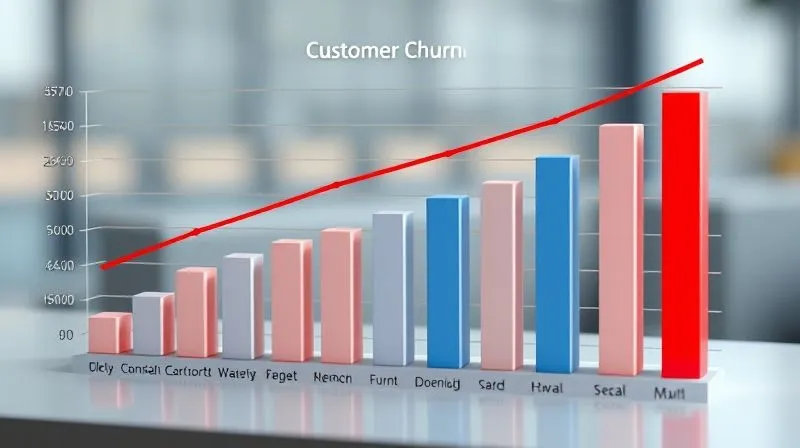
To give you a clearer picture, here's a table showing critical churn metrics you should be tracking and their typical impact:
| Metric | Definition | Impact on Business |
|---|---|---|
| Churn Rate | Percentage of customers lost over a period | Direct revenue loss, reduced LTV |
| Customer Lifetime Value (LTV) | Total revenue expected from a customer | Indicates long-term profitability, guides acquisition spend |
| Repeat Purchase Rate | Percentage of customers making multiple purchases | Sign of customer loyalty and satisfaction |
| Average Order Value (AOV) | Average amount spent per order | Influences overall revenue and profitability |
| Net Promoter Score (NPS) | Measures customer loyalty and willingness to recommend | Predicts future growth and advocacy |
Segmenting At-Risk Customers: Who's About to Leave?
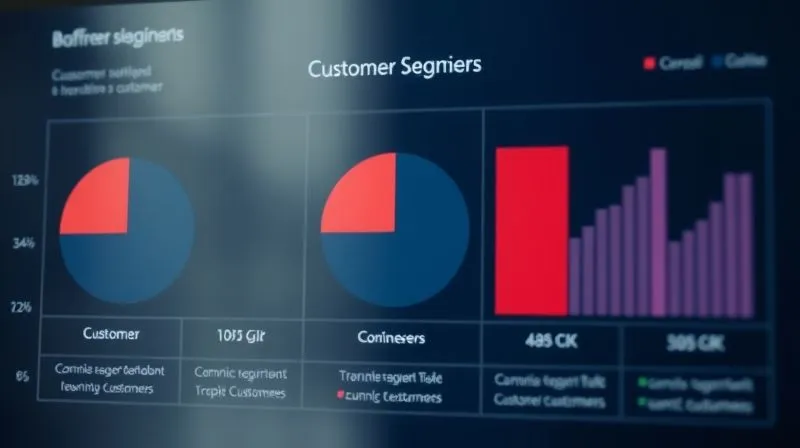
Once you have your diagnostic data, the next crucial step is to identify which customers are on the verge of churning. This isn't about waiting for them to leave; it's about proactive intervention. My approach focuses on creating distinct segments of 'at-risk' customers so you can tailor your retention efforts effectively.
Identifying Early Warning Signs
In my years, I've learned that customers rarely churn without leaving a trail of breadcrumbs. These are the early warning signs that, if detected and acted upon, can prevent a departure. Behavioral cues are often the most telling indicators.
- Decreased Engagement: A sudden drop in product usage, website visits, or interaction with your emails/app.
- Cart Abandonment: Repeatedly adding items to a cart but not completing the purchase, especially if they were previously consistent buyers.
- Increased Support Tickets for Negative Issues: While some support tickets are natural, a surge in complaints or unresolved issues is a red flag.
- Non-renewal of Subscriptions/Memberships: For subscription businesses, declining auto-renewal or explicit cancellation attempts.
- Lack of Response to Personalized Offers: Ignoring communications that were previously effective.
- Negative Feedback: Low ratings on surveys, negative social media mentions, or direct complaints.
Demographic factors can also play a role, but behavioral indicators are often more immediate and actionable. By combining these, you can build a robust predictive model for churn. For instance, a customer who hasn't purchased in 60 days, has stopped opening emails, and recently had a negative support interaction is clearly at high risk.
Rapid CX Enhancement: Fixing the Friction Points
Customer experience (CX) is the battleground for retention in the B2C world. A seamless, enjoyable experience not only prevents churn but also fosters loyalty. This phase, typically spanning days 16-30, is about identifying and rapidly rectifying the most glaring friction points in your customer journey.
Optimizing the Onboarding Journey (Days 16-30)
The first impression is often the lasting impression. A clunky or confusing onboarding process is a primary driver of early churn, especially for new customers. I've seen countless businesses lose new users simply because they weren't guided effectively through the initial stages of product or service adoption.
- Map the Current Onboarding Flow: Document every step a new customer takes, from account creation to first successful use or purchase.
- Identify Bottlenecks: Where do customers drop off? Are there too many steps? Is the language unclear?
- Simplify and Guide: Reduce unnecessary steps. Use clear, concise instructions. Implement in-app tutorials, welcome email series, or explainer videos.
- Personalize the Welcome: Greet customers by name. Tailor initial recommendations based on their stated preferences or initial actions.
- Offer Immediate Value: Show them how to achieve their first 'win' quickly. For an e-commerce store, this might be a personalized product recommendation; for a service, it could be a quick setup guide.
Streamlining Support & Communication
Excellent customer support isn't just about resolving issues; it's about building trust and demonstrating that you value your customers. A frustrating support experience can quickly push an otherwise happy customer towards churn. Proactive support is a game-changer.
- Multi-Channel Availability: Ensure customers can reach you through their preferred channels – phone, email, chat, social media.
- Rapid Response Times: Aim for swift responses, especially for urgent inquiries. Set clear expectations for response times.
- Empower Support Agents: Give your team the tools and authority to resolve issues on the first contact whenever possible.
- Proactive Communication: Don't wait for problems. Inform customers about outages, delays, or new features before they discover them.
- Collect Feedback on Support: Implement quick surveys after interactions to continuously improve your support quality.
As Harvard Business Review highlights, customers who have an effortless experience are more likely to remain loyal. This extends beyond just solving problems to preventing them in the first place.
Personalization at Scale: Making Every Customer Feel Valued
In today's crowded B2C market, generic experiences simply don't cut it. Customers expect businesses to understand their individual needs and preferences. This phase, often overlapping with CX enhancements, focuses on leveraging data to deliver personalized experiences that resonate deeply, making customers feel seen and valued.
Leveraging Customer Data for Tailored Experiences
Personalization goes far beyond adding a customer's first name to an email. It’s about anticipating needs, offering relevant solutions, and creating a journey that feels uniquely crafted for them. This is where your diagnostic data truly shines.
- Personalized Product Recommendations: Based on past purchases, browsing history, and similar customer profiles.
- Tailored Offers and Promotions: Discounts on items they've shown interest in, or exclusive access to products relevant to their demographic or past behavior.
- Customized Content: Delivering blog posts, guides, or videos that address their specific interests or pain points.
- Behavioral Triggered Communications: Sending emails or notifications based on specific actions (e.g., 'You left something in your cart!', 'Here's a tutorial on the feature you just used').
- Localized Experiences: Adapting language, currency, and even product availability based on geographic location.
As marketing guru Seth Godin often says, "Don't find customers for your products. Find products for your customers." This philosophy is the bedrock of effective personalization. A Forbes article emphasizes that personalization is no longer a luxury but a fundamental expectation.

Re-Engagement & Win-Back Strategies: Bringing Them Back
Even with the best retention efforts, some customers will inevitably become inactive or churn. The good news is that these customers aren't necessarily lost forever. This phase, typically encompassing days 31-60, focuses on strategic, targeted efforts to re-engage lapsed customers and win back those who have already churned.
Targeted Campaigns for Lapsed Customers (Days 31-60)
A 'lapsed customer' is an at-risk customer who has stopped engaging but hasn't explicitly churned yet. These are prime candidates for re-engagement. Your data from the diagnostic phase will tell you who they are and what might motivate them.
- "We Miss You" Campaigns: A series of emails or messages that acknowledge their absence and offer a compelling reason to return (e.g., a special discount, new product announcement, or reminder of benefits).
- Feedback Requests: Sometimes, simply asking "Why did you leave?" or "What can we do better?" can open a dialogue and provide invaluable insights, often accompanied by a small incentive.
- Exclusive Content or Early Access: Offer a sneak peek at an upcoming feature or product that might rekindle their interest.
- Customer Service Outreach: For high-value lapsed customers, a personal phone call or email from a customer success manager can be highly effective.
- Retargeting Ads: Use targeted advertising on social media or search engines to remind them of your brand and current offers.
Case Study: How ConnectWell Services Halved Their Churn
ConnectWell Services, a mid-sized online coaching platform, faced a daunting 25% monthly churn rate among its subscription users. Their initial problem was a lack of personalized follow-up after the trial period. By implementing a three-step re-engagement cycle, they saw dramatic results. First, they segmented lapsed users by their last active coaching session. Second, they deployed a personalized email sequence that highlighted the specific benefits relevant to their past engagement and offered a 20% discount on their next month. Third, for users who didn't respond, a customer success agent made a personal call, offering a free 15-minute consultation. This proactive, multi-channel approach reduced their monthly churn to 12% within 75 days, significantly boosting their LTV and subscriber base.
Building Loyalty: Beyond the Transaction
True churn reduction isn't just about preventing departures; it's about fostering deep, enduring loyalty. This phase focuses on creating a relationship with your customers that extends beyond individual transactions, making them advocates for your brand. This strategy is crucial for long-term B2C success.
Creating Community and Value-Added Content
Loyalty isn't bought; it's earned through consistent value and connection. I've found that businesses that successfully build a sense of community around their brand experience significantly lower churn rates.
- Loyalty Programs: Implement tiered rewards programs that offer increasing benefits for continued engagement and spending. Think points, exclusive discounts, early access, or VIP support.
- Exclusive Content & Resources: Provide valuable content (webinars, guides, tutorials) that is only available to your customers, positioning you as an expert and resource.
- Community Forums/Groups: Create spaces (online forums, social media groups, Discord servers) where customers can connect with each other and your brand, share experiences, and get support.
- Solicit User-Generated Content: Encourage customers to share their experiences with your products/services. Feature them on your social media or website.
- Surprise & Delight: Unexpected gestures, like a small gift, a personalized thank-you note, or an exclusive preview, can create memorable moments that build strong emotional connections.
“Loyalty is the cornerstone of sustainable growth. Invest in relationships, not just transactions.”
Building a strong brand community not only reduces churn but also turns customers into powerful brand ambassadors. As a Harvard Business Review article points out, truly loyal customers are those who act as advocates, not just repeat purchasers.
Feedback Loops: Listening, Learning, and Adapting
You can't fix what you don't understand. Continuous feedback is the lifeblood of churn reduction. This phase, typically days 61-90, is about establishing robust systems to listen to your customers, analyze their input, and rapidly adapt your strategies based on their evolving needs and pain points.
Implementing Continuous Feedback Mechanisms (Days 61-90)
I always emphasize that feedback isn't a one-time event; it's an ongoing conversation. Setting up effective feedback loops allows you to catch issues before they escalate and to continuously refine your customer experience, directly impacting your ability to reduce B2C customer churn within 90 days and beyond.
- Net Promoter Score (NPS) Surveys: Regularly ask customers "How likely are you to recommend us to a friend or colleague?" Follow up with open-ended questions to understand their rating.
- Customer Satisfaction (CSAT) Surveys: After key interactions (e.g., support, purchase, onboarding), ask for a quick satisfaction rating.
- Exit Surveys: For customers who do churn, provide a brief, easy-to-complete survey asking for their reasons for leaving. This is gold for identifying systemic issues.
- Social Listening: Monitor social media, review sites, and forums for mentions of your brand. Tools can help you track sentiment and identify trends.
- Direct Feedback Channels: Make it easy for customers to submit suggestions or complaints directly through your website or app.
- Employee Feedback: Your frontline employees (sales, support) have invaluable insights into customer pain points. Create channels for them to share observations.
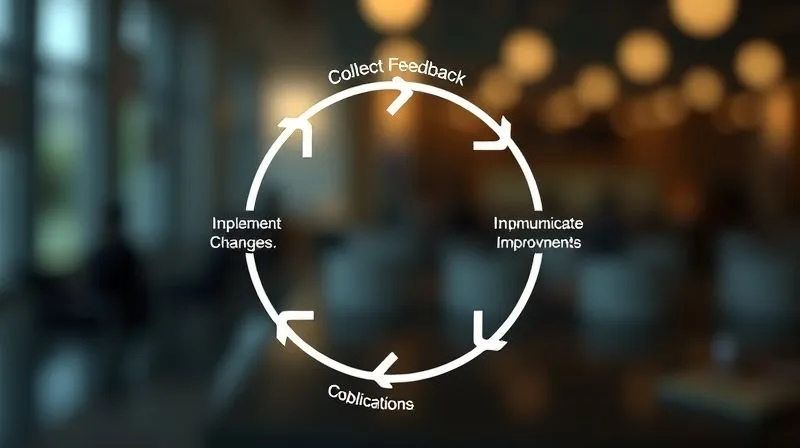
Once you collect feedback, the crucial step is to analyze it, identify recurring themes, and prioritize actions. Don't just collect data; act on it. Close the loop by communicating to customers how their feedback led to changes.
Measuring Success & Iterating: The Continuous Improvement Cycle
The 90-day churn reduction sprint isn't a finish line; it's the start of a continuous journey. This final phase focuses on rigorously measuring the impact of your efforts and establishing a culture of ongoing optimization. You need to know if your strategies are working to effectively reduce B2C customer churn within 90 days, and what adjustments are needed for the future.
Tracking Your 90-Day Impact
At the end of your 90-day period, you should have clear data points to evaluate your success. Revisit the baseline metrics you established in the diagnostic phase and compare them against your current performance.
- Churn Rate Reduction: This is your primary metric. Has your overall churn rate decreased? By how much?
- Customer Lifetime Value (LTV) Increase: Are your retained customers now spending more or staying longer?
- Repeat Purchase Rate Improvement: Are more customers making multiple purchases?
- NPS/CSAT Scores: Have your customer satisfaction and loyalty scores improved?
- Engagement Metrics: Are customers more active on your platform, opening more emails, or interacting more with your content?
- Feedback Trends: Are the themes in your customer feedback shifting from negative pain points to positive suggestions or praise?
It's vital to remember that not every initiative will yield immediate, dramatic results. Some changes require time to manifest their full impact. The key is to track consistently and attribute changes where possible.
The Power of A/B Testing
To ensure your efforts are truly optimized, A/B testing is indispensable. Whether it's a new onboarding flow, a re-engagement email subject line, or a personalized offer, always test different variations to understand what resonates best with your audience. This iterative approach allows for continuous improvement and helps refine your understanding of what drives your customers to stay.
Tools for marketing analytics and customer behavior tracking are crucial here. Platforms like Google Analytics, Mixpanel, and dedicated A/B testing tools can provide the insights needed to make data-driven decisions. For more on effective testing, refer to resources from leading marketing analytics firms, such as Optimizely.
Frequently Asked Questions (FAQ)
Is 90 days realistic for significant churn reduction? Absolutely. While completely eliminating churn is unrealistic, a focused 90-day sprint, as outlined, can yield significant reductions in your B2C customer churn rate. My experience shows that rapid, data-driven interventions in CX, personalization, and re-engagement can stabilize a leaky bucket quickly, often leading to a 10-20% reduction within this timeframe. The key is urgency and precise execution.
What if my budget is limited for these initiatives? Many of the strategies I've discussed don't require massive budgets. Focusing on optimizing existing processes (like onboarding emails or support scripts), leveraging free analytics tools, and personalizing communications can be done cost-effectively. Start with the highest impact, lowest cost changes identified in your diagnostic phase. A simple, well-crafted 'we miss you' email costs virtually nothing but can bring back lost revenue.
How do I know why customers are leaving? This is precisely why the diagnostic and feedback loop phases are critical. By analyzing behavioral data (e.g., sudden drop in usage), qualitative feedback (support tickets, reviews), and especially exit surveys, you can pinpoint the primary drivers of churn. It's often a combination of poor experience, unmet expectations, or a lack of perceived value.
Should I focus more on acquisition or retention? While acquisition is vital for growth, retention is often more profitable. Acquiring a new customer can cost 5-25 times more than retaining an existing one, and a 5% increase in retention can boost profits by 25-95% (according to Bain & Company). For urgent churn situations, prioritize retention to stabilize your base, then balance it with acquisition for sustainable growth.
What's the biggest mistake B2C businesses make regarding churn? The biggest mistake I've observed is inaction or a reactive approach. Many businesses wait until churn becomes a crisis before addressing it, or they implement generic solutions without understanding their specific customer data. Churn management must be proactive, data-driven, and embedded in the company culture, not just a periodic task. Ignoring the early warning signs is a costly oversight.
Key Takeaways and Final Thoughts
Addressing urgent B2C customer churn within 90 days requires a methodical, aggressive, and empathetic approach. It’s a sprint, not a marathon, but the principles you establish will lay the groundwork for long-term customer loyalty. Here are the critical takeaways:
- Diagnose Relentlessly: Use data to understand who is churning and why. Don't guess.
- Act Swiftly on CX: Optimize your customer experience, especially onboarding and support, to eliminate friction.
- Personalize Everything: Make customers feel seen and valued through tailored communications and offers.
- Re-engage Proactively: Don't let lapsed customers simply drift away; implement targeted win-back campaigns.
- Build Deep Loyalty: Go beyond transactions by fostering community and providing continuous value.
- Listen and Adapt: Establish robust feedback loops to continuously learn and iterate on your strategies.
The journey to reduce B2C customer churn within 90 days is challenging, but immensely rewarding. By following this expert-driven framework, you're not just plugging leaks; you're building a stronger, more resilient customer base that will fuel your growth for years to come. Embrace the urgency, commit to the process, and watch your customer relationships transform from tenuous to tenacious. Your customers, and your bottom line, will thank you for it.
Recommended Reading
- How to Repair Brand Reputation: 7 Steps to Recover After a Major PR Blunder
- Measuring True ROI of Strategic Advisory Services: A 7-Step Framework
- Franchise Agreement Termination Rights: Know Your Exit Strategy
- 5 Strategies: Maintain Profit Margins When Clients Demand Discounts
- 7 Proven Ways to Shatter Ideation Groupthink for Novel Ideas





Comments
Leave a comment below. Your email will not be published. Required fields marked with *