


Urgent: How to Secure Prime Franchise Location with Limited Budget?
For over two decades in the dynamic world of franchising and commercial real estate, I've witnessed countless aspiring entrepreneurs and seasoned franchisees grapple with a universal, often paralyzing challenge: how to secure a prime location when financial resources are tight. It’s a recurring theme that keeps many from realizing their business dreams, a formidable barrier that seems insurmountable.
The conventional wisdom often dictates that prime locations come with premium price tags, immediately sidelining those operating with a limited budget. This perception can lead to frustration, compromise on less-than-ideal sites, or even the abandonment of a promising franchise venture altogether. The pressure to make the right choice, coupled with financial constraints, creates a truly urgent dilemma.
But what if I told you that securing a truly valuable franchise location isn't solely about the deepest pockets? In this definitive guide, I will share battle-tested strategies, expert insights, and actionable frameworks that empower you to bypass conventional limitations. We'll explore innovative approaches, leverage technology, and delve into negotiation tactics that will help you solve the urgent problem of how to secure prime franchise location with limited budget, turning what seems like an obstacle into a strategic advantage.
Redefining 'Prime': It's Not Always About Main Street
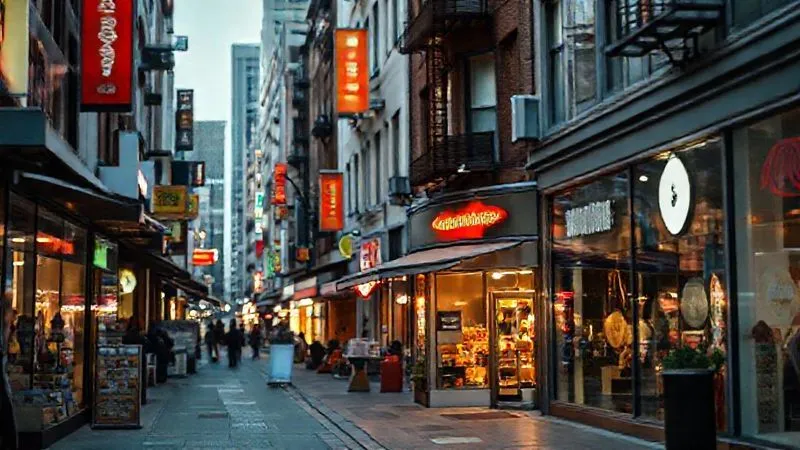
When we talk about a 'prime' franchise location, many immediately picture a bustling high street or a coveted corner in a high-traffic mall. While these can indeed be excellent, they are also often prohibitively expensive. My experience has taught me that 'prime' is subjective and profoundly tied to your specific franchise model and target demographic.
Data-Driven Demographics & Psychographics: Beyond Foot Traffic
The first step in securing a valuable location on a budget is to redefine what 'prime' means for your business. This isn't just about raw foot traffic; it's about relevant foot traffic and accessibility to your ideal customer. A high-end boutique coffee shop needs a different 'prime' than a quick-service auto repair franchise.
Utilize demographic data to understand income levels, age groups, household composition, and educational attainment. Psychographic data reveals lifestyle choices, spending habits, and brand affinities. Platforms like Esri Business Analyst or even free government census data can provide invaluable insights. Look for areas where your target customer lives, works, and plays, even if it's not the most obvious, expensive spot.
"A prime location isn't just where the most people are; it's where the right people for your business are, willing and able to become your customers."
The Power of Proximity & Co-tenancy: Strategic Neighbors
Sometimes, a location becomes 'prime' not by its individual merit, but by its neighbors. Co-tenancy with complementary businesses can significantly boost your visibility and customer base without the exorbitant rent of a standalone flagship spot. Think about a juice bar next to a gym, or a pet supply store near a dog park.
Actionable Steps for Proximity Analysis:
- Identify Complementary Businesses: List 5-10 types of businesses that attract your target demographic.
- Map Existing Clusters: Use online mapping tools to identify areas where these businesses are already concentrated.
- Analyze Traffic Flow: Observe pedestrian and vehicular traffic patterns around these clusters at different times of day.
- Assess Synergy: Consider how your franchise would genuinely benefit from the existing customer flow and vice versa.
Leveraging Technology for Smart Site Selection on a Budget
In the past, extensive market research required significant capital and time. Today, a wealth of data and analytical tools are accessible, democratizing the site selection process. This is crucial for anyone asking, "Urgent: how to secure prime franchise location with limited budget?"
Geospatial Analytics & AI Tools: Precision Targeting
Modern geospatial analytics platforms can process vast amounts of data, from demographic shifts to competitor locations, traffic patterns, and even social media sentiment. While enterprise-level tools can be pricey, many scaled-down versions or open-source alternatives offer powerful capabilities. These tools allow you to visualize data on a map, identifying underserved areas or 'hot zones' that might be overlooked by competitors.
AI-driven tools can predict sales performance based on various location attributes, helping you quantify the potential return on investment for a site before committing. This predictive power is invaluable for risk mitigation, especially when every dollar counts.
Predictive Modeling for Future Growth: Spotting the Next Hotspot
Don't just look at where the market is now; anticipate where it's going. Urban development plans, new housing projects, infrastructure improvements, and zoning changes can transform an unassuming area into a future prime location. Government websites, local planning departments, and community forums are rich sources of this forward-looking data. Identifying these emerging hotspots early allows you to secure a location at a lower cost before demand drives prices up.
| Data Point | Budget Tool | Benefit |
|---|---|---|
| Demographic Growth Projections | Census Bureau, Local Planning Dept. | Identifies future customer base expansion. |
| Competitor Density Analysis | Google Maps, Industry Reports | Reveals market saturation and gaps. |
| Traffic Count & Accessibility | DOT Data, Manual Observation | Measures visibility and ease of access. |
| Zoning & Permitting Costs | City/County Planning Office | Uncovers hidden regulatory expenses. |
Creative Lease Negotiation Tactics: Beyond the Asking Price
The listed rent is rarely the final rent. Negotiation is an art, and for those with a limited budget, it's a critical skill. This is where you truly address the 'urgent' aspect of securing a prime location.
The Art of the 'Win-Win' Lease: Value Beyond Dollars
Landlords are often more flexible than you might think, especially in a competitive market or for a desirable tenant. Don't just focus on the monthly rent. Consider the entire lease package. Could you negotiate a longer rent-free build-out period? A graduated rent structure where rent increases over time as your business grows? Options for early termination or expansion? These clauses can significantly reduce your initial financial burden.
Highlight the value your franchise brings: increased foot traffic for other tenants, a reputable brand, long-term stability. A landlord might prefer a slightly lower rent from a stable, high-quality tenant over a higher rent from a risky one.
Short-Term Leases & Pop-Up Potential: Test the Waters
Committing to a long-term lease in an unknown area can be risky. Explore short-term lease options, often available in malls or commercial centers looking to fill vacant spaces. Pop-up shops or kiosks allow you to test a location's viability, gather data, and build brand awareness with minimal commitment. If successful, this trial period strengthens your position for negotiating a longer-term, more favorable lease in the same or a nearby location.
Case Study: How "Brew & Bloom" Secured Their First Prime Spot
"Brew & Bloom," a nascent artisan coffee and floral shop franchise, faced the urgent challenge of finding a prime location in a bustling urban area with a modest budget. They identified a small, vacant space in a high-traffic arts district, adjacent to a popular independent bookstore. The asking rent was just beyond their means.
Instead of walking away, their franchisee, Sarah, proposed a unique lease structure: a six-month trial lease at 70% of the asking rent, with an agreement to transition to a full five-year lease at 90% of the original asking rent if sales targets were met. She also offered to invest in a bespoke outdoor seating area that would enhance the entire block's appeal, including the bookstore's frontage. The landlord, initially hesitant, saw the potential for increased foot traffic for his other tenants and the aesthetic improvement. Sarah also negotiated a two-month rent-free period for build-out, significantly easing her upfront costs. By demonstrating her commitment and the value her business would bring, Sarah secured a truly prime location that quickly became a local favorite, proving that strategic negotiation can overcome budget limitations.
The Power of Partnership & Collaboration: Shared Success
In a resource-constrained environment, collaboration can unlock opportunities that are inaccessible alone. This collaborative mindset is essential when pondering 'Urgent: how to secure prime franchise location with limited budget?'.
Co-Brokering & Shared Spaces: Innovative Solutions
Consider sharing a space with a complementary business. A bakery and a coffee shop, a yoga studio and a health food store, or even two different franchise concepts under the same roof. This significantly reduces rent, utilities, and even staffing costs. Explore co-brokering agreements where you might share a commercial space with another business that operates during different hours, maximizing the property's utility.
I've seen innovative arrangements where a breakfast/lunch franchise shares space with a dinner-only restaurant, effectively halving their rent burden while doubling the property's earning potential for the landlord. This requires careful planning and legal agreements, but the financial benefits can be immense.
Franchisee Networks & Local Insights: Tap into Collective Wisdom
Your franchisor's network, and especially other franchisees, can be an invaluable resource. They've navigated similar challenges and possess firsthand knowledge of specific markets, landlords, and negotiation tactics. Don't underestimate the power of local insights from those already on the ground. A fellow franchisee might know of an upcoming vacancy, a landlord open to flexible terms, or a hidden gem of a location.
Actively participate in franchisee forums, regional meetings, and industry events. These connections can lead to unexpected opportunities and partnerships that are impossible to find through traditional channels. The International Franchise Association (IFA) is an excellent resource for networking and industry insights.
Unconventional Locations with High Potential
Sometimes, the best solution to securing a prime location with a limited budget lies in thinking entirely outside the traditional retail box. These are the hidden gems that many overlook.
Non-Traditional Venues: Beyond the Strip Mall
Airports, hospitals, universities, corporate campuses, train stations, and even large grocery stores are increasingly open to hosting smaller, specialized franchise units. While these locations often have their own set of rules and higher per-square-foot costs, they offer captive audiences with specific needs and high foot traffic. The key is to find a franchise concept that perfectly aligns with the venue's environment and consumer base.
For instance, a healthy snack franchise might thrive in a hospital lobby, while a quick-service tech repair shop could be ideal on a university campus. These locations often come with built-in customer bases and reduced marketing needs, offsetting the potentially higher rent.
Repurposing Underutilized Spaces: Visionary Opportunities
Look for spaces that aren't traditionally considered commercial goldmines but have the potential for transformation. Think about old warehouses, forgotten basements in historic buildings, or even unused corners in larger retail stores. With creative design and smart layout, these spaces can be converted into unique, character-filled franchise locations at a fraction of the cost of new builds or traditional retail spaces.
Consider the growing trend of ghost kitchens or dark stores for food franchises, where the focus is purely on delivery and takeout, eliminating the need for expensive front-of-house space. This drastically reduces the real estate footprint and associated costs, making a prime operational zone affordable.

Financial Acumen: Budgeting & Funding Strategies
Even with creative site selection and negotiation, managing your finances remains paramount. Understanding your true costs and exploring alternative funding can make or break your ability to secure a prime location.
Understanding Your True Location Costs: Beyond Rent
Rent is just one component of your location expenses. You must factor in property taxes, insurance, common area maintenance (CAM) fees, utility costs, build-out and renovation expenses, permitting fees, and security deposits. A common mistake is underestimating these 'hidden' costs, which can quickly erode a limited budget. Always request a detailed breakdown of all associated fees during lease negotiations.
Actionable Steps for Cost Analysis:
- Request a Full Pro Forma: Ask the landlord or broker for a comprehensive financial breakdown of all costs associated with the space.
- Consult an Accountant: Have a professional review the lease terms and associated costs to identify any potential pitfalls or hidden fees.
- Get Multiple Bids for Build-Out: Don't rely on a single contractor. Obtain at least three competitive bids for any necessary renovations or tenant improvements.
- Budget for Contingencies: Always allocate an additional 10-15% of your total budget for unexpected expenses.
Exploring Alternative Financing Options: Beyond Traditional Loans
When traditional bank loans for real estate seem out of reach, explore alternatives. Small Business Administration (SBA) loans often have more flexible terms and lower down payments. Consider crowdfunding platforms, microloans, or even negotiating with your franchisor for potential assistance or preferred vendor relationships that can reduce build-out costs.
Some landlords, especially for smaller spaces, might be open to a "lease-to-own" arrangement or provide tenant improvement allowances (TIAs) in exchange for a longer lease term. These creative financial structures can significantly ease the upfront capital required to get into a prime spot.
| Cost Category | Budget Impact | Mitigation Strategy |
|---|---|---|
| Base Rent | Primary monthly expense. | Negotiate graduated rent, short-term lease. |
| CAM Fees & Property Taxes | Often overlooked, can be substantial. | Cap increases, negotiate exclusions. |
| Build-Out/Renovation | Significant upfront capital. | Tenant improvement allowance, modular design. |
| Utilities & Insurance | Ongoing operational costs. | Energy-efficient systems, shop for insurance. |
Building Relationships: Brokers, Landlords, and Community
The human element is often underestimated in real estate. Strong relationships can open doors and create opportunities that money alone cannot buy. This is particularly true when you're asking, "Urgent: how to secure prime franchise location with limited budget?"
The Value of a Specialist Franchise Broker: Your Advocate
A commercial real estate broker specializing in franchising can be an invaluable asset, especially when you have a limited budget. They have access to off-market listings, understand local market dynamics, and possess negotiation expertise. Crucially, their fees are typically paid by the landlord, making their services accessible to you without direct cost.
A good broker acts as your advocate, identifying suitable locations that align with your budget and franchise requirements, and negotiating on your behalf to secure the best possible terms. They can help you sift through the noise and focus on genuine opportunities, saving you immense time and potential costly mistakes. As Harvard Business Review often highlights, effective negotiation is about understanding interests, not just positions.
Cultivating Landlord Relationships: Beyond the Transaction
A positive relationship with your potential landlord can yield long-term benefits. Be transparent about your budget and business plan. Showcase your franchise's stability, your personal experience, and your vision for the space. A landlord who believes in you and your business might be more willing to offer concessions or flexible terms.
I've seen landlords prefer a tenant with a strong business plan and a clear vision, even if their initial offer is slightly lower, over a tenant who seems unstable or difficult. Building this rapport from the outset can lead to a more supportive and collaborative landlord-tenant dynamic throughout your lease term.

Due Diligence: Mitigating Risks on a Budget
When operating with a limited budget, every decision carries amplified risk. Thorough due diligence isn't just a recommendation; it's a necessity to protect your investment.
Thorough Market Research: Beyond Surface-Level Data
While we touched on data earlier, it bears repeating: dig deep. Don't just look at average rents; understand why some properties are cheaper. Is there a planned construction project that will block access? Are there hidden environmental concerns? Are local regulations particularly onerous for your type of business? This level of detail requires more than just online searches; it demands on-the-ground investigation.
Spend time in the prospective neighborhood at different times of day and week. Observe customer behavior, competitor activity, and local amenities. Talk to other local business owners to gauge the community's economic health and sentiment. This qualitative research complements your quantitative data and provides invaluable context.
Legal & Regulatory Navigation: Avoiding Costly Surprises
Before signing any lease, have it thoroughly reviewed by an attorney specializing in commercial real estate. They can identify unfavorable clauses, potential liabilities, and ensure compliance with local zoning laws, building codes, and franchise agreement requirements. The cost of legal review pales in comparison to the potential expenses of legal disputes or non-compliance down the line.
Understand all local permitting and licensing requirements for your specific franchise concept. These can vary significantly by municipality and can involve unexpected costs or delays. Proactive engagement with local government offices can prevent costly surprises and ensure a smooth opening process.

Frequently Asked Questions (FAQ)
Q: Is it truly possible to find a 'prime' franchise location with a very tight budget, or is it just wishful thinking? A: Absolutely, it's possible, but it requires a strategic redefinition of 'prime' and a proactive, creative approach. 'Prime' doesn't always mean the most expensive, high-visibility spot. It means the best location for your specific business to thrive, considering your target demographic, operational needs, and long-term goals. By leveraging data, innovative negotiation, and exploring unconventional spaces, you can indeed secure a highly valuable location that aligns with your budget. It's about smart choices, not just deep pockets.
Q: What's the biggest mistake franchisees make when trying to secure a location with limited funds? A: The most common mistake is focusing solely on the asking rent and neglecting the total cost of occupancy, including CAM fees, taxes, insurance, and build-out. Another critical error is failing to conduct thorough due diligence, leading to unexpected costs or choosing a location that doesn't genuinely serve their target market. Rushing into a decision without expert advice or comprehensive research is a recipe for long-term financial strain.
Q: How important is a commercial real estate broker if I'm trying to save money? A: A specialist commercial real estate broker is arguably even more important when you have a limited budget. Their fees are typically paid by the landlord, meaning their expertise comes at no direct cost to you. They have access to listings you won't find online, understand local market nuances, and are skilled negotiators who can secure better terms than you might on your own. They are your professional advocate and can save you significant money and time in the long run.
Q: Should I prioritize a lower rent over a slightly better location? A: This is a nuanced decision. A slightly lower rent in a significantly inferior location can be a false economy, as it might lead to lower sales, higher marketing costs to attract customers, and ultimately, business failure. Conversely, a slightly higher rent in a truly prime location (for your business) can pay dividends through higher foot traffic, better sales, and stronger brand visibility. The key is to run a detailed financial projection for each option, factoring in potential revenue and all associated costs, to determine the true ROI. Value should always trump simply 'cheap.'
Q: What are some immediate, actionable steps I can take today to start this process? A: Start by deeply analyzing your target customer and their habits. Research demographic and psychographic data for your desired operating areas. Connect with your franchisor's real estate team or other franchisees for local insights. Begin identifying potential commercial real estate brokers specializing in your market. And critically, create a detailed budget that goes beyond just rent, mapping out all potential location-related expenses.
Key Takeaways and Final Thoughts
Securing a prime franchise location with a limited budget is not merely a challenge; it's an opportunity for innovation, strategic thinking, and leveraging expert insights. As an experienced industry specialist, I've seen that success in this arena hinges on redefining what 'prime' truly means for your specific business, embracing technology for intelligent decision-making, and mastering the art of negotiation and collaboration.
- Redefine 'Prime': Focus on relevant demographics and co-tenancy, not just the highest traffic areas.
- Leverage Technology: Utilize geospatial analytics and predictive modeling to uncover hidden opportunities.
- Master Negotiation: Look beyond base rent; negotiate terms like build-out periods and graduated rent.
- Explore Partnerships: Consider shared spaces and tap into franchisee networks for collective wisdom.
- Think Unconventionally: Don't shy away from non-traditional or repurposed spaces.
- Practice Financial Acumen: Understand all location costs and explore alternative funding.
- Build Relationships: A specialist broker and good landlord rapport are invaluable assets.
- Conduct Thorough Due Diligence: Protect your investment with in-depth research and legal review.
The urgency to secure the right location can be daunting, but with the strategies outlined here, you're not just looking for a space; you're strategically crafting your business's foundation. Approach this journey with confidence, armed with knowledge, and remember that with smart planning and perseverance, your dream franchise location is within reach, even on a limited budget. Go forth and secure your success!
Recommended Reading
- Small Business Loan with Bad Credit? Here's The Secret!
- Innovation Strategy Not Delivering ROI? 7 Steps to Recalibrate
- Can't Pay Big? 7 Proven Strategies to Retain Startup Talent
- Restore Operations After Cyberattack: 5 Critical Steps for Rapid Recovery
- 5 Strategic Moves When a Disruptive Rival Threatens Your Core Business





Comments
Leave a comment below. Your email will not be published. Required fields marked with *