


What causes subscriber fatigue in luxury subscription boxes?
For over 15 years in the e-commerce and subscription box space, I've witnessed countless brands, even those with seemingly impeccable products, stumble and ultimately fail not because their offerings were poor, but because they neglected the delicate art of sustaining desire. The luxury subscription market, in particular, operates on an even finer margin of expectation and perceived value. It's a realm where a single misstep can transform anticipation into apathy, and loyalty into churn.
The problem isn't just about a subscriber canceling; it's about a deeper, insidious phenomenon known as subscriber fatigue. This isn't just buyer's remorse; it's a gradual erosion of excitement, a creeping sense of 'been there, done that,' even when the products themselves remain high-quality. In the luxury segment, where customers pay a premium for an elevated experience, this fatigue hits harder and faster, often leading to swift, silent cancellations.
In this definitive guide, I'll pull back the curtain on the core culprits behind what causes subscriber fatigue in luxury subscription boxes. We'll explore the often-overlooked psychological triggers, operational missteps, and strategic blind spots that lead to churn. More importantly, I'll arm you with actionable frameworks, real-world insights, and expert strategies to not only identify these issues but to proactively reignite desire, foster enduring loyalty, and ensure your luxury brand thrives.
The Core Illusion: When 'Luxury' Becomes Mundane
One of the most paradoxical causes of subscriber fatigue in the luxury sector is the very nature of luxury itself. When something exclusive becomes routine, its luster inevitably dulls. The initial thrill of receiving a curated box of premium items can quickly diminish if the experience isn't consistently refreshed and elevated.
The Diminishing Thrill of the Unboxing Experience
The unboxing experience is paramount in luxury. It's theater, it's anticipation, it's a moment of indulgent discovery. However, if every box, month after month, follows the exact same script—similar packaging, predictable product categories, no element of genuine surprise—the magic fades. Subscribers begin to see it as just another package, rather than a bespoke event.
I've observed brands invest heavily in initial packaging design, only to maintain it rigidly for years. While brand consistency is vital, the experience of unboxing needs dynamic elements. A static, predictable unboxing ritual, no matter how elegant initially, eventually contributes to the 'luxury' feeling mundane.

Over-saturation and Lack of Differentiation
The luxury subscription market has grown significantly, leading to increased competition. When numerous brands offer similar categories of premium goods—be it high-end skincare, gourmet foods, or exclusive fashion accessories—it becomes challenging for any single box to stand out. Subscribers, particularly those who try multiple services, can easily feel a sense of déjà vu.
Differentiation isn't just about the products; it's about the entire brand narrative and proposition. If your luxury box doesn't clearly articulate its unique value, its specific niche, or its compelling story, it risks blending into a sea of 'premium' offerings. As Harvard Business Review often emphasizes, true differentiation comes from a unique value proposition that resonates deeply with the target audience.
Value Erosion: Are Subscribers Getting Their Money's Worth?
Luxury subscribers are discerning. They understand that they are paying a premium, and they expect that premium to translate into exceptional value. When the perceived value of the box consistently falls short of the monetary investment, fatigue quickly sets in, leading to the question: what causes subscriber fatigue in luxury subscription boxes?
Misaligned Perceived Value vs. Actual Value
This is a critical disconnect. A brand might believe it's delivering significant value based on the retail price of the items included. However, if the subscriber doesn't *perceive* that value, it's irrelevant. Perceived value is subjective and influenced by factors like utility, brand prestige, exclusivity, and personal relevance. If a subscriber consistently receives items they don't need, can't use, or don't feel are truly 'luxury' for them, the value proposition crumbles.
For instance, a skincare box might include a high-end serum worth $100, but if the subscriber already has a preferred serum, or if the product isn't suitable for their skin type, its actual retail value means little. The key is to understand what your specific luxury demographic truly values, not just what carries a high price tag.
The 'Inventory Dump' Perception
Subscribers, especially in the luxury segment, are savvy. They can often discern when a box feels like a curated experience versus a way for the brand to offload excess or slow-moving inventory. The inclusion of samples that feel cheap, products nearing expiration, or items that are clearly out of season can severely damage the perception of exclusivity and intentionality.
This perception is a death knell for luxury brands. It suggests a lack of respect for the customer's investment and trust. The subscription model thrives on the promise of discovery and delight, not on being a clearinghouse for unwanted goods. Maintaining the perception of genuine curation and exclusivity is paramount.
| Metric | Subscriber Expectation | Actual Delivery (Fatigue Cause) |
|---|---|---|
| Perceived Value | High-end, exclusive, relevant | Generic, overstocked, irrelevant |
| Product Utility | Useful, desirable, high-quality | Unwanted, low-use, questionable quality |
| Brand Prestige | Reputable, aspirational brands | Unknown, discounted, low-tier brands |
| Overall Experience | Delightful, personalized, seamless | Predictable, impersonal, frustrating |
Personalization Pitfalls: One-Size-Fits-None in Premium Offerings
In the luxury market, personalization isn't a bonus; it's an expectation. Customers paying a premium expect their experience to be tailored, to feel unique to them. Generic offerings in a market that demands bespoke experiences are a primary driver of subscriber fatigue.
Generic Curation in a Bespoke Market
Many luxury subscription boxes fall into the trap of offering a few variations based on broad categories (e.g., 'light skin' vs. 'dark skin,' or 'fashionista' vs. 'minimalist'). While this is a start, it's often insufficient for the discerning luxury consumer. True personalization goes beyond basic demographic segmentation; it delves into individual preferences, past purchases, stated interests, and even aspirational desires.
The absence of deep, dynamic personalization makes each box feel less like a gift chosen specifically for them, and more like a mass-produced item. This lack of bespoke attention directly contributes to the feeling of 'why am I paying so much for this?' and is a major factor in what causes subscriber fatigue in luxury subscription boxes.
Data Blind Spots and Static Preferences
A common mistake I've observed is collecting preference data only at sign-up and then rarely, if ever, updating it. People's tastes evolve, their needs change, and their product preferences shift. A static preference profile leads to irrelevant product selections over time, making the box feel increasingly out of touch.
Brands need robust data collection and analysis mechanisms. This includes regular surveys, feedback prompts after each box, and leveraging AI to analyze engagement with specific products. Ignoring these evolving preferences is like trying to hit a moving target with a fixed aim; you're bound to miss eventually.
Case Study: How Opulent Goods Refined Personalization
Opulent Goods, a fictional high-end home decor subscription, faced a 25% churn rate after 6 months. Their initial personalization involved a simple style quiz. By implementing a dynamic feedback loop, including a 'rate your box' feature and optional monthly 'preference refresh' surveys, they gained deeper insights. They also introduced a 'style evolution' AI that suggested new items based on trending luxury decor and past positive ratings. Within a year, their churn dropped to 10%, and average subscriber lifetime value increased by 40%. This demonstrated the power of truly understanding and adapting to evolving subscriber tastes.
Communication Breakdown: The Silent Killer of Engagement
Even with perfect products, a lack of consistent, meaningful communication can lead to subscriber fatigue. Luxury customers expect clear, proactive, and engaging interactions that reinforce their decision to subscribe.
Lack of Proactive Engagement and Feedback Loops
Many brands only communicate when it's time to bill or ship. This transactional approach misses numerous opportunities to build rapport and demonstrate value. Proactive engagement means reaching out between boxes with exclusive content, sneak peeks, style tips, or invitations to special events. It's about making the subscriber feel like part of an exclusive community.
Equally important are robust feedback loops. Simply asking for feedback isn't enough; brands must *act* on it and visibly communicate those changes. When subscribers feel heard and see their input reflected in future boxes or services, it significantly boosts their sense of belonging and value.
Inconsistent Branding and Storytelling
Luxury brands thrive on consistent, compelling storytelling. Every touchpoint—from the website to the unboxing insert, to email communications—must reinforce the brand's unique narrative, values, and aesthetic. Inconsistencies, such as a beautifully designed box followed by generic, poorly written emails, create dissonance and erode trust.
The story behind the products, the artisans, the sourcing—these details add layers of luxury and exclusivity. When this storytelling is absent or inconsistent, the brand loses its soul, and the subscription becomes a mere delivery service, which is a key contributor to what causes subscriber fatigue in luxury subscription boxes.
Operational Hiccups: When Logistics Undermine Luxury
For luxury customers, the experience extends beyond the product itself to every interaction with the brand. Operational inefficiencies, while seemingly minor, can profoundly impact satisfaction and fuel subscriber fatigue.
Shipping Delays and Damaged Goods
Timely and pristine delivery is non-negotiable in luxury. A delayed box, or worse, one that arrives damaged, shatters the premium experience. It signals a lack of care and attention to detail that is antithetical to luxury. These issues don't just cause frustration; they actively diminish the perceived value of the entire subscription.
Investing in reliable logistics partners and robust packaging is not an area for cost-cutting in the luxury sector. It's an essential part of the value proposition. According to a Deloitte consumer survey, seamless delivery is a top expectation for premium consumers.
Inefficient Customer Service and Returns
When issues inevitably arise, the resolution process must be as luxurious as the products themselves. Slow response times, unhelpful agents, or complicated return policies are instant deal-breakers for high-end customers. They expect a concierge-level of service—proactive, efficient, and empathetic.
A difficult customer service experience can quickly negate all the positive sentiment built by high-quality products. It's often the last impression a customer has before deciding to cancel, illustrating how crucial service is to combating what causes subscriber fatigue in luxury subscription boxes.
The 'Paradox of Choice' and Product Overload
While abundance might seem appealing, too much choice or too many products can actually be detrimental, especially in a luxury context where curation implies thoughtful selection, not sheer volume.
Too Many Products, Too Little Utility
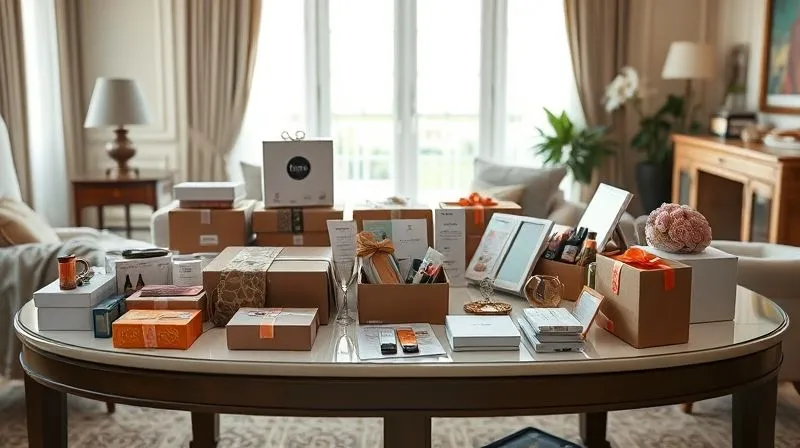
Some luxury boxes attempt to over-deliver by cramming numerous items into each shipment. However, if many of these items are small, redundant, or lack genuine utility for the subscriber, it creates a sense of overwhelm rather than delight. The 'more is better' philosophy often backfires, making the box feel less curated and more like a grab bag.
Luxury is often about quality over quantity, precision over proliferation. Subscribers want a few exceptional, highly relevant items, not a dozen mediocre ones. This 'paradox of choice' can lead to decision paralysis and a feeling that the box is generating clutter rather than value.
The Clutter Factor and Sustainability Concerns
Beyond utility, an excessive number of items can contribute to a feeling of clutter. Luxury consumers, particularly in today's climate, are increasingly mindful of sustainability and conscious consumption. Regularly receiving items they don't need or want can lead to guilt, waste, and a negative association with the brand.
Brands that prioritize thoughtful curation, perhaps even offering fewer, but undeniably exceptional and sustainable items, can resonate more deeply. This approach aligns with a growing desire for minimalist luxury and responsible consumption, countering a common reason what causes subscriber fatigue in luxury subscription boxes.
Pricing Pressure and Economic Sensitivity
The premium price point of luxury subscription boxes makes them inherently sensitive to economic shifts and the subscriber's ongoing perception of value for money.
Justifying the Premium Price Point
Luxury pricing isn't just about the cost of goods; it's about the perceived exclusivity, the brand story, the impeccable service, and the aspirational lifestyle it represents. If any of these elements falter, the justification for the premium price weakens significantly. Subscribers constantly evaluate whether the value they receive aligns with the price they pay.
Brands must continuously reinforce the value proposition through exceptional product curation, elevated experiences, and superior customer service. As marketing guru Seth Godin often says, 'People do not buy goods and services. They buy relations, stories, and magic.' For luxury, that magic must be consistently palpable.
The Impact of Economic Shifts on Discretionary Spending
Luxury subscriptions often fall into the category of discretionary spending. During economic downturns or periods of personal financial uncertainty, these are often the first services to be cut. Even affluent consumers become more scrutinizing of their expenditures during such times.
While brands can't control the economy, they can build stronger loyalty by demonstrating unwavering value and perhaps offering flexible subscription options or exclusive loyalty perks during challenging periods. This foresight can help mitigate churn when external pressures mount.
| Pricing Strategy | Retention Impact |
|---|---|
| Static Premium Pricing | High risk of churn if perceived value dips; vulnerable to economic shifts |
| Tiered Luxury Options | Offers flexibility, can retain customers at lower tiers during downturns |
| Value-Add Premium (e.g., exclusive access) | Stronger loyalty due to non-product benefits; justifies higher price |
| Dynamic Pricing (with loyalty rewards) | Encourages long-term commitment; rewards consistent subscribers |
Proactive Strategies to Combat Fatigue and Reignite Desire
Understanding what causes subscriber fatigue in luxury subscription boxes is only half the battle. The other half is implementing robust, forward-thinking strategies to not only prevent it but to actively foster enduring excitement and loyalty.
- Dynamic Personalization & Preference Evolution: Implement AI-driven algorithms that learn from every interaction, rating, and feedback point. Regularly prompt subscribers to update their preferences, perhaps with a gamified survey or a 'wishlist' feature. Introduce surprise elements within personalized selections to maintain novelty.
- Elevate the Unboxing Experience (Seasonally/Thematically): While maintaining brand consistency, introduce seasonal or thematic variations to your packaging and unboxing ritual. This could involve special inserts, unique tissue paper patterns, small branded extras, or even a different scent profile within the box. Make it an event, not just a delivery.
- Curate with Intent & Exclusivity: Focus on fewer, truly exceptional items. Partner with emerging luxury designers or artisans for exclusive collaborations. Provide rich storytelling about each product's origin, craftsmanship, and unique value. Avoid anything that feels like an inventory clear-out.
- Build a Premium Community & Content Hub: Create an exclusive online community, host virtual events (e.g., masterclasses with experts, product demos), or offer premium content (e.g., style guides, trend reports) accessible only to subscribers. This adds significant non-product value and fosters a sense of belonging.
- Proactive & Personalized Communication: Move beyond transactional emails. Send personalized recommendations, 'behind-the-scenes' glimpses, or early access to new products. Implement a dedicated concierge service for luxury subscribers, ensuring swift and personalized support.
- Surprise & Delight Moments: Periodically include an unexpected, small luxury gift, a handwritten note, or an exclusive discount code for a partner brand. These unannounced gestures can significantly boost positive sentiment and remind subscribers of the brand's appreciation.
- Iterate Based on Deep Feedback: Go beyond surface-level feedback. Conduct focus groups, one-on-one interviews, and A/B test new curation strategies. Be transparent about how subscriber feedback is shaping future boxes and services.
By focusing on these proactive strategies, brands can transform a transactional relationship into a deeply engaging partnership, ensuring that the luxury experience remains fresh, relevant, and utterly irresistible.

Frequently Asked Questions (FAQ)
How often should I refresh my luxury subscription box offerings to prevent fatigue? While the core concept can remain, the specific items and at least one 'surprise' element should ideally change monthly or quarterly, depending on your product category. More importantly, the *experience* of unboxing and the narrative around the products should feel fresh and intentional with each delivery. Consider thematic changes or exclusive collaborations to keep things exciting without a complete overhaul.
Is it better to offer fewer, more expensive items or more, slightly less expensive items in a luxury box? In the luxury segment, quality almost always trumps quantity. Subscribers paying a premium expect exceptionalism. It's generally better to offer fewer, truly high-value, exclusive, and perfectly curated items that resonate deeply, rather than a larger quantity of items that might feel generic or overwhelming. Focus on impact and perceived value per item.
How can AI help combat subscriber fatigue in luxury subscriptions? AI can be transformative. It can analyze past preferences, purchasing behavior, and feedback to predict future desires, enabling hyper-personalized curation. AI can also optimize inventory, identify potential churn risks early, and even personalize communication touchpoints, ensuring relevance and maintaining the 'bespoke' feel that luxury subscribers crave.
What role does sustainability play in preventing luxury subscriber churn? A significant one. Modern luxury consumers are increasingly conscious of ethical sourcing, environmental impact, and sustainable practices. Brands that demonstrate a genuine commitment to sustainability—through eco-friendly packaging, responsibly sourced products, or charitable partnerships—can build deeper loyalty and appeal to a broader segment of the luxury market, turning a potential concern into a strong brand differentiator. This directly addresses what causes subscriber fatigue in luxury subscription boxes by aligning with evolving values.
Should luxury subscription brands offer discounts or promotions to retain subscribers? While tactical discounts can sometimes prevent immediate churn, they should be used very judiciously in luxury. Over-reliance on discounts can devalue the brand and erode the perception of exclusivity. Instead, focus on offering 'value-adds' like exclusive early access to new products, invitations to private events, personalized complimentary upgrades, or unique loyalty rewards that reinforce the premium experience without cheapening the brand.
Key Takeaways and Final Thoughts
- Luxury is an Experience, Not Just a Product: The entire journey, from discovery to unboxing to ongoing engagement, must consistently reflect premium quality and thoughtful curation.
- Personalization is Paramount: Generic offerings will inevitably lead to fatigue. Invest in dynamic data collection and AI-driven curation to ensure every box feels uniquely tailored.
- Value Perception is Key: Continuously justify your premium price point through exceptional product quality, exclusivity, and an unparalleled service experience. Avoid any hint of 'inventory dumping.'
- Proactive Engagement Builds Loyalty: Consistent, meaningful communication and genuine feedback loops are crucial for fostering a sense of community and value beyond the physical goods.
- Operational Excellence Underpins Luxury: Seamless logistics and concierge-level customer service are non-negotiable foundations for maintaining trust and satisfaction.
Combating subscriber fatigue in luxury subscription boxes isn't about quick fixes; it's about a holistic, customer-centric approach that constantly innovates, listens, and delivers exceptional value. By understanding the nuanced expectations of your discerning audience and diligently applying these expert strategies, you can transform fleeting interest into enduring loyalty, ensuring your luxury brand not only survives but thrives in a competitive market. The key is to never let the extraordinary become ordinary, and always remember what causes subscriber fatigue in luxury subscription boxes and how to prevent it.
Recommended Reading
- 7 Ways Servant Leaders Ensure Accountability Without Micromanaging
- 5 Urgent Steps: What to Do When Your Small Business is Running Out of Cash?
- Rejected Deliverable? 7 Steps to Recover Your Project & Trust
- 7 Steps to Rapid Industry Expertise for Urgent Client Projects
- Mastering Your Financial Audit: The Ultimate Guide to Seamless Preparation




Comments
Leave a comment below. Your email will not be published. Required fields marked with *