


What Product Photography Techniques Prevent E-commerce Returns?
For over 15 years in the dynamic world of e-commerce, I've witnessed countless businesses soar and, unfortunately, many stumble. A common pitfall, often overlooked in the rush to market, is the silent killer of profitability: high return rates. Many entrepreneurs focus intensely on acquisition, only to see their hard-won customers disappear, along with their products, back to the warehouse.
The problem isn't just the direct cost of shipping and restocking; it’s the erosion of customer trust, the hit to your brand reputation, and the lost opportunity for repeat business. When a product doesn't meet a customer's expectations based on what they saw online, the journey ends in disappointment, and that disappointment often translates into a return.
In this definitive guide, I'll share the actionable frameworks and expert insights I've developed over years, specifically focusing on how strategic product photography can dramatically reduce your e-commerce returns. You'll learn not just *what* to do, but *why* it works, empowering you to build a visual strategy that fosters trust and drives customer satisfaction.
The Hidden Cost of Misleading Visuals: Why Returns Skyrocket
Before we dive into solutions, it's crucial to understand the root cause of many e-commerce returns: a significant gap between customer expectation and product reality. This gap is almost always a direct consequence of inadequate or misleading product photography. When images fail to accurately represent an item, customers receive something different from what they envisioned, leading to immediate dissatisfaction.
Think about it: online shoppers cannot touch, feel, or try on your products. Their entire purchasing decision rests on the visual information you provide. If that information is incomplete, distorted, or simply inaccurate, you're setting yourself up for failure. The financial implications are staggering, encompassing reverse logistics costs, lost revenue, damaged goods, and the intangible but significant cost of a tarnished brand image.
"In e-commerce, trust is the ultimate currency. Misleading visuals are a direct assault on that trust, leading to diminished loyalty and, inevitably, higher return rates."
According to a study published by Harvard Business Review, managing returns effectively can significantly impact profitability. They highlight that a key driver for returns is when products don't match customer expectations, which is precisely what superior product photography aims to prevent. Mastering product photography techniques prevent e-commerce returns by closing this expectation gap.
Mastering True-to-Life Representation: The Foundation of Trust
The cornerstone of reducing returns lies in presenting your products as accurately as possible. This isn't just about taking a 'good' photo; it's about meticulous attention to detail that replicates the in-store experience as closely as possible online.
1. Accurate Color and Texture Reproduction
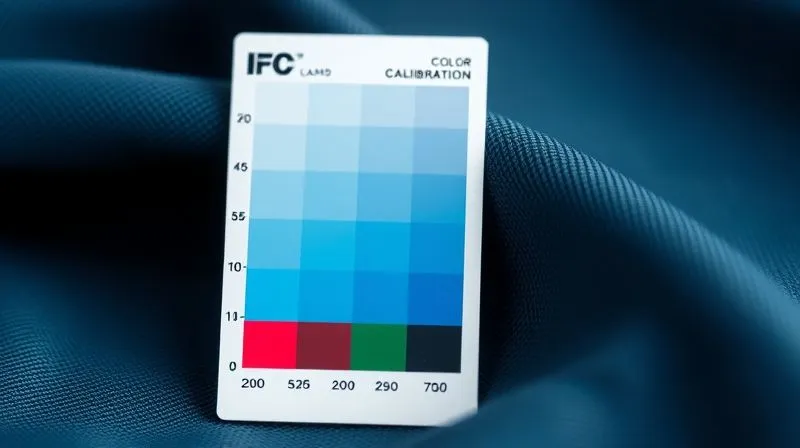
Color is one of the most common reasons for returns. What appears as a vibrant teal on your monitor might look like a dull blue on a customer's screen, or worse, in person. Achieving true-to-life color requires a systematic approach:
- Monitor Calibration: Ensure your editing monitor is regularly calibrated using professional tools. This is non-negotiable for consistent color accuracy.
- Consistent Lighting: Use controlled, neutral lighting (e.g., daylight-balanced continuous lighting) during your shoots. Avoid mixed light sources that can cast unwanted color shifts.
- White Balance: Always set a custom white balance for each shooting environment to ensure colors are rendered correctly.
- Reference Swatches: Include a color checker or a known color swatch in at least one reference shot for your product. While not always shown to customers, it aids in post-production color correction.
- Texture Clarity: For fabrics, wood, or other textured items, ensure your lighting highlights the material's tactile qualities. Use directional lighting to emphasize weaves, grains, and finishes.
2. Scale and Dimension Clarity
Another major culprit for returns is size discrepancy. Customers often struggle to visualize the actual size of an item from a flat image. Is that vase tiny or enormous? Is the handbag a clutch or a carry-all? You need to provide clear, unambiguous visual cues.
- Include Contextual Props: Always photograph products next to universally recognizable objects (e.g., a hand, a coin, a standard coffee cup) to provide a sense of scale. Avoid props that might distract or mislead.
- Model Shots: For apparel, accessories, or items meant to be worn or held, use models of varying sizes if appropriate. This helps customers visualize fit and scale on a human form.
- Dimension Overlays: Consider adding subtle graphical overlays directly onto an image, displaying key dimensions (height, width, depth) in a clear, non-intrusive way.
- Multiple Perspectives: Show the product from various angles, especially those that emphasize its depth and volume.
To further enhance clarity, I often recommend a simple table for key dimensions, ensuring no room for misinterpretation.
Beyond the Hero Shot: Comprehensive Visual Storytelling
While a stunning hero shot grabs attention, it's the comprehensive suite of images that truly informs and convinces. Think of your product photography as telling a complete visual story, leaving no questions unanswered.
1. Multiple Angles and 360-Degree Views
A single front-facing shot is simply not enough. Customers want to inspect every facet of a product, just as they would in a physical store. Providing multiple angles (front, back, sides, top, bottom) is the minimum requirement.
- Standard Angles: Ensure you have at least 5-7 distinct angles.
- 360-Degree Photography: This is where the magic happens. Allowing customers to rotate and inspect a product from every angle significantly boosts confidence and reduces perceived risk. Companies leveraging 360-degree views often report a noticeable drop in returns. Learn more about implementing this technology from resources like Shopify's guide on 360-degree product photography.
2. Lifestyle and In-Context Shots
While studio shots provide clarity, lifestyle photography provides aspiration and practical context. These images show the product being used in a real-world scenario, helping customers visualize themselves owning and benefiting from the item.
- Demonstrate Use: Show how the product fits into a customer's life. A backpack on a hiker, a piece of jewelry being worn, furniture in a styled room.
- Evoke Emotion: Good lifestyle shots connect emotionally, making the product more desirable and its value clearer.
- Clarify Scale and Function: Lifestyle shots inherently provide scale and demonstrate functionality in a natural way.

3. Close-Up Detail Shots
Quality is in the details. Close-up shots highlight the craftsmanship, materials, and unique features that might be missed in broader images. This is particularly crucial for luxury items, electronics, or products with intricate designs.
- Material Texture: Show the weave of a fabric, the grain of wood, the polish of metal.
- Unique Features: Highlight buttons, zippers, stitching, logos, or any distinctive design elements.
- Quality Assurance: These shots implicitly communicate the quality and attention to detail invested in the product.
"Every stitch, every seam, every texture tells a story of quality. If you don't show it, your customers can't appreciate it, and they might question the value."
Enhancing Transparency with Interactive and Informative Photography
The evolution of e-commerce allows for more than just static images. Leveraging interactive elements can further bridge the gap between online viewing and physical interaction, directly impacting how product photography techniques prevent e-commerce returns.
1. Interactive Product Configurators
For customizable products (e.g., furniture, shoes, electronics), configurators allow customers to see their exact selections (colors, materials, components) rendered in real-time. This eliminates guesswork and ensures the final product matches their personalized vision.
- Real-time Visualization: Customers can see their choices immediately.
- Reduced Errors: Minimizes returns due to incorrect configurations or misunderstandings.
2. Video Demonstrations and Explanations
A picture is worth a thousand words, but a video can be worth a thousand pictures. Product videos are incredibly effective for demonstrating functionality, scale, and the overall experience of using a product.
- Show, Don't Just Tell: Demonstrate how a product works, its key features in action, and how it feels to interact with it.
- Authenticity: Videos can convey a sense of realism that static images sometimes miss.
- Address Common Questions: Use video to answer FAQs about assembly, usage, or maintenance, proactively preventing potential issues.
Studies consistently show the power of video; for example, Wyzowl's annual video marketing statistics often report that video helps customers make purchase decisions and reduces support queries.
Case Study: Aura Apparel's Return Rate Revolution
Aura Apparel, a mid-sized online fashion retailer, struggled with a persistent 28% return rate, largely attributed to 'item not as described' and 'wrong size/fit' complaints. Their product pages featured standard front and back shots, but lacked depth. I advised them to implement two key strategies:
First, they invested in 360-degree photography for all new inventory, allowing customers to spin and zoom into garments. Second, they introduced short (30-60 second) video demonstrations for their premium lines, showing models of varying body types trying on the clothes, highlighting fabric drape and movement.
Within six months, Aura Apparel saw their overall return rate drop to 18%, a 10-point reduction that significantly boosted their profitability and customer satisfaction scores. The investment in advanced product photography paid for itself many times over, proving that these product photography techniques prevent e-commerce returns effectively.
Technical Excellence: Lighting, Composition, and Post-Production
Even with the best strategy, execution matters. The technical quality of your photographs plays a vital role in conveying professionalism and accuracy.
1. Consistent and Flattering Lighting
Lighting isn't just about brightness; it's about shaping, revealing texture, and ensuring color accuracy. Poor lighting can obscure details, create harsh shadows, or distort colors.
- Soft, Diffused Light: Use large light sources or diffusers to create soft, even lighting that minimizes harsh shadows and reveals product form.
- Highlight Textures: Strategic side lighting can enhance textures and make materials look more realistic.
- Avoid Glare: For reflective surfaces, careful positioning of lights and diffusers is essential to prevent unsightly glare.
2. Thoughtful Composition and Staging
How you arrange your product and frame the shot influences how customers perceive it.
- Clean Backgrounds: For studio shots, use clean, neutral backgrounds that allow the product to be the undisputed focal point.
- Rule of Thirds: Apply basic composition principles to create visually appealing and balanced images.
- Consistent Aesthetic: Maintain a consistent look and feel across all your product photos to reinforce brand identity and professionalism.
3. Ethical Post-Production
Post-production is essential for refining your images, but it must be done ethically. The goal is to enhance clarity and accuracy, not to deceive.
- Color Correction: Adjust white balance, exposure, and contrast to match the product's true appearance.
- Minor Retouching: Remove dust, minor blemishes, or imperfections that don't alter the product's fundamental characteristics.
- Avoid Over-editing: Do not alter colors, dimensions, or textures to make the product appear different or 'better' than it is. This is a direct path to returns.
Leveraging Analytics to Refine Your Visual Strategy
The work doesn't stop after the photos are live. Data is your most powerful tool for continuous improvement. By understanding *why* customers are returning products, you can surgically refine your product photography techniques to prevent e-commerce returns even more effectively.
Start by meticulously tracking return reasons. Most e-commerce platforms and fulfillment services allow you to categorize returns. Look for patterns: are customers consistently citing 'color discrepancy,' 'size too small,' or 'item not as expected'? These are direct signals that your visuals might be falling short in specific areas.
- Identify Key Return Drivers: Analyze your return data to pinpoint the most frequent reasons.
- Audit Relevant Photography: For the products with high return rates and identified issues, conduct a thorough audit of their existing photography.
- Implement Targeted Changes: Based on your audit, make specific adjustments. If 'size too small' is common for a dress, add model shots with clear sizing, or dimension overlays. If 'color discrepancy' is an issue for a rug, recalibrate your color workflow for that product line.
- A/B Test New Visuals: Don't guess. Implement new photography and A/B test its impact on return rates and conversion rates.
- Gather Customer Feedback: Actively solicit feedback on product images. Simple surveys or even direct outreach to customers who returned items can provide invaluable qualitative data.
Tools like Google Analytics (for bounce rates, time on page) and your e-commerce platform's built-in analytics can provide insights. Pay attention to how long customers spend on product pages with rich visuals versus those with sparse ones. Higher engagement often correlates with lower return intent.
| Common Return Reason | Percentage Impact | Photography Solution |
|---|---|---|
| Item Not as Described | 35% | Enhanced detail shots, scale references |
| Wrong Size/Fit | 25% | Model shots, size charts in image |
| Color Discrepancy | 15% | Color calibration, multiple lighting scenarios |
| Damaged/Defective | 10% | Quality control, clear packaging shots |
Frequently Asked Questions (FAQ)
Q: How much should I invest in product photography to see a real impact on returns? A: The investment should be proportional to your product's price point and your current return rate. For high-value items or categories with historically high returns (like apparel), investing in 360-degree views, professional models, and video is often justified by the significant reduction in returns and increased conversions. For lower-cost items, focus on consistent, high-quality multi-angle shots and accurate color. Think of it as an investment in customer satisfaction and long-term profitability, not just an expense.
Q: Can AI tools help with product photography for reducing returns? A: Absolutely. AI is rapidly advancing in areas like background removal, image enhancement, and even generating virtual try-on experiences. AI-powered tools can help you maintain consistency, optimize images for different platforms, and even analyze customer feedback to suggest improvements for your visual content. However, human oversight is still crucial for ensuring accuracy and ethical representation.
Q: Is it better to use real models or mannequins for clothing photography? A: Real models are almost always superior for reducing returns, especially for clothing. They provide a sense of scale, demonstrate how the garment drapes and moves, and allow customers to visualize the fit on a human body. Mannequins can be useful for showing specific garment details or for ghost mannequin effects, but they lack the realism and relatability of a live model. If budget is a concern, consider using a diverse range of models to cater to different body types.
Q: How often should I update my product photos? A: You should update your product photos whenever there's a significant change to the product itself (new version, material change, color update). Beyond that, it's wise to review your top-selling products and those with high return rates quarterly or bi-annually. Fresh, high-quality imagery keeps your store looking modern and reinforces trust. Also, consider seasonal updates for lifestyle shots to keep content fresh and relevant.
Q: What's the single most important technique to implement first if I'm on a tight budget? A: If you can only do one thing, focus on achieving absolute color and texture accuracy across all your primary product images. Mismatched colors and misrepresented materials are consistently high drivers of returns. Ensure your lighting is neutral, your white balance is correct, and your monitor is calibrated. This foundational step will have the broadest impact for the least initial investment.
Key Takeaways and Final Thoughts
- Accuracy is Paramount: Your primary goal is to bridge the expectation gap by showing products exactly as they are.
- Comprehensive Visuals: Go beyond the 'hero shot' with multiple angles, close-ups, and lifestyle images.
- Embrace Interactivity: Leverage 360-degree views and video to provide a richer, more immersive experience.
- Technical Excellence: Invest in proper lighting, thoughtful composition, and ethical post-production.
- Data-Driven Refinement: Use return analytics to continuously improve your visual strategy.
Reducing e-commerce returns isn't just about cutting costs; it's about building a sustainable, trustworthy brand. By implementing these product photography techniques to prevent e-commerce returns, you're not just selling products; you're selling confidence, satisfaction, and ultimately, loyalty. The effort you put into your visuals today will pay dividends in reduced returns and delighted customers for years to come. Start optimizing your images, and watch your business thrive!
Recommended Reading
- 5 Strategic Moves When a Disruptive Rival Threatens Your Core Business
- 7 Proven Lenses: Identify Disruptive Tech Before the Hype
- 7 Steps: Reviving Stalled Franchise Growth & Boosting Unit Sales
- 7 Steps to Win C-Suite Buy-In for Radical Strategic Shifts
- 5 Proven Strategies: Conquer Digital Fatigue & Master Deep Work Remotely





Comments
Leave a comment below. Your email will not be published. Required fields marked with *