


What's the best time to cross-sell without jeopardizing the initial deal?
For over two decades in the trenches of sales growth and strategic account management, I've witnessed a recurring, often painful, scenario: a promising deal, painstakingly nurtured, collapsing at the finish line because a sales professional pushed for an additional product or service at the wrong moment. The desire to maximize revenue per client is natural, even commendable. Yet, the timing of that cross-sell can be the difference between a delighted, expanding customer and a lost opportunity, leaving both parties feeling deflated.
This isn't just about 'being pushy'; it's about a fundamental misunderstanding of buyer psychology and the delicate dance of trust. Many sales teams grapple with this conundrum: how do you introduce complementary offerings without appearing greedy, or worse, making the customer question the value of their initial commitment? The fear of jeopardizing the primary deal often leads to either missed cross-sell opportunities or, conversely, aggressive tactics that backfire spectacularly.
In this definitive guide, I'll draw upon years of practical experience and proven methodologies to reveal the precise moments and strategic approaches for cross-selling. You'll learn not just what to offer, but critically, when – integrating actionable frameworks, real-world case studies, and expert insights to transform your cross-selling efforts into a seamless, value-driven process that strengthens, rather than weakens, customer relationships.
Understanding the Buyer's Journey and Mindset: The Foundation of Timing
Before we even discuss specific timing windows, it's crucial to grasp the psychological landscape of your buyer. A customer's readiness to consider additional purchases is not static; it evolves throughout their journey with your brand. Ignoring this dynamic is like trying to plant a seed in frozen ground – no matter how good the seed, it won't grow.
Initially, a buyer is focused on solving a primary pain point. Their mental energy is consumed by evaluating solutions, comparing features, and justifying the initial investment. Introducing a cross-sell too early can overwhelm them, dilute the perceived value of the main offering, and trigger 'buyer's fatigue.' They might interpret it as you not truly understanding their core need, or simply trying to extract more money.
"Trust is the currency of sales. Premature cross-selling can feel like a withdrawal before a deposit has even cleared."
Conversely, waiting too long can mean missed opportunities. The buyer might already have found an alternative solution for their secondary needs, or their budget might have been reallocated. The 'best time' is a sweet spot, a moment of maximum receptiveness where the additional offer genuinely enhances the initial solution without causing friction.
- Initial Problem Focus: The buyer is acutely aware of their core problem and seeking a direct solution.
- Trust Building: They need to feel understood and confident in your ability to deliver on the primary promise.
- Cognitive Load: Avoid overwhelming them with too many choices or complex decisions at once.
- Value Perception: The cross-sell must logically extend or enhance the value of the initial purchase.
The Pre-Purchase 'Discovery' Window: Subtle Signals, Not Hard Sells
While I generally advocate for post-purchase cross-selling, there's a nuanced pre-purchase window that, if handled with extreme care, can be highly effective. This isn't about aggressively pitching an add-on during the main negotiation. Instead, it's about leveraging deep discovery and observed behavior to subtly plant seeds or gather intelligence for later.
During your initial conversations and needs analysis, pay close attention to the unspoken needs or secondary challenges that emerge. If a client expresses concerns about data security while discussing a new CRM, that's a signal for a potential cybersecurity add-on later. If they mention integrating multiple systems, that points to integration services. This phase is about listening, documenting, and understanding the full ecosystem of their needs, not about pitching solutions.
You can also use data from their interaction with your website or marketing materials. Did they download a whitepaper on advanced analytics after looking at your core software? This indicates a potential interest. The goal here is to identify highly relevant, complementary needs that naturally flow from their primary objective, without explicitly offering them yet.
| Pre-Purchase Indicator | Potential Cross-Sell |
|---|---|
| Inquiry about API integrations | Integration services, Developer support package |
| Browsing advanced reporting features | Premium analytics module, Data visualization training |
| Mentioning scalability concerns | Enterprise-grade support, Cloud migration services |
| Downloading security whitepapers | Enhanced security features, Compliance consulting |
By identifying these indicators early, you're not jeopardizing the initial deal; you're simply building a more complete picture of their future needs. This intelligence becomes invaluable for perfectly timed, relevant cross-sell offers down the line.
The Post-Purchase 'Honeymoon' Phase: Leveraging Excitement and Validation
In my experience, the single most opportune moment for a cross-sell often occurs immediately after the initial purchase is finalized but before the customer is fully onboarded or has fully implemented the primary solution. I call this the 'Honeymoon Phase.' The customer has made a commitment, validated their decision, and is feeling optimistic and eager to maximize their investment.
At this stage, their primary pain point is addressed, and they're looking forward to the benefits. They are still highly engaged with your brand, and their guard is down. This is the perfect time to introduce a complementary offering that enhances the value of their recent purchase, making their initial investment even more impactful. The key is to position the cross-sell as a natural extension or an essential component for achieving their desired outcomes.
Case Study: Synergy Solutions' Seamless Onboarding Upsell
Synergy Solutions, a SaaS provider I advised, struggled with low adoption rates for their advanced analytics module, which was often pushed too late. By shifting their strategy, they introduced the module as an 'accelerated insights' package during the post-purchase, pre-onboarding call for their core CRM. The sales rep framed it not as an extra cost, but as a way to get maximum value from day one from their CRM data.
They achieved this by:
- Immediate Follow-Up: A personalized email within 24 hours of purchase, congratulating them and scheduling an 'onboarding success call'.
- Value Reinforcement: During the call, the initial purchase's benefits were reiterated, building confidence.
- Problem-Solution Framing: The analytics module was introduced as the ideal solution for deeper insights, directly addressing common post-implementation questions about data utility.
- Seamless Integration: It was presented as an easy add-on to their existing order, simplifying the decision process.
This approach led to a 25% increase in analytics module adoption and significantly higher customer satisfaction, as clients felt they were getting a truly comprehensive solution from the outset. This demonstrates the power of precise timing and value-driven positioning. According to a Harvard Business Review article on customer empathy, understanding and addressing customer needs at crucial points significantly boosts loyalty and willingness to expand.
Strategic Cross-Selling During Customer Lifecycle Milestones
Beyond the initial honeymoon, a customer's journey is punctuated by various milestones that present natural, low-friction cross-selling opportunities. These are moments when the customer is already re-evaluating their needs, experiencing new challenges, or looking to expand their operations. Ignoring these moments is like leaving money on the table, and more importantly, failing to serve your customer's evolving needs.
Key Milestones for Cross-Selling:
- Renewal Period: As a contract approaches its end, customers naturally assess their current solution's value and future needs. This is an ideal time to introduce upgrades or complementary services that address new requirements or enhance their existing setup.
- Usage Benchmarks: When a customer hits a specific usage threshold (e.g., reaching 80% of their data limit, adding a certain number of users), it signals potential for expansion or a need for higher-tier services.
- Business Growth/Expansion: If you learn a customer is opening new branches, entering new markets, or significantly growing their team, they will likely need additional licenses, enhanced support, or new product modules to support their scaling operations.
- Feedback & Review Cycles: During quarterly business reviews (QBRs) or annual check-ins, customers are open to discussing challenges and future goals. This provides a natural opening to suggest solutions that align with their strategic objectives.
- Product Updates & New Releases: When your company releases a new feature or product that directly complements existing solutions, it creates a perfect, value-driven reason to reach out to relevant customers.
The key here is proactivity and relevance. Don't wait for them to ask; anticipate their needs based on their lifecycle stage and provide solutions before they even realize they need them. This positions you as a trusted advisor, not just a vendor.

The Art of the Soft Sell: When to Listen, When to Wait
While identifying opportune moments is critical, knowing when *not* to push is equally vital. The 'soft sell' isn't about being passive; it's about being acutely aware of customer signals and prioritizing the long-term relationship over a short-term gain. Sometimes, the best time to cross-sell is simply to wait.
Look for signs of stress, budget constraints, or a lack of engagement. If a customer is struggling with their initial implementation, or if they're expressing frustration, introducing an additional product will only exacerbate their negative feelings. In such cases, your priority should shift entirely to ensuring their success with the primary purchase. Offer support, resources, and empathy. Solve their immediate problem first.
"The long game in sales is built on trust and consistent value delivery. A rushed cross-sell can dismantle years of relationship building in an instant."
A customer who feels truly supported and valued, even when they're facing challenges, is far more likely to consider additional offerings once their immediate issues are resolved. This approach builds immense goodwill and positions you as a genuine partner. As marketing guru Seth Godin often emphasizes, building a loyal tribe of customers is about consistent value and authentic connection, not just transactions.
Furthermore, if a customer explicitly states they are not interested, respect that decision. Pushing further will only create annoyance and damage trust. Make a note for future follow-up, perhaps revisiting the idea when a new feature is released or a different milestone is reached.
Data-Driven Decisions: Leveraging CRM and Analytics for Precision Timing
Gone are the days of relying solely on gut feeling for cross-selling. Modern sales growth demands a data-driven approach. Your Customer Relationship Management (CRM) system, combined with robust analytics tools, is your most powerful ally in identifying the precise moment to cross-sell without jeopardizing the initial deal.
By meticulously tracking customer interactions, purchase history, support tickets, product usage, and engagement metrics, you can develop predictive models for cross-sell readiness. This isn't just about knowing *what* they bought, but *how* they're using it, *what problems* they're still encountering, and *what their future goals* might be. This level of insight allows for hyper-personalized and perfectly timed recommendations.
Actionable Steps for CRM Utilization:
- Segment Your Customer Base: Group customers by industry, size, product usage patterns, and lifecycle stage. Different segments will have different cross-sell readiness profiles.
- Track Engagement Metrics: Monitor feature adoption, login frequency, time spent in certain modules, and resource downloads. High engagement often signals readiness for more advanced features.
- Analyze Support Tickets: Recurring issues or specific questions can highlight unmet needs that a complementary product or service could solve.
- Leverage Predictive Analytics: Implement tools that analyze historical data to predict which customers are most likely to purchase a specific cross-sell within a given timeframe.
- Automate Triggers: Set up CRM automations that alert sales teams when a customer meets specific criteria for a cross-sell opportunity (e.g., 'X' number of users added, 'Y' feature used consistently).
| CRM Data Point | Cross-Sell Trigger |
|---|---|
| High Usage of Basic Reporting | Offer Premium Analytics Module |
| Multiple Support Tickets for Integration Issues | Suggest Custom Integration Services |
| Logged In 5+ times this week / Feature 'X' used daily | Introduce Add-on 'Y' that complements Feature 'X' |
| Account Manager notes 'Growth Plans' | Propose Scalability Package / Additional Licenses |
This systematic approach removes guesswork, ensuring that your cross-sell efforts are always relevant and timely, maximizing success rates while protecting the core relationship. According to a Deloitte study on predictive analytics, companies leveraging data for customer insights see significantly higher revenue growth.

Empowering Your Sales Team: Training for Intuitive Cross-Selling
Even with the best data and timing strategies, success hinges on the capabilities of your sales team. Cross-selling isn't just about pitching; it's about empathetic listening, value articulation, and understanding the subtle cues from your customer. Effective training is paramount to ensure your team can execute these strategies without jeopardizing existing deals.
Traditional sales training often focuses on closing the initial deal. For cross-selling, the focus must shift to relationship management, consultative selling, and a deep understanding of how complementary products solve broader customer challenges. It's about becoming a trusted advisor who proactively identifies and solves problems, rather than just a product peddler.
Essential Training Components:
- Product Ecosystem Knowledge: Sales reps must understand not just their core product, but the entire suite of offerings and how they interrelate to create holistic solutions.
- Active Listening & Needs Analysis: Train your team to listen for implied needs, future goals, and pain points that extend beyond the initial problem.
- Value Articulation: Teach them to clearly articulate the specific, incremental value a cross-sell brings to the customer, directly linking it to their existing purchase and overall objectives.
- Scenario-Based Role-Playing: Practice different cross-selling scenarios, including when to introduce an offer, when to hold back, and how to handle objections gracefully.
- Empathy and Emotional Intelligence: Develop their ability to read customer emotions, recognize hesitancy, and adapt their approach to build, not break, rapport.
- CRM & Analytics Proficiency: Ensure they are proficient in using the CRM to identify triggers and interpret data to inform their cross-sell timing.
Investing in this kind of nuanced training empowers your sales team to act as strategic partners, ensuring that cross-selling becomes a natural, value-added part of the customer experience. This not only boosts revenue but also enhances customer satisfaction and loyalty. As Forbes highlights, continuous sales training is crucial for adapting to evolving market dynamics and customer expectations.
Measuring Impact: KPIs and Continuous Optimization
The final, yet ongoing, piece of the puzzle is to measure the effectiveness of your cross-selling strategies and continuously optimize them. Without clear Key Performance Indicators (KPIs), you're flying blind, unable to discern what's working and what needs adjustment. This iterative process ensures that your timing and approach remain finely tuned.
Beyond traditional sales metrics, focus on KPIs that directly reflect the success and impact of your cross-selling efforts on customer relationships and overall revenue. It's not just about the number of cross-sells, but the quality and long-term value they bring.
- Cross-Sell Conversion Rate: The percentage of customers who accept a cross-sell offer.
- Average Revenue Per User (ARPU) / Customer Lifetime Value (CLTV): Track how cross-selling impacts the total revenue generated from a customer over their relationship with your company.
- Customer Churn Rate for Cross-Sold Customers: Are customers who purchase cross-sells more or less likely to churn? A lower churn rate indicates successful value addition.
- Time-to-Cross-Sell: The average time between the initial purchase and a successful cross-sell. This helps refine your 'golden window' timing.
- Product Adoption Rate of Cross-Sells: Ensure customers are actually using the additional products, indicating perceived value and successful integration.
- Customer Satisfaction (CSAT) / Net Promoter Score (NPS) Impact: Monitor if cross-selling positively or negatively affects customer sentiment.
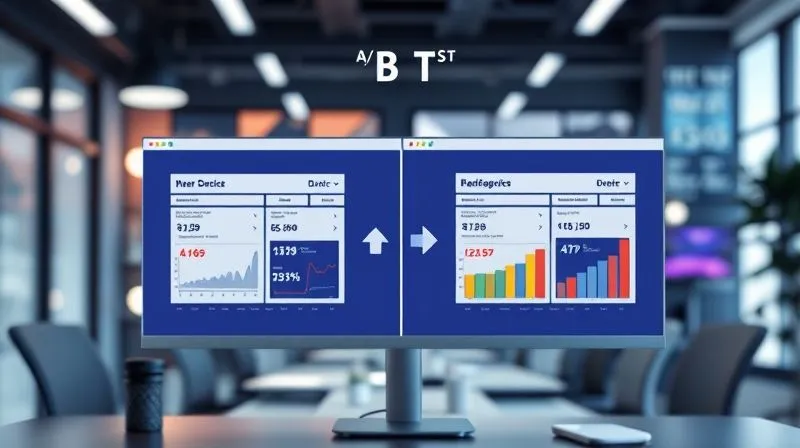
Implement A/B testing for different cross-sell offers, messaging, and timing windows. Analyze the results, gather customer feedback, and iterate your strategy. This continuous feedback loop ensures that your approach to 'what's the best time to cross-sell without jeopardizing the initial deal?' remains dynamic, effective, and customer-centric.
Frequently Asked Questions (FAQ)
Q: Is it ever appropriate to cross-sell during the initial sales conversation? A: While generally not recommended for a hard sell, it is appropriate to *discover* potential complementary needs during the initial conversation. By asking insightful questions about their broader challenges and future goals, you can identify opportunities for later, perfectly timed cross-sells. The key is discovery, not pitching.
Q: How do I handle a customer who seems annoyed by a cross-sell offer? A: Immediately pivot. Acknowledge their feedback respectfully and reassure them that your priority is their success with the initial purchase. Apologize if the timing was off, and make a note in your CRM to avoid similar offers for a period. Prioritize rebuilding trust and ensuring their satisfaction with the primary product.
Q: What's the biggest mistake companies make with cross-selling? A: The biggest mistake is treating cross-selling as a standalone, transactional event rather than an integral part of the customer's value journey. This often manifests as pushing irrelevant products, poor timing, or failing to articulate the incremental value, which can quickly erode trust and jeopardize the initial relationship.
Q: Should I offer a discount on cross-sells to encourage adoption? A: Discounts can be effective, but they should be used strategically. If the cross-sell genuinely enhances the initial purchase, the value proposition should be strong enough on its own. Discounts can work well as an incentive during the 'honeymoon' phase or for high-value customers, but be careful not to devalue your offerings or train customers to always expect a discount.
Q: How can small businesses with limited CRM resources effectively time cross-sells? A: Even without advanced CRM, small businesses can leverage manual tracking and active listening. Keep detailed notes on customer conversations, project timelines, and expressed needs. Set calendar reminders for follow-ups around key milestones. Focus on building strong relationships, as personal knowledge of your customers can often compensate for sophisticated tech in smaller operations.
Key Takeaways and Final Thoughts
Navigating the delicate art of cross-selling requires more than just a good product; it demands a deep understanding of customer psychology, meticulous timing, and a commitment to delivering continuous value. The question of 'What's the best time to cross-sell without jeopardizing the initial deal?' is answered not by a single moment, but by a strategic framework that respects the customer's journey and prioritizes long-term relationships.
- Prioritize the Initial Deal: Always ensure the primary purchase is secure and the customer feels confident in their decision before introducing anything new.
- Leverage the 'Honeymoon Phase': The period immediately post-purchase, pre-onboarding, is often the most receptive for value-enhancing add-ons.
- Identify Lifecycle Milestones: Use renewals, usage benchmarks, and business growth as natural triggers for relevant offers.
- Be Data-Driven: Utilize your CRM and analytics to pinpoint opportunities and personalize your approach, making guesswork a thing of the past.
- Empower Your Team: Invest in training that fosters empathetic, consultative cross-selling, focusing on value articulation and relationship building.
- Measure and Optimize: Continuously track KPIs and iterate your strategies to ensure ongoing effectiveness and customer satisfaction.
By integrating these principles, you transform cross-selling from a risky endeavor into a powerful engine for sustainable sales growth, deepening customer relationships, and enhancing their overall experience. Approach each cross-sell as an opportunity to further serve your customer's evolving needs, and you'll find that revenue growth naturally follows.
Recommended Reading
- 5 Pillars: How to Avoid Burnout Serving Employees as a Leader
- Strengthen CSR: How 6 Governance Principles Halt Greenwashing
- Invisible Locally? 7 Steps to Fix Your Small Business's Local Search Ranking
- Beyond the Finish Line: Unlocking True Project Success Metrics
- Unlock Success: Your Ultimate Guide to Preparing for a Business Consulting Engagement





Comments
Leave a comment below. Your email will not be published. Required fields marked with *