

What to do when e-commerce post-purchase experience drives churn?
For over 15 years in the e-commerce landscape, I've had a front-row seat to countless businesses, from budding startups to established giants. I've seen some with brilliant marketing and conversion funnels falter, not because they couldn't attract customers, but because they couldn't keep them. The culprit? A neglected, often overlooked aspect of the customer journey: the post-purchase experience.
It’s a painful reality that many e-commerce businesses pour resources into acquisition, only to see their hard-won customers walk away after the first purchase. This isn't just a missed opportunity; it's a direct threat to your long-term viability. When the thrill of the 'buy now' button fades, the real test of your brand begins, and a poor post-purchase experience drives churn like nothing else.
In this definitive guide, I'll walk you through the precise mechanisms behind post-purchase churn and, more importantly, equip you with actionable frameworks, expert insights, and real-world strategies to transform your post-purchase experience from a liability into your most powerful retention engine. We'll uncover how to identify leakage points, implement proactive solutions, and build lasting customer loyalty.
The Silent Killer: Understanding Post-Purchase Churn Mechanics
Churn isn't always a dramatic exit; often, it's a silent fade. Customers simply don't return, opting for competitors without a word. In e-commerce, this 'silent churn' post-purchase is particularly insidious because the reasons can be multifaceted and often hidden beneath layers of transactional data. It’s not just about a faulty product; it’s about the entire ecosystem surrounding that product once the purchase is made.
Identifying the Leakage Points in Your Post-Purchase Journey
Before you can fix the problem, you need to understand where the leaks are. In my experience, the most common culprits for post-purchase churn include:
- Delivery Disasters: Late shipments, lost packages, damaged goods, or unclear tracking information.
- Communication Blackouts: Going silent after the order confirmation, leaving customers in the dark about their purchase status.
- Friction-Filled Returns: Complicated return processes, slow refunds, or unhelpful customer service when things go wrong.
- Inadequate Support: Unresponsive, unhelpful, or inaccessible customer service channels when customers have questions or issues.
- Lack of Personalization: Treating every customer as a transaction, rather than an individual with unique needs and preferences.
- Forgotten Feedback: Failing to solicit or, critically, act upon customer feedback.
Each of these points represents an opportunity for a customer to feel undervalued, frustrated, or simply forgettable. These negative emotions directly contribute to a lack of repeat business.

Proactive Communication: Your First Line of Defense Against Churn
The moment a customer clicks 'purchase,' your communication strategy shifts from selling to reassuring and delighting. Silence is not golden; it's a red flag. Proactive, transparent communication is the bedrock of a positive post-purchase experience and a critical tool in preventing churn.
Real-time Order Tracking & Intelligent Updates
Customers today expect to know exactly where their purchase is, every step of the way. This isn't just about providing a tracking number; it's about intelligent, proactive updates that anticipate their needs.
- Clear, Branded Tracking Links: Ensure order confirmation emails contain an obvious, branded link to a tracking page that provides comprehensive, easy-to-understand information.
- Proactive Delay Notifications: If there's a foreseen delay, communicate it *before* the customer has to ask. Offer an apology and, where possible, an updated estimated delivery time.
- Delivery Confirmation with Next Steps: Once the item is delivered, send a confirmation email. This is also an excellent opportunity to offer support, suggest related products, or ask for initial feedback.
Setting Realistic Expectations from the Outset
One of the easiest ways to disappoint a customer is to over-promise and under-deliver. Be transparent about shipping times, potential delays, and any other factors that might impact their experience. It's always better to under-promise and over-deliver, creating a pleasant surprise rather than frustration.
"The single biggest problem in communication is the illusion that it has taken place." - George Bernard Shaw. This timeless wisdom applies perfectly to e-commerce post-purchase, where assumptions often lead to customer disappointment and churn.
Streamlining Delivery and Logistics: Beyond the 'Shipped' Notification
For many customers, the delivery process *is* the post-purchase experience. A flawless product delivered late or damaged can sour the entire interaction. Your logistics strategy must be as customer-centric as your product development.
Partnering with Reliable Carriers and Diversifying Options
Don't just pick the cheapest shipping option. Invest in carriers with a proven track record for reliability, speed, and excellent customer service. Consider offering multiple shipping options to cater to different customer needs, from budget-friendly standard shipping to expedited services.
Offering Flexible Delivery Options
Modern consumers lead busy lives. Providing options like scheduled delivery windows, pickup points, or even in-store pickup can significantly enhance convenience and reduce anxiety around missed deliveries. This flexibility demonstrates that you understand and value their time.
Damage Control: What to Do When Things Inevitably Go Wrong
Even with the best carriers, issues will arise. The true test of your post-purchase experience isn't whether problems occur, but how you handle them. Have a clear, empathetic, and rapid response plan for lost, damaged, or delayed shipments. This often means reshipping immediately, offering a refund, or a goodwill gesture, without making the customer jump through hoops.
According to a study by Harvard Business Review, reducing customer effort is far more impactful than trying to 'delight' them. A smooth delivery process, even when issues arise, directly contributes to this low-effort experience.
| Delivery Stage | Customer Expectation | Best Practice |
|---|---|---|
| Order Confirmed | Immediate email, order summary | Automated email with tracking link, clear ETA |
| In Transit | Regular updates, accurate tracking | Proactive notifications for delays, carrier contact info |
| Delivered | Confirmation, easy access to support | Delivery confirmation email, return instructions, feedback request |
Mastering Returns and Refunds: Turning Pain into Pleasure
No e-commerce business wants returns, but they are an inevitable part of selling online. Instead of viewing returns as a cost center, savvy businesses see them as a crucial touchpoint to reinforce trust and even build loyalty. A poor returns experience can guarantee churn, while a seamless one can salvage a relationship.
Implementing a Frictionless Return Policy
Your return policy should be clear, concise, and easy to find. The process itself should be as simple as possible for the customer. Think about their journey and remove every obstacle.
- Clear Instructions: Provide step-by-step instructions on how to initiate a return, including any necessary forms or labels.
- Multiple Return Options: Offer choices like mail-in with pre-paid labels, in-store drop-off, or even scheduled pickups where feasible.
- Automated Return Portals: Self-service portals empower customers and reduce the load on your support team, making the process faster and more efficient.
Speedy Refunds and Exchanges
Once a return is initiated, the clock starts ticking for the refund. Delays in processing refunds are a major source of customer frustration and a prime driver of churn. Aim for rapid processing, ideally within a few business days of receiving the returned item. For exchanges, make the process as seamless as a new purchase.
Case Study: How 'EcoThread Apparel' Transformed Returns into Loyalty
EcoThread Apparel, an online sustainable clothing brand, faced a 25% return rate, often leading to negative reviews and lost customers. Their traditional return process was cumbersome, requiring customers to print labels, pay for return shipping, and wait weeks for refunds. By implementing a 'no-questions-asked' 30-day return policy with free shipping labels and instant store credit upon return initiation (before item receipt), they saw remarkable results. They reduced negative feedback by 40% and, surprisingly, achieved a 15% increase in repeat purchases from customers who had previously returned items. This demonstrated that a seamless, customer-first return process can actually build trust and loyalty, rather than just being a cost center. Their investment in a better return experience paid dividends in retention.
Exceptional Customer Support: Beyond Troubleshooting
Customer support is no longer just about fixing problems; it's about building relationships. In the post-purchase phase, your support team becomes the face of your brand, and their interactions can either solidify loyalty or accelerate churn. They are your frontline against dissatisfaction.
Multi-Channel Availability and Responsiveness
Customers expect to reach you on their preferred channel. This means investing in a multi-channel support strategy that includes:
- Live Chat: For immediate, real-time assistance on your website.
- Email: For less urgent, detailed inquiries, with clear response time expectations.
- Phone: For complex issues that require direct conversation.
- Social Media: Monitoring and responding to queries and complaints on platforms where your customers are active.
Responsiveness is key. Aim for quick initial response times and clear communication about when a full resolution can be expected. According to Deloitte's research, customers increasingly value convenience and speed in their interactions.
Empowering Your Support Team
Your support agents are only as effective as the tools and authority you give them. Empower them to make decisions, offer solutions, and provide goodwill gestures (like discounts or free shipping) without constant escalation. Training them thoroughly on your products, policies, and empathy will also pay dividends. An empowered agent can turn a frustrated customer into a loyal advocate.
Proactive Problem Solving and Anticipation
Great customer support doesn't wait for problems to arise; it anticipates them. Use data from common inquiries, product reviews, and delivery issues to identify recurring pain points. Then, create self-service FAQs, guides, or even proactive outreach campaigns to address these issues before they become a customer service ticket. This shows you understand their needs and are working to make their experience smoother.

Personalization and Engagement: Building Lasting Relationships
Once the transaction is complete, the relationship truly begins. Generic, one-size-fits-all approaches in the post-purchase phase are a fast track to churn. True retention comes from making customers feel seen, valued, and understood through personalized engagement.
Thoughtful Post-Purchase Personalization
Leverage the data you've gathered during the purchase to create relevant, personalized experiences *after* the sale. This goes beyond just addressing them by name.
- Personalized Product Recommendations: Based on their purchase history or browsing behavior, suggest complementary products or items they might love.
- Exclusive Offers: Send targeted discounts or early access to new collections relevant to their interests.
- Content Tailored to Their Purchase: If they bought a camera, send tips on photography. If they bought a skincare product, send a guide on routines.
As marketing guru Seth Godin often says, "People do not buy goods and services. They buy relations, stories, and magic." Personalization is key to building that relation.
Soliciting and, Crucially, Acting on Feedback
Your customers are your best consultants. Actively solicit their feedback and, more importantly, demonstrate that you listen and act upon it. This builds immense trust and shows customers their voice matters.
- Post-Delivery Surveys: Send short, focused surveys asking about the delivery, product quality, and overall experience.
- Product Review Requests: Encourage honest reviews, both good and bad. Respond to all reviews, showing appreciation for positive feedback and offering solutions for negative ones.
- Net Promoter Score (NPS) Surveys: Regularly gauge customer loyalty by asking how likely they are to recommend your brand.
- Close the Loop: When a customer provides feedback, especially a complaint, follow up to inform them what steps you've taken to address their concerns. This is incredibly powerful for retention.
Community Building and Value-Added Content
Consider fostering a sense of community around your brand. This could be through online forums, social media groups, or exclusive content for customers. Providing value beyond the product itself—through educational content, how-to guides, or lifestyle inspiration—can significantly deepen customer engagement and reduce churn.
The Data-Driven Approach: Measuring and Iterating for Success
You can't improve what you don't measure. A robust data analytics strategy is essential for understanding the effectiveness of your post-purchase initiatives and for continuously optimizing your efforts to reduce churn. This is where the art of customer experience meets the science of business.
Key Metrics to Monitor for Post-Purchase Health
Focus on metrics that directly reflect customer satisfaction and loyalty beyond the initial sale:
- Repeat Purchase Rate: The percentage of customers who make a second (or more) purchase. A low rate indicates churn.
- Customer Churn Rate: The percentage of customers lost over a specific period. This is the direct measure of the problem we're solving.
- Customer Lifetime Value (CLTV): The total revenue a business can reasonably expect from a single customer account. Higher CLTV signifies better retention.
- Net Promoter Score (NPS): A measure of customer loyalty, ranging from -100 to +100.
- Customer Satisfaction (CSAT) Scores: Often collected through surveys after specific interactions (e.g., support tickets, delivery).
A/B Testing Post-Purchase Flows and Communications
Don't just set it and forget it. Continuously A/B test different elements of your post-purchase experience. Experiment with different communication timings, content, personalization tactics, and even return policy language. Small, iterative improvements based on data can lead to significant reductions in churn over time.
For instance, an e-commerce UX study by Baymard Institute consistently shows that even minor friction points in the user journey can have a massive impact on conversion and, by extension, future retention. Apply this same rigorous testing to your post-purchase journey.
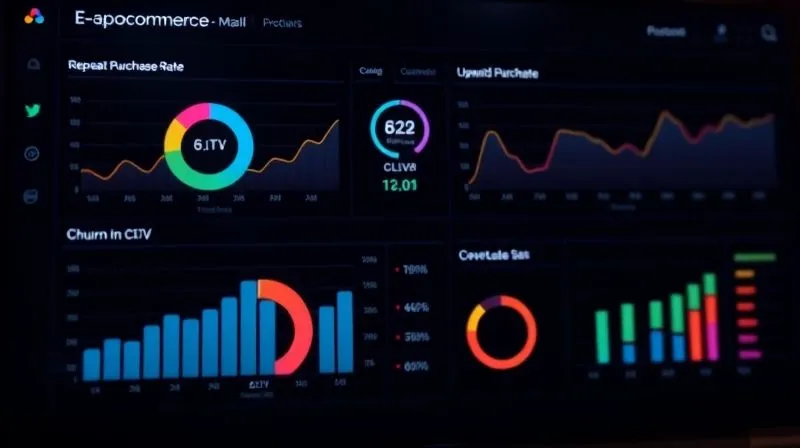
| Metric | Definition | Impact on Churn |
|---|---|---|
| Repeat Purchase Rate | Percentage of customers who make a second purchase | Directly indicates retention success |
| Customer Lifetime Value (CLTV) | Total revenue expected from a customer | Higher CLTV means lower churn and more loyal customers |
| Net Promoter Score (NPS) | Measures customer loyalty and willingness to recommend | Low scores predict high churn, high scores indicate loyalty |
Frequently Asked Questions (FAQ)
How quickly should I address post-purchase issues like delivery delays or damages? Speed is paramount. Aim to address critical issues within hours, not days. For delivery delays, proactive communication before the customer even notices is ideal. For damages or missing items, initiating a resolution (e.g., reshipment or refund) within 24 hours of notification is a strong benchmark. The longer a customer waits, the higher the frustration and likelihood of churn.
Is it worth offering free returns, considering the cost? Absolutely. While it incurs a cost, free returns significantly reduce purchase anxiety and build immense trust. Data consistently shows that businesses offering free returns experience higher conversion rates and, more importantly, higher customer satisfaction and repeat purchase rates. It's an investment in customer loyalty that often pays for itself through increased CLTV and reduced churn. Consider it a marketing expense for retention.
What's the best way to collect post-purchase feedback without annoying customers? The key is timing, brevity, and relevance. Send a short, targeted survey a few days after delivery, focusing on the product and delivery experience. Use tools that allow for single-click responses or Net Promoter Score (NPS) questions. Offer an incentive, like a small discount on their next purchase, to boost response rates. Avoid lengthy surveys or asking for feedback too frequently.
Can personalization really prevent churn, or is it just a nice-to-have? Personalization is a powerful churn prevention tool, not a luxury. By showing customers that you understand their preferences and needs, you create a deeper connection. Personalized recommendations, relevant content, and tailored offers make customers feel valued, increasing their likelihood of returning. Generic experiences signal that they are just another transaction, making it easier for them to churn.
How do I justify investment in post-purchase experience to stakeholders focused on acquisition? Frame it in terms of long-term profitability and sustainable growth. Highlight that customer acquisition costs (CAC) are significantly higher than retention costs. Emphasize that a strong post-purchase experience directly impacts Customer Lifetime Value (CLTV), repeat purchase rates, and reduces churn, leading to a much healthier bottom line. Use data like the cost of lost customers vs. the cost of implementing retention strategies to make a compelling business case.
Key Takeaways and Final Thoughts
The post-purchase experience is not merely an afterthought; it is the crucible where customer loyalty is forged or shattered. In a competitive e-commerce landscape where customer acquisition costs are soaring, focusing on retention through an exceptional post-purchase journey is no longer optional—it's imperative for survival and growth.
- Proactive communication and setting clear expectations are non-negotiable.
- Seamless delivery and returns processes transform potential frustrations into opportunities for trust.
- Empathetic and efficient customer support builds lasting relationships.
- Personalization and active feedback loops make customers feel valued and heard.
- Data-driven measurement and iteration ensure continuous improvement and measurable impact.
By treating every customer interaction after the 'buy' button as an opportunity to reinforce your brand's value and commitment, you can effectively combat churn and cultivate a loyal customer base that not only returns but also champions your business. It's a continuous journey of improvement, but one that promises significant returns for your e-commerce venture.
Recommended Reading
- 5 Strategic Steps to Pivot Your Business When Market Demand Drops
- 7 Expert Steps: How to Revive a Failing Strategic Alliance Now
- Supplier Lead Times Double? Your 7-Step Crisis Plan for Inventory
- Prove D&I ROI: 5 Data-Backed Strategies for Skeptical Executives
- 7 Steps to Uncover a Franchise's True Profitability Before Investing




Comments
Leave a comment below. Your email will not be published. Required fields marked with *