


What to Do When Key Stakeholders Resist Your CSR Strategy?
For over 15 years in the corporate social responsibility (CSR) space, I've witnessed firsthand a disheartening pattern: brilliant, well-intentioned CSR strategies, meticulously crafted to deliver significant social and environmental impact alongside business value, often flounder not due to external market forces, but because of internal resistance from key stakeholders.
It's a frustrating paradox. You're trying to do good, to build a more sustainable and equitable business, yet you're met with skepticism, outright opposition, or passive-aggressive inaction from those who should be your strongest allies. This isn't just a minor hurdle; it's a critical challenge that can derail initiatives, waste precious resources, and ultimately undermine the very purpose of your CSR efforts.
But here's the good news: resistance, while challenging, is not insurmountable. In this definitive guide, I'll share a pragmatic, battle-tested framework, actionable steps, and expert insights that I've honed over years in the trenches. My goal is to equip you to transform stakeholder opposition into enthusiastic collaboration, ensuring your CSR strategy not only survives but thrives.
Understanding the Roots of Resistance: It's Not Always Malice
When faced with pushback, our immediate reaction might be to label it as stubbornness or short-sightedness. However, in my experience, resistance to CSR strategies rarely stems from a desire to do harm. More often, it's rooted in legitimate, albeit sometimes misinformed, concerns.
Common Reasons for Stakeholder Pushback
- Lack of Understanding/Awareness: Many stakeholders simply don't grasp the 'why' behind the CSR strategy. They might see it as an abstract concept rather than a tangible benefit.
- Perceived Cost/Resource Drain: This is a big one. Finance departments, operations managers, and even sales teams often view CSR as an added expense or a diversion of resources from 'core' business activities.
- Conflicting Priorities: Stakeholders might be focused on short-term financial targets, quarterly reports, or immediate operational efficiencies, making long-term CSR investments seem less urgent.
- Skepticism About Genuine Impact: In an era of greenwashing, some stakeholders are wary that CSR initiatives are merely PR stunts, doubting the authentic commitment or measurable impact.
- Fear of Change: Any new strategy introduces change, and change can be uncomfortable. It might mean new processes, new metrics, or even new roles, which can trigger anxiety.
"Resistance often stems from misunderstanding, not malice. Your first step is to listen, not to preach. Seek to understand their perspective before you attempt to explain your own."
Before you can address the resistance, you must first understand its true nature. This requires a deep dive into diagnostics.

Phase 1: Deep-Dive Diagnostics – Unmasking the True Objections
Effective engagement begins with forensic listening. You can't solve a problem you don't fully understand. This phase is about gathering intelligence and building empathy.
Conducting a Stakeholder Mapping & Salience Analysis
Before you even open a dialogue, you need to know who your key stakeholders are, what their existing influence is, and how relevant your CSR strategy is to their individual mandates. This isn't just about listing names; it's about understanding power dynamics.
- Identify All Key Stakeholders: Go beyond the obvious. Think about internal (executive leadership, department heads, employees, unions) and external (investors, customers, suppliers, regulators, NGOs, local communities) groups.
- Assess Their Power, Legitimacy, and Urgency: Use Mitchell, Agle, and Wood's salience model. Who has the power to influence your strategy? Whose claims are legitimate? Who has urgent needs that your CSR strategy might impact (positively or negatively)?
- Map Their Current Stance: Are they advocates, neutral, or actively resistant? What are their current perceptions of CSR in general and your strategy specifically?
The Art of Empathetic Listening and Dialogue
Once identified, engage them directly. This isn't a presentation; it's a conversation. I've found that one-on-one interviews or small, informal focus groups are far more effective than large, intimidating forums for uncovering genuine concerns.
- Ask Open-Ended Questions: Instead of "Do you support our CSR strategy?" ask "What are your biggest concerns about the proposed CSR strategy?" or "How do you see this strategy impacting your department/role?"
- Listen Actively, Without Defensiveness: Your goal is to understand, not to convince. Let them voice their fears, their practical objections, and their alternative ideas. Take notes, acknowledge their points, and paraphrase to ensure you've understood correctly.
- Identify Underlying Motivations: Is their concern truly about cost, or is it a fear of increased workload? Is it about impact, or a skepticism born from past failed initiatives?
Phase 2: Tailored Communication – Speaking Their Language
Once you understand the 'why' behind their resistance, you can craft messages that resonate. One size does not fit all in stakeholder communication.
Framing CSR Through the Lens of Business Value
This is where CSR moves from being a 'nice-to-have' to a 'must-have.' You must translate the social and environmental benefits into tangible business language that matters to each stakeholder group. According to a Deloitte study on sustainable business, companies that integrate CSR into core strategy often see improved financial performance.
- For Finance/Executives: Frame CSR as risk mitigation (e.g., avoiding regulatory fines, supply chain disruptions), cost reduction (e.g., energy efficiency, waste reduction), enhanced brand reputation (leading to customer loyalty and premium pricing), or improved access to capital (ESG investment funds).
- For HR/Employees: Highlight CSR's role in talent attraction and retention, boosting employee morale and productivity, and fostering a positive company culture.
- For Operations/Supply Chain: Emphasize efficiency gains, reduced resource consumption, and improved supply chain resilience through ethical sourcing.
- For Sales/Marketing: Focus on market differentiation, enhanced brand image, and meeting growing consumer demand for sustainable products/services.
Crafting Targeted Messaging for Different Audiences
Don't send the same email to everyone. Develop specific talking points, presentations, and data sets for each key stakeholder group.
| Stakeholder Group | Primary Concern | CSR Framing |
|---|---|---|
| CFO/Finance | Cost, ROI | Risk mitigation, cost savings, access to capital, long-term value creation |
| Head of Operations | Efficiency, complexity | Process optimization, resource efficiency, supply chain resilience, innovation |
| HR Director | Talent, morale | Talent attraction/retention, employee engagement, positive culture, reduced churn |
| Sales/Marketing Lead | Market share, brand perception | Brand differentiation, customer loyalty, market growth, enhanced reputation |
"You can't sell a sustainable future to a CFO using only ethical arguments. You must speak in numbers, risks, and opportunities that directly impact the bottom line."
Phase 3: Co-Creation and Collaborative Solutions
One of the most powerful ways to overcome resistance is to transform stakeholders from passive recipients of a strategy into active participants in its creation. This fosters ownership and commitment.
Inviting Stakeholders to the Design Table
This isn't just about soliciting feedback; it's about genuine collaboration. Shift from 'pushing' your strategy to 'pulling' stakeholders into the process. This approach is highlighted in various Harvard Business Review articles on stakeholder engagement.
- Joint Workshops: Organize facilitated workshops where stakeholders can collectively brainstorm solutions, identify potential challenges, and refine aspects of the CSR strategy.
- Cross-Functional Task Forces: Create small, dedicated teams with representatives from different departments to tackle specific CSR initiatives. This ensures diverse perspectives and practical input.
- Empowerment: Give them real authority to shape certain aspects of the strategy. When people feel their input is valued and integrated, their commitment skyrockets.
Case Study: How EcoInnovate Transformed Skepticism into Advocacy
EcoInnovate, a mid-sized electronics manufacturer, faced significant internal resistance to its new circular economy CSR strategy. The Head of Operations, Maria, was particularly skeptical, citing concerns about increased costs, production disruptions, and the complexity of new recycling processes. Initial attempts to convince her with environmental data failed.
I advised the CSR team to invite Maria and her key lieutenants to a series of "Solution Design Sessions." Instead of presenting a finished plan, the CSR team presented the core challenge (reducing waste, improving resource efficiency) and asked Maria's team: "How might we achieve these goals while minimizing disruption and even finding new efficiencies?"
By empowering Maria's team to co-create the operational aspects of the strategy, they identified several innovative waste reduction techniques that not only met the CSR goals but also streamlined production and significantly reduced raw material costs. Maria, initially a resistor, became one of the strategy's most vocal internal advocates, championing its implementation across the factory floor. This collaboration turned a perceived threat into a competitive advantage.
Phase 4: Demonstrating Tangible Impact and Continuous Reporting
Seeing is believing. Even the most well-crafted arguments can't compete with concrete evidence of positive outcomes. Regular, transparent reporting is crucial.
Setting Clear Metrics and KPIs for CSR Success
Just as you measure financial performance, you must measure your CSR performance. This provides objective data to counter skepticism and demonstrate progress. I always advise clients to link these to established frameworks like ESG (Environmental, Social, Governance) metrics.
- Define Specific, Measurable, Achievable, Relevant, Time-bound (SMART) Goals: Don't just say "reduce carbon footprint." Say "reduce Scope 1 and 2 emissions by 20% by 2027."
- Establish Baselines: You can't show progress without knowing your starting point.
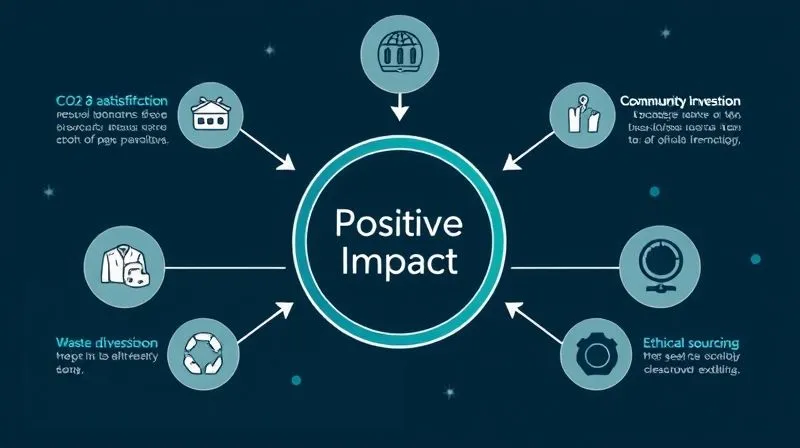
- Track Key Performance Indicators (KPIs): These could include energy consumption, water usage, waste diversion rates, employee volunteer hours, community investment, supplier diversity percentages, or customer satisfaction related to ethical products.
- Connect CSR KPIs to Business Outcomes: Show how reduced energy consumption leads to cost savings, or how community engagement improves local hiring pools.
Transparent Reporting and Storytelling
Data alone isn't enough; you need to tell a compelling story. This means regular updates, not just an annual report, and using a mix of quantitative and qualitative information.
- Visual Data: Use infographics, charts, and graphs to make complex data easily digestible.
- Human Interest Stories: Share testimonials from beneficiaries, employees involved, or community partners. These stories bring the impact to life.
- Regular Updates: Don't wait for the annual report. Share quarterly or even monthly updates on progress through internal newsletters, town halls, or dedicated CSR dashboards.
"What gets measured gets managed, and what gets reported builds trust. Transparency is the bedrock of credibility in CSR."
Phase 5: Building Internal Champions and Sustaining Momentum
A CSR strategy cannot be the sole responsibility of one department. It needs champions at all levels to truly embed it within the organizational culture.
Identifying and Empowering Internal Advocates
Look for individuals who are already passionate about social or environmental issues, even if it's not part of their formal role. These can be powerful allies.
- Senior Leadership Buy-in: This is non-negotiable. If the CEO or other C-suite executives aren't visibly supportive, the strategy will struggle. Their public endorsement and active participation are critical. As Forbes often highlights, leadership commitment is key to successful CSR integration.
- Peer-to-Peer Influence: Empower employees at all levels to become CSR ambassadors. Provide them with training, resources, and platforms to share their enthusiasm and knowledge.
- Recognize and Reward: Acknowledge and celebrate the contributions of individuals and teams to CSR goals. This reinforces desired behaviors and motivates others.
Integrating CSR into Core Business Strategy
For long-term success, CSR cannot be an add-on; it must be woven into the very fabric of the business. This means moving beyond standalone initiatives.
- Align with Core Competencies: Link CSR initiatives to your company's unique strengths and business model. For a tech company, this might mean digital inclusion; for a food company, sustainable agriculture.
- Embed in Performance Reviews: Include CSR-related goals in individual and departmental performance objectives.
- Training and Development: Provide ongoing training to ensure employees understand their role in achieving CSR objectives and have the skills to implement them.
Phase 6: Addressing Ethical Dilemmas and Tough Conversations
Despite your best efforts, some resistance might persist. This phase is about navigating those more challenging situations with integrity and strategic thinking.
When Resistance is Ideological or Deeply Entrenched
Some stakeholders may have fundamental disagreements with the premise of CSR, viewing it as a distraction from pure profit-making. In these cases, a different approach is needed.
- Acknowledge Legitimate Concerns: Even if you disagree, validate their perspective. "I understand your concern about the immediate financial implications."
- Focus on Common Ground: Can you find areas where CSR naturally aligns with their core interests? Perhaps regulatory compliance, risk management, or long-term market stability.
- Know When to Compromise and When to Hold Firm: Not every battle needs to be won immediately. Be flexible on implementation details, but be unwavering on core values and strategic objectives. Sometimes, incremental progress is the key.
Navigating Power Dynamics and Corporate Politics
Resistance can sometimes be less about the CSR strategy itself and more about existing power struggles or political agendas within the organization.
- Strategic Alliances: Build a coalition of supportive stakeholders, especially those with influence. Their collective voice can outweigh a single powerful detractor.
- Escalation Paths: Understand when an issue needs to be elevated to a higher authority, and be prepared with a clear, data-driven case.
- Patience and Persistence: Culture change takes time. Be prepared for a marathon, not a sprint.
"Not all battles are winnable, but every conversation is an opportunity to educate, influence, and potentially find a path to common ground. Persistence, coupled with pragmatism, is your greatest asset."

Frequently Asked Questions (FAQ)
Q: How do I get executive buy-in when they only care about profit? A: Focus on translating CSR into the language of business value. Present a clear business case demonstrating how your CSR strategy mitigates risks, reduces costs, enhances brand reputation (leading to increased sales), attracts and retains top talent, and improves access to capital from ESG-focused investors. Use data, industry benchmarks, and case studies of competitors who have seen financial gains from similar initiatives. Show them not just the 'cost' but the 'return on investment' and the 'cost of inaction'.
Q: What if a key stakeholder refuses to engage or remains stubbornly resistant? A: First, ensure you've exhausted all empathetic listening and tailored communication efforts. If resistance persists, try to understand if there's an underlying personal agenda or a deeper systemic issue. Consider engaging a neutral third party (e.g., an external consultant) to facilitate dialogue. If all else fails, you may need to escalate the issue to a higher authority with a clear, data-backed argument and a proposed path forward. In some rare cases, you might need to proceed with a strategy while managing the impact of their non-engagement, ensuring you have strong support from other influential stakeholders.
Q: How can I measure the ROI of CSR to convince skeptics? A: Measuring CSR ROI requires linking specific CSR initiatives to measurable business outcomes. For example, track energy savings from efficiency projects, reduced employee turnover after implementing social programs, increased brand favorability or sales for eco-friendly products, or reduced regulatory fines due to improved compliance. Use methodologies like Social Return on Investment (SROI) or develop a custom framework that aligns with your company's financial reporting. Transparency and consistent data collection are paramount.
Q: Is it ever okay to proceed with a CSR strategy despite significant internal resistance? A: This is a delicate balance. If the resistance is from a minority of stakeholders and your strategy has strong support from senior leadership and a majority of other critical groups, proceeding might be necessary. However, if the resistance is widespread or comes from a single, highly powerful and legitimate stakeholder whose concerns haven't been adequately addressed, proceeding could jeopardize the strategy's success and lead to long-term internal conflict. Always weigh the potential benefits against the risks of alienating key players. Sometimes, a phased approach or a pilot program can help demonstrate value and gradually win over skeptics.
Q: How do I differentiate genuine concerns from simple resistance to change? A: Genuine concerns are typically specific, actionable, and often data-driven. They might point to real logistical hurdles, financial risks, or operational complexities that need to be addressed. Resistance to change, on the other hand, often manifests as vague objections, a preference for the status quo, or an unwillingness to learn new processes without specific, articulable reasons. Empathetic listening and probing questions (e.g., "Can you give me a specific example of how this would be problematic?") can help uncover the true nature of the resistance.
Key Takeaways and Final Thoughts
Navigating stakeholder resistance to your CSR strategy is one of the most challenging, yet ultimately rewarding, aspects of building a truly responsible business. It requires patience, empathy, strategic communication, and an unwavering commitment to both purpose and practicality.
- Listen First, Act Second: Understand the 'why' before proposing the 'how'.
- Speak Their Language: Translate CSR benefits into terms relevant to each stakeholder's mandate.
- Co-Create for Ownership: Involve stakeholders in shaping the solution to foster commitment.
- Measure and Report: Prove impact with data and compelling stories.
- Build a Coalition: Empower internal champions and secure leadership buy-in.
- Be Persistent and Pragmatic: Expect challenges, but focus on incremental progress and finding common ground.
Remember, your CSR strategy isn't just about doing good; it's about building a resilient, future-proof business. By mastering the art of stakeholder engagement, you won't just overcome resistance; you'll transform it into a powerful engine for innovation, collaboration, and lasting positive impact. For further insights into developing robust CSR frameworks, I recommend exploring resources from organizations like the UN Global Compact.
Recommended Reading
- Key Supplier Bankruptcy? 5 Steps to Maintain Production & Avoid Shutdown
- Unlock Resilience: How to Develop Your Comprehensive Risk Response Plan
- Beyond the Grind: Navigating Loneliness in the Startup Founder Journey
- 7 Proven Steps: What to Do When Initial Project Requirements Are Vague?
- Why Do Our Management Consulting Strategies Fail? 7 Keys to Lasting Impact





Comments
Leave a comment below. Your email will not be published. Required fields marked with *