

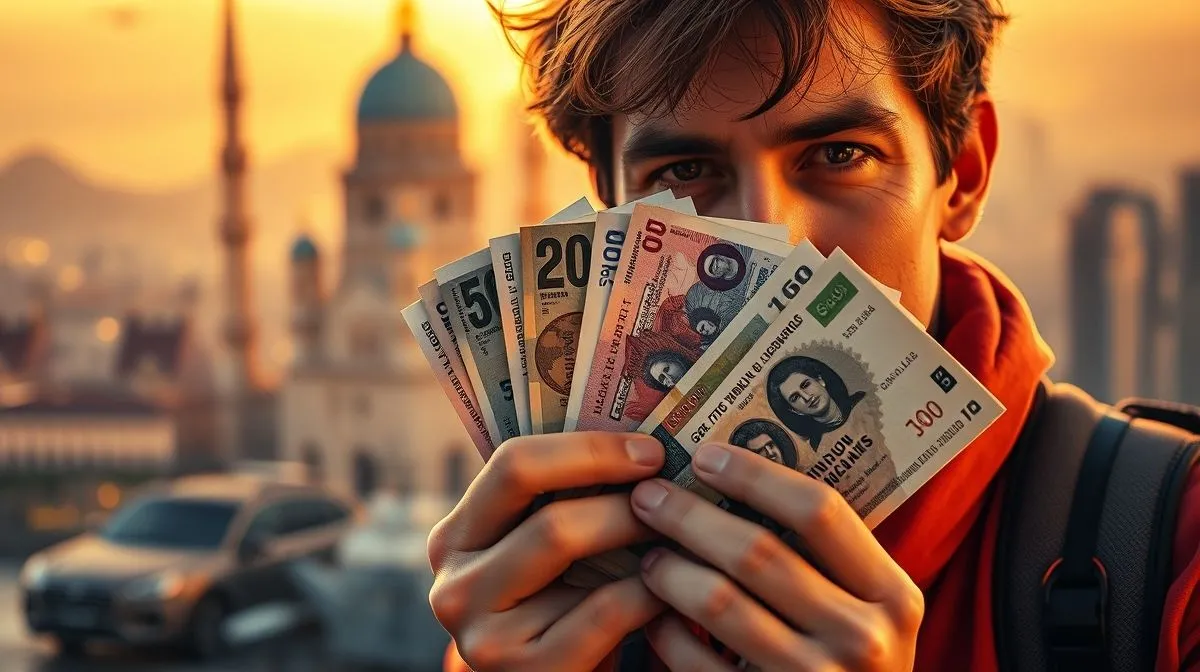
Best Time to Exchange Currency for Travel: A Traveler's Guide
Ever dreamt of strolling through the streets of Paris, exploring ancient ruins in Rome, or relaxing on a beach in Bali? For many, these dreams are within reach, but the fluctuating costs of currency exchange can throw a wrench into even the most meticulously planned budget. Imagine finally arriving at your destination, only to realize you've significantly overpaid for your foreign currency.
The question then becomes: when is the best time to exchange currency for travel? It's a question that plagues travelers worldwide, impacting their spending power and overall travel experience. Understanding the dynamics of currency exchange rates can save you a considerable amount of money, allowing you to enjoy more of what your destination has to offer.
This guide will equip you with the knowledge and strategies to navigate the complex world of currency exchange. You'll learn about the factors that influence exchange rates, the best times to buy foreign currency, and practical tips to avoid common pitfalls. By the end of this article, you'll be able to confidently exchange your currency and maximize your travel budget.
Understanding Currency Exchange Rates
What are Exchange Rates?
An exchange rate represents the value of one currency in relation to another. It essentially tells you how much of one currency you need to purchase another. These rates are constantly fluctuating, influenced by a multitude of factors.
Understanding the basics of exchange rates is crucial for making informed decisions about when to exchange your currency. The exchange rate is the price you pay for one currency using another. For example, if the EUR/USD exchange rate is 1.10, it means that €1 costs $1.10.
Factors Influencing Exchange Rates
Several factors can influence exchange rates, leading to daily and even hourly fluctuations. These include:
- Economic Indicators: Factors like GDP growth, inflation rates, and unemployment figures can significantly impact a currency's value. Strong economic performance typically leads to a stronger currency. According to an article published by the Investopedia, these indicators are crucial to follow.
- Interest Rates: Higher interest rates can attract foreign investment, increasing demand for a currency and driving up its value.
- Political Stability: Political instability or uncertainty can weaken a currency as investors become wary.
- Market Sentiment: Speculation and investor confidence can also play a role in exchange rate movements. Even rumors or expectations can impact the market.
- Geopolitical Events: Major events, such as wars or global pandemics, can have a significant impact on currency values.
Analyzing Historical Data for Optimal Timing
Using Historical Data to Your Advantage
While predicting future exchange rates with certainty is impossible, analyzing historical data can provide valuable insights into potential trends and patterns. Websites like XE.com offer historical exchange rate charts and data that can help you identify periods when a particular currency tends to be weaker or stronger.
By examining past performance, you can make more informed decisions about when to exchange your currency. However, it's essential to remember that past performance is not necessarily indicative of future results. Market conditions can change rapidly, so it's crucial to consider other factors as well.
Identifying Seasonal Trends
Some currencies exhibit seasonal trends. For example, currencies of countries heavily reliant on tourism may strengthen during peak tourist seasons due to increased demand. Conversely, they might weaken during the off-season.
Consider the destination's economy. Is it heavily reliant on tourism? Does it have a specific export season? Understanding these factors can help you anticipate potential currency fluctuations. For instance, the Australian dollar (AUD) might be stronger during the summer months when tourism is high.
Best Times of the Week and Month to Exchange Currency
The Mid-Week Advantage
Some experts suggest that the middle of the week (Tuesday, Wednesday, and Thursday) might offer slightly better exchange rates than Mondays or Fridays. This is because the market tends to be more active during these days, leading to increased competition and potentially narrower spreads.
However, this is just a general guideline, and the actual differences might be minimal. It's always best to compare rates from different sources and monitor the market closely.
End-of-Month Considerations
At the end of the month, some businesses may need to convert currencies to meet financial obligations, potentially leading to increased volatility. However, this effect is not always consistent and can be influenced by other factors.
Keep an eye on economic calendars and news events that might coincide with the end of the month. These events could have a more significant impact on exchange rates than the end-of-month effect itself.
Where to Exchange Currency: Banks, Exchange Bureaus, and Online Platforms
Comparing Exchange Options
The location where you exchange your currency can significantly impact the rate you receive and the fees you pay. Here's a comparison of common options:
- Banks: Banks often offer competitive exchange rates, especially for their customers. However, they may charge fees for currency exchange, so it's essential to inquire about these fees beforehand.
- Exchange Bureaus: Exchange bureaus, such as those found at airports or tourist locations, tend to offer less favorable exchange rates and higher fees. They often cater to travelers who need currency urgently and are willing to pay a premium.
- Online Platforms: Online currency exchange platforms can offer competitive rates and lower fees compared to traditional options. However, it's crucial to choose a reputable platform and be aware of potential transfer fees and processing times.
The Convenience vs. Cost Trade-off
While airport exchange bureaus might seem convenient, they often come with the highest costs. Planning ahead and exchanging currency before you travel can save you a significant amount of money. Consider using a combination of options, such as exchanging a small amount of currency at the airport for immediate needs and using an online platform for the bulk of your exchange.
Tips to Secure the Best Exchange Rates
Monitor Exchange Rates Regularly
Keep a close eye on exchange rates using online tools and apps. This will help you identify favorable trends and make informed decisions about when to exchange your currency.
Avoid Exchanging Currency at Airports
As mentioned earlier, airport exchange bureaus typically offer the worst exchange rates and charge high fees. Avoid them whenever possible.
Use a Credit Card with No Foreign Transaction Fees
Many credit cards charge foreign transaction fees, which can add up quickly. Look for a credit card that waives these fees and offers competitive exchange rates. However, be sure to pay off your balance promptly to avoid interest charges.
Consider a Prepaid Travel Card
Prepaid travel cards allow you to load funds in a foreign currency at a locked-in exchange rate. This can be a good option if you want to avoid fluctuating exchange rates during your trip. However, be aware of potential fees for loading, unloading, or using the card.
Negotiate Rates (if possible)
If you're exchanging a large sum of money, try negotiating the exchange rate with your bank or exchange bureau. They might be willing to offer a better rate, especially if you're a loyal customer.
Frequently Asked Questions (FAQ)
Should I exchange currency before I travel or after I arrive? Exchanging currency before you travel is generally recommended, as airport exchange bureaus often offer less favorable rates.
What are the typical fees associated with currency exchange? Fees can vary depending on the exchange provider. Banks may charge a flat fee or a percentage of the transaction, while exchange bureaus may incorporate fees into the exchange rate itself.
How can I track exchange rate fluctuations? Numerous websites and apps provide real-time exchange rate data. Some popular options include XE.com, Google Finance, and Yahoo Finance.
Is it better to use a debit card or credit card abroad? Using a credit card with no foreign transaction fees is generally preferable, as you'll avoid these fees and potentially earn rewards. However, be sure to pay off your balance promptly to avoid interest charges.
What is a good exchange rate? A "good" exchange rate is one that is close to the mid-market rate, which is the average of the buying and selling prices of a currency. Compare rates from different providers to find the best deal.
Recommended Reading
- Startup Growth: Best Customer Acquisition Strategies to Explode!
- Best Accounting Software for New Small Businesses: Top Choices
- Balance Sheet Liquidity: Which Assets Reign Supreme?
- Unlock Talent: The Ultimate Employee Benefits Package for Small Business
- Growth Hacking Tactics for Small Business in 2024: The Ultimate Guide
Conclusion
Determining the best time to exchange currency for travel involves understanding various factors, from economic indicators to seasonal trends. By monitoring exchange rates, comparing different exchange options, and avoiding common pitfalls, you can significantly reduce your travel expenses and make your dream vacation more affordable. Remember to plan ahead, be informed, and take advantage of the tools and resources available to you. Armed with this knowledge, you can confidently navigate the world of currency exchange and enjoy a worry-free travel experience.




Comments
Leave a comment below. Your email will not be published. Required fields marked with *