

How to Navigate Unexpected Customs Delays for Perishable Goods?
For over two decades in international trade, I've witnessed firsthand the silent killer of many promising ventures: unexpected customs delays, particularly when dealing with perishable goods. It's a scenario that can turn a profitable shipment into a catastrophic loss within hours, not days. The ticking clock isn't just a metaphor; it's a brutal reality for fresh produce, pharmaceuticals, and other time-sensitive cargo.
The pain points are stark: spoiled inventory, rejected shipments, hefty financial losses, and irreparable damage to supplier and customer relationships. The pressure is immense, and without a robust strategy, businesses are left scrambling, often making costly, reactive decisions. This isn't just about logistics; it's about safeguarding your brand's reputation and your bottom line.
In this definitive guide, I will share the actionable frameworks, real-world case studies, and expert insights I've gathered from years in the trenches. You'll learn not just what to do, but *how* to implement proactive measures and rapid-response tactics to effectively navigate unexpected customs delays for perishable goods, transforming a potential crisis into a manageable challenge. Let's ensure your perishable cargo reaches its destination fresh and on time.
The Perishable Paradox: Why Delays Hit Harder
Perishable goods exist in a unique and unforgiving segment of international trade. Unlike durable commodities, they come with an intrinsic expiration date, making time their fiercest adversary. Every minute a shipment is held up at customs translates directly into a loss of product integrity, shelf life, and ultimately, market value.
Consider the diverse range of perishables: from delicate fresh fruits and vegetables to temperature-sensitive pharmaceuticals, live seafood, and critical medical supplies. Each category has its own specific handling requirements and cold chain imperatives. A slight deviation in temperature or an extended dwell time can render an entire consignment unsellable, posing significant health and safety risks in some cases.
The 'cold chain' isn't just a buzzword; it's a meticulously managed sequence of temperature-controlled storage and distribution activities. When this chain is broken by an unforeseen customs delay, the consequences are immediate and severe. Understanding this inherent vulnerability is the first step towards building true resilience.
Proactive Preparedness: Building a Resilient Supply Chain
The best defense against customs delays is a strong offense. My experience has taught me that the vast majority of preventable delays can be mitigated long before the cargo even leaves its origin. This involves meticulous planning and strategic partnerships.
1. Master Documentation & Compliance
Accurate and complete documentation is the bedrock of smooth customs clearance. Any discrepancy, however minor, can trigger a hold. It's not just about having the papers; it's about having the *right* papers, filled out *correctly*.
- Harmonized System (HS) Codes: Ensure every item has the correct HS code. Misclassification is a common cause of delays and unexpected duties.
- Certificates of Origin: Verify these are accurate and align with trade agreements for preferential tariffs.
- Phytosanitary & Health Certificates: For agricultural and food products, these are mandatory. Work closely with producers and government agencies to obtain them well in advance, ensuring they meet the importing country's specific requirements.
- Commercial Invoices & Packing Lists: These must precisely match the physical cargo and other documentation. Discrepancies here are red flags for customs.
- Import Permits & Licenses: Confirm all necessary permits are secured before shipment, especially for restricted goods.
“In my career, I’ve seen countless shipments held not because of malicious intent, but due to a single digit error in an HS code or an expired health certificate. Pre-lodgement of documents and digital submission, where available, can significantly accelerate the process.”
2. Strategic Carrier & Customs Broker Selection
Your choice of partners is paramount. A carrier and broker experienced in perishables are invaluable assets, not just service providers. They are your eyes and ears on the ground.
- Specialized Experience: Choose carriers and brokers with a proven track record in perishable logistics and cold chain management. Ask for references and case studies specific to your product type.
- 24/7 Communication & Visibility: Opt for partners who offer real-time tracking, proactive alerts, and dedicated support teams available around the clock.
- Customs Expertise: Your broker should have deep knowledge of the specific import regulations for your destination country, including any expedited clearance programs for perishables.
- Technology Integration: Look for partners who leverage advanced technology for document management, tracking, and communication, streamlining the entire process.
Case Study: How Global Fresh Foods Minimized Delays
Global Fresh Foods, a medium-sized importer of exotic fruits, faced frequent customs delays, leading to a 15% spoilage rate on sensitive shipments. After implementing my advice, they conducted a rigorous audit of their documentation process and switched to a customs broker specializing solely in perishable goods for the European market. This new broker provided pre-clearance services and integrated their system with Global Fresh Foods' inventory management. Within six months, their delay incidents dropped by 70%, and spoilage due to customs holds was virtually eliminated, saving them hundreds of thousands annually and significantly boosting their market reputation.
3. Robust Risk Assessment & Contingency Planning
Anticipating potential pitfalls allows you to prepare solutions before problems arise. This is where true resilience is built.
- Identify Common Delay Triggers: Research historical data for your specific trade lanes. Are there particular ports known for congestion? Are certain seasons prone to stricter inspections?
- Develop Alternative Routes & Ports: Have pre-approved backup plans for diverting cargo if a primary port becomes unfeasible. This might involve higher costs, but it's often cheaper than spoilage.
- Emergency Cold Storage & Repackaging: Identify and pre-arrange access to certified cold storage facilities near major ports of entry. Understand local regulations for temporary storage and potential repackaging if required.
- Financial Safeguards: Explore customs bonds or other financial instruments that can facilitate faster release while duties or disputes are resolved. Understand your cargo insurance policy thoroughly; many standard policies have exclusions for delays.
To illustrate the importance of a structured approach, consider a simplified risk matrix:
| Potential Delay Trigger | Likelihood | Impact on Perishables | Mitigation Strategy |
|---|---|---|---|
| Documentation Error | Medium | High | Pre-lodgement, broker audit, digital submission |
| Agricultural Inspection Hold | Medium | Critical | Pre-clearance programs, specific certs validation |
| Port Congestion | Low-Medium | High | Alternative ports, real-time tracking, priority booking |
| Weather Event | Low | Critical | Route diversion, emergency cold storage, insurance review |
This framework helps prioritize efforts and allocate resources effectively.
Real-Time Response: When the Clock Starts Ticking
Even with the best preparation, unexpected delays can occur. The key here is rapid, informed action. This is where your contingency plans are put to the test, and your ability to navigate unexpected customs delays for perishable goods truly shines.
1. Immediate Communication & Information Gathering
As soon as a delay is flagged, every second counts. Proactive communication is not just polite; it's essential for damage control.
- Contact Your Broker & Carrier: Immediately reach out to your customs broker and freight forwarder. They are your primary points of contact and have direct channels to customs.
- Gather Specifics: Demand a clear, concise reason for the delay. Is it a documentation issue, a random inspection, a policy change, or something else? Understand the exact nature of the hold.
- Estimated Duration: Ask for an estimated release time. While often fluid, this helps in planning your next steps.
- Communicate Internally & Externally: Inform your sales team, customers, and any internal stakeholders about the delay and potential impact. Transparency builds trust, even in challenging situations.
“Never assume customs knows what’s best for your perishable cargo. Be persistent, but polite, in seeking information and advocating for expedited release. Your broker is your best ally in this process.”
2. Activating Pre-Approved Contingency Plans
This is why you planned ahead. Don't just react; execute your pre-defined strategies.
- Divert Cargo: If an alternative port or route was identified, assess its viability in real-time. Can the cargo be redirected before it reaches the bottleneck?
- Arrange Temporary Storage: If the delay is prolonged, activate your pre-arranged emergency cold storage solutions. Ensure these facilities meet all regulatory standards for your specific product.
- Re-negotiate Delivery: Work with customers to adjust delivery windows or explore alternative fulfillment options if the delay is unavoidable.
- Explore Expedited Clearance: In some countries, there are provisions for expedited clearance for highly perishable goods, often involving additional fees. Your broker should be aware of these options.
3. Escalation Protocols & Legal Counsel
There are times when standard procedures aren't enough. Knowing when and how to escalate can save your shipment.
- Internal Escalation: Follow your company's internal escalation matrix. Who needs to be informed? Who has the authority to approve additional costs for expedited release?
- Engage Trade Lawyers: For complex or highly contentious delays, especially those involving significant financial implications or regulatory disputes, engaging a specialized international trade lawyer may be necessary. They can navigate legal intricacies and advocate on your behalf.
- Contact Trade Associations: Industry associations can sometimes offer advice or even intervene on behalf of their members, especially if the delay points to systemic issues.
For further insights into international customs procedures and best practices, refer to resources from organizations like the World Customs Organization (WCO), which provides guidelines and tools for harmonizing customs practices globally.
Leveraging Technology for Visibility and Velocity
In the modern international trade landscape, technology isn't just an advantage; it's a necessity, especially when managing the vulnerabilities of perishable goods. Digital tools provide the visibility and control needed to preempt and react to customs delays effectively.
1. IoT Sensors & Real-time Monitoring
The ability to monitor your cargo's condition remotely is a game-changer for perishables. IoT (Internet of Things) devices offer unprecedented insights.
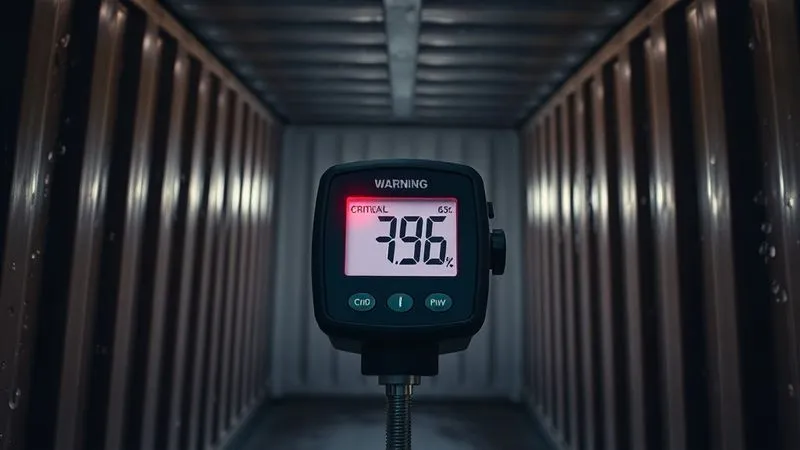
- Temperature & Humidity Tracking: Deploy sensors within containers to continuously monitor environmental conditions. Real-time alerts can notify you of deviations, allowing for intervention before spoilage occurs.
- GPS Location Tracking: Beyond knowing *where* your shipment is, real-time GPS can help predict arrival times and identify unexpected stops or route deviations that might indicate a customs hold.
- Data Logging: Comprehensive data logs provide irrefutable evidence of conditions during transit, which can be crucial for insurance claims or disputing customs decisions.
2. Predictive Analytics & AI
Moving beyond reactive measures, AI and predictive analytics can forecast potential issues before they manifest.
- Delay Prediction: AI algorithms can analyze historical customs data, weather patterns, port congestion, and geopolitical events to predict the likelihood of delays on specific routes or at certain ports.
- Route Optimization: Based on predictive insights, AI can suggest alternative routes or shipping modes that minimize risk and transit time, even dynamically adjusting mid-journey.
- Automated Compliance Checks: AI can rapidly scan and cross-reference documentation against regulatory databases, flagging potential errors before submission, thus significantly reducing the chances of a customs hold.
The integration of advanced technologies in supply chain management is transforming how businesses approach logistics challenges. A Deloitte study on the future of supply chains highlights how digital transformation drives efficiency and resilience, particularly in complex areas like perishable goods logistics.

Navigating Specific Customs Hurdles
Customs delays are rarely monolithic; they often stem from specific issues that require targeted solutions. Understanding these common hurdles is crucial for effective mitigation when you need to navigate unexpected customs delays for perishable goods.
1. Agricultural & Sanitary Inspections
For food, plants, and animal products, these inspections are rigorous and non-negotiable. They are designed to prevent the spread of pests, diseases, and contaminants.
- Common Issues: Incomplete phytosanitary certificates, presence of pests, non-compliance with residue limits, or mislabeled organic claims.
- Pre-inspection Tips: Ensure your suppliers are fully compliant with the importing country's specific regulations. Conduct pre-shipment inspections yourself or through third parties. Use pest-free packaging and certified treatment methods.
- Expedited Release: Some countries offer 'trusted trader' programs or pre-clearance options for frequent, compliant importers, which can expedite these critical inspections.
2. Documentation Discrepancies
This is arguably the most frequent cause of delays. Even minor errors can lead to significant holds.
- Common Issues: Mismatches between commercial invoices and packing lists, incorrect HS codes, missing permits, or expired certificates.
- Correcting Errors Quickly: Have a rapid response protocol for document amendments. This often requires immediate communication with the origin shipper, your broker, and customs officials. Digital document platforms can significantly speed up this process.
- Authorized Signatures: Ensure all documents are signed by authorized personnel and that signatures are legible and verifiable.
3. Unforeseen Quotas & Tariffs
Trade policies can change, and quotas can be filled, leading to unexpected duties or outright rejections.
- Staying Updated: Regularly monitor trade news and official government bulletins for changes in import regulations, quotas, and tariff rates for your specific products. Your customs broker should also provide these updates proactively.
- Bond Options: In some cases, if duties are disputed or pending, a customs bond can allow for the release of goods while the issue is resolved, preventing spoilage.
Familiarity with international trade agreements and regulations, such as those established by the World Trade Organization (WTO), is vital for anticipating and mitigating tariff-related challenges.
Building Strong Relationships: The Human Element
While technology and processes are critical, never underestimate the power of human relationships in navigating the complexities of international trade. Trust and mutual understanding with your partners and even customs officials can often be the decisive factor when you need to navigate unexpected customs delays for perishable goods.
1. Nurturing Broker & Carrier Partnerships
Your customs broker and freight forwarder are more than just service providers; they are extensions of your team, especially when dealing with time-sensitive cargo.
- Regular Reviews: Conduct periodic performance reviews with your partners. Discuss successes, identify areas for improvement, and ensure alignment on key performance indicators (KPIs) related to transit times and delay resolution.
- Shared Goals: Foster a relationship where your partners feel invested in your success. Shared goals and transparent communication lead to more proactive problem-solving.
- Fair Compensation: Recognize that specialized services for perishables might come at a premium. Investing in reliable, experienced partners often prevents much larger losses down the line.
2. Engaging Proactively with Customs Authorities
Building a reputation as a compliant and trustworthy importer can open doors and expedite processes.
- Trusted Trader Programs (e.g., AEO, C-TPAT): Investigate and apply for trusted trader programs in your importing countries. These programs offer benefits like reduced inspections, expedited processing, and dedicated customs contacts. They demonstrate your commitment to security and compliance.
- Pre-Clearance Initiatives: Where available, utilize programs that allow for customs clearance while goods are still in transit, significantly reducing dwell times at the border.
- Open Communication: If you foresee a potential issue, communicate proactively with customs through your broker. Honesty and transparency can often lead to a more favorable outcome than waiting for them to discover a problem.
Many countries offer programs like the Authorized Economic Operator (AEO) status, which can significantly streamline customs processes. Information on these programs can typically be found on the respective national customs authority websites, such as the European Commission's AEO page.

Post-Delay Analysis & Continuous Improvement
A delay, while painful, is also a valuable learning opportunity. The process shouldn't end once the cargo is released. A thorough post-mortem is essential for preventing future occurrences and continuously refining your supply chain resilience.
1. Root Cause Analysis
Don't just fix the immediate problem; understand *why* it happened.
- Identify the Source: Was the delay due to a documentation error, a customs policy change, carrier issue, supplier mistake, or unforeseen external factors? Pinpoint the exact trigger.
- Process Breakdown: Where in your internal or external processes did the breakdown occur? Was there a lack of communication, an oversight, or an outdated procedure?
- Stakeholder Feedback: Gather feedback from everyone involved – your internal team, the customs broker, the carrier, and even the receiving customer. Their perspectives are crucial.
2. Updating SOPs & Training
Integrate lessons learned into your standard operating procedures (SOPs) and ensure your team is fully aware of them.
- Revise Documentation Checklists: Update your pre-shipment checklists to include new requirements or common pitfalls identified during the analysis.
- Enhance Contingency Plans: Refine your emergency protocols based on what worked and what didn't during the delay.
- Staff Training: Conduct regular training sessions for your logistics, sales, and compliance teams on updated procedures, regulatory changes, and effective crisis management for perishable goods.
3. Performance Metrics & Benchmarking
What gets measured gets managed. Track your performance to ensure continuous improvement.
- Delay Frequency & Duration: Monitor the number of delays and their average duration. Aim for a consistent reduction over time.
- Cost of Delays: Quantify the financial impact of each delay, including spoilage, demurrage, expedited fees, and lost sales.
- Broker/Carrier Performance: Evaluate your partners' effectiveness in preventing and resolving delays.
A simple dashboard could track these metrics:
| Metric | Q1 2023 | Q2 2023 | Q3 2023 | Target |
|---|---|---|---|---|
| Average Delay Duration (Hours) | 24 | 18 | 10 | <8 |
| Spoilage Rate Due to Delays (%) | 3.5 | 2.0 | 1.0 | <0.5 |
| Expedited Fees (USD) | 5,000 | 2,500 | 1,000 | <500 |
| On-Time Delivery Rate (%) | 85 | 90 | 95 | >98 |
Frequently Asked Questions (FAQ)
Q: What's the fastest way to get customs to release perishable goods? The fastest way typically involves a combination of proactive measures: flawless documentation pre-lodged digitally, working with a specialized customs broker who has established relationships with customs officials, and utilizing any available expedited clearance programs for perishables. Immediate, transparent communication with customs through your broker is also key once a delay occurs.
Q: Can insurance cover spoilage due to customs delays? Cargo insurance policies vary significantly. While some comprehensive policies may cover spoilage due to unforeseen customs delays, many standard policies have exclusions for delays, governmental action, or inherent vice (the natural deterioration of the goods). It's crucial to review your specific policy with your insurer or broker and consider specialized perishable cargo insurance that explicitly covers these scenarios.
Q: How do Free Trade Agreements (FTAs) impact perishable customs clearance? FTAs can significantly streamline customs clearance for perishables by reducing or eliminating tariffs and simplifying documentation requirements, provided the goods meet the rules of origin. This can reduce the financial incentive for customs to hold goods for duty disputes. However, sanitary and phytosanitary (SPS) measures, which are critical for perishables, are generally maintained even under FTAs, and compliance remains paramount.
Q: What role does blockchain play in future perishable logistics? Blockchain technology holds immense promise for perishable logistics. By creating an immutable, transparent, and shared ledger for all supply chain transactions – from origin to destination – it can enhance traceability, verify authenticity, and automate compliance checks. This can drastically reduce documentation errors, speed up customs processes, and provide real-time visibility into every step of the cold chain, helping to prevent and mitigate delays.
Q: What are "trusted trader" programs, and should I join one? Trusted trader programs (like AEO in the EU, C-TPAT in the US, or PIP in Canada) are initiatives where customs authorities certify businesses that meet specific security and compliance standards. Members often receive benefits such as fewer physical inspections, priority processing, and dedicated customs contacts, which can be invaluable for perishable goods. If you frequently import or export, especially high-value or time-sensitive goods, joining such a program is highly recommended to expedite clearance and reduce delays.
Key Takeaways and Final Thoughts
- Proactive Preparedness is Paramount: Meticulous documentation, strategic partner selection, and robust contingency planning are your first lines of defense against unexpected customs delays.
- Rapid Response is Critical: When delays strike, immediate, informed communication and the swift execution of pre-approved plans are essential to mitigate losses for perishable goods.
- Leverage Technology: Tools like IoT sensors, real-time tracking, and predictive analytics offer unparalleled visibility and control, transforming reactive responses into proactive strategies.
- Cultivate Relationships: Strong partnerships with brokers, carriers, and a compliant, transparent relationship with customs authorities can often expedite resolution and foster smoother trade.
- Continuous Improvement: Every delay is a learning opportunity. Analyze, adapt, and refine your processes to build an increasingly resilient and efficient supply chain.
Navigating unexpected customs delays for perishable goods is undoubtedly one of the most challenging aspects of international trade. However, by adopting a strategic, expert-driven approach – one that blends meticulous preparation with agile response and leverages the power of technology and strong relationships – you can significantly reduce risks and protect your valuable cargo. Remember, in the world of perishables, time isn't just money; it's the very essence of your product's integrity. Equip yourself with these strategies, and you'll be well-positioned to turn potential crises into routine challenges, ensuring your fresh produce, pharmaceuticals, and other time-sensitive goods reach their destination as intended.
Recommended Reading
- 7 Proven Steps When Failing to Spot New Market Opportunities
- 8 Proven Ways to Boost Sagging Revenue When Your Sales Pipeline is Dry
- 7 Proven Strategies: Stop Scope Creep & Reclaim Your Project Timelines
- Slash Churn by 15%: Customer Behavior Data Strategies Revealed
- The Ultimate Guide: How to Identify & Track Operational Performance Gaps






Comments
Leave a comment below. Your email will not be published. Required fields marked with *