


How to boost struggling franchisee sales by 20% in six months?
For over 15 years, I've had the privilege of working with hundreds of franchisees, from ambitious startups to established operations facing unexpected headwinds. One of the most heartbreaking scenarios I've witnessed is a passionate franchisee, brimming with potential, watching their sales plateau or, worse, decline. The feeling of helplessness can be overwhelming, but I'm here to tell you: it doesn't have to be your story.
The challenge of boosting struggling franchisee sales by 20% in six months might seem daunting, almost impossibly aggressive. Many believe it requires a silver bullet or an unattainable marketing budget. However, in my experience, it often comes down to a methodical, data-driven approach combined with unwavering execution and a fresh perspective on core business fundamentals.
This article isn't about quick fixes or generic advice. Instead, I'll share a comprehensive, actionable framework – a battle-tested roadmap – designed to help you not just recover, but thrive. We'll dive into specific strategies, dissect real-world scenarios, and equip you with the insights needed to implement a robust plan to boost struggling franchisee sales by 20% in six months, transforming your business trajectory.
Diagnosing the Root Causes of Underperformance
Before you can fix a problem, you must understand its true nature. Too often, franchisees jump to solutions without a proper diagnosis, leading to wasted resources and continued frustration. The first step in our six-month turnaround plan is a rigorous, honest assessment.
The Data Doesn't Lie: Deep Dive into Metrics
Your point-of-sale (POS) system, CRM, and accounting software are treasure troves of information. We need to go beyond surface-level sales figures and dig into the granular data. This is where the real story of your business is told.
- Analyze Sales Trends: Look at daily, weekly, and monthly sales data over the past 12-24 months. Identify specific dips or plateaus. Are there seasonal patterns you're missing?
- Customer Acquisition Cost (CAC) vs. Lifetime Value (LTV): Do you know what it costs to acquire a new customer? Is that cost sustainable given what they spend over time? A high CAC or low LTV is a flashing red light.
- Conversion Rates: Track how many inquiries turn into leads, and how many leads turn into paying customers. Where are the drop-offs in your sales funnel?
- Average Transaction Value (ATV) & Items Per Transaction (IPT): Are your customers buying enough each visit? Are your team members effectively upselling or cross-selling?
- Customer Retention & Churn Rates: It's often cheaper to keep an existing customer than acquire a new one. Are your loyal customers leaving? Why?
Understanding these metrics is foundational. Without them, any attempt to boost struggling franchisee sales by 20% in six months is akin to flying blind.
| Metric | Before Analysis | Target (6 Months) |
|---|---|---|
| Sales Growth (YoY) | -5% | +20% |
| Customer Acquisition Cost | $50 | $40 |
| Conversion Rate | 8% | 12% |
| Average Transaction Value | $35 | $42 |
| Customer Retention Rate | 60% | 75% |
Beyond the Numbers: Operational & Market Factors
Sometimes, the numbers don't tell the whole story. You need to look at the qualitative aspects of your business and market environment.
- Customer Experience Audit: Secret shop your own store or service. How's the staff interaction? Cleanliness? Speed of service?
- Competitor Analysis: What are your closest competitors doing well? Where are their weaknesses? Have they introduced new products or pricing strategies?
- Local Market Shifts: Has a new competitor opened nearby? Has the local demographic changed? Are there economic factors impacting your customer base?
- Staff Morale & Training: An unmotivated or untrained team can severely impact sales and customer satisfaction.
Re-engaging Your Local Market: Hyper-Targeted Marketing
Once you understand *why* sales are down, the next step is to strategically re-engage your target audience. Generic, one-size-fits-all marketing rarely works. We need precision.
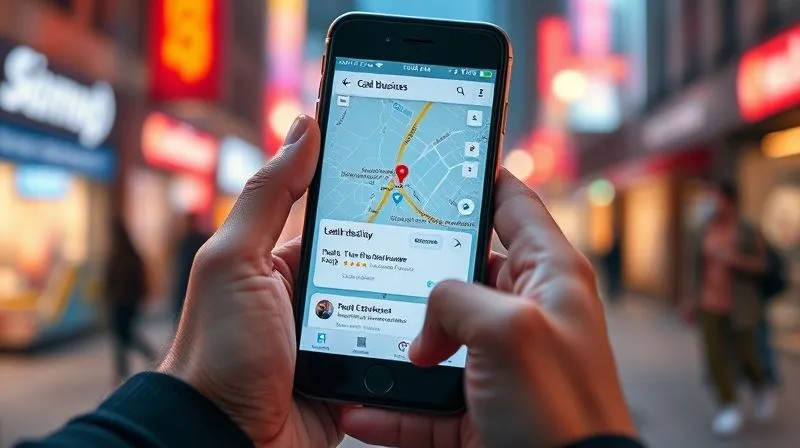
Local SEO & Online Presence Optimization
In today's digital age, if you're not easily found online, you're invisible. Local SEO is crucial for franchisees.
- Google My Business (GMB) Optimization: Ensure your GMB profile is 100% complete, accurate, and regularly updated with photos, posts, and responses to reviews. Encourage customers to leave reviews.
- Local Keyword Strategy: Identify keywords people use to find businesses like yours in your specific area (e.g., "best coffee shop [your city]", "[your service] near me"). Integrate these into your website and GMB.
- Review Management: Actively solicit reviews on platforms like Google, Yelp, and industry-specific sites. Respond promptly and professionally to all reviews, positive and negative.
- Social Media Local Engagement: Use social media to engage with your local community. Share local news, sponsor local events, and run geo-targeted ads.
According to a BrightLocal study, 98% of consumers use the internet to find information about local businesses. This isn't just a suggestion; it's a mandate.
Community Engagement & Partnerships
Offline efforts are just as vital for a local business. Become an indispensable part of your community.
- Local Events & Sponsorships: Participate in local fairs, sponsor school sports teams, or host charity events. This builds brand loyalty and visibility.
- Strategic Local Partnerships: Collaborate with complementary local businesses. A coffee shop could partner with a bookstore; a gym with a health food store. Cross-promotion can be incredibly powerful.
- Loyalty Programs: Implement a robust loyalty program that rewards repeat customers and incentivizes referrals.
Optimizing the Customer Journey: From Lead to Loyalty
It's not enough to attract customers; you must convert them into loyal advocates. Every touchpoint matters.
Enhancing the In-Store/Service Experience
The moment a customer interacts with your business is your chance to shine. This directly impacts sales and retention.
- First Impressions: Is your storefront inviting? Is your online booking system seamless? Make it easy and pleasant for customers to engage.
- Staff Training on Service Excellence: Your team is your frontline. Invest in training on product knowledge, empathetic communication, and problem-solving.
- Personalization: Where possible, use customer data to personalize their experience. Remember names, preferences, and past purchases.
- Feedback Loop: Actively solicit feedback (surveys, comment cards, direct conversations) and, more importantly, *act* on it.
Leveraging CRM and Follow-Up Systems
Customer Relationship Management (CRM) isn't just for big corporations; it's essential for any business aiming to boost struggling franchisee sales by 20% in six months.
Case Study: How 'Smoothie King Franchisee' Boosted Repeat Business
A Smoothie King franchisee in a suburban market was struggling with inconsistent sales, despite good foot traffic. Their initial diagnosis revealed a low repeat customer rate. Working with their franchisor, they implemented a simple, yet effective CRM strategy. They started collecting customer emails at the point of sale, offering a small discount for sign-up. This allowed them to segment customers based on purchase history and send targeted promotions (e.g., a "buy one, get one free" offer on a customer's favorite smoothie, or a birthday discount). Within three months, their email open rates soared, and their repeat customer rate increased by 15%. This direct marketing, fueled by CRM data, contributed significantly to their overall sales growth, putting them on track to exceed their 20% target.
Empowering Your Team: Training, Motivation, and Accountability
Your team is your greatest asset. A well-trained, motivated team can transform a struggling operation into a sales powerhouse. This is a critical lever to pull if you want to boost struggling franchisee sales by 20% in six months.
Sales Training & Product Knowledge Refreshers
Never assume your team knows everything. Regular, engaging training is paramount.
- Product/Service Deep Dives: Ensure every team member can articulate the unique benefits of what you offer, not just the features.
- Objection Handling: Role-play common customer objections and equip your team with confident, effective responses.
- Upselling & Cross-selling Techniques: Train on ethical, value-driven methods to increase Average Transaction Value.
- Customer Service Scenarios: Prepare your team for challenging customer interactions and empower them to resolve issues effectively.
Incentive Programs & Performance Tracking
What gets measured gets managed, and what gets rewarded gets repeated.
- Set Clear Sales Goals: Communicate individual and team sales targets. Make them SMART (Specific, Measurable, Achievable, Relevant, Time-bound).
- Implement Performance Tracking: Use your POS or a simple spreadsheet to track individual sales metrics (ATV, IPT, conversion rates). Share these metrics transparently.
- Reward & Recognition: Introduce sales contests, bonuses, or non-monetary rewards (e.g., gift cards, extra time off) for hitting and exceeding goals.
- Regular Coaching & Feedback: Conduct one-on-one check-ins to provide constructive feedback, celebrate successes, and address challenges.
"Your employees are your first customers. If they're not buying into your vision and feeling valued, your external customers won't either." - In my experience, this holds true across every industry.

Strategic Pricing & Product/Service Innovation
Sometimes, the issue isn't just about getting more customers, but optimizing what you sell and at what price. This can be a quick win to boost struggling franchisee sales by 20% in six months.
Smart Pricing Strategies for Profitability
Pricing is both an art and a science. It's not about being the cheapest, but about offering perceived value.
- Value-Based Pricing: Understand what your customers truly value and price accordingly. Are you underselling your unique benefits?
- Bundling: Offer packages of products or services at a slightly reduced price compared to buying them individually. This increases ATV.
- Promotional Pricing: Use limited-time offers, discounts, or loyalty rewards strategically to drive traffic during slow periods, but avoid devaluing your brand.
- Competitive Pricing Analysis: Regularly review competitor pricing, but don't blindly match it. Understand your unique selling proposition.
Identifying New Revenue Streams & Upselling Opportunities
Look for ways to expand your offering within your existing framework.
- Complementary Products/Services: Can you add a high-margin item that naturally fits with your core offering? (e.g., a coffee shop selling local pastries, a salon offering premium hair products).
- Subscription/Membership Models: For certain businesses, a recurring revenue model can provide stability and predictable income.
- Special Events or Workshops: Can you host unique events that attract new customers and generate additional revenue?
- Upselling/Cross-selling Training: Reinforce the training from the previous section. Make sure your team is actively identifying opportunities to increase each sale.
Financial Acumen for Franchisees: Managing for Growth
Boosting sales is only half the battle; you must also ensure those sales translate into profit. A strong understanding of your unit economics is non-negotiable.
Understanding Unit Economics & Cost Control
Every dollar saved on expenses is a dollar added to your bottom line, directly impacting your ability to reinvest for growth.
- Detailed P&L Review: Go through your Profit & Loss statement line by line. Identify areas of excessive spending.
- Cost of Goods Sold (COGS) Analysis: Are your suppliers competitive? Can you negotiate better terms? Is there waste in your inventory management?
- Labor Cost Optimization: Are you adequately staffed, but not overstaffed, during peak and off-peak hours?
- Marketing ROI: Which marketing efforts are yielding the best return? Cut those that aren't performing.

Cash Flow Management & Reinvestment
Positive cash flow is the lifeblood of any business. Without it, even profitable sales can't sustain you.
- Cash Flow Projections: Develop realistic 3-6 month cash flow forecasts.
- Working Capital Management: Optimize inventory levels to avoid tying up too much cash.
- Strategic Reinvestment: As sales improve, strategically reinvest a portion of profits back into growth initiatives (e.g., new equipment, enhanced marketing, staff training).
The Power of Peer Learning and Franchisor Support
You are not alone in this journey. Leveraging your franchise network and the resources provided by your franchisor can be a game-changer when you want to boost struggling franchisee sales by 20% in six months.
Leveraging Franchisee Networks
Other franchisees in your system have likely faced similar challenges and found solutions.
- Franchisee Forums & Groups: Actively participate in online forums, WhatsApp groups, or regular calls with fellow franchisees. Share experiences, ask questions, and learn from others' successes and failures.
- Mentorship: Seek out a high-performing franchisee within your system and ask if they'd be willing to mentor you. Their practical advice can be invaluable.
- Regional Meetings: Attend any regional or national franchisee meetings. These are excellent opportunities for networking and learning best practices.
Maximizing Franchisor Resources
Your franchisor has a vested interest in your success. They often have a wealth of resources at their disposal.
- Dedicated Field Support: Work closely with your Franchise Business Consultant (FBC) or field representative. They are trained to help you diagnose and solve problems.
- Marketing & Branding Assets: Utilize the professional marketing materials, campaigns, and branding guidelines provided by the franchisor. Don't try to reinvent the wheel.
- Training Programs: Take advantage of any advanced training programs, webinars, or workshops offered by the franchisor for operations, sales, or management.
- Data & Benchmarking: Your franchisor likely has aggregated data from across the system. Ask for benchmarks to see how your unit compares and identify areas for improvement. As Harvard Business Review suggests, a strong franchisor-franchisee relationship is built on mutual support and shared success.
Setting Milestones and Sustaining Momentum
A 20% sales boost in six months requires focus and consistent effort. Break down your big goal into smaller, manageable milestones.
The 90-Day Sprint: Short-Term Wins
The first three months are critical for building momentum and confidence.
- Month 1: Diagnosis & Foundation: Focus on deep data analysis, GMB optimization, and initial staff training. Target a 2-3% sales increase through improved conversion and ATV.
- Month 2: Marketing & Experience Refinement: Launch local marketing campaigns, refine customer service processes, and implement a basic loyalty program. Aim for another 5-7% sales increase.
- Month 3: Team Empowerment & Upselling: Intensify sales training, launch incentive programs, and review initial results for adjustments. Seek an additional 5-7% sales jump.
Continuous Improvement & Adaptation
The business landscape is constantly evolving. Your plan needs to be dynamic.
- Regular Performance Reviews: Review your key metrics weekly and monthly. Celebrate successes, identify what's not working, and adjust your strategies accordingly.
- Seek External Feedback: Periodically survey customers, conduct mystery shops, and even ask for candid feedback from trusted advisors or other business owners.
- Stay Agile: Be prepared to pivot. If a marketing campaign isn't yielding results, don't keep pouring money into it. If a new product isn't selling, don't let it sit on the shelves. As Forbes highlights, agility is key to modern business success.

Frequently Asked Questions (FAQ)
How quickly can I expect to see results from these strategies? While the goal is a 20% boost in six months, you should start seeing incremental improvements within the first 4-8 weeks, especially from initiatives like GMB optimization, targeted promotions, and enhanced staff engagement. Consistent effort and tracking are key to accelerating these early wins.
What if I don't have a big marketing budget to implement these changes? Many of the strategies I've outlined, particularly local SEO, community engagement, and improving customer experience, are highly effective and can be executed with minimal marketing spend. Focus on high-impact, low-cost activities first, leverage your franchisor's provided assets, and strategically reallocate any existing marketing budget to the most effective channels identified through your data analysis.
How much support can I realistically expect from my franchisor? The level of franchisor support varies by system, but most reputable franchisors offer significant resources. You should expect access to marketing materials, operational manuals, training programs, and a dedicated field consultant. It's crucial to actively engage with your franchisor, communicate your challenges, and utilize the resources they provide. Don't wait for them to come to you; proactively seek their guidance.
What's the biggest mistake struggling franchisees make? In my experience, the biggest mistake is often a lack of consistent, data-driven action and an unwillingness to critically assess their own operations. Many get stuck in a cycle of blaming external factors or trying one-off, uncoordinated solutions. A structured approach, combined with a commitment to continuous improvement and leveraging available support, is essential.
How do I measure success beyond just sales numbers? While sales are critical, true success encompasses more. Track metrics like customer satisfaction (e.g., Net Promoter Score), employee retention, average transaction value, conversion rates, and repeat customer rates. These indicators provide a holistic view of your business health and often predict future sales growth.
Key Takeaways and Final Thoughts
To summarize, achieving a 20% sales boost in six months for a struggling franchisee is an ambitious but entirely attainable goal. It requires a multi-faceted approach, blending rigorous analysis with decisive action.
- Diagnose Accurately: Don't guess; use data to understand the root causes of underperformance.
- Market Hyper-Locally: Optimize your online and offline presence to re-engage your immediate community.
- Elevate Experience: Every customer interaction is an opportunity for conversion and loyalty.
- Empower Your Team: Invest in training, motivation, and accountability for your frontline staff.
- Strategize Pricing & Offerings: Optimize what you sell and how you price it for maximum profitability.
- Master Your Finances: Understand your unit economics and manage cash flow wisely.
- Leverage Your Network: Don't underestimate the power of franchisor support and peer learning.
The journey to boost struggling franchisee sales by 20% in six months won't be without its challenges, but with dedication, a clear plan, and the willingness to adapt, you can absolutely turn your business around. Remember, every successful franchise story has moments of struggle; it's how you respond to them that defines your legacy. Embrace this challenge, stay focused, and watch your sales climb. For more insights on business turnaround strategies, consider resources like Entrepreneur's franchise section.
Recommended Reading
- Startup Growth: Best Customer Acquisition Strategies to Explode!
- High Sales, Low Profit? 7 Cash Flow Fixes for Your Business
- 5 Ways to Use Customer Data for Proactive Service Excellence
- 7 Urgent Steps: Navigate Unexpected Trade Sanctions in Foreign Operations
- 7 Reasons Your Mobile Marketing ROI is Zero & How to Fix It





Comments
Leave a comment below. Your email will not be published. Required fields marked with *