


How to Manage Cash Flow When Sales Are High But Profits Low: The Expert's Guide
For over 15 years in financial management, I've witnessed a perplexing and often devastating scenario unfold in businesses across various sectors: the 'high sales, low profit' paradox. It's a situation where the top line looks fantastic, growth seems assured, yet the bank account tells a different story – cash is perpetually tight, and liquidity is a constant battle. This isn't just a minor inconvenience; it's a fundamental threat to a company's survival, even when it appears to be thriving.
This pain point is real and deeply frustrating for business owners. You're putting in the work, closing deals, expanding your customer base, and seeing impressive revenue numbers. Yet, despite all this apparent success, you find yourself constantly chasing payments, delaying supplier invoices, or even struggling to meet payroll. The disconnect between robust sales and dwindling cash flow can feel like an unsolvable riddle, leading to stress, sleepless nights, and ultimately, a halt in growth or worse.
But rest assured, this isn't an unsolvable problem. In this definitive guide, I'll share the frameworks, actionable strategies, and expert insights I've developed and refined over decades. We'll dive deep into understanding why this paradox occurs and, more importantly, equip you with the tools to effectively manage cash flow when sales are high but profits low, transforming your business from a revenue-rich, cash-poor entity into a truly profitable and sustainable enterprise. You'll learn how to dissect your financials, optimize your operations, and make strategic decisions that prioritize cash health without sacrificing growth.
The Paradox Unpacked: Why High Sales Don't Always Mean High Profits
Before we can fix the problem, we must truly understand its roots. The 'high sales, low profit' scenario often stems from a fundamental misunderstanding of the difference between revenue, profit, and cash flow. Many entrepreneurs mistakenly equate high sales with automatic profitability and healthy cash reserves, but these three metrics tell distinct stories about your business's financial health.
Revenue is simply the total amount of money generated from sales. Profit is what's left after subtracting the costs associated with those sales (Cost of Goods Sold or COGS) and operating expenses. Cash flow, however, is the movement of money in and out of your business – when it arrives and when it leaves. It's possible to have high revenue and even decent profit on paper, but still suffer from poor cash flow due to timing differences, inefficient processes, or unfavorable payment terms.
Common Culprits Behind the Cash Flow Crunch
- Aggressive Growth Without Capital: Rapid sales growth often demands more working capital. You need to buy more inventory, increase production, hire more staff, and extend more credit to customers. If you don't have the cash or financing to support this expansion, you'll quickly run into a liquidity crunch.
- Poor Pricing Strategy: Selling at prices that are too low to cover your full costs (COGS + operating expenses) and provide a healthy margin. High volume at low margins can quickly deplete cash.
- Inefficient Inventory Management: Holding too much inventory ties up significant cash. Slow-moving or obsolete stock is a cash drain. Conversely, not enough inventory can lead to missed sales, but the former is more common in this paradox.
- Lax Accounts Receivable (AR) Management: Customers taking too long to pay their invoices. Every day an invoice goes unpaid, your cash is stuck in their hands, not yours.
- Uncontrolled Operating Expenses: As sales grow, businesses sometimes allow operating expenses (salaries, marketing, rent, utilities) to balloon disproportionately, eating into potential profits and cash.
- Unfavorable Payment Terms: Paying suppliers quickly (e.g., net 15) while collecting from customers slowly (e.g., net 60). This creates a perpetual cash deficit.
- Hidden Costs & Discounts: Excessive discounts, returns, or warranty claims can erode margins, making high sales less profitable than they appear.
Understanding these underlying causes is the first critical step toward implementing effective solutions. As Harvard Business Review often highlights, cash is king, and its management is paramount for long-term viability, regardless of your sales volume.
Decoding Your Financial Statements: Beyond the P&L
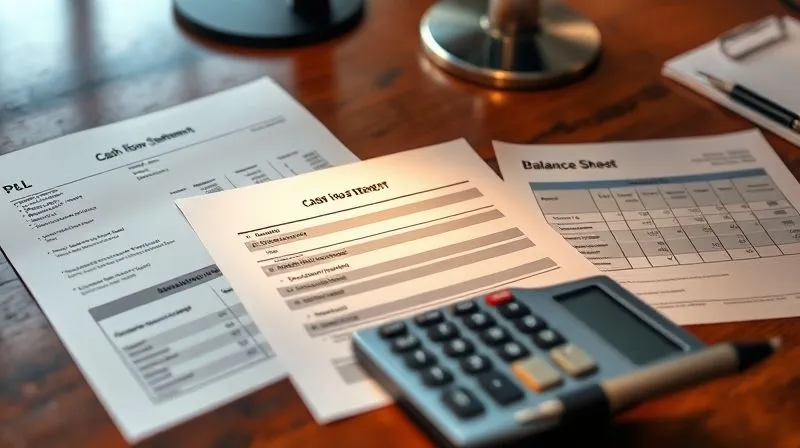
Many business owners focus almost exclusively on the Profit & Loss (P&L) statement. While crucial for understanding profitability, the P&L doesn't tell the full cash story. To truly understand how to manage cash flow when sales are high but profits low, you need to become intimately familiar with your Cash Flow Statement and Balance Sheet. These documents are your X-ray vision into the financial health of your business.
The Cash Flow Statement: Your True North
The Cash Flow Statement categorizes cash movements into three activities: operating, investing, and financing. This statement directly answers the question: where did my cash come from, and where did it go?
- Cash Flow from Operations: This is perhaps the most critical section. It shows the cash generated from your primary business activities. If this number is consistently negative, even with high sales, it's a huge red flag. It indicates that your core business isn't generating enough cash to sustain itself.
- Cash Flow from Investing: Relates to buying or selling assets (e.g., equipment, property).
- Cash Flow from Financing: Deals with debt, equity, and dividends.
Actionable Step: Analyze Operating Cash Flow: Regularly review your operating cash flow. If it's weak despite strong sales, investigate changes in working capital (accounts receivable, inventory, accounts payable). A surge in sales often means a surge in AR and inventory, which consumes cash, even if those sales will eventually turn into profit.
The Balance Sheet: Unveiling Asset & Liability Traps
The Balance Sheet provides a snapshot of your company's assets, liabilities, and equity at a specific point in time. It's essential for understanding your working capital position.
- Current Assets: Cash, accounts receivable, inventory. These are assets expected to be converted to cash within one year.
- Current Liabilities: Accounts payable, short-term debt. These are obligations due within one year.
Working Capital = Current Assets - Current Liabilities. A healthy positive working capital is crucial for day-to-day operations. If your sales are high but cash is low, your balance sheet might reveal ballooning accounts receivable or excessive inventory, indicating cash trapped in non-liquid assets. Conversely, a rapidly growing accounts payable could signal you're relying on supplier credit to manage cash, which isn't sustainable long-term.
Expert Insight: "Your P&L tells you if you're making money, but your Cash Flow Statement tells you if you can survive. Your Balance Sheet reveals the structural soundness of your operations, especially how efficiently you convert sales into usable cash."
Optimizing Your Working Capital: The Engine of Liquidity
Working capital management is the bedrock of strong cash flow, especially when sales are high but profits low. It's about efficiently managing your current assets and liabilities to maximize liquidity. This is where many businesses falter, allowing cash to get trapped in the operational cycle.
Sharpening Accounts Receivable Management
Your accounts receivable (AR) represents money owed to you by customers. The longer it takes to collect, the worse your cash flow. High sales mean more AR, and if not managed well, it becomes a significant cash sink.
- Set Clear Payment Terms: Clearly communicate payment terms (e.g., Net 30) upfront.
- Automate Invoicing: Send accurate invoices promptly, ideally immediately upon service delivery or product shipment.
- Offer Early Payment Incentives: Consider a small discount (e.g., 2% for payment within 10 days) to encourage faster payments.
- Implement a Robust Follow-Up System: Don't wait. Send reminders before due dates, on due dates, and follow up aggressively after. Use automated systems for initial reminders, and personal calls for overdue accounts.
- Pre-Screen Customers: For new, large clients, consider credit checks to assess their payment reliability.
- Consider Factoring or Invoice Financing: If you have a consistent cash crunch, selling your invoices to a third party (factoring) or using them as collateral for a loan might be an option, albeit at a cost.
Strategic Accounts Payable Management
Accounts payable (AP) is money you owe to your suppliers. While you want to collect quickly, you want to pay strategically.
- Negotiate Longer Payment Terms: Aim for Net 45 or Net 60 with your suppliers, especially if your customer payment terms are long.
- Avoid Early Payments Without Discount: Unless there's a significant early payment discount, hold onto your cash for as long as possible within the agreed terms.
- Automate Payments: Ensure you pay on time to maintain good vendor relationships, but not unnecessarily early.
Inventory Control: A Double-Edged Sword
Inventory is often the largest single investment for many product-based businesses. Too much inventory ties up cash; too little can lead to missed sales. The goal is the 'Goldilocks' amount – just right.
- Implement Just-In-Time (JIT) Principles: Where feasible, minimize inventory holding by receiving goods only as they are needed for production or sale.
- Analyze Inventory Turnover: Regularly calculate how quickly you sell your inventory. Low turnover means cash is stuck.
- Forecast Demand Accurately: Use historical sales data, seasonal trends, and market intelligence to improve forecasting and avoid overstocking.
- Negotiate Consignment or Vendor-Managed Inventory (VMI): Explore options where suppliers own the inventory until it's sold or they manage stock levels at your location.
Re-evaluating Your Pricing Strategy and Cost Structure
High sales but low profits often point directly to issues with your pricing or your underlying cost structure. It's not enough to just sell more; you need to sell profitably. A detailed analysis is required here to truly understand your margins.
Pricing for Profit, Not Just Volume
Many businesses, especially in competitive markets, fall into the trap of underpricing to drive sales volume. This is a classic reason for the 'high sales, low profit' dilemma. It's crucial to understand your true costs.
- Calculate Your True Cost of Goods Sold (COGS): This includes all direct costs of producing your product or service. Don't forget shipping, packaging, and any direct labor.
- Determine Your Break-Even Point: How many units do you need to sell at a certain price to cover all your fixed and variable costs?
- Value-Based Pricing: Instead of just cost-plus, consider what value your product or service provides to the customer. Can you justify a higher price based on unique benefits, quality, or customer service?
- Tiered Pricing & Upselling: Offer different price points and look for opportunities to upsell or cross-sell higher-margin products/services.
- Regular Price Reviews: Don't set prices once and forget them. Review them periodically to account for cost increases, market changes, and competitive shifts.
Ruthless Cost Analysis and Reduction
As your sales grow, so too can your operating expenses if you're not vigilant. These 'indirect' costs can quickly erode profits even if your COGS is well-managed.
- Categorize and Analyze All Expenses: Use accounting software to categorize every expense. Look for trends and spikes.
- Identify Non-Essential Spending: Are there subscriptions, services, or perks that aren't directly contributing to revenue or essential operations?
- Negotiate with Suppliers: Don't be afraid to renegotiate terms with existing suppliers, especially if your purchase volume has increased. Explore alternative suppliers.
- Optimize Staffing: Are you overstaffed for certain functions? Can you leverage automation to reduce labor costs? Be cautious here; staff are an asset, but efficiency is key.
- Review Overhead: Rent, utilities, insurance – these are often fixed but can sometimes be optimized (e.g., energy-saving measures, reviewing insurance policies).
According to a study by Deloitte, businesses that proactively manage their costs can improve profitability by 10-15% without sacrificing growth. This highlights the power of cost control in boosting your bottom line and, by extension, your cash flow.
Leveraging Technology for Predictive Cash Flow Management
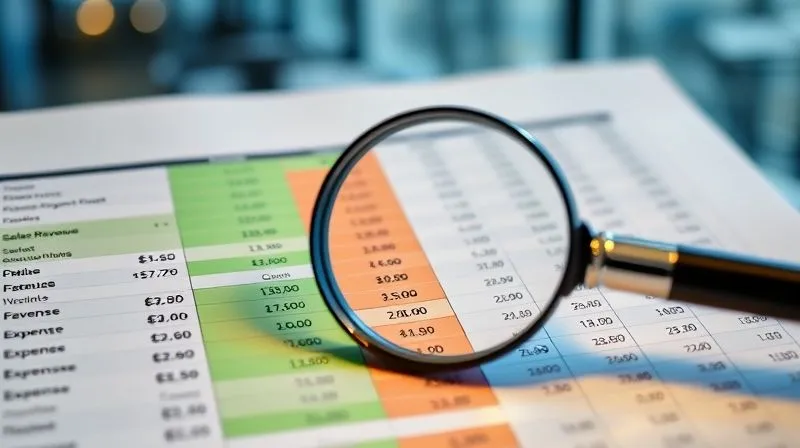
In today's fast-paced business environment, relying on historical data alone is insufficient. You need predictive capabilities to truly master how to manage cash flow when sales are high but profits low. Technology is your greatest ally here, transforming reactive responses into proactive strategies.
Building Accurate Cash Flow Forecasts
A cash flow forecast is a projection of your future cash inflows and outflows over a specific period (e.g., 13 weeks, monthly, annually). It's a living document that helps you anticipate shortages or surpluses, allowing you to plan accordingly.
- Choose the Right Tools: From simple spreadsheets to sophisticated accounting software (e.g., QuickBooks, Xero) with built-in forecasting features, or dedicated cash flow management platforms (e.g., Float, CashAnalytics).
- Input Realistic Data: Base your forecasts on historical trends, confirmed sales orders, anticipated expenses, and known payment terms. Don't be overly optimistic.
- Scenario Planning: Create 'best-case,' 'worst-case,' and 'most-likely' scenarios. What if a major client pays late? What if sales dip unexpectedly? This prepares you for contingencies.
- Regular Updates: Cash flow forecasts are not static. Update them weekly or bi-weekly as new information becomes available.
- Integrate with Other Systems: Link your accounting software with your CRM (Customer Relationship Management) and inventory management systems for a more holistic view.
A robust cash flow forecast allows you to identify potential cash shortfalls weeks or months in advance, giving you ample time to take corrective action, whether it's accelerating collections, delaying non-essential payments, or arranging short-term financing.
| Week | Beginning Cash | Inflows (Sales) | Outflows (Expenses) | Ending Cash |
|---|---|---|---|---|
| 1 | $50,000 | $30,000 | $25,000 | $55,000 |
| 2 | $55,000 | $40,000 | $35,000 | $60,000 |
| 3 | $60,000 | $20,000 | $45,000 | $35,000 |
| 4 | $35,000 | $50,000 | $30,000 | $55,000 |
The Role of Financing: Bridging the Cash Gap Strategically
Even with meticulous cash flow management, there might be periods where a temporary cash gap emerges, especially during rapid growth spurts. Strategic financing isn't a sign of failure; it's a tool to bridge these gaps and ensure you can capitalize on high sales without running out of cash. The key is to use it wisely and not as a crutch for poor underlying management.
Understanding Your Financing Options
- Line of Credit (LOC): A flexible, revolving credit facility that allows you to borrow up to a certain limit, repay, and then borrow again. Ideal for managing short-term fluctuations in cash flow.
- Invoice Factoring/Financing: As mentioned, selling your accounts receivable to a third party for immediate cash (factoring) or using them as collateral for a loan (invoice financing). Good for businesses with long payment terms from reliable customers.
- Short-Term Loans: Traditional bank loans for specific, short-term needs. Less flexible than an LOC but can offer lower interest rates.
- Merchant Cash Advance: An advance on future credit card sales. Often quick to obtain but can be very expensive. Use with caution.
Expert Insight: "Never wait until you are desperate for cash to seek financing. Establish relationships with lenders when your business is healthy, so you have options available when you truly need them."
Case Study: How 'GrowthGear Solutions' Overcame Cash Flow Challenges
GrowthGear Solutions, a rapidly expanding B2B software company, saw its annual revenue jump from $5M to $15M in just two years. Their P&L looked fantastic, showing a 15% net profit margin. However, their cash balance was constantly hovering near zero, and they were frequently late on vendor payments. The problem? Their average customer payment term was 60 days, while their payroll and supplier terms were 30 days. They were cash-rich on paper, but cash-poor in reality.
Upon my review, we implemented a multi-pronged approach:
- Aggressive AR Management: They started offering a 1% discount for Net 15 payments and implemented a strict, automated follow-up system. Within three months, their average collection period dropped from 60 to 40 days.
- Strategic AP Extension: They renegotiated terms with their largest hosting and software suppliers, extending payment windows from 30 to 45 days.
- Secured a Line of Credit: Proactively, before a crisis, they secured a $500,000 line of credit, which they used strategically during peak hiring and pre-sales investment periods, repaying it as customer payments came in.
This resulted in a stabilized cash balance, improved vendor relationships, and freed up capital to invest in further product development. GrowthGear Solutions continued its rapid growth, but this time, with a healthy cash flow to match its impressive sales figures. This demonstrates that understanding how to manage cash flow when sales are high but profits low is about systemic changes, not just quick fixes.
Cultivating a Cash-Conscious Culture
Managing cash flow isn't just the finance department's job; it's a company-wide responsibility. To truly embed sustainable cash flow practices, you need to cultivate a cash-conscious culture where every employee understands their role in contributing to the company's financial health.
- Educate Your Team: Explain the difference between revenue, profit, and cash. Help them understand why collecting payments quickly or managing expenses tightly impacts everyone.
- Empower Department Heads: Give department leaders visibility into their budgets and empower them to make cost-saving decisions.
- Incentivize Cash-Positive Behavior: Consider tying bonuses or incentives not just to sales targets, but also to metrics like collection efficiency or expense reduction.
- Regular Communication: Share key financial metrics (appropriately) with your team. Transparency can foster a sense of shared responsibility.
- Lean Operations Mindset: Encourage a 'lean' approach to all operations, constantly looking for ways to reduce waste and improve efficiency, which directly impacts cash outflow.
As Seth Godin, the renowned marketing guru, often emphasizes, culture eats strategy for breakfast. A strong, cash-conscious culture ensures that your cash flow strategies are not just implemented but embraced and sustained by your entire organization.
Proactive Monitoring and Adjustment: The Ongoing Process
Cash flow management is not a one-time fix; it's an ongoing, dynamic process. The market changes, your business evolves, and customer behaviors shift. Therefore, continuous monitoring and adjustment are paramount to successfully navigate the complexities of how to manage cash flow when sales are high but profits low.
Key Performance Indicators (KPIs) for Cash Flow Health
Track these metrics regularly to get a pulse on your cash flow:
- Operating Cash Flow Ratio: (Operating Cash Flow / Sales Revenue). Indicates how much cash your operations generate per dollar of sales.
- Cash Conversion Cycle (CCC): Measures the number of days it takes for your investment in inventory and receivables to be converted into cash. A shorter CCC is better.
- Days Sales Outstanding (DSO): Average number of days it takes to collect accounts receivable. Aim to reduce this.
- Days Payable Outstanding (DPO): Average number of days it takes to pay accounts payable. You generally want this to be longer than your DSO, but not so long that you damage vendor relationships.
- Inventory Turnover Ratio: How many times inventory is sold and replaced over a period. Higher is usually better for cash flow.
Regularly reviewing these KPIs will provide early warning signs of potential cash flow problems, allowing you to intervene before they escalate into crises. This proactive approach is the hallmark of expertly managed financial operations, ensuring your business remains agile and resilient.

Frequently Asked Questions (FAQ)
Question: My sales are high, but my gross profit margin is low. Is that the same as low cash flow? Not exactly, but they are highly related. A low gross profit margin (sales minus COGS) means that for every sale, you're retaining very little to cover your operating expenses. This inherently makes it harder to generate positive cash flow from operations, especially if your operating expenses are high. Addressing low gross profit margins (through pricing, COGS reduction, or volume efficiency) is a fundamental step to improving both profitability and cash flow.
Question: How often should I review my cash flow statement and forecast? For most growing businesses, I recommend reviewing your cash flow statement at least monthly, and your cash flow forecast weekly. Rapidly growing or highly seasonal businesses might benefit from daily or bi-weekly reviews of their short-term (13-week) forecast. The more dynamic your business, the more frequent your review should be to stay agile.
Question: Is it always bad to have high accounts payable? Not necessarily. Strategically high accounts payable (i.e., you're taking advantage of extended payment terms without incurring penalties) can actually be a positive for cash flow, as it means you're holding onto your cash longer. The problem arises when high AP is due to an inability to pay on time, leading to late fees, damaged vendor relationships, and potential supply chain disruptions. The key is strategic management, not avoidance.
Question: What's the biggest mistake businesses make when sales are high but cash is low? The biggest mistake I've seen is often a lack of discipline in managing working capital and a failure to differentiate between profitability and liquidity. Businesses get caught up in the excitement of high sales numbers and neglect to adjust their operational processes, pricing strategies, and collection efforts to ensure those sales translate into actual, usable cash. They often invest too much too quickly, assuming future cash will cover current expenses, without a robust forecast.
Question: Can I grow my business without external financing if I'm cash-strapped? It's challenging but possible, typically requiring extreme discipline in cash flow management. You would need to aggressively manage AR, optimize inventory to the bare minimum, negotiate extended AP terms, maintain very lean operating expenses, and ensure every sale is highly profitable. This often means slower, more controlled growth, focusing on organic cash generation rather than rapid expansion. For significant growth, some form of strategic financing or equity infusion is usually necessary to bridge the working capital needs.
Key Takeaways and Final Thoughts
Navigating the challenge of high sales but low profits is a critical test for any business. It demands a sophisticated understanding of your financial levers and a disciplined approach to operational execution. Remember, sales are vanity, profit is sanity, but cash is reality.
- Understand Your Full Financial Picture: Look beyond the P&L; the Cash Flow Statement and Balance Sheet are your true guides.
- Master Working Capital: Aggressively manage AR, strategically manage AP, and optimize inventory.
- Price for Profit: Ensure your pricing strategy covers all costs and provides a healthy margin.
- Control Costs Relentlessly: High sales don't give you permission for unchecked spending.
- Leverage Technology: Use forecasting tools to predict and proactively manage cash flow.
- Plan for Financing: Establish credit lines before you desperately need them.
- Cultivate a Cash-Conscious Culture: Get your whole team on board with financial health.
- Monitor Continuously: Cash flow management is an ongoing process of review and adjustment.
By implementing these strategies, you're not just surviving; you're building a resilient, cash-rich business that can truly capitalize on its sales success. It's about transforming your business from one that looks good on paper to one that is financially robust and ready for sustainable, profitable growth. Embrace these principles, and you'll not only solve the paradox of high sales and low profits but also build a stronger foundation for your future.
Recommended Reading
- 7 Proven Strategies: When Front-Line Staff Ignore New Service Standards
- Unlock the Future: How to Build a Business Around Disruptive Tech
- Mastering Project Boundaries: How to Prevent Scope Creep in Complex Consulting Projects
- Transform Your Tiny Apartment: 7 Pro Tips for a Perfect Home Office
- Why Are We Missing Emerging Markets? 7 Keys to Unlock New Growth




Comments
Leave a comment below. Your email will not be published. Required fields marked with *