

How to Evolve an Established Brand Without Alienating Loyal Customers?
For over two decades in the dynamic world of marketing strategy and brand building, I've had a front-row seat to countless brand transformations. I've witnessed the exhilarating successes of companies that skillfully navigated change, and I've also seen the heartbreaking missteps where established brands, in their quest for modernity, inadvertently severed ties with the very customers who built their legacy. It’s a delicate dance, a high-stakes gamble between innovation and loyalty.
The challenge is palpable: how do you inject fresh life into a beloved brand without losing its soul? How do you appeal to new demographics and market trends while simultaneously honoring the trust and affection of your most steadfast customers? This isn't just about a new logo; it's about identity, perception, and the emotional connection people have with your brand – a connection that, once broken, is incredibly difficult to mend.
In this definitive guide, I will share the frameworks, strategies, and hard-won lessons I've accumulated over the years. We'll explore how to conduct a deep brand audit, listen intently to your customer base, strategically phase your evolution, and craft a narrative that brings everyone along for the journey. Prepare to learn actionable insights, supported by real-world analogies and expert perspectives, designed to help your established brand not just survive, but thrive through thoughtful evolution.
1. Understanding the Core of Your Brand's Heritage
Before you can even contemplate evolving your brand, you must first deeply understand its immutable core. This isn't just about history; it's about identifying the fundamental values, promises, and emotional resonance that have captivated your loyal customers for years, perhaps even decades. Neglecting this foundational step is akin to renovating a historic building without understanding its original architectural integrity – you risk tearing down what made it special in the first place.
Your brand's heritage is its unique fingerprint, the sum of its story, its original mission, and the consistent experiences it has delivered. For many loyal customers, this heritage is the very reason they chose your brand and continue to advocate for it. Identifying these core values – be it reliability, innovation, community, craftsmanship, or exceptional service – is paramount. They are the non-negotiables that must be preserved, no matter how much the outward appearance changes.
The Brand Audit: Your Foundation for Change
A comprehensive brand audit is the critical first step. It’s an internal and external deep dive to assess where your brand stands today and where it needs to go. I've always advocated for a multi-faceted approach:
- Historical Review: Dig into your archives. What were the founding principles? What were the early marketing messages? How has the brand been perceived historically?
- Competitive Analysis: Evaluate your current position against competitors. What are they doing well? Where are their gaps? How is your brand uniquely differentiated?
- Customer Perception Study: This is crucial. Conduct surveys, focus groups, and one-on-one interviews with both loyal and new customers. Ask them what they love, what they dislike, and what they associate with your brand.
- Internal Stakeholder Interviews: Talk to employees across all levels. They are often the frontline custodians of your brand identity and can offer invaluable insights into its operational reality.
- Digital Footprint Analysis: Review your online presence – website, social media, reviews, and search engine results. How is your brand being discussed and perceived in the digital space?
This audit will reveal the genuine essence of your brand – what truly resonates and what might be ripe for thoughtful modification. It’s not just about what you think your brand is, but what it actually is in the hearts and minds of your audience.

"Your brand is not what you say it is. It's what they say it is." – Marty Neumeier. This timeless insight underscores the critical importance of listening to your audience, especially when considering evolution.
2. Listening Intently: The Voice of Your Loyal Customers
The single biggest mistake I've seen brands make during evolution is failing to genuinely listen to their most loyal customers. These are not just consumers; they are advocates, often emotionally invested in your brand's journey. Alienating them is a direct path to losing your most valuable asset: trust. Their feedback isn't just data; it's a compass guiding your evolution.
Engaging your loyal base early and often creates a sense of inclusion, making them feel like partners in the brand's future, rather than passive recipients of change. This proactive approach can transform potential detractors into powerful brand champions, eager to share their insights and support your thoughtful progression. It's about respecting the relationship you've built over time.
Leveraging Data for Customer Insight
There are numerous ways to gather invaluable insights from your loyal customer base. The key is to be systematic and genuinely open to their perspectives:
- Direct Feedback Channels: Implement dedicated feedback forms, customer service hotlines, or email addresses specifically for input on potential brand changes. Make it easy for them to share their thoughts.
- Loyalty Program Surveys: Leverage your existing loyalty programs to distribute targeted surveys. Ask specific questions about what aspects of the brand they cherish most and what they might be open to seeing evolve.
- Focus Groups & Advisory Boards: Invite a select group of your most loyal customers to participate in focus groups or even an ongoing customer advisory board. These intimate settings allow for deeper qualitative insights and a sense of exclusivity.
- Social Listening: Monitor social media conversations, forums, and review sites. Tools can help you track sentiment around your brand and identify emerging trends or concerns.
- Behavioral Data Analysis: Examine purchasing patterns, website interactions, and engagement with marketing campaigns. This quantitative data can highlight what aspects of your offering resonate most strongly.
According to a Harvard Business Review article on customer loyalty, companies that actively involve customers in product development and brand evolution see significantly higher retention rates and advocacy. This isn't just about gathering opinions; it's about co-creation.
| Feedback Channel | Reach | Depth | Key Benefit |
|---|---|---|---|
| Customer Surveys | Broad | Moderate | Quantifiable trends |
| Focus Groups | Niche | High | Qualitative insights, emotional understanding |
| Social Listening | Broad | Low to Moderate | Unfiltered public sentiment, trend spotting |
| Customer Advisory Boards | Very Niche | Very High | Strategic input, deep partnership |
3. Incremental Evolution vs. Radical Reinvention
The path to brand evolution isn't a one-size-fits-all journey. You stand at a crossroads, deciding between a gradual, incremental shift or a more audacious, radical reinvention. The choice profoundly impacts how your loyal customers perceive and adapt to the changes. In my experience, for established brands with a strong, loyal following, a measured, incremental approach is almost always the safer and more sustainable route.
Radical reinvention, while sometimes necessary for brands facing obsolescence, carries significant risks. It can feel like a betrayal to long-term customers who identify with your existing brand identity. Incremental evolution, on the other hand, allows for adaptation without abandonment. It's about refining and updating, rather than completely overhauling, allowing your audience to adjust and embrace the changes alongside you.
Case Study: The 'Phoenix' Rebrand
Consider "Phoenix Beverages," a fictional 75-year-old soda company known for its classic cola and nostalgic advertising. Facing declining sales among younger demographics, their board pushed for a radical rebrand: a new, minimalist logo, a complete flavor overhaul for their flagship product, and a shift to a "wellness" positioning. They launched with a massive campaign, completely abandoning their retro imagery. The result? Outrage from their loyal, older customer base who felt their beloved drink had been "ruined." Sales plummeted further as new customers weren't sufficiently attracted, and old customers deserted them. The company quickly had to backtrack, reintroducing a "classic" line with familiar branding, but the damage to trust and market share was significant and long-lasting. This starkly illustrates the peril of ignoring your core.
"If you're going to make a change, make sure you know why you're making it and who you're making it for." – A principle I've lived by. Change for change's sake is a recipe for disaster.
Here are some benefits of an incremental approach:
- Reduced Risk: Small changes are easier to test and reverse if feedback is negative.
- Customer Adaptation: Allows loyal customers to gradually adjust to new aesthetics or offerings.
- Preserves Equity: Maintains recognition and goodwill built over years.
- Cost-Effective: Often less expensive than a full-scale rebranding, which involves massive marketing and operational shifts.
- Authenticity: Feels more like a natural progression rather than a forced transformation.
4. Crafting a Compelling Narrative for Change
Once you've decided on the scope and pace of your brand's evolution, the next critical step is to articulate the "why" behind the change. Humans are storytellers, and brands that successfully evolve are those that can weave a compelling narrative around their transformation. This narrative isn't just marketing copy; it's the bridge that connects your brand's past, present, and future, reassuring loyal customers that their beloved brand is growing, not abandoning them.
Without a clear, empathetic, and authentic story, any change can be perceived as arbitrary or even opportunistic. Your narrative must explain why this evolution is happening, how it honors the brand's heritage, and what benefits it will bring to both new and existing customers. It’s about building excitement for the future while paying homage to the past.
Communicating the 'Why' Before the 'What'
Effective communication is paramount. Here’s how to craft and deliver a powerful narrative:
- Define Your Core Message: What is the single, overarching reason for this evolution? Is it to meet new consumer needs, embrace sustainability, or enhance user experience? Boil it down to a clear, concise statement.
- Connect to Heritage: Explicitly link the evolution back to your brand's core values. For example, "We're evolving our look to better reflect our enduring commitment to [core value] in a modern world."
- Highlight the Benefits: Explain how the changes will positively impact your customers. Will it offer better service, more relevant products, or an enhanced experience?
- Be Transparent and Honest: Avoid corporate jargon. Speak directly and genuinely. Acknowledge potential concerns and address them proactively.
- Multi-Channel Delivery: Share your narrative across all touchpoints – website, social media, email campaigns, in-store signage, and even through your customer service team. Consistency is key.
As Harvard Business Review notes on communicating change, "People don't resist change; they resist being changed." By involving your customers in the story of your evolution, you invite them to be part of the journey, rather than simply imposing a new reality upon them.

5. Empowering Brand Ambassadors: Your Loyal Customers
Your most loyal customers are not just consumers; they are your most potent marketing asset. When embarking on a brand evolution, turning these loyalists into empowered brand ambassadors can be the difference between widespread acceptance and critical backlash. By giving them a voice, making them feel valued, and equipping them with information, you transform potential skeptics into your most vocal champions.
This strategy moves beyond mere feedback collection; it's about active engagement and co-ownership. When loyal customers feel genuinely involved in the brand's journey, they become powerful advocates, sharing your story and defending your evolution within their networks. This organic word-of-mouth endorsement is far more credible and impactful than any traditional advertising campaign.
Strategies for Engaging Your Core Audience
Here are actionable ways to empower your loyal customers:
- Early Access & Exclusivity: Offer them a sneak peek at new branding elements, product prototypes, or service enhancements before the public launch. This creates a sense of privilege and deepens their connection.
- Dedicated Communication Channels: Set up exclusive forums, newsletters, or social media groups where loyal customers can engage directly with your brand team, ask questions, and provide feedback in a trusted environment.
- Recognition & Rewards: Acknowledge their loyalty publicly (with permission) and privately. Offer exclusive discounts, special merchandise, or invitations to VIP events.
- Educational Content: Provide them with detailed information about the "why" and "how" of the brand evolution. Equip them with talking points to share with their friends and family.
- Solicit Testimonials & Reviews: Encourage them to share their positive experiences with the evolved brand. Authentic reviews from trusted sources are incredibly influential.
This approach transforms a potentially passive audience into an active, invested community. It’s about building a movement around your brand’s future, led by those who care about it the most.
| Program Element | Benefit to Customer | Benefit to Brand |
|---|---|---|
| Early Access Program | Exclusive previews, feeling valued | Early feedback, positive buzz |
| Loyalty Forums/Groups | Direct access, community | Deep insights, sentiment monitoring |
| VIP Events/Rewards | Recognition, special perks | Strengthened loyalty, advocacy |
| Ambassador Toolkit | Empowerment, knowledge | Consistent messaging, organic reach |
6. Phased Rollouts and Beta Testing with Your Tribe
Minimizing risk and maximizing acceptance during a brand evolution often hinges on a strategic, phased rollout. Instead of a "big bang" launch that changes everything overnight, a gradual introduction of new elements allows your loyal customers to adapt incrementally. This approach is particularly effective for established brands, as it respects the existing relationship and avoids overwhelming the audience with sudden, drastic shifts.
Think of it as beta testing your brand's future. By introducing changes in stages and specifically involving your loyal "tribe" in the testing process, you gather real-world feedback, identify potential issues before widespread release, and build a sense of shared ownership. This method demonstrates careful consideration and a commitment to customer satisfaction, reinforcing trust rather than eroding it.
Pilot Programs and Feedback Loops
Here’s how to implement a phased rollout effectively:
- Identify Key Elements for Phasing: Determine which aspects of your brand evolution can be introduced gradually. This could be a new product line under the evolved brand, a refreshed website design, or updated packaging for a specific segment of products.
- Targeted Beta Groups: Select a subset of your most loyal and engaged customers for a pilot program. These are the individuals who are most likely to provide constructive feedback and who feel invested in the brand's success.
- Clear Communication & Expectations: Clearly communicate to your beta testers that these are provisional changes and their feedback is crucial. Explain what you're testing and why.
- Robust Feedback Mechanisms: Provide easy-to-use channels for feedback – dedicated surveys, direct email contacts, or private forums. Ensure their input is genuinely heard and acted upon.
- Iterate and Refine: Based on the pilot program's feedback, make necessary adjustments before a broader launch. This iterative process is key to fine-tuning your evolution.
This strategy aligns with principles of change management, where small, controlled experiments lead to greater success. A Deloitte study on change management emphasizes that involving stakeholders early and continuously is vital for successful transformations. It's about building momentum and buy-in, one step at a time.
7. Measuring Impact and Iterating Thoughtfully
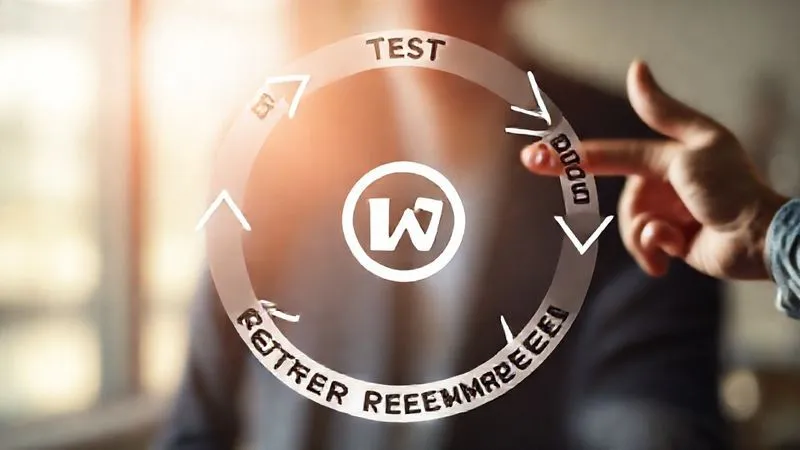
The journey of brand evolution doesn't end with a launch; it begins a new phase of continuous monitoring and thoughtful iteration. To successfully evolve an established brand without alienating loyal customers, you must diligently track the impact of your changes and be prepared to adapt. This data-driven approach ensures that your evolution remains aligned with customer sentiment and market realities, allowing for agile adjustments rather than rigid adherence to a potentially flawed initial plan.
In my experience, brands that thrive post-evolution are those that view it as an ongoing process, not a destination. They establish clear metrics for success, actively listen to the market, and are willing to pivot or refine aspects of their evolution based on real-world performance and customer feedback. This commitment to continuous improvement reinforces trust and demonstrates responsiveness to your audience.
Key Performance Indicators for Brand Evolution
Here are critical KPIs to monitor:
- Brand Sentiment: Track changes in positive, negative, and neutral mentions across social media, reviews, and news. Tools like Brandwatch or Sprout Social can be invaluable here.
- Customer Loyalty Metrics: Monitor Net Promoter Score (NPS), customer retention rates, and repeat purchase frequency. A dip in these indicates potential alienation.
- Brand Recognition & Awareness: Measure aided and unaided brand recall. Has the evolution broadened your appeal without diluting recognition among loyalists?
- Website Traffic & Engagement: Analyze changes in website visits, time on page, bounce rate, and conversion rates, particularly for new vs. returning visitors.
- Sales Performance (by segment): Track sales specific to new products or rebranded lines. Compare performance among existing loyal customers vs. new customer acquisition.
- Employee Morale: Don't overlook internal sentiment. Employees are your first brand ambassadors; their enthusiasm (or lack thereof) is a strong indicator.
"What gets measured, gets managed." This adage is particularly true in brand evolution. Without clear metrics, you're navigating blind.
Regularly review these metrics and be prepared to make informed decisions. Sometimes, this might mean a minor tweak to messaging; other times, it might necessitate a more significant adjustment to a product offering or marketing campaign. The goal is to always steer the brand towards growth while preserving the invaluable trust of your loyal customer base.

Frequently Asked Questions (FAQ)
Q: How do I know if my brand needs to evolve, or if it's fine as is? A: Your brand likely needs to evolve if you're seeing stagnant or declining market share, an aging customer demographic without new customer acquisition, negative shifts in brand perception, or if your core offerings feel outdated compared to competitors. A thorough brand audit (as discussed in Section 1) is the best way to make this determination, combining internal assessment with external market and customer feedback.
Q: What if loyal customers react negatively to initial changes despite my best efforts? A: Negative reactions are possible, even with careful planning. The key is to respond quickly, transparently, and empathetically. Acknowledge their concerns, reiterate the 'why' behind the change, and emphasize how their feedback is valued. Be prepared to iterate and make adjustments. Sometimes, a vocal minority can seem larger than it is, but genuine widespread dissatisfaction must be addressed.
Q: How can I ensure my internal team is on board with the brand evolution? A: Internal alignment is crucial. Start by communicating the "why" and "how" of the evolution to your employees first, before external stakeholders. Involve them in the process where possible, provide training on new messaging or brand guidelines, and empower them to be internal ambassadors. Their understanding and enthusiasm are infectious and critical for consistent brand delivery.
Q: Is it ever okay to do a radical rebrand for an established company? A: Yes, but only in very specific, often dire, circumstances. If your brand is facing severe reputational damage, is completely obsolete in a rapidly changing market, or needs to distance itself from a past crisis, a radical reinvention might be necessary. However, even then, a careful strategy to communicate the necessity of the change and build a new, compelling narrative is essential to minimize alienation. It's a last resort, not a first option.
Q: How long does a typical brand evolution process take? A: The timeline varies significantly based on the scale of the brand, the complexity of the changes, and the industry. An incremental evolution might take 6-18 months from initial audit to full implementation, while a more comprehensive transformation could span 2-3 years. The most important factor isn't speed, but thoroughness and continuous engagement with your audience.
Key Takeaways and Final Thoughts
Navigating the evolution of an established brand is undoubtedly one of the most challenging yet rewarding tasks in marketing. It demands a delicate balance of respect for heritage and a vision for the future, all while keeping your most loyal customers at the heart of every decision. As I've outlined, it's a journey best undertaken with intentionality, empathy, and a data-driven approach.
Here are the critical takeaways to guide your brand's thoughtful evolution:
- Know Your Core: Deeply understand and preserve the immutable essence of your brand's heritage.
- Listen Relentlessly: Engage your loyal customers early and continuously; their insights are your compass.
- Choose Your Pace: Opt for incremental evolution over radical reinvention to minimize risk and foster adaptation.
- Tell Your Story: Craft a compelling narrative that explains the 'why' and connects past, present, and future.
- Empower Your Tribe: Turn loyalists into ambassadors through exclusivity, recognition, and clear communication.
- Phase and Test: Utilize pilot programs and feedback loops for a smooth, risk-mitigated rollout.
- Measure and Iterate: Continuously monitor KPIs and be prepared to adjust your strategy based on real-world data.
Remember, your brand is a living entity, capable of growth and adaptation without losing its identity. By approaching evolution with respect, strategic foresight, and a genuine commitment to your loyal customers, you can ensure your established brand not only endures but thrives, building new connections while strengthening the bonds that have defined its success for years to come. The future of your brand is not about erasing its past, but about thoughtfully building upon it.
Recommended Reading
- 7 Proven Strategies: Stop Top Remote Talent Leaving for Competitors
- 7 Proven Strategies: Preparing Leaders for AI-Driven Workforce Changes
- Q3 Profits at Risk? 7 Urgent Strategies to Hedge Currency Volatility Now
- Startup Growth: Best Customer Acquisition Strategies to Explode!
- Blocked by Legacy? 7 Steps to Integrate New Tech & Drive Growth





Comments
Leave a comment below. Your email will not be published. Required fields marked with *