


How to fix a new org structure that hinders team collaboration?
For over 15 years in organizational development, I've seen countless companies invest heavily in redesigning their structures, only to find that the new blueprint, intended to boost efficiency, inadvertently creates unforeseen silos and collaboration breakdowns. It's a common, frustrating paradox: an attempt to streamline operations ends up hindering the very teamwork it sought to enhance.
You're likely experiencing the tell-tale signs: slowed project delivery, increased departmental friction, a dip in cross-functional innovation, and a palpable sense of frustration among teams. This isn't just a minor glitch; it's a systemic issue that erodes morale, wastes resources, and ultimately impacts your bottom line. It signals that the new structure, despite its logical intent, isn't aligning with the human element of your organization.
In this definitive guide, I'll walk you through a comprehensive framework, drawing on my deep experience and industry best practices, to diagnose and decisively address these challenges. We’ll explore actionable strategies, diagnostic tools, and expert insights that will not only help you understand how to fix a new org structure that hinders team collaboration but also transform your organization into a truly synergistic and high-performing entity.
Diagnosing the Root Cause: Beyond Surface-Level Symptoms
When a new organizational structure stifles collaboration, the immediate reaction is often to blame individuals or specific teams. However, in my experience, the true culprits are usually systemic, embedded within the design itself. A superficial fix will only mask the problem; a deep diagnosis is paramount.
Identifying Communication Bottlenecks
One of the first places I look is communication flow. A new structure can inadvertently create new communication gaps or exacerbate existing ones, leading to misunderstandings and missed opportunities for collaboration.
- Signs of Bottlenecks:
- Information hoarding by specific departments or individuals.
- Delayed decision-making due to unclear reporting lines.
- Frequent 'reinvention of the wheel' across teams because of a lack of shared knowledge.
- Increased reliance on informal, often inefficient, communication channels.
Actionable Step: Conduct a Communication Audit. Map out your current communication pathways. Who talks to whom, about what, and how often? Use surveys, focus groups, and even network analysis tools to identify chokepoints and areas where information flow is restricted. Ask directly: 'Where does information get stuck?' and 'Who do you *really* need to talk to that you currently struggle to reach?'
Uncovering Misaligned Incentives
Organizational structures often come with new performance metrics and incentive systems. If these are not carefully designed, they can inadvertently promote internal competition rather than collaboration, creating silos where none existed before.
For example, if one department is solely rewarded for individual output while another is rewarded for team-based outcomes, their collaboration will naturally suffer. Each will optimize for their own success, even if it's at the expense of the larger organizational goal. This is a classic structural flaw I've seen derail countless initiatives.
Actionable Step: Review Incentive Structures. Examine compensation, recognition programs, and even promotion criteria. Are they fostering a 'me vs. them' mentality? Design incentives that reward cross-functional success, shared goals, and collaborative behaviors. Consider team-based bonuses or recognition for inter-departmental projects.
In my experience, you can change the boxes on the org chart, but if you don't change the lines of communication and the reward systems, people will find a way to operate within the old mental models, regardless of the new structure. A holistic view is absolutely critical.
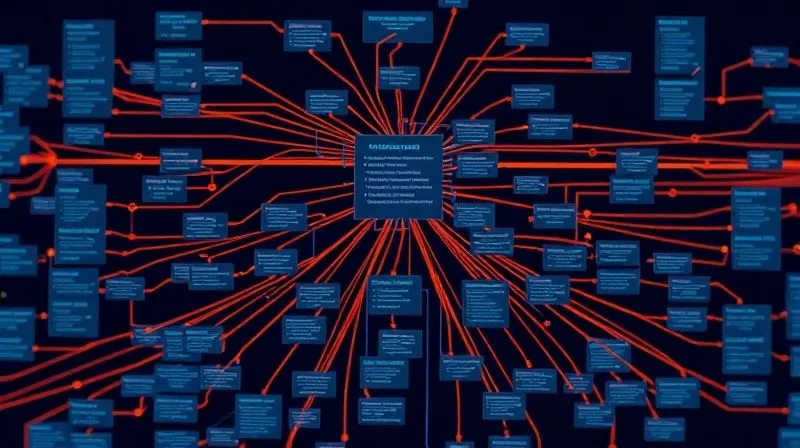
Re-evaluating Design Principles: Moving from Hierarchy to Networks
Many new organizational structures, despite good intentions, still cling to outdated hierarchical principles. In today's dynamic business environment, rigid hierarchies are often detrimental to agility and collaboration. The shift towards more networked, fluid structures is not just a trend; it's a necessity for fostering true teamwork.
Embracing Cross-Functional Teams
One of the most powerful remedies for collaboration woes is the strategic implementation of cross-functional teams. These teams bring together individuals from different departments, with diverse skill sets and perspectives, to work on shared objectives. This inherently breaks down silos and promotes a collective ownership mindset.
- Benefits of Cross-Functional Teams:
- Faster problem-solving through diverse perspectives.
- Increased innovation by combining different areas of expertise.
- Enhanced understanding of different departmental challenges.
- Improved communication and trust across the organization.
Steps for Effective Cross-Functional Team Implementation:
- Define Clear Objectives: Ensure the team has a specific, measurable goal that requires diverse input.
- Appoint a Facilitator/Leader: Someone skilled in guiding diverse groups and managing conflict.
- Grant Autonomy: Empower the team to make decisions and own their process.
- Provide Resources: Ensure they have the necessary budget, tools, and time.
- Establish Regular Check-ins: Monitor progress and address any inter-departmental conflicts proactively.
Decentralizing Decision-Making
A new structure that centralizes too much power at the top can inadvertently disempower middle management and frontline employees, leading to a lack of initiative and ownership. Decentralizing decision-making pushes authority to where the work is done, fostering greater engagement and faster response times.
As renowned management thinker Peter Drucker famously stated, 'The best way to predict the future is to create it.' Empowering teams to make decisions relevant to their work creates a sense of ownership, which is a powerful driver of collaboration. It reduces the 'us vs. them' mentality that often arises when directives flow exclusively from the top.
| Attribute | Traditional Hierarchy | Networked Structure |
|---|---|---|
| Decision-Making | Centralized, top-down | Decentralized, empowered teams |
| Communication Flow | Vertical, siloed | Horizontal, cross-functional |
| Agility | Slow, bureaucratic | Fast, adaptive |
| Innovation | Limited to R&D | Distributed, continuous |
| Employee Engagement | Lower, compliance-driven | Higher, ownership-driven |
Fostering a Culture of Openness and Psychological Safety
Even the most perfectly designed organizational structure will fail if the underlying culture doesn't support collaboration. A culture of fear, blame, or excessive competition will always undermine any structural improvements. The true fix lies in cultivating an environment of psychological safety and radical candor.
Establishing Clear Communication Channels
Simply having a structure doesn't mean people will communicate effectively. You need to actively build and reinforce channels that promote transparency and open dialogue, ensuring that every team member feels heard and understood.
- Effective Communication Practices:
- Regular, transparent town halls or all-hands meetings where leadership shares updates and answers questions candidly.
- Implementing digital collaboration platforms (e.g., Slack, Microsoft Teams) with clear guidelines for usage and information sharing.
- Establishing 'open-door' policies that are genuinely practiced, not just stated.
- Encouraging 'skip-level' meetings where employees can share feedback with managers two levels up.
Actionable Step: Implement a 360-Degree Feedback System. This system allows employees to receive anonymous feedback from peers, subordinates, and superiors. When coupled with proper training and a safe environment, it can significantly improve communication and self-awareness, directly impacting collaborative effectiveness.
Leadership's Role in Modeling Collaboration
Leaders are the primary architects of culture. If leaders preach collaboration but practice territorialism or micromanagement, the message will be lost. Their behavior is the most powerful signal to the rest of the organization.
As I've observed time and again, if leaders aren't willing to be vulnerable, admit mistakes, and actively seek input from their teams, then no one else will. True collaboration starts at the top, demonstrating that it's safe to challenge ideas, share failures, and learn together.
According to research by Amy Edmondson, outlined in her seminal work on psychological safety, environments where people feel safe to speak up without fear of reprisal are significantly more innovative and collaborative. Leaders must actively create this safety by being approachable, non-judgmental, and by consistently valuing diverse perspectives. Read more about the importance of psychological safety in the workplace in this Harvard Business Review article.

Implementing Collaborative Technologies and Workflows
Technology, when applied thoughtfully, can be a powerful accelerator for collaboration, bridging geographical divides and facilitating seamless information exchange. However, it's not a magic bullet. The right tools must be integrated into well-defined workflows that genuinely support, rather than complicate, teamwork.
Selecting the Right Collaboration Tools
The market is saturated with collaboration tools, but not all are created equal, nor are they all suitable for every organization. The key is to choose tools that align with your specific needs, existing infrastructure, and team preferences.
- Criteria for Tool Selection:
- Integration Capabilities: Can it seamlessly connect with your existing project management, communication, and CRM systems?
- User-Friendliness: Is it intuitive and easy for all team members to adopt, regardless of technical proficiency?
- Scalability: Can it grow with your organization and accommodate increasing users and data?
- Security: Does it meet your data privacy and security requirements?
- Functionality: Does it offer features truly needed for your collaborative workflows (e.g., shared document editing, video conferencing, task management)?
Actionable Step: Conduct Pilot Programs. Before a full-scale rollout, test potential tools with a small, diverse group of teams. Gather their feedback, identify pain points, and iterate on the implementation strategy. This ensures higher adoption rates and minimizes resistance.
Designing Interdependent Workflows
Simply providing tools isn't enough; you must design workflows that inherently require collaboration. This means structuring projects and tasks in a way that necessitates shared ownership and inter-departmental input, moving away from sequential, hand-off processes.
For instance, instead of a product moving from 'design' to 'engineering' to 'marketing' in isolated stages, design a workflow where these teams are involved from the outset, providing simultaneous input and feedback. This fosters a sense of collective responsibility for the final outcome.
Steps for Designing Interdependent Workflows:
- Map Current Processes: Visually represent how work currently flows, identifying bottlenecks and hand-off points.
- Identify Collaboration Gaps: Pinpoint where lack of communication or shared input causes delays or rework.
- Redesign for Parallel Work: Structure tasks so multiple teams can work concurrently, leveraging shared platforms.
- Establish Clear Roles & Responsibilities: Define who is accountable for what, even in shared tasks.
- Implement Regular Sync-ups: Schedule frequent, short meetings for cross-functional teams to align and address issues.

The Power of Training and Skill Development
Even with a perfect structure, a collaborative culture, and cutting-edge technology, your efforts to fix a new org structure that hinders team collaboration will fall short if your people lack the fundamental skills for effective teamwork. Collaboration isn't just an innate trait; it's a set of learnable skills that require deliberate development.
Enhancing Emotional Intelligence and Conflict Resolution
Teamwork inevitably brings diverse personalities and perspectives together, which can lead to conflict. Without the skills to navigate these situations constructively, collaboration can quickly devolve into friction and animosity. Emotional intelligence (EQ) and conflict resolution are therefore paramount.
EQ enables individuals to understand and manage their own emotions, as well as perceive and influence the emotions of others. This is critical for empathetic communication, building rapport, and de-escalating tensions. Conflict resolution skills provide the frameworks and techniques to address disagreements productively, transforming potential roadblocks into opportunities for deeper understanding and better solutions.
Actionable Step: Implement EQ and Conflict Resolution Workshops. Offer practical, interactive training sessions that provide tools and techniques for active listening, empathetic responses, assertive communication, and mediation. Role-playing exercises can be particularly effective here.
Building Facilitation and Meeting Management Skills
Poorly run meetings are notorious collaboration killers. If meetings are dominated by a few voices, lack clear agendas, or fail to produce actionable outcomes, they become a drain on productivity and morale. Training individuals in facilitation and meeting management can dramatically improve the quality of collaborative interactions.
- Best Practices for Collaborative Meetings:
- Clear Agenda & Objectives: Distribute beforehand, outlining desired outcomes.
- Active Facilitation: Ensure all voices are heard, manage time, and guide discussions.
- Defined Roles: Assign a timekeeper, note-taker, and action-item owner.
- Actionable Outcomes: Conclude with clear decisions, assigned responsibilities, and deadlines.
- Follow-up: Distribute meeting notes and action items promptly.
The ability to effectively collaborate is often tied to 'soft skills' that are, in fact, incredibly hard to master. A study by LinkedIn found that soft skills like collaboration, communication, and adaptability are among the most in-demand skills for employers. Investing in these areas is an investment in your organizational health. For further insights, explore this article on the importance of soft skills from Forbes.
Measuring Impact and Iterating for Continuous Improvement
Implementing changes to fix a new org structure that hinders team collaboration isn't a one-off event; it's an ongoing process of learning, adapting, and refining. Without robust measurement and feedback loops, you're operating in the dark, unable to discern what’s working and what needs further adjustment.
Key Performance Indicators (KPIs) for Collaboration
To truly understand the impact of your interventions, you need to define measurable KPIs that reflect collaborative health and effectiveness. These go beyond traditional individual performance metrics.
- Examples of Collaboration KPIs:
- Cross-Departmental Project Completion Rate: Track the percentage of projects that successfully involve multiple teams.
- Employee Engagement Scores: Specifically, look at questions related to teamwork, communication, and support.
- Project Cycle Time: Measure the time from initiation to completion for cross-functional projects.
- Innovation Output: Track the number of new ideas or products generated through collaborative efforts.
- Internal Knowledge Sharing Metrics: Monitor usage of internal wikis, shared drives, or collaboration platforms.
- Conflict Resolution Success Rate: Track how often internal conflicts are resolved constructively.
Establishing Feedback Loops and Agile Adjustments
Regular feedback is the lifeblood of continuous improvement. It allows you to quickly identify emerging issues, celebrate successes, and make agile adjustments to your structural and cultural interventions.
Steps for Establishing Feedback Loops:
- Regular Pulse Surveys: Short, frequent surveys to gauge team sentiment on collaboration, communication, and structural effectiveness.
- Open Forums/Town Halls: Dedicated sessions for employees to voice concerns and suggest improvements.
- Post-Project Reviews (Retrospectives): After each major cross-functional project, conduct a review to discuss 'what went well,' 'what could be improved,' and 'what we'll do differently next time.'
- Leadership Walk-throughs: Leaders spend time observing teams, asking open-ended questions, and actively listening.
- Dedicated 'Collaboration Champions': Appoint individuals within teams or departments responsible for gathering feedback and advocating for collaborative improvements.
Case Study: Synergy Solutions' Turnaround
Synergy Solutions, a rapidly growing marketing agency, implemented a new matrix organizational structure designed to improve client service. However, within six months, they noticed a sharp decline in internal project efficiency and client satisfaction. Teams felt siloed, communication was breaking down, and internal competition for resources became rampant.
Recognizing the gravity of the situation, their leadership engaged in a deep diagnostic process. They discovered that the new structure had inadvertently created conflicting reporting lines and an incentive system that rewarded individual department performance over integrated project success. To fix a new org structure that hinders team collaboration, Synergy Solutions took decisive action:
- They redesigned their incentive model to include a significant portion based on cross-functional project success and client NPS scores.
- They invested in a new integrated project management platform and provided extensive training on its use for collaborative workflows.
- Leadership underwent intensive training in psychological safety and committed to weekly 'listen and learn' sessions with different teams.
- They established 'Collaboration Squads' – temporary cross-functional teams tasked with solving specific, high-priority client challenges.
Within a year, Synergy Solutions saw a 25% increase in project efficiency, a 15-point jump in their average client NPS, and a significant improvement in their employee engagement scores, particularly around inter-departmental cooperation. Their proactive, data-driven approach transformed a hindering structure into a catalyst for success.
Frequently Asked Questions (FAQ)
Question: How long does it typically take to fix a new org structure that hinders team collaboration? The timeline can vary significantly based on the size of your organization, the complexity of the issues, and the commitment of leadership. Generally, you can expect to see initial improvements within 3-6 months, but a complete cultural and structural shift that fully embeds collaborative practices often takes 1-2 years. It's a journey, not a sprint, requiring continuous effort and iteration.
Question: What's the biggest mistake leaders make when trying to fix this problem? The biggest mistake I've observed is treating the problem as purely structural or purely cultural. It's almost always both. Leaders often focus solely on redesigning the org chart without addressing the underlying cultural norms, communication patterns, and incentive systems. Conversely, trying to 'force' collaboration through cultural initiatives without addressing structural impediments is equally ineffective. A holistic approach is essential.
Question: Can a flat hierarchy always solve collaboration issues? Not necessarily. While flat hierarchies often promote more direct communication and empowerment, they can also lead to a lack of clarity in roles, decision-making paralysis, or an increased burden on individual contributors if not managed well. The ideal structure isn't about being 'flat' or 'tall,' but about being fit-for-purpose, clear, and supportive of your strategic goals and collaborative needs. It's about intentional design, not just flattening.
Question: How do I get buy-in from resistant team members or departments? Resistance often stems from fear of change, loss of perceived power, or simply not understanding the 'why.' To gain buy-in, involve them early in the diagnostic and solution design process. Clearly articulate the benefits for them and the organization. Provide training and support, address their concerns directly, and celebrate early wins to build momentum. Emphasize that collaboration isn't about giving up individual success, but about achieving greater collective success.
Question: What role does leadership communication play in structural changes? Leadership communication is absolutely critical. During structural changes, anxiety and uncertainty are high. Leaders must be transparent about the reasons for the changes, the expected benefits, and how the organization plans to support employees through the transition. Consistent, empathetic, and clear communication from the top builds trust, reduces rumors, and ensures everyone understands their role in the new collaborative environment. Silence from leadership can be more damaging than bad news.
Key Takeaways and Final Thoughts
Fixing a new organizational structure that hinders team collaboration requires a multi-faceted, deliberate approach that goes far beyond simply redrawing the org chart. It's a deep dive into the intertwined dynamics of structure, culture, technology, and human skills.
- Diagnose Deeply: Look beyond surface symptoms to uncover root causes in communication bottlenecks and misaligned incentives.
- Redesign for Interdependence: Shift from rigid hierarchies to flexible, networked, cross-functional teams and decentralized decision-making.
- Cultivate Psychological Safety: Foster a culture of openness, trust, and empathy, with leaders modeling collaborative behaviors.
- Enable with Technology: Select and integrate collaboration tools thoughtfully, designing workflows that demand shared ownership.
- Invest in Skills: Empower your people with training in emotional intelligence, conflict resolution, and effective meeting facilitation.
- Measure and Iterate: Define collaboration KPIs, establish robust feedback loops, and commit to continuous improvement.
Remember, organizational structures are living systems, not static blueprints. The journey to fix a new org structure that hinders team collaboration is an ongoing one, demanding patience, resilience, and a steadfast commitment from leadership. By embracing these principles, you're not just fixing a problem; you're building a more agile, innovative, and human-centric organization ready to thrive in an ever-evolving landscape. Your teams deserve an environment where collaboration isn't just a buzzword, but the natural way of working, and with these strategies, you can make that a reality.
Recommended Reading
- 7 Steps to Uncover & Prevent Hidden Forced Labor in Your Supply Chain Tiers
- Unmasking the Truth: Overcoming Bias in Data-Driven Business Analytics
- Streamline Change: Mastering Control in Small Projects Now!
- Negative NPV, Critical Project: 5 Expert Strategies to Justify It
- 5 Strategic Pillars: Streamlining Performance Reviews for Busy Managers





Comments
Leave a comment below. Your email will not be published. Required fields marked with *