


How to Fix Declining Revenue Per Customer Without Raising Prices?
For over 15 years in financial management and business strategy, I've witnessed a common, insidious challenge cripple countless companies: the slow, often unnoticed, erosion of revenue per customer. It's a silent killer, far more dangerous than a sudden drop in sales, because it suggests a fundamental disconnect in how value is perceived and delivered. Companies often scramble for new customers or consider drastic price increases, missing the profound opportunity right under their noses – maximizing the value from their existing customer base.
This isn't just about losing a few dollars here and there; it's about a decaying foundation of customer loyalty, diminishing product relevance, and untapped potential within your most valuable asset: your current clientele. The pain point is palpable: you're working harder, acquiring new customers at increasing costs, only to see the average spend per individual or account dwindle. This creates a vicious cycle of unsustainable growth, leaving businesses feeling trapped and unprofitable.
In this definitive guide, I will share the actionable frameworks, real-world insights, and strategic approaches I've honed over decades to help you revitalize your customer relationships and significantly increase their lifetime value. We'll explore how to fix declining revenue per customer without raising prices, focusing on value creation, enhanced experience, and smarter engagement. Prepare to transform your approach to customer profitability, armed with strategies that deliver sustainable growth.
1. Deep Dive into Customer Segmentation for Value Unlocking
One of the most fundamental mistakes I've observed is treating all customers the same. Every customer is unique, with varying needs, preferences, and spending potential. The first step to fixing declining revenue per customer without raising prices is to understand these nuances through robust segmentation.
Identifying High-Value vs. Low-Value Segments
Start by segmenting your customer base not just by demographics, but by behavior, purchase history, engagement levels, and profitability. Who are your most loyal, highest-spending customers? What characteristics do they share? Conversely, identify segments that are underperforming or at risk of churn. This granular view allows you to allocate resources more effectively and tailor your strategies.
For instance, a customer who consistently buys your premium product tier and engages with your support team for advanced features is vastly different from a customer who only purchases your entry-level offering once a year. Understanding these distinctions is paramount.
| Segment Type | Characteristics | Strategic Approach |
|---|---|---|
| High-Value Loyalists | Frequent purchases, high AOV, high engagement, low churn risk | Personalized premium offers, loyalty programs, early access to new features |
| Growth Potential | Occasional purchases, mid-range AOV, moderate engagement, open to upgrades | Targeted upsell/cross-sell, educational content, feature demonstrations |
| At-Risk/Lapsed | Infrequent purchases, low AOV, declining engagement, high churn risk | Win-back campaigns, re-engagement offers, feedback surveys to understand pain points |
Tailoring Value Propositions
Once segments are defined, you can craft specific value propositions for each. This doesn't mean creating entirely new products for every segment, but rather packaging or presenting existing offerings in a way that resonates with their particular needs and pain points. High-value customers might respond to exclusive access or white-glove service, while growth-potential customers might need compelling demonstrations of how an upgrade solves their specific challenges.
“You can't build a strong relationship if you don't understand who you're talking to. Segmentation isn't just about categorization; it's about empathy and precise value delivery.”
This targeted approach ensures that your efforts to increase customer spend are perceived as helpful and relevant, rather than generic or pushy. It's about providing *more value* to the right people, in the right way.
2. Mastering Upselling and Cross-selling Through Value Alignment
Many businesses view upselling and cross-selling as aggressive sales tactics. I see them as opportunities to further serve your customer by offering genuinely valuable extensions or enhancements to their initial purchase. This is a powerful way to fix declining revenue per customer without raising prices on core offerings.
The Art of the Value-Add Upsell
Upselling isn't about pushing a more expensive version; it's about demonstrating how a higher-tier product or service can better meet a customer's evolving needs, save them time, or deliver superior results. The key is timing and relevance. When a customer has just experienced success with your basic product, that's an opportune moment to introduce them to the next logical step.
- Understand Customer Goals: Before suggesting an upsell, truly understand what the customer is trying to achieve. What are their pain points that your premium offering could solve?
- Highlight the ROI: Clearly articulate the return on investment or the added benefit of the upgrade. Will it save them money long-term, increase efficiency, or provide a competitive advantage?
- Offer a Seamless Transition: Make the upgrade process as easy and frictionless as possible. Provide clear instructions and support.
- Educate, Don't Just Sell: Provide content, webinars, or demonstrations that showcase the advanced features and their benefits.
Strategic Cross-selling: Complementary Solutions
Cross-selling involves offering complementary products or services that enhance the customer's experience with their primary purchase. Think of it like a restaurant suggesting a perfect wine pairing with your meal. These suggestions should genuinely add value and solve related problems.
For example, if a customer buys project management software, cross-selling a training module or an integration with a popular communication tool adds significant value. It makes their initial purchase more powerful and embeds your solutions deeper into their workflow. According to a study by Harvard Business Review, companies that excel at cross-selling can see a significant boost in customer lifetime value.
3. Enhancing Customer Experience (CX) to Drive Loyalty and Spend
A superior customer experience is no longer a differentiator; it’s a prerequisite. However, truly exceptional CX can transform a transactional relationship into a loyal partnership, naturally encouraging greater spend. When customers feel valued, understood, and consistently satisfied, they are far more likely to explore additional offerings and remain with your brand longer. This directly impacts how to fix declining revenue per customer without raising prices.
Personalization at Scale
Modern technology allows for personalization far beyond simply using a customer's first name. It means understanding their preferences, past interactions, and likely future needs, then tailoring every touchpoint accordingly. From personalized product recommendations on your website to relevant content in email campaigns, make every interaction feel bespoke.
For instance, if a customer frequently purchases eco-friendly products, ensure your communications highlight new sustainable options or initiatives. This builds trust and relevance, making them more receptive to your offerings.

Proactive Support and Feedback Loops
Exceptional CX often means addressing issues before they become major problems. Proactive customer support, where you reach out to offer help or resources based on usage patterns, can significantly increase satisfaction. Furthermore, establishing clear and accessible feedback loops demonstrates that you value your customers' opinions and are committed to continuous improvement.
This isn't just about fixing complaints; it's about creating a dialogue. A customer who feels heard and sees their feedback translated into action becomes a powerful advocate and a more engaged spender.
4. Leveraging Data Analytics for Predictive Insights
Data is the new oil, and in the context of revenue optimization, it's the compass guiding your ship. Without deep data analysis, you’re flying blind, making decisions based on assumptions rather than insights. To effectively fix declining revenue per customer without raising prices, you must become a master of your customer data.
Identifying Churn Risk and Upsell Opportunities
Advanced analytics can identify patterns that signal a customer is at risk of churning long before they actually leave. By analyzing factors like declining engagement, reduced usage of key features, or infrequent purchases, you can intervene proactively with targeted re-engagement campaigns or personalized offers designed to rekindle their interest. Conversely, data can highlight customers who are prime candidates for upselling or cross-selling based on their usage, needs, and past purchase behavior. For example, a customer consistently using 90% of their current plan's capacity is an obvious upsell candidate.
Understanding Customer Behavior Patterns
Beyond individual actions, look for broader behavioral trends across segments. Are certain features underutilized? Are there common paths customers take before upgrading? What content do your most profitable customers consume? These insights can inform product development, marketing strategies, and sales approaches, ensuring you're always offering the right value at the right time. According to a report by Deloitte, companies leveraging AI and analytics for customer insights significantly outperform their peers in customer satisfaction and revenue growth.
5. Product/Service Innovation & Feature Expansion
Innovation doesn't always mean launching a brand new product. Often, it's about enhancing what you already offer to provide more inherent value, thereby justifying increased spend without a direct price hike on existing features. This is a critical strategy for how to fix declining revenue per customer without raising prices.
Adding Value, Not Just Features
The distinction here is crucial. Don't just add features for the sake of it; add features that genuinely solve deeper customer problems, improve efficiency, or unlock new capabilities. These value-added enhancements can then be positioned as premium add-ons, bundled into higher-tier packages, or offered as standalone upgrades that customers willingly pay for because of the tangible benefits they receive.
Think about providing advanced analytics dashboards, integrations with other essential tools, or specialized support tiers. These are not price increases on the core product but rather new, valuable offerings that expand a customer's potential spend.
Tiered Service Models (Without Raising Base Price)
A well-structured tiered service model allows customers to choose the level of value that best suits their needs and budget. The base tier remains accessible, but higher tiers offer progressively more features, support, or capacity. This allows you to capture more revenue from customers who require more from your product or service without alienating those who are content with the foundational offering.
Case Study: How InnovateCo Boosted ARPU with New Feature Tiers
InnovateCo, a SaaS provider for small businesses, noticed their average revenue per user (ARPU) stagnating despite steady customer acquisition. Their basic plan was popular, but few customers upgraded. Instead of raising the price of their basic plan, they introduced two new tiers: a 'Pro' plan with advanced reporting and team collaboration features, and an 'Enterprise' plan with dedicated account management and custom integrations. They also offered a free trial for the Pro features to existing basic users. Within six months, 15% of their basic users upgraded to the Pro plan, and 5% of those migrated to Enterprise. This strategic expansion of value, rather than a price increase, led to a 20% increase in overall ARPU and significantly improved customer satisfaction among their growing businesses.
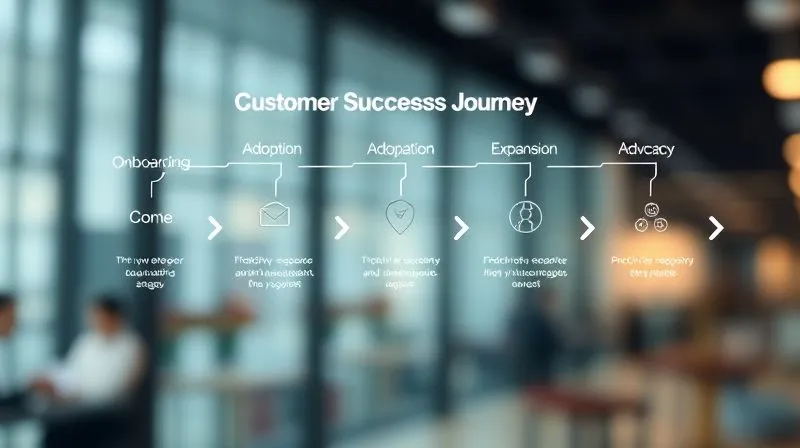
6. Building a Robust Customer Success Program
Customer success is more than just support; it's a proactive, strategic function dedicated to ensuring your customers achieve their desired outcomes using your product or service. When customers succeed, they stay, they grow, and they spend more. This is an often-underestimated answer to how to fix declining revenue per customer without raising prices.
Onboarding for Long-Term Value
The onboarding process is critical. A well-designed onboarding journey ensures customers quickly understand the value of your offering and how to use it effectively. This reduces early churn and sets the stage for future growth. Provide personalized walkthroughs, comprehensive documentation, and easily accessible support during this crucial phase.
Think about a customer success manager reaching out within the first week to check on progress, answer questions, and proactively identify potential roadblocks. This level of engagement builds immediate trust and demonstrates your commitment to their success.
Proactive Engagement and Value Realization
Customer success teams should continuously monitor customer health, identify opportunities for deeper engagement, and proactively share insights or best practices. This ensures customers are consistently getting the most out of your product and are aware of new features or services that could further enhance their experience. Regular check-ins, business reviews, and educational content all contribute to this proactive approach.
“Customer success isn't a cost center; it's a revenue generator. By ensuring customers achieve their goals, you naturally drive retention, expansion, and advocacy.”
When customers realize continuous value, they are not only less likely to churn but are also more open to investing further in your ecosystem, understanding that their spend directly contributes to their own success.
7. Strategic Bundling and Package Optimization
Bundling offers a powerful way to increase the perceived value and average transaction size without increasing the price of individual components. It’s about creating irresistible offers that encourage customers to buy more, providing a direct solution for how to fix declining revenue per customer without raising prices.
Creating Irresistible Value Bundles
Bundles should be designed to offer a clear advantage over purchasing items individually. This could be a small discount, added convenience, or a combination of complementary products that solve a broader problem. For example, a software company might bundle their core product with a premium support package and a specialized training course, offering a significant saving compared to buying each item separately.
The key is to understand what combinations of products or services are most appealing to your different customer segments. Conduct market research and A/B testing to identify the most effective bundles.
Optimizing Existing Service Packages
Regularly review and optimize your existing service packages. Are there opportunities to add more value to higher tiers without significantly increasing your costs? Can you refine the features in each tier to create clearer distinctions and encourage upgrades? Sometimes, simply reorganizing the features within your packages can make them more appealing and drive customers to higher-value options.
Consider a telecom company that bundles internet, TV, and phone services. Instead of raising the price of each, they might offer a 'Family Entertainment Bundle' that includes faster internet, more premium channels, and a streaming service subscription, all at a perceived discount compared to buying them à la carte. As marketing guru Seth Godin often emphasizes, it's about creating perceived value that resonates with the customer's desires.
| Bundle Type | Target Customer | Value Proposition |
|---|---|---|
| Starter Pack | New users, budget-conscious | Essential tools, easy entry point, clear path to upgrade |
| Growth Suite | Growing businesses, expanding needs | Advanced features, efficiency gains, integration capabilities |
| Enterprise Solution | Large organizations, complex requirements | Dedicated support, custom solutions, scalability, security |

Frequently Asked Questions (FAQ)
Q: Is this approach applicable to both B2B and B2C businesses? Absolutely. While the specific tactics might vary slightly, the underlying principles of understanding customer value, enhancing experience, and strategic upselling/cross-selling are universal across both B2B and B2C models. In B2B, the focus might be on account expansion and deeper integration, while in B2C, it might be more about personalized recommendations and loyalty programs. The core idea of delivering more value to increase spend remains the same.
Q: How quickly can I expect to see results from implementing these strategies? The timeline for results can vary based on your industry, existing customer relationships, and the scale of your implementation. Some strategies, like optimizing upsell offers, might show initial improvements within a few months. Deeper changes like a full customer success program or significant product innovation could take 6-12 months to show substantial impact. Consistency and patience are key.
Q: What's the biggest mistake companies make when trying to fix declining revenue per customer? The most common mistake is focusing solely on acquiring new customers while neglecting the existing base. Another major error is implementing these strategies without a deep understanding of customer needs and behaviors, leading to irrelevant offers or a perceived lack of value. Always start with data and customer empathy.
Q: How do I measure success beyond just revenue per customer? While revenue per customer is the primary metric, success should also be measured by increased customer lifetime value (CLTV), reduced churn rate, higher customer satisfaction (CSAT) and Net Promoter Score (NPS), increased product adoption, and higher engagement rates. These leading indicators will ultimately translate into improved revenue per customer.
Q: What if my product or service is a commodity? Can these strategies still work? Even in commodity markets, value can be differentiated through exceptional customer experience, superior support, personalized service, or innovative bundling. Think about how basic utilities or internet providers differentiate themselves. You can't raise the price of electricity, but you can offer smart home integration, energy usage analytics, or premium support tiers. Focus on the 'how' and 'why' people choose your commodity, not just the 'what'.
Key Takeaways and Final Thoughts
- Customer-Centricity is Paramount: Every strategy revolves around understanding and delivering more value to your customer.
- Data-Driven Decisions: Leverage analytics to identify opportunities, predict behavior, and measure impact.
- Proactive Engagement: Don't wait for problems; proactively engage to ensure customer success and satisfaction.
- Value, Not Just Price: Focus on enhancing perceived and actual value through innovation, bundling, and superior experience.
- Long-Term Perspective: These strategies build sustainable growth and deeper customer relationships, which take time to cultivate.
The challenge of how to fix declining revenue per customer without raising prices is not insurmountable. It requires a strategic shift from transactional thinking to a deep commitment to customer value and experience. By implementing the strategies outlined above – from precise segmentation and smart upselling to robust customer success and continuous innovation – you can not only reverse declining trends but unlock significant, sustainable growth from your most valuable asset: your existing customers. Embrace these principles, and watch your customer relationships, and your revenue, flourish.
Recommended Reading
- 7 Pillars: How to Lead a Resistant Team Through Major Organizational Change
- 7 Ways to Avoid Greenwashing: Promote Green Initiatives Authentically
- Ultimate Guide: How to Prepare for a Commercial Contract Dispute?
- 7 Critical Legal Steps: Protect Your Startup's IP from Day One
- Prove Workflow Automation ROI: 5 Pillars for Strategic Impact





Comments
Leave a comment below. Your email will not be published. Required fields marked with *