


How to Identify Critical Skill Gaps Using Predictive HR Analytics?
For over two decades in Human Resources, specializing in strategic workforce planning and analytics, I've witnessed firsthand the devastating impact of unforeseen skill gaps. Companies, both large and small, often find themselves scrambling to fill crucial roles or realize too late that their workforce lacks the capabilities to meet emerging market demands. It's a reactive cycle that drains resources, stifles innovation, and ultimately compromises competitive advantage.
Many organizations are still relying on outdated methods for skill assessment – annual performance reviews, anecdotal observations, or generic training needs analyses. These traditional approaches are inherently backward-looking and simply cannot keep pace with the accelerating rate of technological change and evolving business models. The pain points are palpable: high recruitment costs, low employee engagement due to lack of development, and a constant feeling of being one step behind.
This definitive guide will walk you through a proven, data-driven framework to proactively identify critical skill gaps using predictive HR analytics. I'll share expert insights, actionable steps, and real-world considerations, empowering you to build a future-ready workforce that not only anticipates change but thrives on it. Prepare to transform your HR function from a reactive cost center into a strategic foresight powerhouse.
The Shifting Landscape: Why Traditional Skill Assessments Fail
In today's dynamic business environment, the skills required for success are in constant flux. What was crucial last year might be obsolete next year, and entirely new competencies emerge with startling regularity. Traditional skill assessments, often conducted annually or bi-annually, are simply too slow and static to capture this fluidity.
"Waiting for performance reviews to flag skill deficiencies is like driving a high-performance vehicle by looking only in the rearview mirror. You'll eventually crash into the future."
These methods typically focus on current performance and past achievements, failing to project future needs or the trajectory of skill evolution. They often rely on subjective manager input, leading to inconsistencies and biases. Furthermore, they rarely integrate disparate data points across the employee lifecycle, creating an incomplete and fragmented view of an individual's or team's capabilities.
- Reactive Nature: Identifies gaps only after they've impacted performance.
- Subjectivity: Heavily reliant on individual manager perceptions rather than objective data.
- Limited Scope: Focuses on current roles, neglecting future strategic needs.
- Lack of Integration: Fails to connect skill data with broader business objectives or market trends.
- Time-Consuming: Manual processes are inefficient and often yield outdated insights by the time they're compiled.
Demystifying Predictive HR Analytics for Skill Gap Identification
Predictive HR analytics, in its essence, is about using historical and current data to forecast future HR outcomes. When applied to skill gap identification, it means moving beyond 'what happened' to 'what will happen' and 'what we need to do about it.' It's about leveraging statistical models, machine learning, and sophisticated data analysis to anticipate where your workforce's capabilities will fall short of future business demands.
I've seen organizations initially intimidated by the 'analytics' aspect, fearing it requires a team of data scientists. While advanced capabilities are beneficial, the core principles are accessible. It involves identifying patterns, correlations, and trends in your data to make informed predictions about future skill requirements and potential deficits within your talent pool.
What Data Points Are We Talking About?
To accurately identify critical skill gaps using predictive HR analytics, you need a rich, diverse dataset. This isn't just about performance ratings; it encompasses a broad spectrum of information that, when combined, paints a holistic picture of your workforce's capabilities and potential. Think about every interaction an employee has with your organization as a potential data point.
From my experience, the more diverse and integrated your data sources are, the more robust and accurate your predictions will be. It's about connecting the dots that traditional HR systems often leave isolated.
| Data Category | Examples |
|---|---|
| Employee Demographics | Tenure, age, department, location |
| Performance Data | Performance review scores, project success rates, goal attainment |
| Learning & Development | Course completions, certifications, skill badges, learning hours |
| Recruitment Data | Source of hire, time-to-fill, candidate skill profiles |
| HRIS Data | Job history, promotions, compensation, internal transfers |
| External Data | Industry trends, market skill demand, competitor analysis |
The Core Principles: Forecasting & Probability
At its heart, predictive HR analytics for skill gaps operates on two core principles: forecasting and probability. We forecast future business needs and the skills required to meet them, and we assess the probability that our current workforce will possess those skills or can develop them within a specific timeframe. This involves statistical models that can analyze historical trends (e.g., how long it takes to develop a certain skill, typical attrition rates for specific roles) and external factors (e.g., market demand for a skill).
By combining these elements, we can build models that predict not only *where* skill gaps will emerge but also *when* and *to what extent*. This foresight is invaluable for strategic workforce planning and enables proactive intervention.
Phase 1: Defining Your Future-Ready Workforce & Skills Taxonomy
Before you can identify gaps, you must first define your destination. This crucial initial phase involves understanding your organization's strategic direction and translating that into specific, measurable skill requirements. Without a clear vision of your future-ready workforce, any analytics will be directionless.
Step 1: Strategic Business Imperatives & Future Goals
In my consulting work, I always start here. HR analytics should never operate in a vacuum. It must be inextricably linked to the overarching business strategy. Engage with senior leadership to understand the company's 3-5 year strategic plan, including market expansion, new product development, technological shifts, and competitive challenges. This provides the 'north star' for your skill gap analysis.
- Interview Key Stakeholders: Conduct in-depth interviews with C-suite executives, department heads, and product development leads to understand future business needs and potential disruptions.
- Analyze Market Trends: Research industry reports, competitor strategies, and technological advancements that could impact your business model and required capabilities.
- Define Future Roles and Functions: Based on strategic imperatives, anticipate new roles that will emerge, existing roles that will transform, and those that may become redundant.
Step 2: Developing a Robust Skills Taxonomy
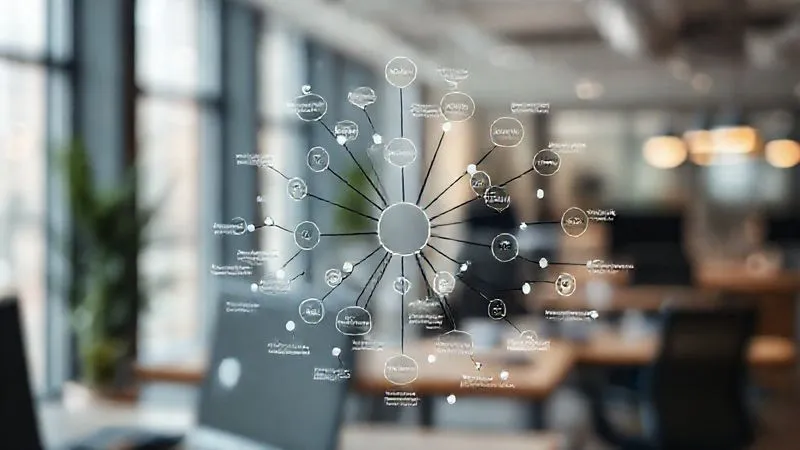
This is arguably the most foundational step. A skills taxonomy is a structured, hierarchical classification of all the competencies, knowledge, and abilities relevant to your organization. It provides a common language for discussing and measuring skills, ensuring consistency across all HR processes, from recruitment to performance management. I've seen too many organizations struggle because their skill definitions are vague or inconsistent.
Your taxonomy should be granular enough to be useful but not so overly complex that it becomes unwieldy. It should differentiate between foundational skills, technical skills, and soft skills, and ideally, include proficiency levels. For more on building effective skill taxonomies, I highly recommend exploring resources from expert organizations like the Harvard Business Review.
Step 3: Current State Skill Inventory & Proficiency Assessment
Once you know what skills you'll need, you must accurately assess what skills you currently possess. This involves creating a comprehensive inventory of your existing workforce's capabilities. This isn't just about job titles; it's about the specific skills each employee holds and their proficiency level in those skills.
Methods can include self-assessments (with managerial validation), peer reviews, 360-degree feedback, performance data analysis, and even AI-driven tools that can infer skills from project contributions or communication patterns. The goal is to build a granular, objective, and continuously updated skill profile for every employee. Without this baseline, your predictive models have no 'current state' to compare against future needs.
Phase 2: Data Collection, Integration, and Predictive Modeling
With your future skill requirements defined and your current skill inventory established, it's time to dive into the data. This phase is where the 'analytics' truly comes to life, integrating disparate data sources and applying sophisticated models to uncover future skill deficits.
Step 4: Consolidating Diverse HR Data Sources
As I mentioned earlier, the power of predictive HR analytics comes from data integration. You need to pull data from your Human Resources Information System (HRIS), Learning Management System (LMS), Applicant Tracking System (ATS), performance management platforms, and even external market data. This often requires robust data warehousing capabilities and a clear data governance strategy. I've found that organizations often underestimate the effort required for data cleaning and integration, but it's critical for accurate predictions. Insights from leading HR consultancies, like those found on Deloitte's Human Capital Trends reports, consistently highlight the importance of integrated data for strategic HR.
Step 5: Applying Predictive Models to Identify Gaps
This is where predictive HR analytics truly shines. You'll use statistical models and machine learning algorithms to compare your future skill requirements (from Phase 1) with your current skill inventory, considering various internal and external factors. These models can forecast:
- Future Skill Demand: Based on business strategy and market trends.
- Current Skill Supply: Projecting how your current workforce's skills will evolve (or degrade) over time due to attrition, skill obsolescence, and current L&D initiatives.
- Emergence of New Skills: Identifying entirely new competencies that will be critical.
- Attrition Risk by Skillset: Predicting which critical skills are at risk of leaving the organization.
"Predictive analytics doesn't just show you where you are, but where you're headed, and what's missing from your toolkit for that journey. It's your organizational GPS for talent."
Common models include regression analysis for forecasting, classification models for predicting attrition, and clustering algorithms for identifying skill adjacencies. The output is a clear, data-driven map of your future skill gaps, complete with projected timelines and severity levels.

Case Study: Zenith Innovations' Proactive Skill Reskilling
Zenith Innovations, a mid-sized software development firm, faced a looming challenge: their core product was shifting from on-premise to cloud-native architecture, requiring a completely different set of engineering skills. Traditional methods would have meant a frantic hiring spree. Instead, their HR team, leveraging predictive analytics, identified critical cloud computing skill gaps among their existing engineers 18 months in advance. By analyzing project data, learning platform engagement, and external market trends, they predicted a 70% skill deficit in cloud architecture expertise within two years. They then launched a targeted, intensive reskilling program for 40% of their engineering team, partnering with external cloud providers for certifications. This proactive approach saved them an estimated $3 million in recruitment costs and reduced time-to-market for their new product by six months, maintaining their competitive edge.
Step 6: Identifying Criticality and Urgency
Not all skill gaps are created equal. Some pose an immediate threat to business continuity or strategic objectives, while others are less urgent. This step involves prioritizing the identified gaps based on their criticality and the timeframe in which they need to be addressed. A criticality matrix, often developed in collaboration with business leaders, can be incredibly helpful here.
Factors to consider include the strategic importance of the skill, the cost of the gap (e.g., lost revenue, increased operational risk), the time required to close the gap, and the availability of external talent. This prioritization ensures that HR and business resources are allocated to address the most impactful gaps first.
| Skill Gap | Strategic Impact | Urgency | Mitigation Strategy |
|---|---|---|---|
| AI Ethics & Governance | High | Immediate | Upskill existing legal/compliance, targeted external hire |
| Advanced Data Visualization | Medium | Medium-Term | Internal training programs, cross-functional projects |
| Quantum Computing Development | Low (Emerging) | Long-Term | Monitor trends, exploratory research initiatives |
Phase 3: Strategic Intervention and Continuous Monitoring
Identifying skill gaps is only half the battle. The real value comes from translating those insights into actionable strategies and continuously monitoring their effectiveness. This phase closes the loop, ensuring that your HR analytics efforts lead to tangible, positive business outcomes.
Step 7: Developing Targeted Learning & Development Initiatives
With precise knowledge of your skill gaps, you can design highly targeted and effective learning and development (L&D) programs. This moves beyond generic training to bespoke upskilling, reskilling, and cross-skilling initiatives. For instance, if predictive analytics identifies a gap in 'cloud security architecture' for your IT department, you can invest in specific certifications and hands-on projects rather than broad cybersecurity courses. This approach maximizes ROI on L&D spend and significantly boosts employee engagement. Forbes often covers the strategic importance of targeted L&D in future-proofing workforces.
Step 8: Strategic Talent Acquisition & Succession Planning
Predictive insights also profoundly impact your talent acquisition and succession planning strategies. If your models indicate a persistent, hard-to-fill gap in a specific area, you can proactively adjust your recruitment strategies – perhaps focusing on niche talent pools, building university partnerships, or even acquiring smaller firms with the desired capabilities. Similarly, for critical roles, predictive analytics can identify internal employees with the highest potential to develop into future leaders, informing targeted development plans for succession.
Step 9: Continuous Monitoring and Iteration
HR analytics is not a 'set it and forget it' endeavor. The business landscape, technology, and your workforce are constantly evolving. It is imperative to continuously monitor your skill inventory, track the effectiveness of your L&D programs, and re-run your predictive models at regular intervals. This iterative process allows you to adapt quickly to new challenges, refine your predictions, and ensure your workforce remains agile and relevant. Establish clear KPIs for your skill gap initiatives, such as time to fill critical roles, internal mobility rates, or the percentage of employees with future-critical skills.
Overcoming Common Challenges in Predictive Skill Gap Analysis
While the benefits are immense, implementing predictive HR analytics for skill gap identification isn't without its hurdles. I've guided many organizations through these challenges, and foresight is your best ally.
- Data Quality and Availability: Inaccurate, incomplete, or siloed data is the biggest killer of any analytics initiative. Invest in data governance and ensure clean, integrated data sources.
- Lack of Analytical Expertise: You don't need a huge team, but you do need individuals with data literacy and analytical skills. Consider upskilling existing HR professionals or partnering with external experts.
- Resistance to Change: Employees and managers may be wary of new assessment methods. Communicate the 'why,' highlight benefits, and involve stakeholders early to foster buy-in.
- Defining the 'Future': Anticipating future skill needs can feel like gazing into a crystal ball. It requires ongoing dialogue with business leaders and external market analysis.
- Technology Integration: Ensuring your HR tech stack can communicate and share data effectively is crucial. The Society for Human Resource Management (SHRM) offers valuable resources on HR technology adoption.
By proactively addressing these potential roadblocks, you can significantly increase the likelihood of a successful implementation. Remember, it's a journey, not a destination, and continuous improvement is key. For deep dives into data governance best practices, consult reports from firms like McKinsey.
The ROI of Proactive Skill Gap Management
The investment in predictive HR analytics to identify critical skill gaps yields substantial returns. Beyond simply 'knowing' your gaps, the ability to act proactively translates directly to business value. This isn't just a 'nice to have' anymore; it's a strategic imperative.
- Reduced Recruitment Costs: By developing internal talent, you decrease reliance on expensive external hiring.
- Increased Employee Retention & Engagement: Employees appreciate opportunities for growth and development, leading to higher morale and lower turnover.
- Enhanced Productivity: A skilled workforce is a more efficient and effective workforce.
- Faster Innovation: Having the right skills in place enables quicker adaptation to market changes and faster development of new products/services.
- Stronger Competitive Advantage: A future-ready workforce is your ultimate differentiator in a rapidly evolving marketplace.
- Improved Strategic Agility: The ability to pivot quickly because your talent base is adaptable.
Frequently Asked Questions (FAQ)
Q: How long does it typically take to implement a predictive HR analytics system for skill gaps? A: The timeline can vary significantly based on organizational size, data maturity, and the scope of implementation. A foundational setup for a mid-sized company might take 6-12 months to establish data pipelines, define taxonomies, and deploy initial models. Achieving full maturity with continuous iteration and advanced predictive capabilities could be an ongoing journey of 1-3 years. It's best approached in phases, delivering incremental value along the way.
Q: What are the biggest data privacy concerns when using predictive analytics for employee skills? A: Data privacy is paramount. Key concerns include ensuring compliance with regulations like GDPR and CCPA, transparently communicating data usage to employees, anonymizing data where appropriate, and implementing robust security measures. Always prioritize ethical data use, focus on aggregate trends rather than individual surveillance, and obtain explicit consent when collecting sensitive personal data related to skills or development.
Q: Can small and medium-sized businesses (SMBs) effectively use predictive HR analytics? A: Absolutely. While SMBs may not have dedicated data science teams, many HR tech platforms now offer embedded analytics capabilities that are more accessible. Focusing on a few critical skill areas, leveraging simpler statistical tools (even advanced spreadsheets initially), and prioritizing data quality can yield significant benefits. The principles remain the same, though the scale and complexity of tools may differ.
Q: How do I ensure data quality for accurate skill gap predictions? A: Data quality is the bedrock. Start by auditing your existing HR systems for completeness and accuracy. Implement standardized data entry processes, regularly cleanse and validate your data, and invest in integration tools to reduce manual errors. Consider master data management strategies to ensure consistent skill definitions across all platforms. Garbage in, garbage out – it's a fundamental truth in analytics.
Q: What role does AI play beyond basic predictive models in this process? A: AI, particularly machine learning, is crucial. Beyond basic regression, AI can power natural language processing (NLP) to extract skills from resumes, performance reviews, or project descriptions. It can identify complex patterns in diverse datasets that human analysts might miss, predict skill obsolescence more accurately, and even recommend personalized learning paths based on an employee's current skills and future career trajectory. AI enhances the scale, speed, and precision of skill gap analysis.
Key Takeaways and Final Thoughts
Identifying critical skill gaps using predictive HR analytics is no longer a luxury; it's a strategic imperative for any organization aiming to thrive in the modern economy. As an industry veteran, I can confidently say that the shift from reactive to proactive talent management is the single most impactful change you can make to future-proof your workforce.
- Align with Strategy: Always link skill gap analysis directly to your overarching business goals.
- Build a Robust Taxonomy: Standardize skill definitions for clarity and consistency.
- Integrate Your Data: Break down silos to create a holistic view of your workforce.
- Prioritize Gaps: Focus your resources on the most critical and urgent skill deficits.
- Act & Iterate: Translate insights into targeted L&D and talent acquisition strategies, then continuously monitor and refine.
Embrace this journey, and you'll transform your HR function into a powerful strategic partner, capable of not just reacting to talent challenges but anticipating and shaping your organization's future success. The future of work is here, and with predictive HR analytics, you have the tools to lead the way.
Recommended Reading
- How to Mitigate Excessive Debt Equity Reliance: 8 Steps for Financial Stability
- 5 Proven Steps: Stop Remote Hiring Mistakes & Cut Turnover by 40%
- Client Refuses Revised Contract? 7 Expert Steps to Resolution
- Stop Project Chaos: 5 Ways to Prevent Scope Creep When Stakeholders Bypass Change Control
- 5 Steps to Transform Market Trends into Actionable Strategy





Comments
Leave a comment below. Your email will not be published. Required fields marked with *