


How to identify the root cause of failing business solutions?
For over 15 years in the business consulting arena, I've witnessed countless organizations invest heavily in what they believe are 'game-changing' business solutions – be it a new CRM, an innovative operational process, or a strategic market entry. Often, after an initial burst of optimism, these solutions either underperform, fail outright, or create new, unexpected problems. It’s a recurring pattern that can be incredibly frustrating and costly.
The immediate reaction is usually to blame the solution itself, the vendor, or the implementation team. However, in my experience, pointing fingers at the symptoms rarely addresses the underlying disease. The true challenge lies not in identifying that a solution is failing, but in meticulously peeling back the layers to understand *why* it's failing, reaching far beyond the surface-level issues.
This article isn't just another theoretical guide. I'm going to walk you through a proven, step-by-step framework – forged in the crucible of real-world business challenges – designed to help you precisely identify the root cause of your failing business solutions. We'll explore actionable strategies, real-world analogies, and expert insights to equip you with the diagnostic prowess needed to turn setbacks into strategic victories.
Beyond the Symptoms: Cultivating a Diagnostic Mindset
When a business solution falters, the temptation is strong to apply a quick fix to the most obvious problem. Sales numbers are down? Blame the new marketing software. Project deadlines are missed? Point to the project management tool. But this approach is akin to treating a fever without understanding if it's due to a common cold or a serious infection. You might alleviate the symptom temporarily, but the underlying issue will persist and likely resurface.
The Iceberg Illusion: What You See vs. What's Beneath
Think of a failing business solution as the tip of an iceberg. What you observe – declining metrics, employee frustration, missed targets – are just the visible manifestations. The vast majority of the problem, the true root cause, lies hidden beneath the surface. It could be deeply embedded in organizational culture, a flawed strategic assumption, an overlooked technological incompatibility, or a fundamental misunderstanding of user needs.
"The greatest danger in times of turbulence is not the turbulence itself, but to act with yesterday's logic." – Peter Drucker. This applies profoundly to problem-solving; relying on superficial analysis only perpetuates cycles of failure.
Cultivating a diagnostic mindset means adopting the methodical approach of a seasoned detective or a skilled physician. It requires curiosity, skepticism of initial assumptions, and a commitment to data-driven inquiry. Before prescribing a new 'cure,' we must first accurately diagnose the ailment. This systematic process avoids wasteful re-investments in solutions that are doomed to fail for the same unaddressed reasons.
Step 1: Data-Driven Deep Dive – Unearthing the Evidence
The first and most crucial step in identifying the root cause of a failing business solution is to move beyond anecdotes and opinions and immerse yourself in objective data. This involves gathering both quantitative metrics and qualitative insights to form a comprehensive picture of the solution's performance and impact.
Quantitative Metrics: What Do the Numbers Say?
Start by revisiting the original objectives and key performance indicators (KPIs) that the business solution was intended to influence. Were these clearly defined? Are they measurable? Then, compare the 'before' and 'after' states, as well as the 'expected' vs. 'actual' performance. Don't limit yourself to just the primary KPIs; look for ripple effects across other departments or processes.
- Define Baseline: Clearly establish the metrics and their values *before* the solution was implemented.
- Track Performance: Systematically collect data on the relevant KPIs *after* implementation.
- Identify Discrepancies: Pinpoint exactly where the actual performance diverges from the expected or desired performance. Is it a slight variance or a significant shortfall?
- Segment Data: Break down the data by user group, department, region, or product line. A solution might be failing in one area but succeeding in another, providing crucial clues.
- Trend Analysis: Look for patterns over time. Did performance decline gradually, or was there a sudden drop? This can indicate when the problem began or intensified.
For example, if a new customer service platform was implemented to reduce average call handling time, you'd track call handling time, first-call resolution rates, and customer satisfaction scores. If these metrics haven't improved, or have worsened, the data tells you *what* is happening, even if it doesn't yet explain *why*.
| Metric | Original Baseline | Expected Post-Solution | Actual Current | Variance |
|---|---|---|---|---|
| Avg. Call Handle Time | 5:30 min | 3:45 min | 6:10 min | -2:25 min |
| First Call Resolution | 70% | 85% | 65% | -20% |
| Customer Satisfaction (CSAT) | 7.8/10 | 8.5/10 | 6.9/10 | -1.6 |
| Agent Productivity (Calls/Hr) | 12 | 15 | 9 | -6 |
Qualitative Insights: The Human Element
Numbers tell a powerful story, but they often don't reveal the full narrative. To understand the 'why' behind the 'what,' you need to tap into the experiences and perceptions of the people interacting with the solution daily. This is where qualitative data becomes indispensable.
- Conduct Stakeholder Interviews: Talk to end-users, managers, IT support, and even external partners. Ask open-ended questions about their experience, challenges, and perceptions of the solution. "What's working? What's not? Why do you think that is?"
- Administer Surveys: For broader insights, anonymous surveys can capture a wider range of opinions, especially if people are hesitant to speak up directly. Focus on usability, training, integration, and perceived value.
- Facilitate Focus Groups: Bring together small groups of users to discuss their experiences. The dynamic of group discussion can often uncover shared frustrations or innovative workarounds that individual interviews might miss.
- Observe Operations: Sometimes, simply watching how people interact with the solution in their actual work environment can reveal inefficiencies or user interface issues that no data point or interview would explicitly state.
Combining these qualitative insights with your quantitative data creates a much richer, more nuanced understanding. For instance, low agent productivity (quantitative) might be explained by agents reporting a clunky user interface or inadequate training (qualitative).

Step 2: Process Mapping and Gap Analysis – Tracing the Journey
Many business solutions are designed to improve existing processes or enable entirely new ones. When a solution fails, it's often because the process itself is flawed, or the solution hasn't been adequately integrated into the operational workflow. This step focuses on visualizing and dissecting these processes.
Visualizing the Workflow: From Concept to Execution
Process mapping involves creating a visual representation of how a task, workflow, or business function is executed, step-by-step. This can be done using flowcharts, swimlane diagrams, or even simple block diagrams. The key is to map out not just the intended process, but the *actual* process as it's being performed by users.
- Identify Key Processes: Pinpoint the specific business processes that the failing solution was designed to support or transform.
- Map the 'As-Is' Process: Document every step, decision point, and stakeholder involved in the current, real-world execution of the process. Pay close attention to manual workarounds, unofficial steps, and external dependencies.
- Map the 'To-Be' Process: Document the idealized process that the solution was intended to enable. This is often found in original project documentation or vendor specifications.
- Identify Data Flows: Trace how information moves through the process, noting where data is created, stored, transformed, and accessed by different systems or individuals.
This visualization often reveals hidden complexities, redundancies, or critical steps that were overlooked in the initial design. It's common to find that the 'as-is' process has diverged significantly from the 'to-be' plan due to unforeseen challenges or user adaptations.
Identifying Disconnects and Bottlenecks
Once you have both the 'as-is' and 'to-be' process maps, you can perform a gap analysis. This involves systematically comparing the two to identify discrepancies, inefficiencies, and points of friction. Look for:
- Process Gaps: Are there steps missing in the 'to-be' process that are crucial in the 'as-is'?
- Redundancies: Are there steps in the 'as-is' that the solution was supposed to eliminate but are still being performed?
- Bottlenecks: Are there specific points where work piles up, delays occur, or decisions get stuck? These often indicate a resource constraint, a complex approval process, or a system limitation.
- Hand-off Errors: Where does information or responsibility transfer between different teams, systems, or individuals? These are common points for errors or miscommunications.
- Workarounds: Are users creating unofficial methods to achieve their tasks because the solution isn't working as intended? These workarounds are golden nuggets of insight into the solution's failings.
As Harvard Business Review often emphasizes, understanding and optimizing processes is fundamental to organizational efficiency. A brilliant solution implemented into a broken process will invariably fail. The solution might be sound, but its integration into the operational fabric is where the problem lies.
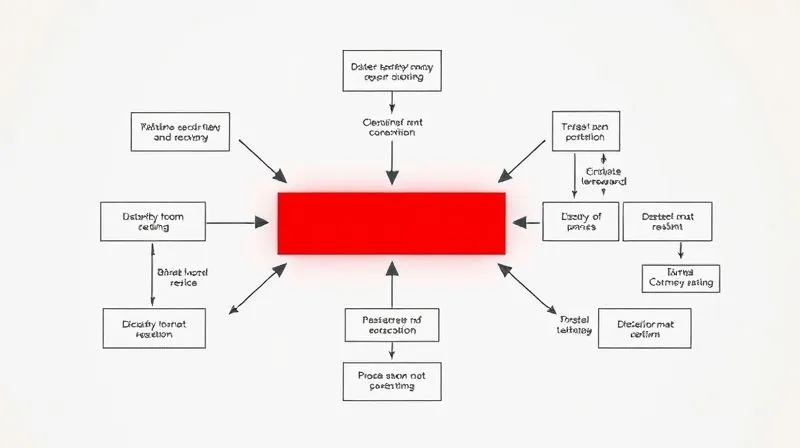
Step 3: Stakeholder Alignment & Communication Breakdown – The People Factor
Business solutions are ultimately for people, implemented by people, and managed by people. Often, the root cause of failure isn't technical, but human. Misaligned expectations, poor communication, and resistance to change can derail even the most robust solutions.
Unpacking Expectations: Were We All on the Same Page?
A common pitfall is that different stakeholders have vastly different expectations for what the solution will achieve. The sales team might expect a magical lead generation tool, while management might view it primarily as a reporting mechanism. If these expectations aren't aligned and managed from the outset, perceived failure is almost inevitable.
- Review Original Requirements: Go back to the initial project charter, scope documents, and requirements gathering sessions. Were these comprehensive and clear?
- Interview Key Stakeholders: Ask what they *thought* the solution would do for them, and how that compares to its current performance.
- Identify Discrepancies: Pinpoint where expectations diverged. Was it a misunderstanding, a lack of communication during design, or a shifting priority over time?
The Pitfalls of Poor Communication
Even with clear requirements, the implementation process itself can be fraught with communication challenges. Lack of training, insufficient change management, or a failure to articulate the 'why' behind the new solution can lead to user apathy or outright resistance.
- Insufficient Training: Were users adequately trained? Was the training relevant, hands-on, and ongoing? A powerful tool is useless if no one knows how to wield it effectively.
- Lack of Buy-in: Was the value proposition of the solution clearly communicated to all affected parties? Without understanding 'what's in it for me,' users are less likely to adopt.
- Feedback Loop Failure: Was there a mechanism for users to provide feedback during and after implementation? Was that feedback acted upon? A lack of a responsive feedback loop signals to users that their struggles are not heard.
- Change Management Neglect: Organizational change management isn't just a buzzword; it's a critical discipline. Without a structured approach to guiding individuals and teams through transitions, resistance can manifest as low adoption, errors, or a return to old methods.
"The single biggest problem in communication is the illusion that it has taken place." – George Bernard Shaw. This truth resonates deeply when implementing complex business solutions.
Case Study: How Zenith Solutions Overcame Implementation Gridlock
Zenith Solutions, a mid-sized financial advisory firm, invested in a sophisticated client relationship management (CRM) system. Six months post-launch, adoption was low, data entry was inconsistent, and client satisfaction metrics hadn't improved. My initial assessment revealed that while the technology was robust, the problem was purely human-centric.
Through a series of anonymous surveys and targeted focus groups, we discovered that while the C-suite expected increased efficiency and cross-selling opportunities, the front-line advisors felt the new CRM was clunky, time-consuming, and didn't integrate well with their existing client interaction tools. Training had been a one-off, generic session, and there was no clear channel for feedback beyond formal IT tickets.
The root cause was identified as a critical failure in change management and communication. The 'why' was never effectively conveyed to the end-users, and their practical concerns were ignored. We implemented a multi-pronged approach: revised, role-specific training sessions, creation of 'CRM champions' within each team, weekly Q&A forums with IT and management, and a simplified feedback portal. Within three months, adoption rates soared by 70%, data quality improved by 45%, and client satisfaction began a steady upward trend as advisors felt empowered, not burdened, by the technology.
Step 4: Technology & Tool Adequacy – The Infrastructure Check
While I often emphasize the human element, we cannot ignore the foundational role of technology. Sometimes, the solution itself, or the infrastructure it relies upon, is genuinely the root cause of its underperformance.
Is Your Tech Fit for Purpose?
It's easy to get swept up in the hype of a new technology. However, a solution might be excellent in theory but a poor fit for your specific organizational context, technical ecosystem, or future growth plans. This step involves a candid assessment of the solution's technical merits and limitations.
- Technical Requirements vs. Reality: Did the solution genuinely meet the technical requirements identified during the planning phase? Were any corners cut during selection or configuration?
- Scalability & Performance: Is the solution performing adequately under current load? Does it have the capacity to scale with your business growth without significant overhauls or performance degradation? Slow systems lead to frustrated users and abandoned processes.
- Security & Compliance: Are there unaddressed security vulnerabilities or compliance issues that are hindering full utilization or trust in the system?
- Vendor Support & Reliability: Is the vendor providing adequate support? Are there frequent outages or unresolved bugs? A reliable partner is as crucial as the solution itself.
Integration Challenges and Data Silos
Modern businesses rarely operate with a single, monolithic system. Solutions need to integrate seamlessly with existing software, databases, and workflows. Integration challenges are a frequent and often underestimated root cause of failure.
- API Limitations: Are the application programming interfaces (APIs) robust enough to support the necessary data exchange between systems?
- Data Consistency: Is data flowing accurately and consistently between integrated systems? Inconsistent data can lead to errors, distrust, and manual reconciliation efforts.
- Legacy System Constraints: Are older, legacy systems creating bottlenecks or incompatibilities that the new solution cannot overcome? Sometimes, the 'new' solution is failing because the 'old' one is holding it back.
- Manual Data Transfers: If employees are manually transferring data between systems due to poor integration, this is a clear sign of a failing solution. It's inefficient, error-prone, and negates the automation benefits.
As Forbes Technology Council regularly highlights, seamless integration is no longer a luxury but a necessity for business agility. Without it, even the most advanced individual tools become isolated islands of limited utility.

Step 5: Strategic Misalignment & Environmental Shifts – The Big Picture
Finally, sometimes a solution fails not because of internal flaws, but because it no longer aligns with the broader strategic direction of the company or has been rendered obsolete by external market forces. This requires stepping back and looking at the solution within its wider context.
When Solutions Don't Align with Business Goals
Business strategies evolve. What was a priority a year ago might not be today. A solution implemented to support an outdated strategy will naturally seem to fail, even if it's technically sound and well-adopted.
- Review Current Business Strategy: What are the organization's current top-level goals and strategic objectives?
- Assess Solution Relevance: Does the solution still directly contribute to these current goals? Has its purpose shifted, or has it become irrelevant?
- Resource Allocation: Is the solution still receiving the necessary resources (budget, personnel, attention) in line with its strategic importance? A solution starved of resources is set up for failure.
Adapting to External Forces: Market & Competition
The business environment is rarely static. New competitors emerge, customer preferences shift, technological paradigms change, and economic conditions fluctuate. A solution designed for one environment might be ill-suited for another.
- Market Dynamics: Has the target market changed? Are customer needs or behaviors different from when the solution was conceived?
- Competitive Landscape: Have competitors introduced superior solutions or practices that make yours less effective?
- Regulatory Changes: Have new regulations or compliance requirements emerged that the solution cannot meet, or makes it harder to operate within?
- Technological Advancements: Has a new technology emerged that offers a fundamentally better way of solving the problem, rendering your current solution suboptimal or obsolete?
This strategic and environmental review often requires a higher-level perspective. As HBR's articles on strategy consistently highlight, organizations must be agile and willing to pivot. A solution's failure might be a signal that the broader strategy needs re-evaluation, not just the solution itself.
The 5 Whys and Fishbone Diagram: Advanced Diagnostic Tools
Once you've gathered your data, mapped your processes, understood stakeholder perspectives, and assessed technical and strategic alignment, you'll likely have a strong hypothesis about the root cause. To confirm and drill down further, two powerful diagnostic tools can be invaluable.
The Power of Persistent Questioning: The 5 Whys
The '5 Whys' technique, popularized by Toyota, is a simple yet effective method for exploring cause-and-effect relationships. You start with the problem and repeatedly ask 'Why?' until you reach a root cause that, if addressed, would prevent the problem from recurring. It's rarely exactly five 'whys,' but the principle is to keep digging.
Ishikawa Diagrams: Visualizing Causes and Effects
Also known as Fishbone or Cause-and-Effect diagrams, Ishikawa diagrams provide a structured way to brainstorm and categorize potential root causes of a problem. They help visualize the complex interplay of factors contributing to a failure.
You start with the 'effect' (the failing solution/problem) at the 'head' of the fish. Then, you draw 'bones' representing major categories of potential causes (e.g., People, Process, Technology, Environment, Management, Measurement). Under each main bone, you list specific contributing factors. This visual tool helps ensure a comprehensive analysis and prevents overlooking subtle influences.
Building a Culture of Continuous Improvement
Identifying the root cause is only half the battle. The ultimate goal is to implement effective solutions and, more importantly, to foster an organizational culture that learns from failures and continuously strives for improvement. This means moving from a reactive stance to a proactive one.
From Reactive to Proactive: Learning from Failure
The insights gained from a thorough root cause analysis are invaluable. They should not only lead to corrective actions for the current failing solution but also inform future decision-making, project planning, and solution selection. Every failure is a learning opportunity, a chance to refine your processes and deepen your understanding of your organization's unique challenges.
- Document Learnings: Create a repository of lessons learned from each failed solution. What went wrong? Why? What was done to fix it?
- Update Best Practices: Incorporate these learnings into your project management methodologies, change management strategies, and solution evaluation criteria.
- Promote Transparency: Encourage an open environment where problems are acknowledged and discussed without fear of blame. This fosters psychological safety, which is crucial for genuine learning.
Implementing Feedback Loops and Post-Mortems
To embed continuous improvement, formal mechanisms must be in place. Regular feedback loops and structured post-mortems (or 'retrospectives') are essential.
- Regular Performance Reviews: Schedule periodic reviews of all significant business solutions, not just when they are failing. This allows for early detection of issues before they escalate.
- Post-Implementation Reviews: Conduct a thorough review a few months after any new solution goes live. Assess its performance against initial objectives, gather user feedback, and identify areas for optimization.
- "Blameless Post-Mortems": When a failure occurs, conduct a thorough analysis focused on system and process improvements, rather than individual accountability. The goal is to understand 'what' happened and 'why,' not 'who' is to blame. This encourages honest and comprehensive analysis.
By integrating these practices, you transform failures from costly setbacks into powerful catalysts for growth and resilience. The ability to diagnose and adapt is a hallmark of truly successful, innovative organizations.
Frequently Asked Questions (FAQ)
How do I get buy-in for this diagnostic process, especially if people are resistant to admitting failure? The key is to frame it as a learning opportunity, not a blame game. Emphasize the long-term benefits of efficiency and success for everyone. Start with a small, less critical failing solution as a pilot to demonstrate the value of the process. Involve key stakeholders from the outset and communicate how their input is crucial. Leadership endorsement and participation are also vital to signal its importance and foster psychological safety.
What if we identify multiple root causes for a single failing solution? How do we prioritize? It's common to find multiple contributing factors. Prioritize based on impact and feasibility. Which root cause, if addressed, would yield the greatest positive change? Which is the most actionable with available resources? Sometimes, fixing one major root cause can significantly diminish the impact of others. Use a matrix to score causes by impact and ease of resolution.
Is it always about internal factors, or can external market forces be the sole root cause? While internal factors are often significant, external market forces (e.g., new competitor, economic downturn, regulatory change) can absolutely be the primary root cause. However, even then, the failure often lies in the organization's inability to adapt or pivot its solution in response to these external shifts. The diagnostic process helps distinguish between an 'external problem' and an 'internal failure to adapt to an external problem'.
How long does a typical root cause analysis take, and what resources are required? The duration varies widely depending on the complexity of the solution and the problem. A simple issue might be resolved in days, while a complex, systemic failure could take weeks or even months. Resources typically include a dedicated project lead (often a business analyst or consultant), representatives from affected departments, IT specialists, and access to relevant data and documentation. It's an investment, but one that prevents further costly failures.
What's the biggest mistake businesses make when trying to fix a failing solution? The biggest mistake, in my experience, is jumping to conclusions and implementing another 'solution' without a thorough diagnosis. This often means treating symptoms, not causes, leading to a cycle of wasted resources and growing frustration. Another common error is failing to involve the actual end-users in the diagnostic process, thereby missing critical insights into their day-to-day challenges with the solution.
Key Takeaways and Final Thoughts
- Adopt a Diagnostic Mindset: Look beyond the obvious symptoms to uncover the true, underlying causes of failure.
- Leverage Both Quantitative & Qualitative Data: Numbers tell you 'what,' but human insights reveal 'why.' Combine them for a complete picture.
- Map and Analyze Processes: Understand how the solution integrates (or fails to integrate) into your operational workflows.
- Prioritize People & Communication: Address stakeholder alignment, training, and feedback loops as critical success factors.
- Assess Technical & Strategic Fit: Ensure the solution is technically adequate and remains aligned with evolving business goals and external realities.
- Utilize Tools Like 5 Whys & Fishbone Diagrams: These structured approaches help you drill down to definitive root causes.
- Cultivate Continuous Improvement: Learn from failures, document insights, and build a culture of blameless problem-solving.
Identifying the root cause of a failing business solution is not a trivial task, but it is an incredibly rewarding one. It requires patience, diligence, and a willingness to challenge assumptions. By embracing this systematic approach, you're not just fixing a problem; you're building a more resilient, efficient, and strategically agile organization. The investment in thorough diagnosis pays dividends far beyond the immediate resolution, fostering a culture of true understanding and continuous growth. Don't just patch the leaks; find the source of the flood and build a stronger foundation.
Recommended Reading
- Quantifying Intangible Value: 7 Frameworks for Consultant Fee Justification
- 7 Proven Strategies to Scale Marketplace Sales Without Huge Ad Spend
- Prove Workflow Automation ROI: 5 Pillars for Strategic Impact
- Fixing Financial Forecasts: 7 Expert Strategies for Precision
- The Secret to Lasting Change: How to Sustain Continuous Improvement Culture





Comments
Leave a comment below. Your email will not be published. Required fields marked with *