


Introduction: How to Measure Remote Team Productivity Without Micromanaging?
For over 15 years, navigating the intricate world of business operations, I've witnessed a recurring and often detrimental mistake: confusing activity with productivity, especially in remote settings. Leaders, well-intentioned but ill-equipped, often fall into the trap of micromanagement, believing that constant oversight is the only way to ensure their remote teams are truly working.
This approach, however, doesn't just fail to measure true productivity; it actively erodes trust, crushes morale, and ultimately leads to disengagement and high turnover. The very tools meant to connect us remotely can become instruments of surveillance, transforming a dynamic workforce into a resentful one. The core problem isn't a lack of effort from your team, but often a misunderstanding of how to genuinely assess and foster their output.
In this definitive guide, I'll share expert-backed frameworks and actionable strategies that move beyond the outdated 'hours-logged' mentality. You'll learn how to implement outcome-focused metrics, cultivate a culture of trust, and leverage technology ethically to accurately measure remote team productivity without micromanaging. This isn't about more surveillance; it's about smarter leadership.
The Micromanagement Trap: Why Traditional Metrics Fail Remote Teams
The shift to remote work, accelerated globally, brought with it a unique set of challenges for managers accustomed to physical oversight. The inability to 'see' employees at their desks often triggers an anxiety that manifests as an urge to micromanage. This typically involves tracking login times, keystrokes, or demanding hourly updates – all signs of a deep-seated distrust.
In my experience, this approach is not only ineffective but profoundly damaging. It signals to your team that you don't trust their professionalism or their commitment. The consequences are dire: increased stress, burnout, reduced creativity, and ultimately, a significant drop in actual productivity as employees spend more time reporting their activities than performing them.
“Trust is the highest form of human motivation. It brings out the very best in people.” – Stephen Covey. This rings especially true in remote environments, where trust forms the bedrock of a productive, autonomous team. Without it, even the most talented individuals will struggle to thrive.
Shifting from Activity to Outcomes: The Core Philosophy
The fundamental pivot required for successful remote team management is a shift from measuring 'activity' to evaluating 'outcomes'. Activity focuses on the inputs – how many hours were spent, how many emails were sent, how many lines of code were written. Outcomes, conversely, focus on the results – was the feature shipped, was the client satisfied, did the project meet its goals? This is how to measure remote team productivity without micromanaging effectively.
This outcome-based philosophy empowers your team members by giving them autonomy over *how* they achieve their goals, as long as they deliver the agreed-upon results. It fosters a sense of ownership and responsibility, encouraging innovation and problem-solving rather than rote task completion. When you trust your team to deliver, they often exceed expectations.
This approach isn't just about being 'nice'; it's about being strategically smart. By focusing on what truly matters – results – you align individual efforts with organizational objectives, creating a more efficient and engaged workforce. It’s a paradigm shift that redefines what productivity truly means in a distributed setting.

Pillar 1: Clearly Defining Goals and Expectations
The cornerstone of outcome-based productivity is crystal-clear goal setting. If your team doesn't know what success looks like, how can they achieve it? Ambiguity is the enemy of remote productivity and the silent driver of micromanagement. I've found that many managers default to monitoring because goals were never adequately defined in the first place.
SMART Goals for Remote Teams
Applying the SMART framework is non-negotiable for remote teams. Each goal must be:
- Specific: Clearly state what needs to be achieved. Avoid vague objectives like 'improve sales.' Instead, 'increase Q3 sales by 15% in the EMEA region.'
- Measurable: Quantify the goal so progress can be tracked. What metrics will indicate success?
- Achievable: Ensure the goal is realistic and attainable within the given resources and timeframe.
- Relevant: The goal should align with broader team and organizational objectives. Does it truly contribute to the company's mission?
- Time-bound: Set a clear deadline for completion. This creates urgency and provides a framework for accountability.
Establishing Clear Deliverables and Milestones
Beyond the overarching goals, break down projects into smaller, manageable deliverables with defined milestones. This provides a roadmap for your team and allows for non-intrusive progress checks. Each milestone should have a clear owner and a defined output.
- Reduced Ambiguity: Everyone knows what's expected and by when.
- Early Warning System: Missed milestones become clear indicators for intervention, not guesswork.
- Empowerment: Team members can manage their own time and methods to hit these targets.
- Fair Assessment: Performance reviews become objective, based on tangible results.
| Goal Area | Specific Goal | Key Deliverable | Success Metric | Target |
|---|---|---|---|---|
| Marketing | Increase organic search traffic by 20% by end of Q4 | Publish 8 SEO-optimized blog posts per month | Google Analytics: Organic Sessions | +20% |
| Product Development | Launch new 'Analytics Dashboard' feature by Oct 31 | Complete backend API integration by Sep 15 | Feature completion & user acceptance testing | 100% |
| Customer Support | Reduce average first response time to under 2 hours | Implement new ticketing system and training by July 30 | Support CRM: Avg. First Response Time | <2 hours |
Pillar 2: Leveraging Asynchronous Communication and Tools for Visibility
In a remote setting, the right communication tools aren't just about staying connected; they're about creating transparent visibility into work progress without requiring constant real-time updates. This is a critical component of how to measure remote team productivity without micromanaging.
Project Management Platforms (PMPs) as Your Allies
Tools like Asana, Trello, Jira, or Monday.com are indispensable. They provide a centralized hub for tasks, deadlines, and project status. When consistently used, PMPs offer a real-time, self-updating overview of who is working on what, what's complete, and what's next, without the need for direct questioning.
- Centralized Task Tracking: All tasks, subtasks, and deadlines are visible to the entire team.
- Progress at a Glance: Managers can quickly see project status and identify bottlenecks.
- Reduced Email Clutter: Discussions and file sharing happen directly within tasks.
- Accountability: Clear task owners mean everyone knows their responsibilities.
- Documentation: A historical record of decisions and progress is automatically maintained.
Regular, Structured Check-ins, Not Check-ups
While asynchronous tools provide ongoing visibility, structured check-ins are vital for alignment and problem-solving. These should be brief, focused, and forward-looking, not retrospective interrogations of past activities. I advocate for a 'stand-up' style meeting (even if virtual) where each team member quickly shares:
- What they completed since the last check-in (focused on outcomes).
- What they plan to work on next.
- Any blockers or challenges they're facing.
This fosters collaboration, allows for quick adjustments, and reinforces trust by focusing on solutions rather than surveillance. It's a dialogue, not a monologue of demands.
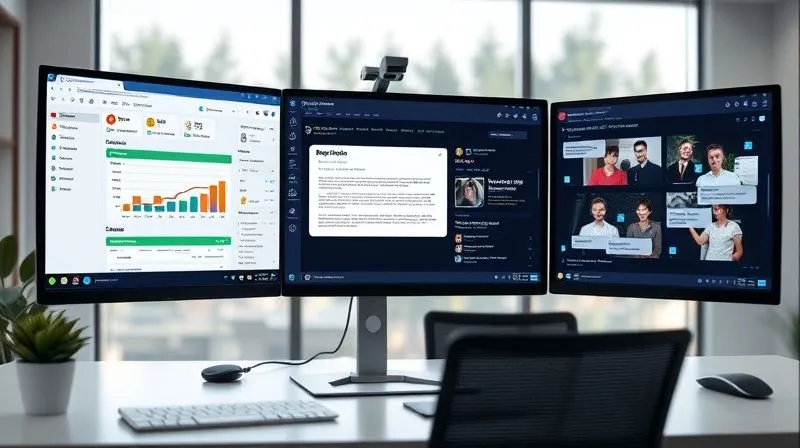
Pillar 3: Implementing Outcome-Focused Productivity Metrics
Moving beyond time spent, true remote productivity measurement hinges on identifying and tracking the right Key Performance Indicators (KPIs) that directly reflect valuable output. This is where your expertise as a manager truly shines, in selecting metrics that genuinely matter.
Beyond Hours Logged: Key Performance Indicators (KPIs)
Every role will have different, relevant KPIs. The key is to define them clearly and consistently track them. Here are some examples:
- For Developers: Number of features shipped, bug resolution rate, code quality (measured by automated tests), system uptime.
- For Marketers: Lead generation, conversion rates, website traffic growth, campaign ROI, content engagement metrics.
- For Sales Teams: Number of qualified leads, conversion rate from lead to customer, average deal size, customer retention rate.
- For Customer Support: First contact resolution rate, average resolution time, customer satisfaction (CSAT) scores, ticket backlog.
- For Project Managers: Project completion rate on time/budget, stakeholder satisfaction, risk mitigation success.
Quality Over Quantity: The Unsung Hero
It's not just about hitting numbers; it's about the quality of the output. Incorporate quality metrics into your assessment. For instance, a developer might ship many features, but if they introduce more bugs, their true productivity is low. A marketer might generate many leads, but if they are unqualified, it's wasted effort.
Measuring quality can involve peer reviews, customer feedback, error rates, or compliance with established standards. This holistic view ensures that your team isn't just rushing to hit targets but is delivering truly valuable work.
| Role | Outcome-Focused KPI | Quality Metric | Anti-Micromanagement Benefit |
|---|---|---|---|
| Software Engineer | Features Shipped per Sprint | Bug-to-Feature Ratio | Focuses on deliverable value, not lines of code. |
| Content Marketer | Organic Traffic Growth from Content | Average Time on Page / Bounce Rate | Measures impact on business goals, not just article count. |
| Sales Representative | Converted Deals (Value) | Customer Lifetime Value (CLTV) | Prioritizes high-value, sustainable sales over sheer call volume. |
| Customer Support Agent | First Contact Resolution Rate | Customer Satisfaction (CSAT) Score | Emphasizes problem-solving efficiency and customer happiness. |
Pillar 4: Cultivating a Culture of Trust and Autonomy
This is arguably the most crucial pillar in how to measure remote team productivity without micromanaging. Without trust, any system you implement will feel like surveillance. Building a culture of autonomy means empowering your team to make decisions, manage their workflows, and take ownership of their results.
Empowerment Through Ownership
Delegate tasks with clear objectives but allow your team members to determine the 'how.' Provide the necessary resources and support, then step back and let them innovate. This fosters a sense of responsibility and pride in their work. When employees feel trusted, they are more engaged and motivated to perform at their best.
The Power of Psychological Safety
As Google's Project Aristotle famously demonstrated, psychological safety is the single most important factor for team success. In a psychologically safe environment, team members feel comfortable taking risks, admitting mistakes, and speaking up without fear of punishment or humiliation. This is paramount for remote teams, where misinterpretations can easily arise from a lack of non-verbal cues.
“Psychological safety is a shared belief held by members of a team that the team is safe for interpersonal risk-taking.” – Amy Edmondson. Create an environment where asking for help is a sign of strength, not weakness, and where failures are learning opportunities.
Case Study: How InnovateCo Boosted Remote Morale & Output
InnovateCo, a mid-sized software development firm, struggled with low morale and inconsistent output across their newly remote engineering teams. Their previous management style involved daily detailed stand-ups and strict time-tracking, leading to high burnout. Recognizing the issue, their leadership shifted focus. They implemented clear, outcome-based OKRs (Objectives and Key Results) for each sprint, empowering teams to self-organize and choose their tools and methods.
They replaced daily interrogative stand-ups with asynchronous updates on their project management platform, focusing on progress and blockers. Managers shifted from 'checking in' to 'coaching' – offering support and removing obstacles. Within six months, InnovateCo saw a remarkable turnaround: employee engagement scores rose by 25%, voluntary turnover decreased by 18%, and sprint completion rates improved by 20%. This was a direct result of fostering trust and autonomy, demonstrating that less oversight can lead to more, not less, productivity.
Pillar 5: Regular Feedback Loops and Performance Reviews
Even with outcome-focused metrics and trust, a structured feedback mechanism is essential. This isn't about finding fault; it's about continuous improvement and professional development. Feedback should be a two-way street, fostering growth for both the employee and the manager.
Constructive 1:1s: A Dialogue, Not an Interrogation
Schedule regular, dedicated 1:1 meetings (e.g., bi-weekly or monthly). These sessions should be a safe space for open dialogue. Focus on:
- Discussing progress against outcomes and goals.
- Identifying challenges and brainstorming solutions together.
- Providing constructive feedback on performance and areas for development.
- Listening to your team member's concerns, aspirations, and ideas.
- Offering support and resources.
Make it clear that these meetings are for their growth and well-being, not just a performance review. This builds rapport and strengthens the manager-employee relationship, which is vital in a remote setup.
360-Degree Feedback for Holistic Views
Beyond direct manager feedback, consider implementing a 360-degree feedback process periodically. This involves gathering feedback from peers, direct reports, and even external stakeholders. It provides a more holistic view of an individual's performance, collaboration skills, and impact, helping to identify blind spots and celebrate strengths that might otherwise go unnoticed.
This comprehensive approach ensures that performance is assessed from multiple perspectives, reinforcing fairness and providing richer insights for development. It's a powerful tool for fostering a culture of continuous learning and growth, further cementing how to measure remote team productivity without micromanaging.

Pillar 6: Technology as an Enabler, Not a Spy
Technology plays a dual role in remote work. It can either be a powerful enabler of productivity and connection or a tool for intrusive surveillance. The key is to use it wisely and ethically, ensuring it supports your outcome-focused approach rather than undermining trust.
Ethical Use of Productivity Tools
There's a vast array of tools available, from communication platforms to project management software and even more granular activity trackers. As an experienced leader, I urge you to choose tools that facilitate collaboration, clarify goals, and provide insights into *outcomes*, not individual keystrokes or screen time. Tools that provide transparent, team-level data on project progress or feature completion are valuable. Tools that monitor every mouse click are detrimental.
Before implementing any new technology, ask yourself: Does this tool empower my team or make them feel watched? Does it help us achieve our outcomes more efficiently, or does it merely track activity? Transparency about *why* certain tools are used is also critical. Explain the benefits to your team, focusing on efficiency, collaboration, and objective measurement.
Data-Driven Insights, Not Surveillance
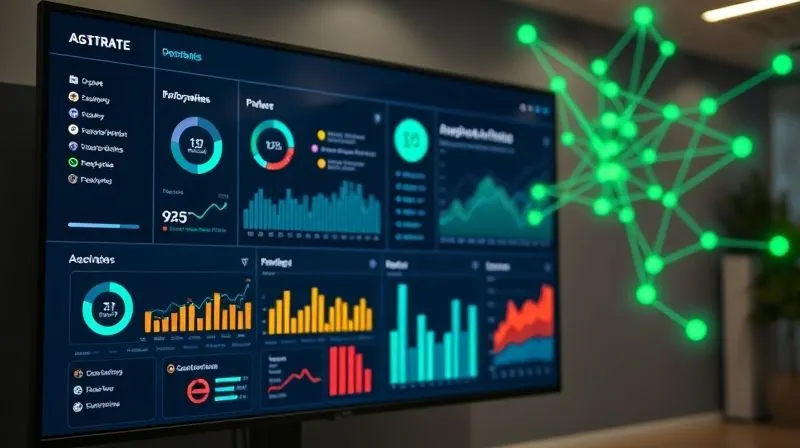
Leverage the data from your project management platforms, communication tools (e.g., number of resolved threads, team response times), and outcome-focused KPIs to gain insights. This data should inform strategic decisions, identify areas for process improvement, and celebrate team successes. It should not be used to 'catch' employees slacking off.
For instance, if a project consistently misses deadlines, analyze the data to understand the root cause – is it a resource issue, unclear requirements, or a process bottleneck? Don't jump to conclusions about individual performance. Data, when used ethically and intelligently, is your most powerful ally in understanding and improving remote team productivity without micromanaging.
Frequently Asked Questions (FAQ)
How do I handle underperforming remote team members without micromanaging? Start with clear, documented outcome expectations. If performance dips, address it directly through a private 1:1 conversation. Focus on the observable outcomes and their impact, not assumptions about effort or activity. Ask open-ended questions to understand their challenges, offer support, resources, or additional training, and jointly create a concrete improvement plan with measurable milestones. Regular, supportive check-ins on this plan are crucial, but always rooted in helping them succeed, not policing them.
What's the ideal frequency for remote team check-ins? There's no one-size-fits-all answer, but generally, I recommend a blend. For project status, daily asynchronous updates via a project management tool are often sufficient. For team alignment and blockers, a brief 15-minute synchronous team 'stand-up' 2-3 times a week can be effective. For individual development and support, bi-weekly or monthly 1:1s are ideal. The key is consistency and predictability, allowing your team to plan their work around these touchpoints rather than feeling constantly interrupted.
Can I use time tracking software for productivity measurement? While time tracking software can be useful for billing clients or managing payroll, I strongly advise against using it as a primary measure of productivity for salaried employees. It inherently promotes an activity-based mindset and is a direct path to micromanagement. True productivity, especially in creative or knowledge-based roles, isn't about hours logged but about the value and quality of outcomes delivered. Focus on what gets achieved, not how long it took.
How do I ensure my team feels trusted, not monitored? Transparency and communication are paramount. Clearly explain the 'why' behind any tool or process you implement. Focus conversations on shared goals, outcomes, and opportunities for growth. Actively listen to their feedback and concerns. Empower them with autonomy over their work processes. Most importantly, lead by example: trust them until there's clear, objective evidence (based on outcomes, not activity) that trust has been misplaced, and even then, address it with support, not suspicion.
What if my team’s tasks aren’t easily measurable by outcomes? While some roles might seem less 'quantifiable,' almost every task contributes to a larger objective that can be measured. For instance, a researcher's outcome might be 'comprehensive market analysis report delivered,' measured by depth of insight and actionable recommendations, not just hours spent researching. For creative roles, it might be 'campaign launched with X engagement rate.' The challenge lies in defining the *desired impact* or *final output* of the work, rather than just the steps taken to get there. Work collaboratively with your team to define these outcome-based metrics.
Key Takeaways and Final Thoughts
- Shift Focus to Outcomes: Measure what gets achieved, not just the activity involved.
- Define Clear Goals: Use SMART goals and clear deliverables to set expectations.
- Leverage Asynchronous Tools: Utilize project management platforms for transparent visibility without constant oversight.
- Cultivate Trust: Empower your team with autonomy and foster psychological safety.
- Implement Ethical Metrics: Track KPIs that reflect valuable output and quality, not just time.
- Prioritize Feedback: Engage in regular, constructive 1:1s and 360-degree feedback for growth.
- Technology as an Enabler: Use tools to support collaboration and insight, not surveillance.
Mastering how to measure remote team productivity without micromanaging isn't just about implementing new tools or processes; it's about a fundamental shift in leadership philosophy. It requires trust, empathy, and a commitment to empowering your team. By focusing on outcomes, fostering autonomy, and providing clear frameworks, you'll not only see a boost in productivity but also cultivate a more engaged, resilient, and innovative remote workforce. Embrace this journey, and watch your team thrive.
Recommended Reading
- 7 Steps: How to Recover From a Significant Customer Service Dip
- 7 Strategies: Mitigating Supply Chain Disruptions from Geopolitical Instability
- Onboarding Remote Employees: 5 Steps for Global Success Across Time Zones
- Unlock HR Budget: 7 Steps to Prove Onboarding ROI & Secure Funds
- 5 Proven Steps: Stop Remote Hiring Mistakes & Cut Turnover by 40%





Comments
Leave a comment below. Your email will not be published. Required fields marked with *